The Impact of High-Value Treats on Dog Training
When working through demanding cues or high-distraction environments, your dog needs an immediate incentive that commands attention without stalling the rhythm of your session. Freshly baked sweet potato oat cookies provide an enticing aroma and tender texture that dogs naturally prioritize over dry commercial kibble, helping you capture prompt responses during behavior work. Sizing these rewards down to tiny, pea-sized morsels allows your dog to swallow each piece instantly, keeping their eyes locked on you and maintaining your working momentum without loading them down with heavy calories.
Ingredient Selection Errors
Maintaining that intense focus requires clean fuel, yet everyday staples that seem harmless on your plate can quickly disrupt a sensitive canine stomach. When you bake homemade rewards, it's easy to assume human grocery standards keep your pup safe, but accidental gastric distress often comes down to overlooked packaging details. Commercial food processors frequently add heavy sodium and synthetic preservatives to basic produce and pantry grains, creating hidden hazards for your dog's metabolism.
In your kitchen, careful scrutiny of pure raw ingredients protects both short-term digestion and daily training momentum. Dogs process complex fibers and trace sugars differently than humans, so even minor processing aids in base items can lead to loose stools or sudden energy crashes during practice. Catching these sourcing pitfalls before you turn on the oven keeps your treats wholesome and safe for daily use.
1. Using Canned Sweet Potato with Added Sugar or Xylitol
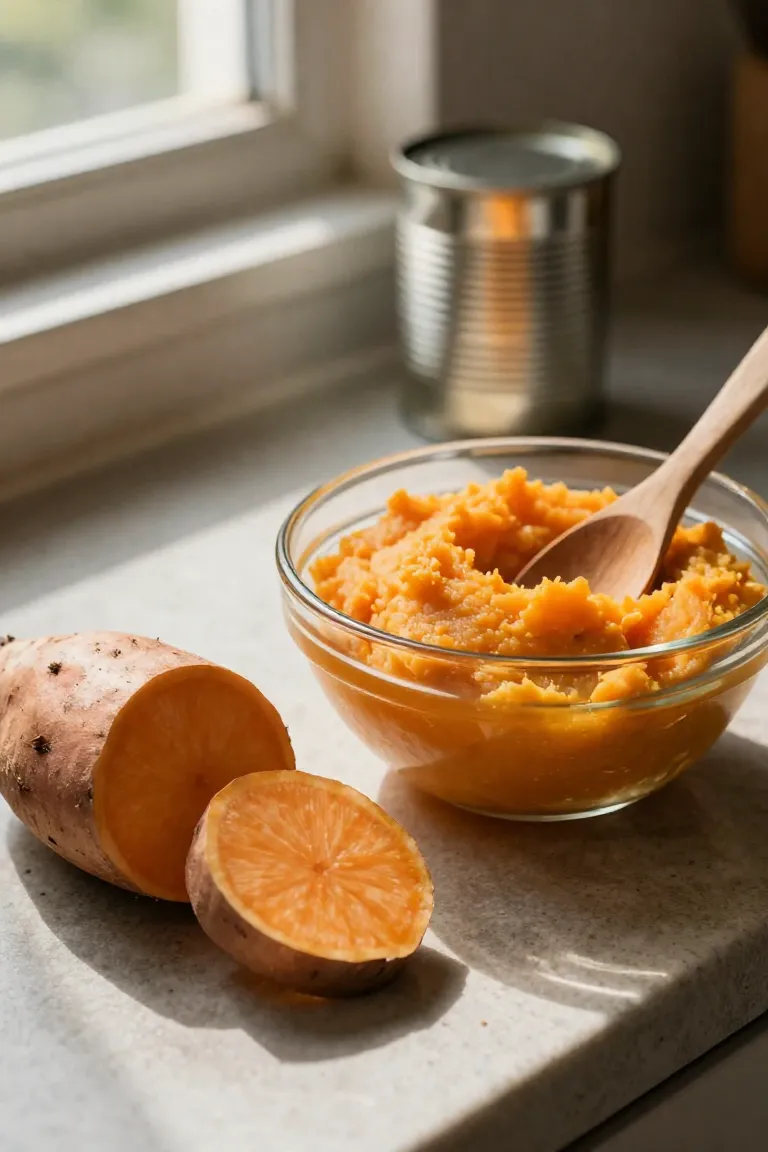
Supermarket shelves frequently carry canned tubers submerged in heavy syrups or chemical stabilizers that trigger digestive distress and loose stools in dogs. Far more hazardous is the occasional presence of xylitol, sometimes disguised under the name birch bark extract or wood sugar, which prompts rapid insulin release and acute hypoglycemia, leading to catastrophic liver damage even in minute doses. Many canned varieties marketed alongside pie fillings also incorporate heavy doses of sodium and artificial color retention agents that burden your dog's kidneys during heavy training days. You can easily protect your pup by inspecting the nutrition panel to verify that the ingredient list contains solely pure sweet potato without added water or artificial sweeteners.
2. Choosing Instant Oats Over Rolled or Steel-Cut Oats
Once you secure a clean vegetable base, the grain you pour into the mixing bowl demands equal scrutiny. Grabbing pre-cooked breakfast packets off the pantry shelf introduces heavily milled grains that have lost their cellular density during industrial steaming. Traditional whole rolled oats or coarse grinds provide steady fiber and resilient texture, whereas ultra-processed breakfast alternatives create distinct obstacles for both your dog's digestion and the bake:
- Rapid starch breakdown: Aggressive pre-cooking processes shatter the grain's cellular structure, creating fine starches that metabolize too quickly and risk triggering digestive upset instead of providing steady, gut-friendly fiber.
- Weak cookie structure: Finely pulverized flakes soak up liquid unpredictably, yielding a gummy paste that dries into fragile treats that shatter into powder inside your pocket or treat pouch.
- Unwanted manufacturing additives: Pre-packaged breakfast portions often include anti-caking agents and synthetic preservation compounds that irritate a canine stomach.

3. Adding Unsafe Spices or Flavorings
Kitchen seasonings that make autumn baked goods appetizing to human palates can cause severe health problems in your pup. While you might want to dash extra warmth into the mixing bowl, your dog doesn't need aromatic enhancers to stay motivated by the rich smell of pure tubers.
- Nutmeg contains myristicin, a toxic compound that triggers rapid heart rates and disorientation, leading to tremors even in tiny pinches.
- Powdered onion and garlic destroy canine red blood cells, which causes dangerous anemia over repeated training sessions.
- Excess table salt leads to sudden dehydration during active recall drills and places unnecessary stress on delicate kidneys.

4. Ignoring Wheat or Gluten Sensitivities
A sticky batch of dough often tempts home bakers to toss in a handful of standard all-purpose flour to tighten the mix. Pet parents choose oats specifically to create gentle, stomach-friendly rewards for dogs prone to dietary reactions. Dumping conventional wheat flour onto the counter instantly introduces gluten proteins, triggering sudden paw licking and ear flare-ups alongside severe digestive upset that unravels your clean ingredient prep.
A quick scoop of finely blended oats provides the exact same binding strength without compromising digestive comfort. This straightforward substitute absorbs excess moisture from the sweet potato puree, keeping your batch firm and easy to handle for gluten-sensitive dogs.

5. Using Generic Commercial Binders Instead of Egg or Applesauce
Reaching for packaged stabilizers like xanthan gum or cornstarch might seem like a quick fix when your dough refuses to hold together. While these powders work in human baking, concentrated industrial gums frequently irritate a sensitive canine digestive tract, leading to loose stools and bloating. Simple kitchen staples supply plenty of moisture and binding strength without introducing synthetic fillers to your dog's diet.
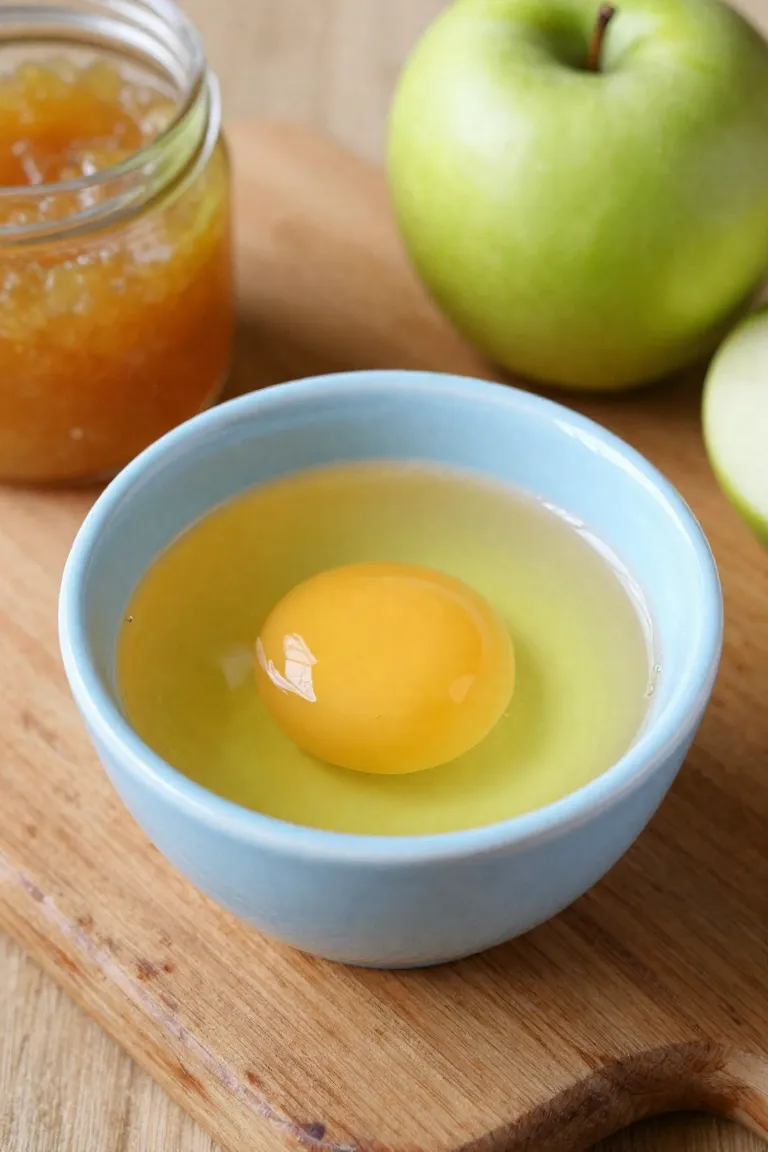
A single whisked egg delivers bioavailable protein and produces a pliable dough that bakes into clean, snap-ready treats. If your pup reacts poorly to poultry, two tablespoons of unsweetened applesauce lend enough natural pectin to bind the dry oats and sweet potato puree securely. Both options keep your dough manageable on the counter while guaranteeing a gentle, stomach-friendly reward.
Preparation and Mixing Flaws
Once your safe ingredients sit ready on the counter, combining them correctly determines whether the finished rewards hold together or fall apart in your training pouch. Dense root vegetables and hearty grains behave differently than standard baking flours, demanding close attention to moisture distribution before heat ever touches the tray. Watch out for these common missteps while bringing your batch together:
- Rushing the initial stir, which traps dry pockets of grain beneath a gummy outer layer.
- Overworking the dough with warm hands, which draws out excess starch and turns the mass sticky.
- Ignoring inconsistent moisture pockets, which causes individual pieces to bake at radically different rates.
6. Leaving Oat Pieces Too Large for Quick Consumption
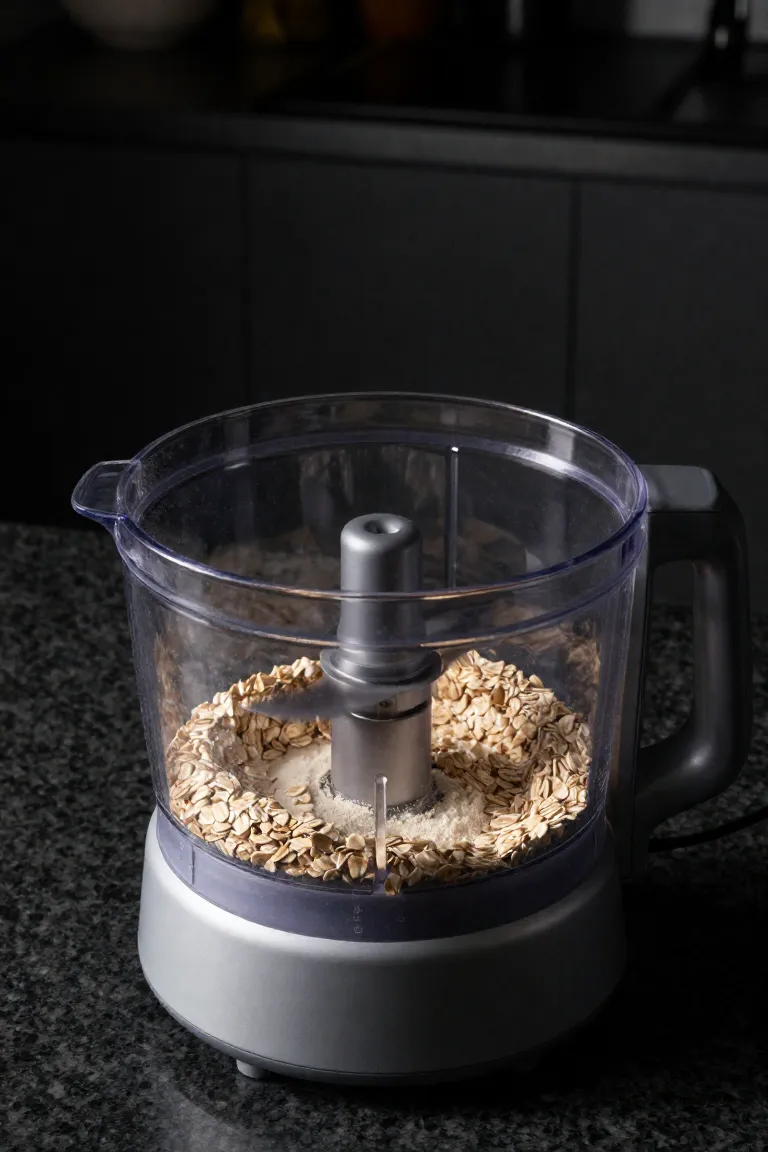
Dumping intact flakes straight into your mixing bowl creates structural faults throughout the dough and slows down your practice routines. Giving your rolled grains a quick spin in a food processor breaks down wide flakes into a coarse meal, binding tightly with sweet potato and keeping every bite intact.
- Unbroken flakes fail to absorb moisture evenly, leaving dry crumb pockets that shatter into dust inside your treat pouch.
- A coarse meal texture lets you shape dense micro-bites that hold their form without shedding loose crumbs across the floor.
- Fine particles swallow in a single gulp, keeping your dog focused on the next repetition instead of standing still to chew.
7. Inconsistent Puree Texture Yielding Crumbly Dough
Even with finely ground flour, hidden chunks of vegetable flesh can quietly undermine your batch. When you leave dense fibrous lumps instead of processing the cooked root down to a silky paste, the surrounding dry oats cannot absorb moisture evenly across the mixing bowl. These unblended starch pockets create brittle weak points throughout the mixture during baking, producing biscuits that fracture into messy dust the moment you reach into your training pouch mid-exercise. Running your base through a food processor or pressing it through a ricer distributes moisture into every oat grain, binding the mass so each morsel holds its shape when grabbed in rapid succession.
8. Skipping the Resting Phase for Oat Hydration
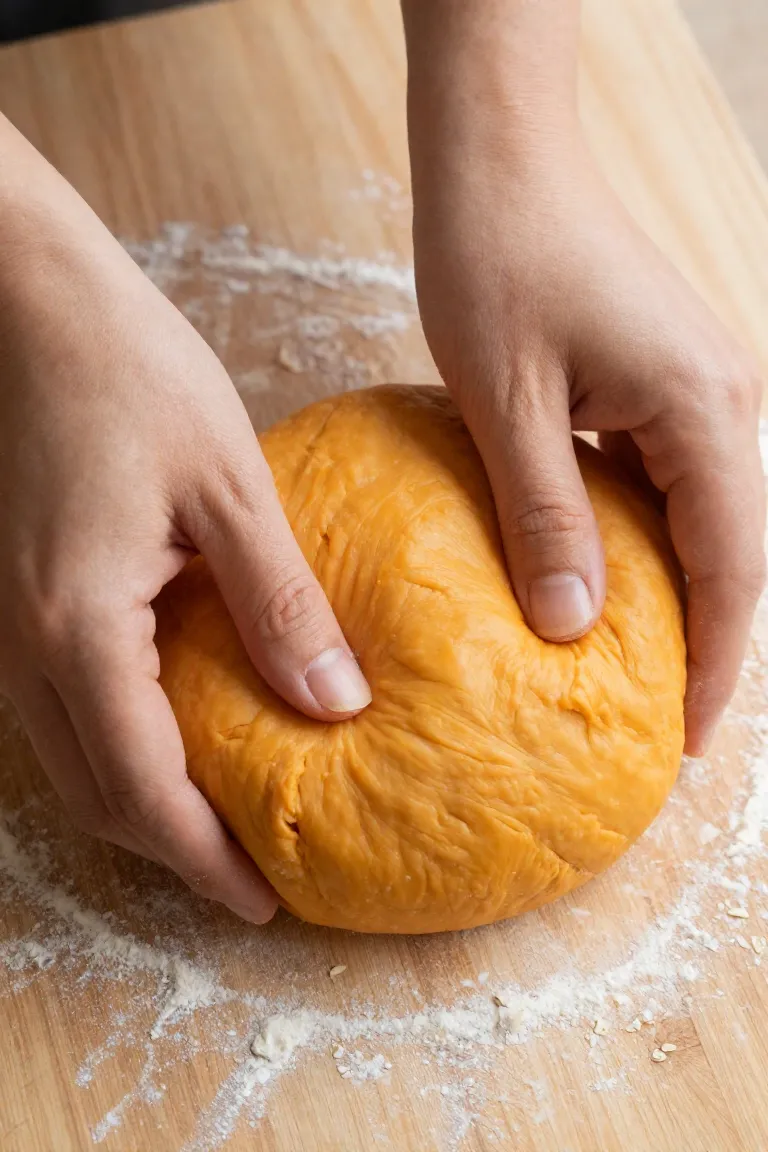
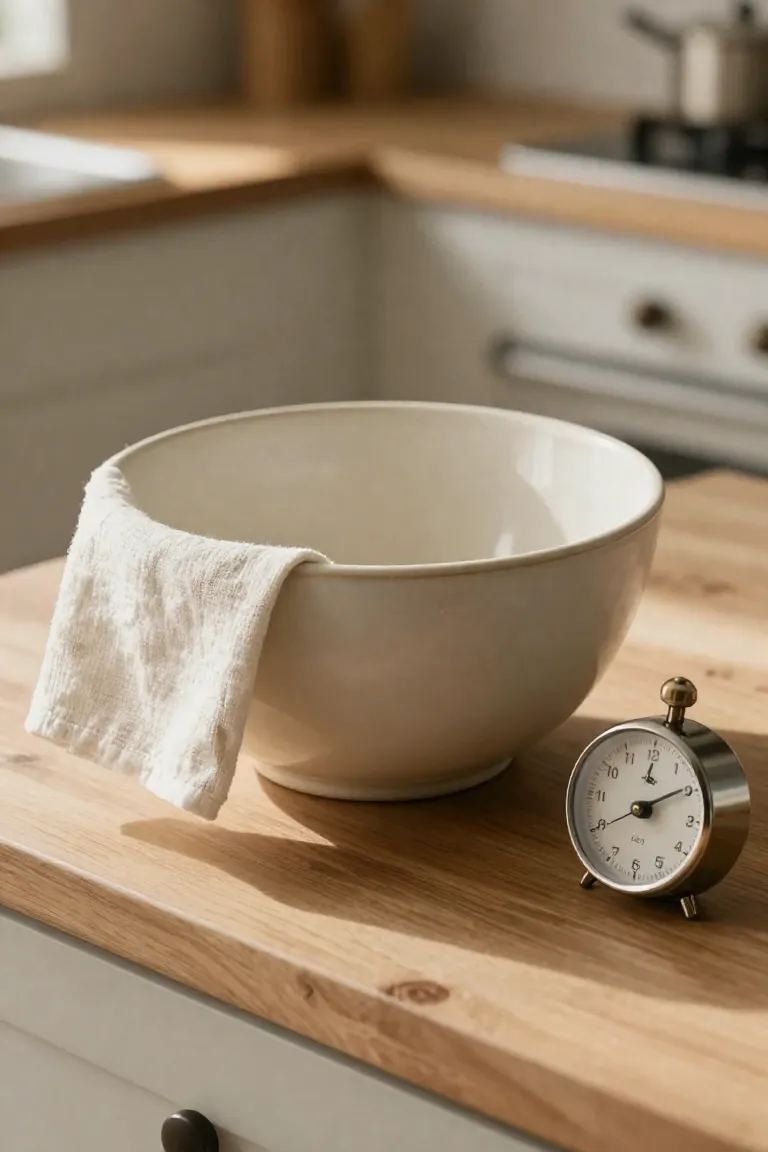
Rushing the freshly combined mixture straight onto your rolling surface leaves the dry starches thirsty and unprepared for the oven. Raw flakes require roughly 10 to 15 minutes on the counter to draw in moisture from the warm sweet potato base. If you shape the dough immediately, surface liquid evaporates during baking while the inner grain stays parched, resulting in brittle morsels that turn into dust inside your pocket.
A short rest under a clean towel gives the natural soluble fiber time to swell and bind the ingredients. This waiting period tightens the dough naturally, so you can slice neat squares that won't stick to your knife or tear along the edges. Once the grains lock in that vegetable moisture, your finished rewards retain a tender chew that dogs swallow cleanly during quick training reps.
9. Rolling the Dough Too Thick for Micro Treats
Even well-hydrated dough creates immediate trouble during practice sessions if you leave the slab too tall on your counter. Fast reward delivery relies on tiny bites your dog can swallow in a single second without pausing to chew. Chunky portions break the rhythm of your repetitions, forcing you to stop mid-exercise and pry pieces apart with your fingers as stray crumbs scatter across the floor.
A uniform depth of roughly 1/8 of an inch allows you to score crisp grid lines directly onto the sheet before baking. This slender profile ensures that cooled biscuits snap cleanly into consistent nibbles without shattering, keeping your reward delivery smooth and your dog dialed into the exercise.

Baking and Sizing Missteps
Once your dough is pressed flat, the way you portion and heat the mixture directly governs how effectively you can mark behaviors in real time. A reward that demands multiple seconds of crunching shatters your dog's concentration, turning a brisk training drill into an unwanted chewing break. Excess moisture leaves soft bites that fall apart inside your treat pouch, while excessive heat yields jaw-tiring nuggets that leave your dog hunting for water instead of tracking your body language. Several small physical details during sheet prep create the difference between smooth, rapid reward delivery and a session derailed by awkward chewing pauses.
10. Making Treats Too Large for Rapid Reward Cycles
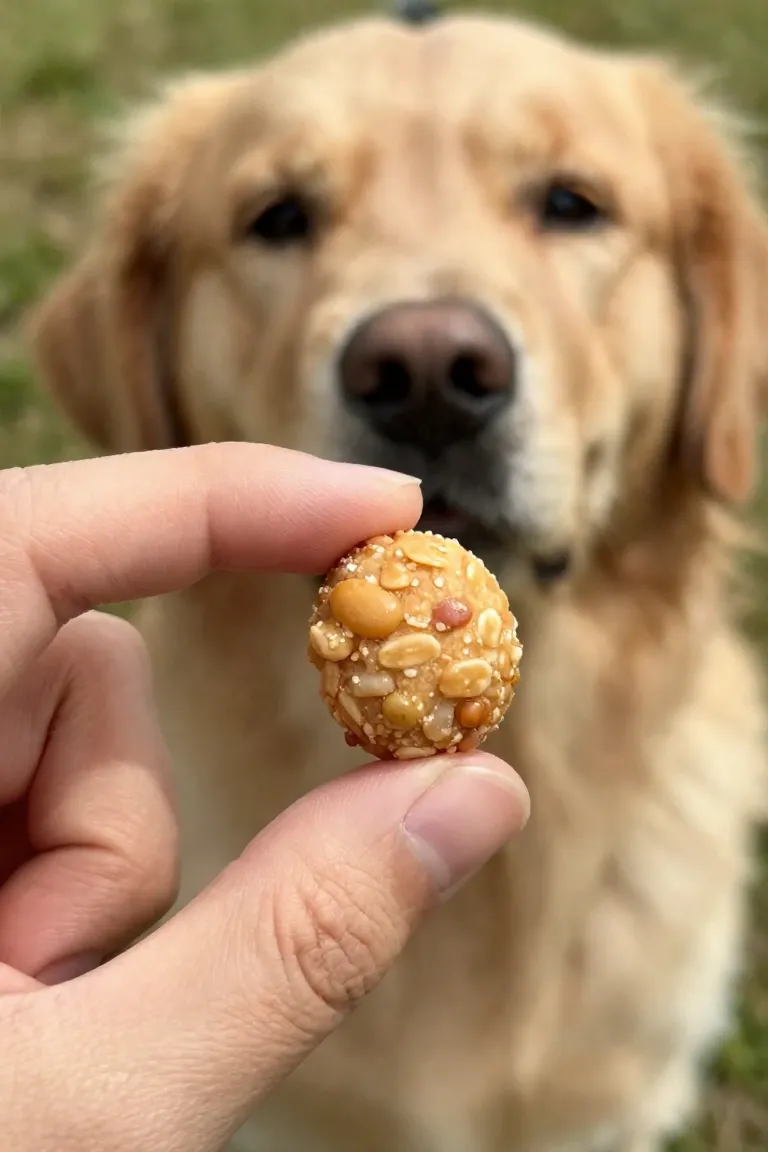
Aim for morsels roughly the size of a pea so your dog can swallow each reward in a split second without dropping their head to crunch. When rewards require extensive chewing, the momentum of your practice halts immediately, breaking your dog's working drive and stretching out response intervals.
- Extended chewing pulls attention away from your cues and down to stray crumbs on the floor.
- Oversized portions fill your dog's stomach within ten repetitions, reducing their motivation before you finish a drill.
- Chunky bites quietly pack excess calories into a single session, leading to unintended weight gain over time.
11. Overbaking Until Rock Hard and Difficult to Chew
Leaving your trays in the oven even five minutes too long turns wholesome oat dough into stubborn little pebbles that halt your workflow. When your dog has to pause to crunch vigorously and hunt down runaway crumbs from the floor, their focus completely drifts away from the cue you just marked. Ideal training rewards need a soft crumb or an easily snapping texture that slides down smoothly in half a second, keeping the rhythm crisp and your pup's eyes locked squarely on you. Moisture retention is your best safety net here, so pulling the batch when the edges just turn pale golden ensures every morsel remains tender enough for rapid-fire drills.
12. Underbaking and Compromising Shelf Life
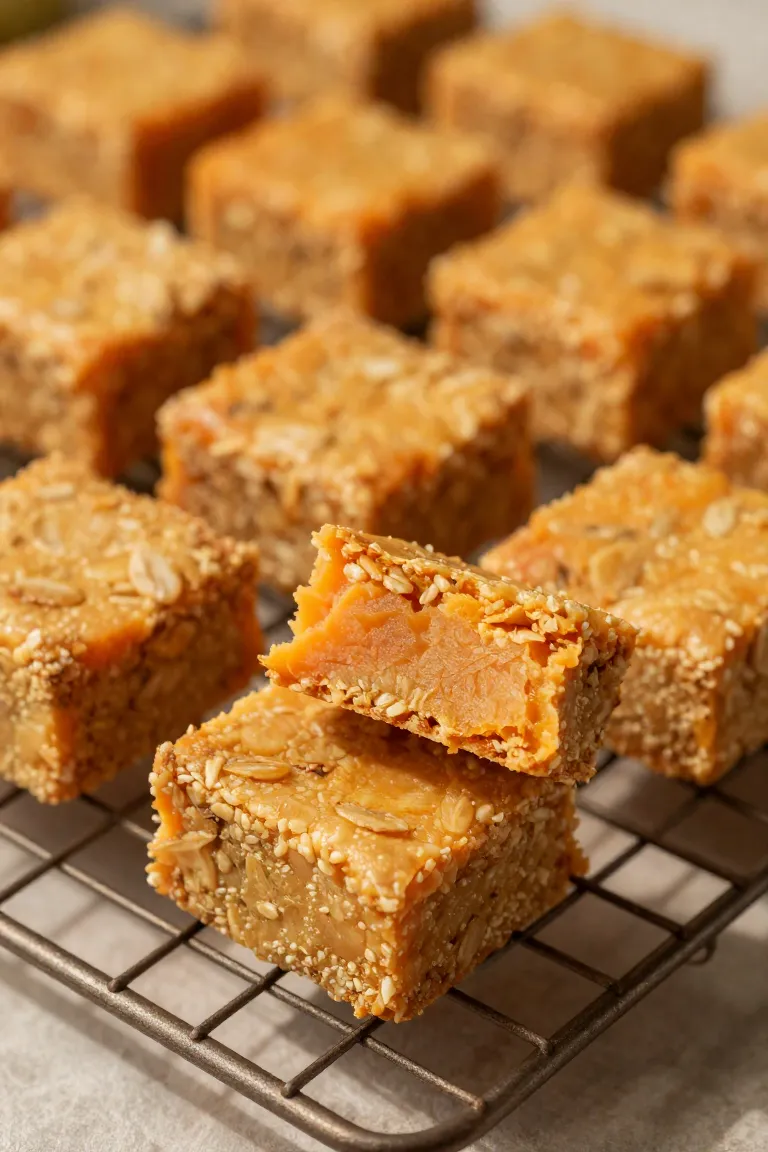
Swinging too far in the opposite direction creates a silent hazard in your reward pouch. When you pull treats from the oven while the centers are still damp and squishy, trapped water activity turns each bite into a breeding ground for invisible fungal spores. What feels like a pleasingly soft texture on day one quickly transforms into fuzzy green patches within 72 hours.
A silicone pouch or zippered training bag accelerates this spoilage by trapping condensation as the treats sit against your body heat during a walk. Instead of relying on a squishy center, you want the biscuit to feel dry to the touch on all sides while snapping cleanly under slight thumb pressure before you pack them away.
13. Overcrowding the Baking Sheet Causing Uneven Cooking
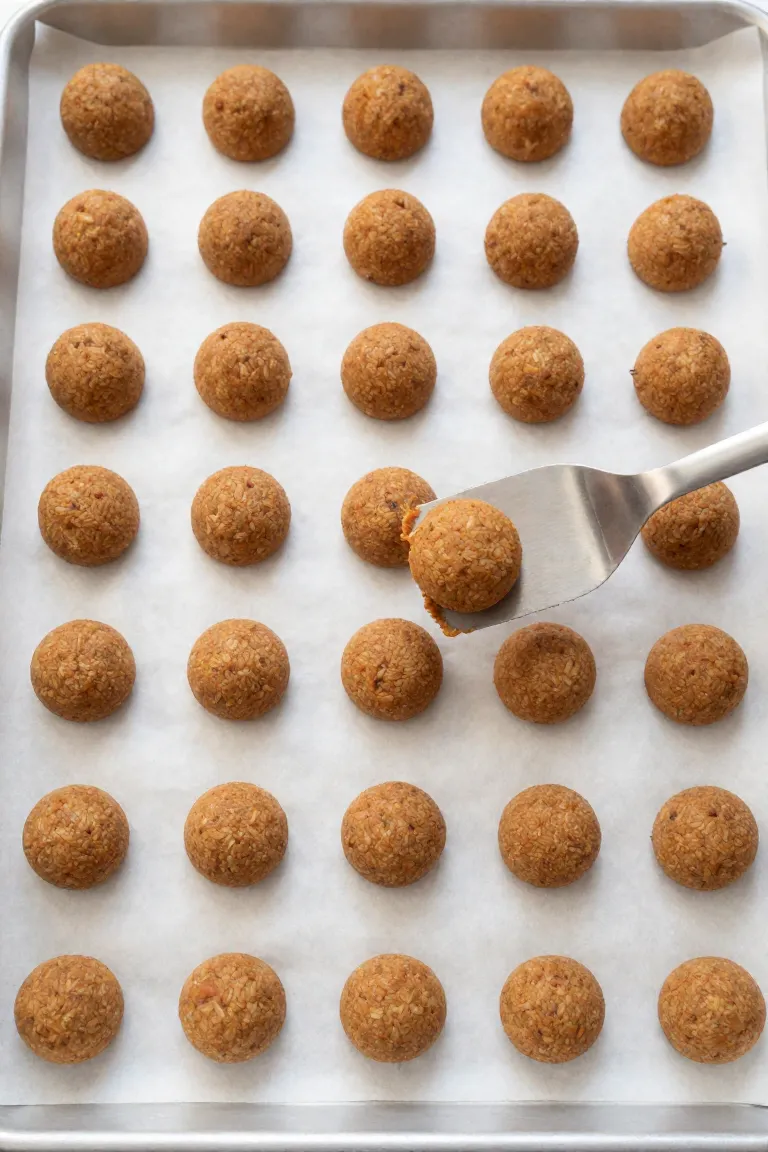
Even with a calibrated oven, cramming hundreds of tiny dough cutouts edge-to-edge disrupts essential moisture evaporation. When these small bites sit shoulder-to-shoulder on the tray, the dense cluster traps escaping moisture and creates a localized steam pocket across the pan. The morsels along the perimeter crisp up and brown rapidly, while the center treats remain gummy and primed for early spoilage. Leaving just a 1/4-inch gap between pieces lets dry heat circulate across every surface, so you don't end up sacrificing half the batch to burnt borders.

Storage and Usage Mistakes
Once those freshly baked morsels cool on the wire rack, how you handle them determines whether your batch stays safe or spoils before your next session. Homemade sweet potato snacks lack artificial preservatives, meaning lingering moisture will rapidly invite mold if you trap steam inside an airtight container or leave them on the counter too long. At the same time, dispensing these intensely aromatic bites as casual couch snacks degrades their psychological reward value, teaching your dog that top-tier treats don't require focus or compliance. Protecting both food safety and behavioral drive starts the moment you pull the sheet from the oven.
14. Storing Moist Treats at Room Temperature Too Long
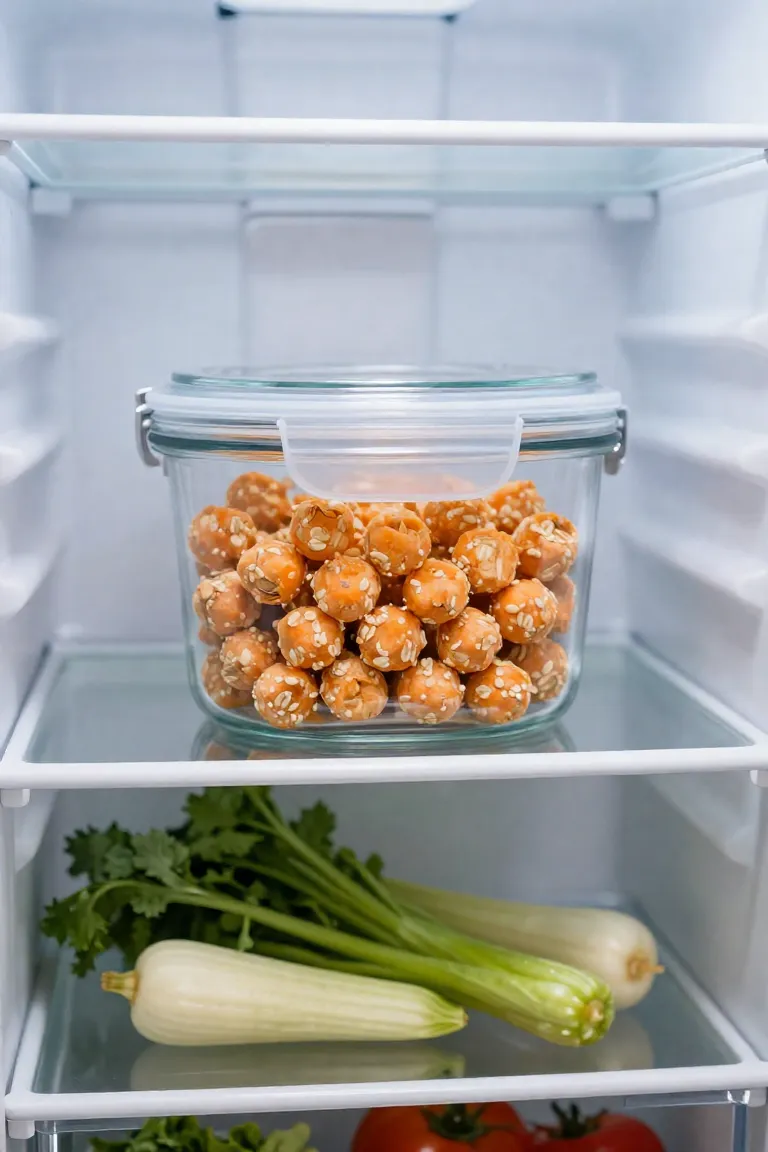
Freshly baked batches carry zero synthetic stabilizers or mold inhibitors, which means ambient moisture becomes an immediate hazard. Sealing soft sweet potato bites inside an airtight glass jar on the kitchen counter traps internal water activity, creating a prime breeding environment for fuzzy fungal spores within 48 to 72 hours. Even if the outer crust feels reasonably set to the touch, the dense vegetable core holds enough water to spoil rapidly in typical room warmth. You will want to let each piece cool completely on an open wire rack before shifting any short-term training portions straight into the refrigerator.
15. Freezing Large Batches Without Pre-Portioning
Tossing freshly baked rewards directly into a freezer bag while they retain any residual moisture creates a solid block of stuck-together bites. The trapped humidity binds individual morsels into a single frozen mass, forcing you to pry them apart with a butter knife or thaw the entire batch just to grab a dozen pieces. Repeated thawing and refreezing quickly degrades the aroma and texture of your sweet potato treats, turning firm rewards into soggy crumbs that fall apart in your pouch.
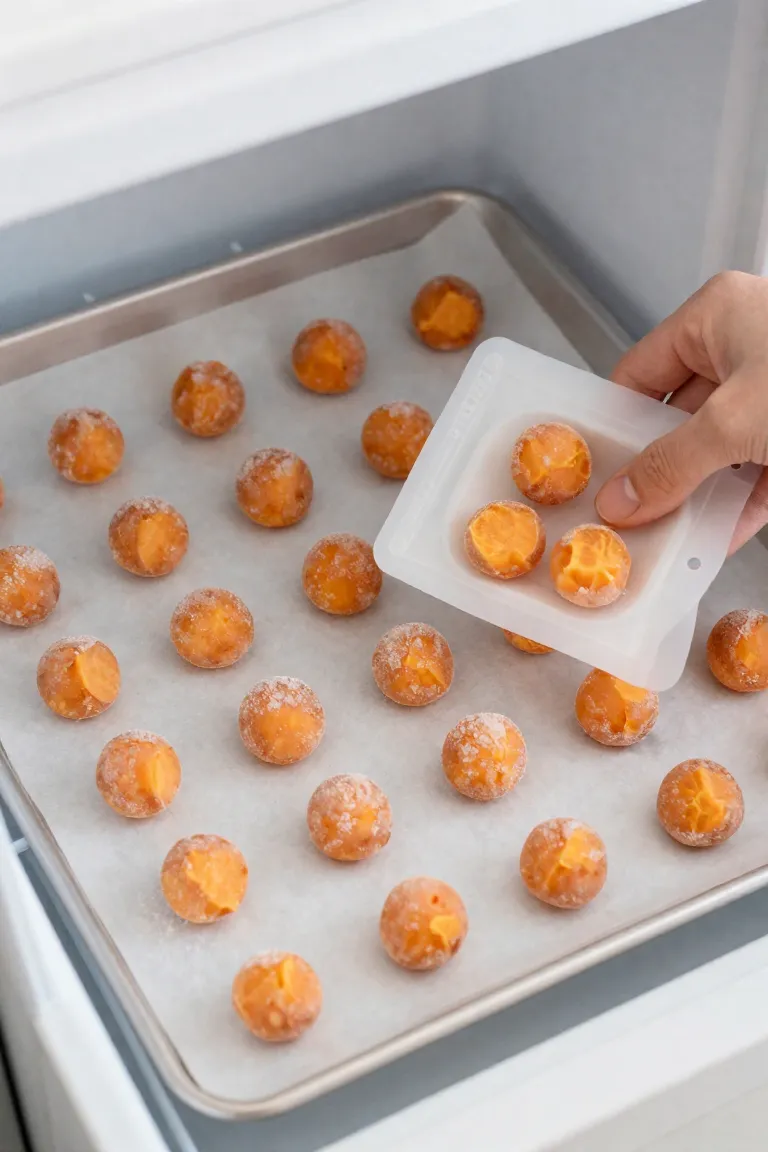
A flat baking sheet lined with parchment paper prevents this mess in about an hour. Arrange the cooled bites across the tray in a single layer without letting edges touch, and slip the sheet into the freezer until each piece turns solid. Once frozen individually, you can dump the entire collection into a freezer bag, making it easy to scoop out a loose handful for your daily training walk while the rest stays fresh.
16. Using High-Value Treats Too Frequently Outside of Training
Tossing a fresh baked cookie to your pup just for sitting politely by the kitchen counter quickly unravels their incentive during formal practice. Top-tier rewards function like jackpot currency, capturing intense focus when your dog faces heavy outdoor distractions or tackles complex cues. Giving these snacks away for free teaches your dog that prime rewards require zero effort, which instantly drains their drive when you ask for actual work.
In everyday routines, standard kibble or low-interest biscuits handle casual affection and basic praise just fine. Keeping these aromatic sweet potato snacks strictly tied to challenging exercises preserves their psychological punch, ensuring your dog snaps to attention the second you reach for the bait pouch.

17. Forgetting to Account for Treat Calories in Daily Diet
During a productive training session, you can easily deliver dozens of small rewards within fifteen minutes. While wholesome, both sweet potatoes and oats carry substantial carbohydrate density. Handing them out in rapid succession adds up much quicker than many owners realize, essentially turning an active reinforcement drill into an extra meal.
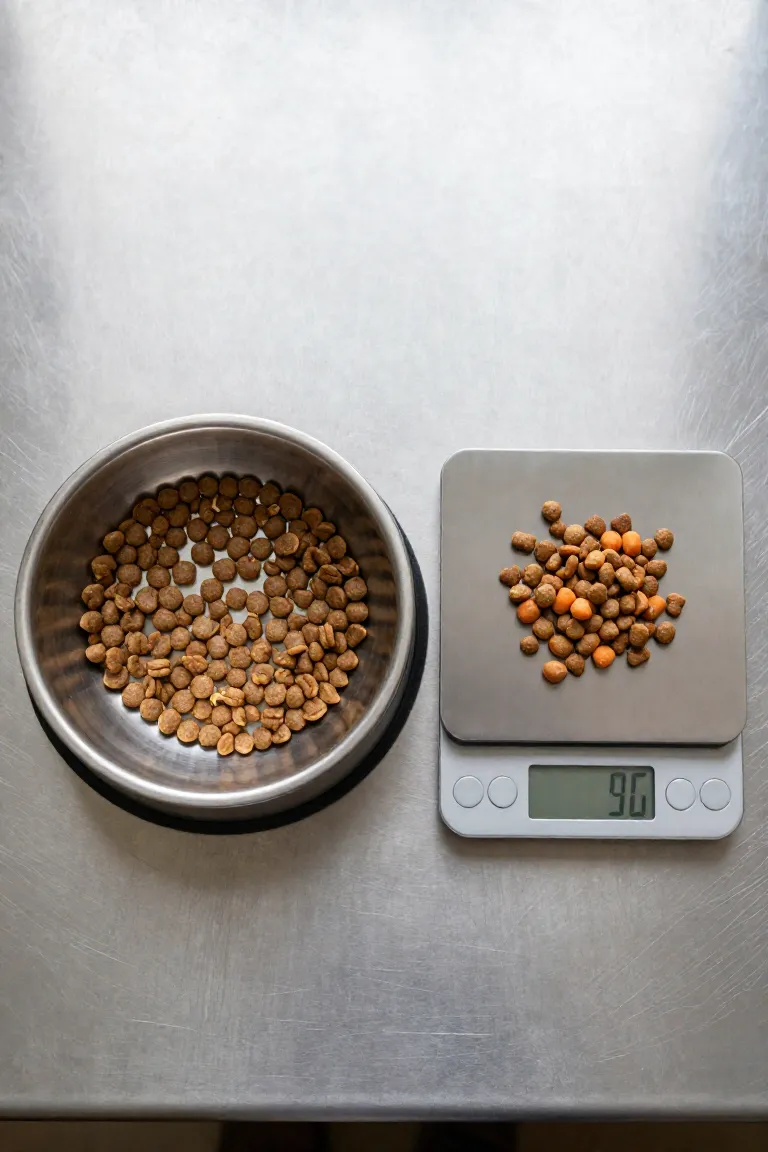
A routine adjustment to your dog's standard kibble portion prevents gradual weight gain and the long-term risk of canine obesity. On days filled with intensive repetitions, deduct an equivalent amount of dry food from their regular dinner bowl to keep overall daily energy balanced. This simple habit keeps your dog motivated for every repetition without compromising their physical conditioning.
Mastering the Art of Homemade Training Rewards
Precise moisture levels and uniform cutting transform simple kitchen prep into a dependable asset for daily obedience work. When you control the puree consistency and oven heat, your dog receives clean fuel that maintains focus during every drill.
- Puree pure root vegetables without added sweeteners, and grind rolled oats finely so each piece swallows quickly without gumming up the palate.
- Rest the dough before rolling it into thin sheets to prevent crumbling, then bake at a gentle heat until slightly firm yet tender enough to break apart easily.
- Divide cooling trays into weekly freezer portions, pulling out only what you need for each skill session to protect freshness and track calorie counts accurately.
- Treat each fresh baking session as an investment in clear communication, giving your companion wholesome incentives that reinforce cooperative habits.