Introduction: Why Baking for Sensitive Stomachs Requires Extra Care
Managing a dog with delicate digestion turns every snack into a cautious decision, especially when store-bought biscuits trigger sudden bouts of gas or loose stools. Baking a batch of sweet potato and oat cookies gives you direct control over every ingredient going into the bowl. This provides a gentle source of soluble fiber and sustained energy. Even wholesome staples can upset a fragile gut if they are handled incorrectly in the kitchen. Safe homemade treats require attention to several core steps:
- Selecting clean, canine-safe pantry staples that digest smoothly without irritating the intestinal lining.
- Adjusting baking temperatures and cooking times so dense starches break down fully.
- Handling cooling and kitchen storage properly to prevent moisture buildup and spoilage.
Ingredient Selection Mistakes
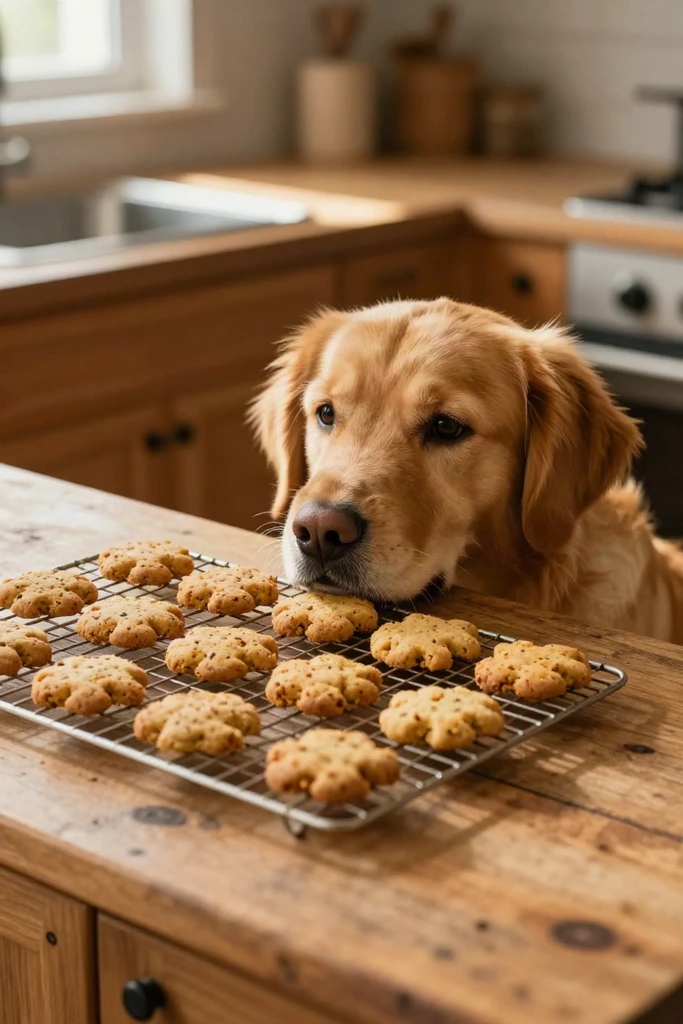
Even with accurate oven settings and careful handling, the digestive tolerance of a batch depends on what goes into the mixing bowl. Dogs with sensitive gastrointestinal tracts thrive on simple, easily digestible items. Every component you choose has an immediate effect on stool quality and tummy comfort. A seemingly harmless swap, such as grabbing an alternative binder or a pre-sweetened puree, can quickly introduce fermentable sugars or excess soluble fiber that irritates a dog's gut lining.
Clean home baking relies on single-ingredient staples without hidden fillers or artificial preservatives. Swapping one type of starch for another or using canned produce packed with additives risks triggering loose stools in a dog that needs gentle nourishment. Taking time to inspect labels and verify that each base element is clean keeps the final biscuits gentle on fragile digestive systems.
1. Using Raw or Undercooked Sweet Potatoes
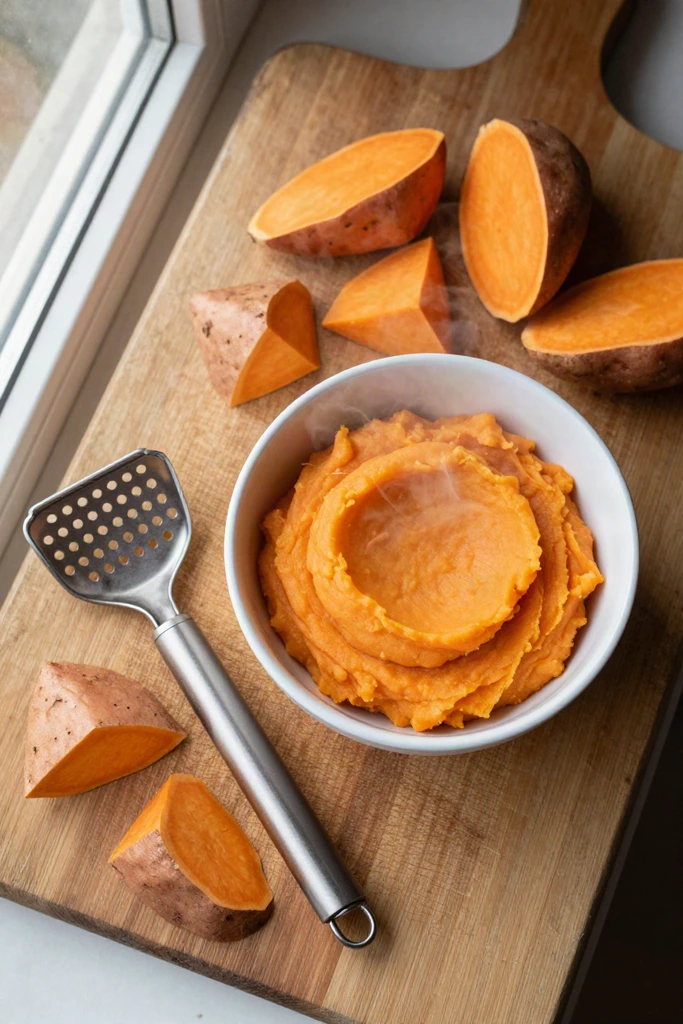
Tossing firm chunks straight from the cutting board into your mixing bowl introduces tough, fibrous starches that a canine digestive tract cannot break down. Uncooked root tubers contain heavy concentrations of resistant starch that ferments rapidly in the gut. This fermentation triggers sudden gas and painful cramping. Steaming or baking the orange flesh until soft throughout breaks down these complex starches, converting them into readily digestible carbohydrates. Mashing the cooked pieces into a completely smooth purée helps distribute moisture evenly across the dry grain base, ensuring no dense abrasive pockets irritate sensitive stomach linings.
2. Choosing the Wrong Type of Oats
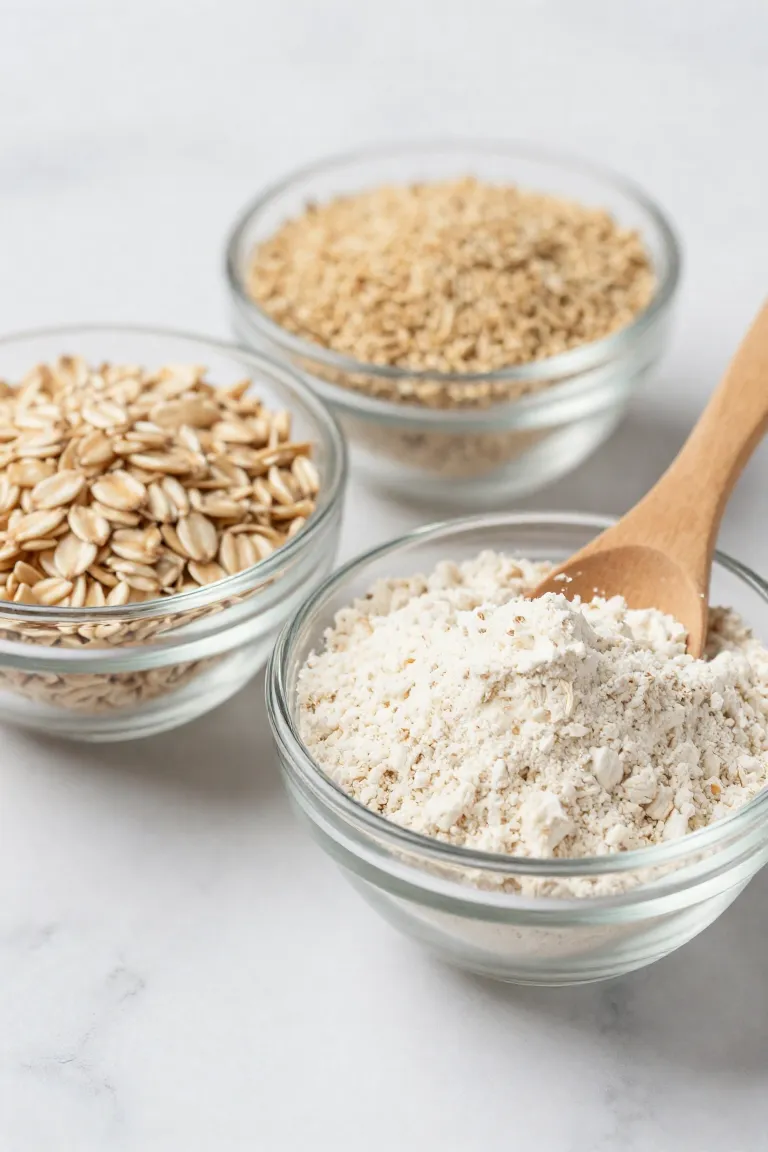
The dry grain base requires careful scrutiny because the milling process determines how easily your dog breaks the kernel down. Steel-cut groats undergo minimal processing and retain dense, sharp husk edges that pass through the gut largely intact. These sharp pieces can scrape an inflamed intestinal lining and trigger loose stool. Quick oats often collapse into a gummy texture when mixed, and many packaged varieties hide trace starches. Traditional rolled oats or finely ground oat flour provide a reliable alternative. Their flattened flakes absorb moisture evenly and soften thoroughly during baking, delivering soluble fiber that cushions delicate intestinal tracts.
3. Adding Sugars or Artificial Sweeteners
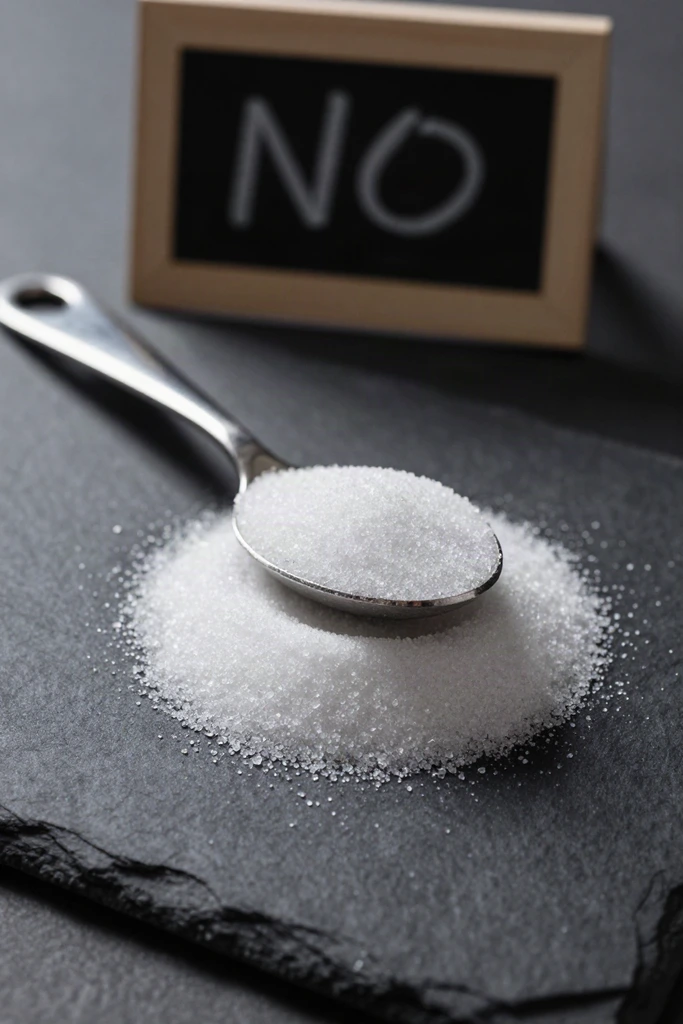
Cooked sweet potatoes provide ample natural flavor on their own, making pantry syrups or honey completely unnecessary for your pup. A dog's digestive tract processes simple carbohydrates very differently than a human's. Concentrated syrups ferment rapidly in the colon, creating a sudden sugar spike that draws excess fluid into the bowel. This rapidly leads to loose stools and stomach cramps.
Diet-friendly pantry alternatives introduce an even graver danger to the mixing bowl. You must strictly avoid xylitol, often labeled as birch sugar or wood alcohol, because a microscopic amount triggers a sudden insulin surge. This crash in blood glucose can cause acute liver failure. Checking every label on pre-packaged purées or flavor drops guarantees that the batch stays safe.
4. Including Dairy Products Unexpectedly
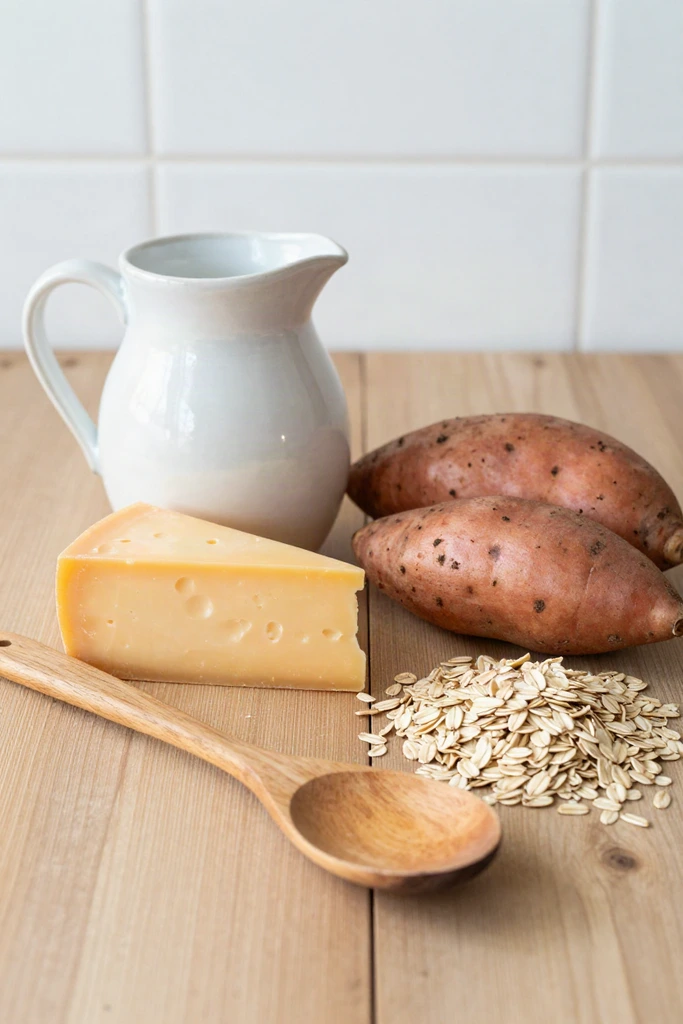
A splash of whole milk or a sprinkle of cheddar often seems like an easy fix when a dry mixture refuses to come together. Home bakers frequently rely on these familiar kitchen staples to add moisture, yet canine digestive systems process animal milks very poorly. Adult dogs produce minimal amounts of lactase, the internal enzyme necessary for breaking down milk sugars. This deficiency turns ordinary dairy additions into common gastrointestinal irritants.
In sensitive dogs, lactose intolerance frequently manifests as painful bloating and watery diarrhea within hours of a treat. The unabsorbed dairy sugars ferment rapidly in the colon, drawing excess water into the bowel and irritating delicate mucosal linings. Pure water or extra sweet potato mash provide all the binding moisture the dough requires without compromising fragile digestion.
5. Using Wheat Flour Instead of Oat Flour
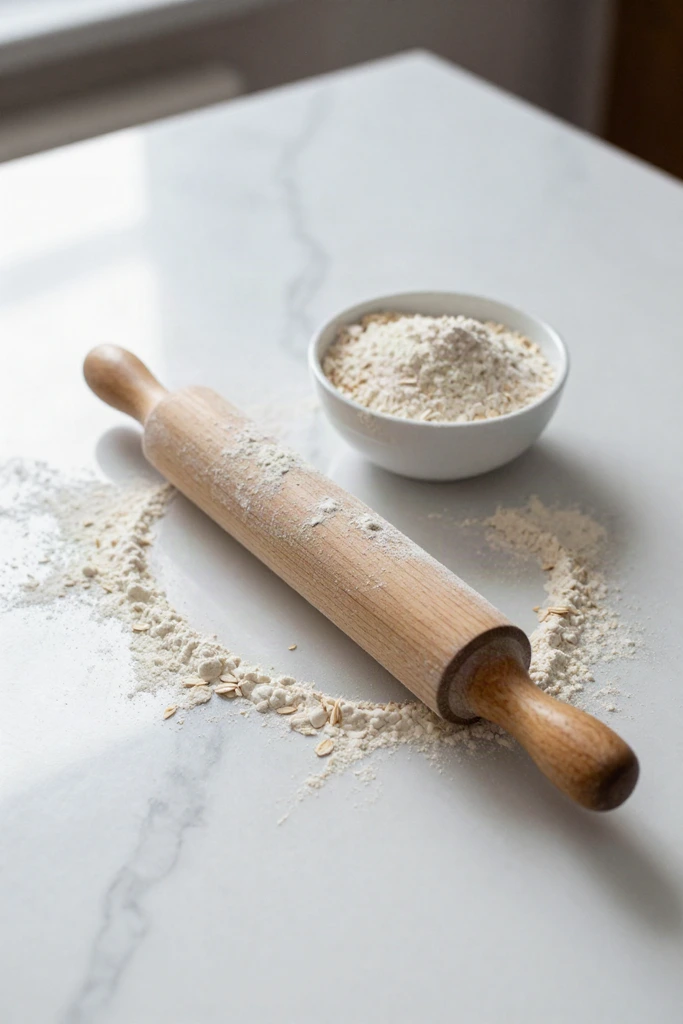
Once the moisture binds the mixture into a workable ball, a sticky countertop often prompts you to reach for conventional white flour. Dusting the board with standard all-purpose wheat flour introduces gluten proteins directly onto the exterior of each treat. For a dog with specific gastrointestinal sensitivities, even that light surface layer can cause bloating or itchy flare-ups. This completely undoes the care taken to source gentle ingredients.
Keeping a small bowl of finely ground rolled oats beside the prep station solves this issue. Lightly coating the rolling pin and cutting board with this single-ingredient alternative prevents the dough from clinging without introducing unwanted allergens into the snack.
Preparation and Mixing Errors
Bringing canine-safe ingredients together in the bowl requires calculated care. The way you hydrate and bind the mixture directly shapes the physical structure of each treat, dictating how smoothly a dog's stomach can break it down. When components blend unevenly, the resulting biscuits bake with inconsistent moisture pockets and dense core patches that challenge a sensitive stomach. Achieving uniform dough density ensures every portion bakes evenly from edge to center, yielding a crisp texture that sits comfortably in the digestive tract.
6. Over-Mixing the Dough
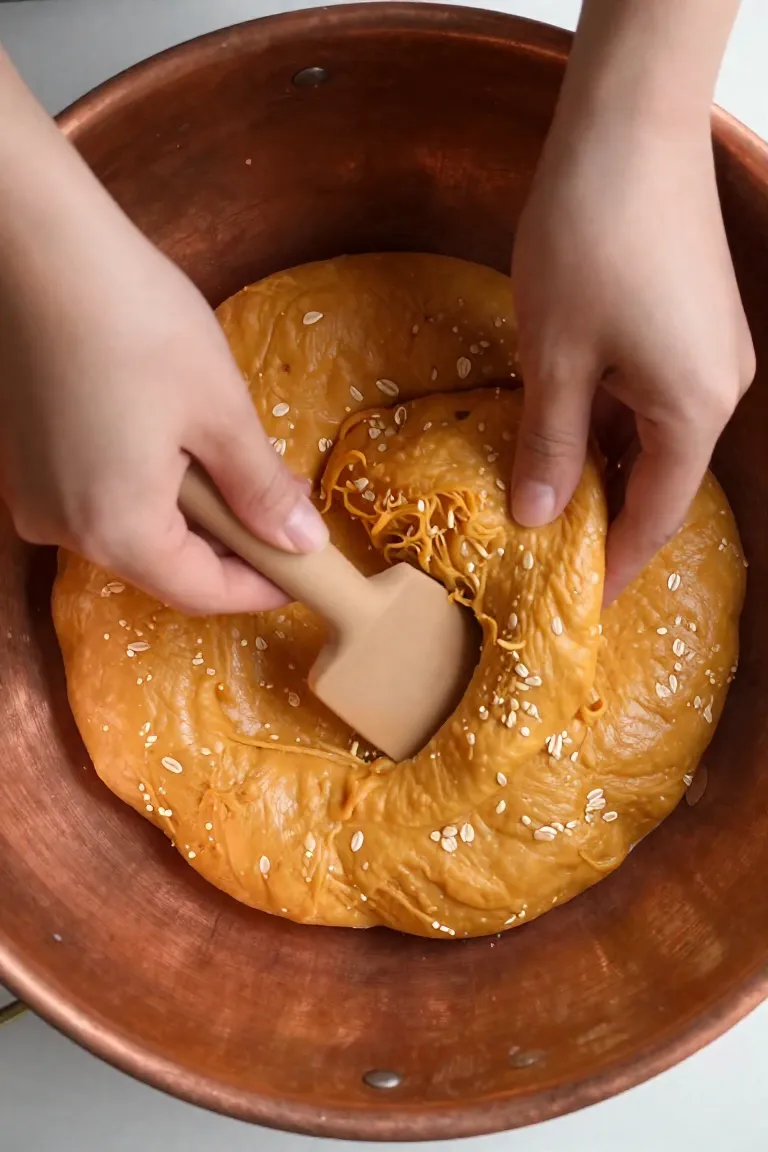
Working the mixture past the point of cohesion compresses the oat particles and releases extra starches, turning a tender biscuit into a hard puck. When baked into these dense slabs, the biscuits resist mechanical chewing and sit heavy in the stomach. A canine digestive system relies on swift enzymatic breakdown. Tightly compacted baked goods take far longer to disintegrate, frequently triggering uncomfortable bloating or mild indigestion. Stirring just until the wet sweet potato mash absorbs the dry grains keeps the internal crumb airy, allowing digestive juices to penetrate each bite without delay.
7. Leaving Large Oat Clumps Unblended
Failing to distribute the purée evenly creates isolated pockets of raw flakes. Dry clusters miss out on ambient moisture during the bake, remaining chalky and dense inside the finished biscuit. Once a dog swallows these dehydrated pockets, the dry grains rapidly absorb digestive fluids from the stomach lining to hydrate themselves. This fluid draw frequently triggers sudden cramping or loose stools.
A thorough scrape of the mixing bowl ensures every dry particle absorbs enough sweet potato moisture to soften completely under heat. When hydration distributes evenly across the entire batch, the starches break down uniformly in the oven, creating a gentle bite that dissolves without demanding extra work from a sensitive tummy.
8. Not Letting the Dough Rest
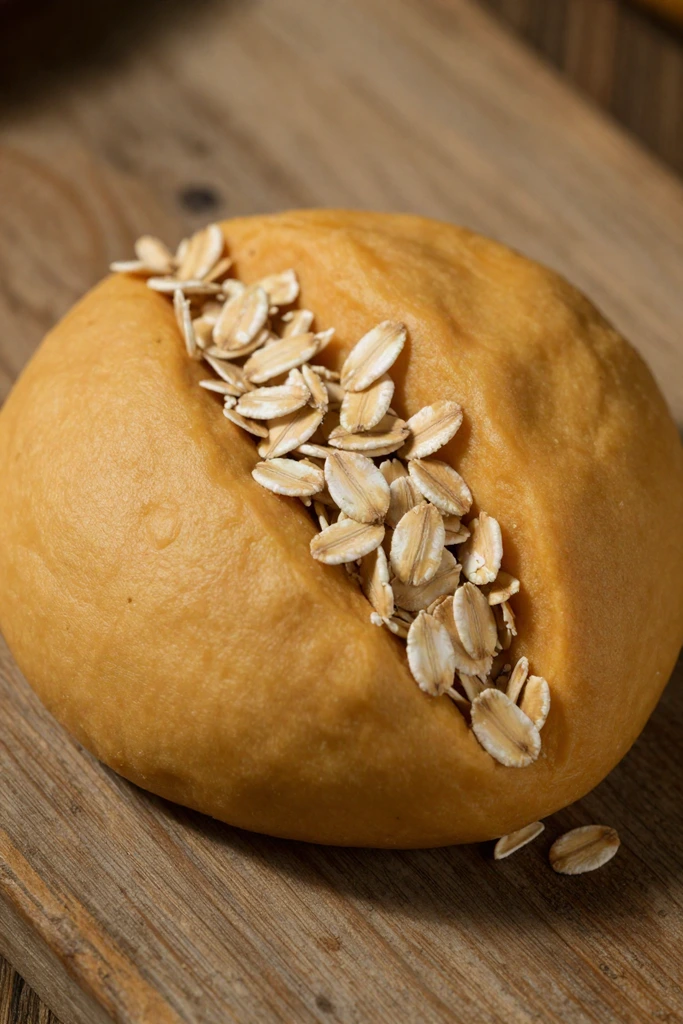
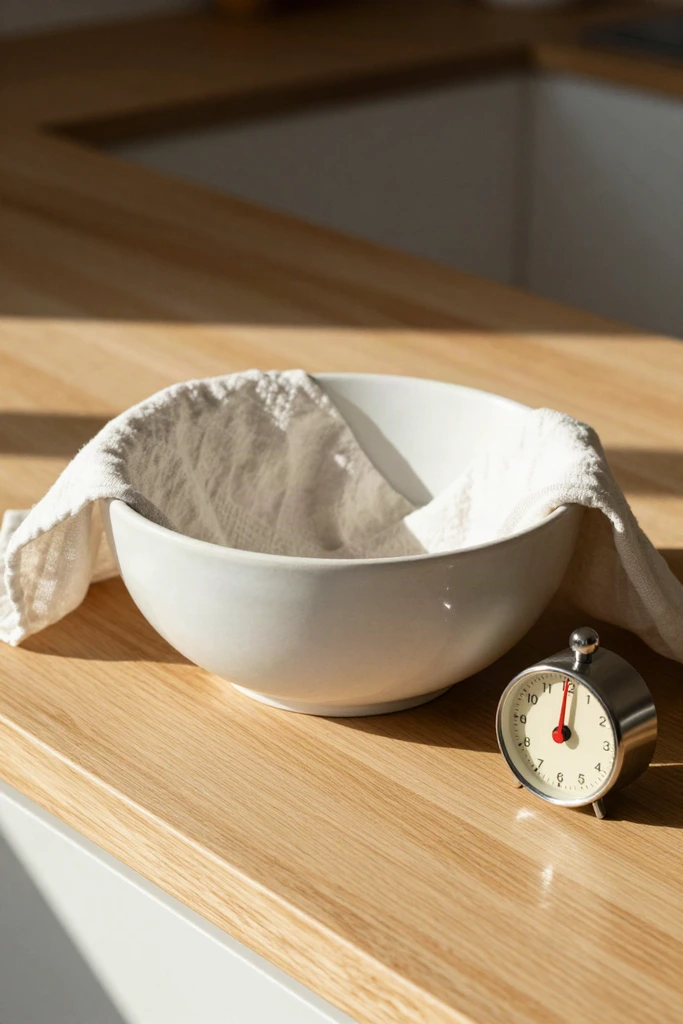
A brief 10 to 15-minute pause after mixing gives the dry oats enough time to draw moisture directly from the sweet potato puree. Unhydrated oat flour stays gritty and pulls liquid away from the gut during digestion, triggering loose stools in dogs with fragile gastrointestinal tracts. Allowing this short hydration window lets the soluble fibers swell and soften. This rested dough becomes much easier to flatten into uniform shapes while helping the stomach break down the complex starches with minimal digestive effort.
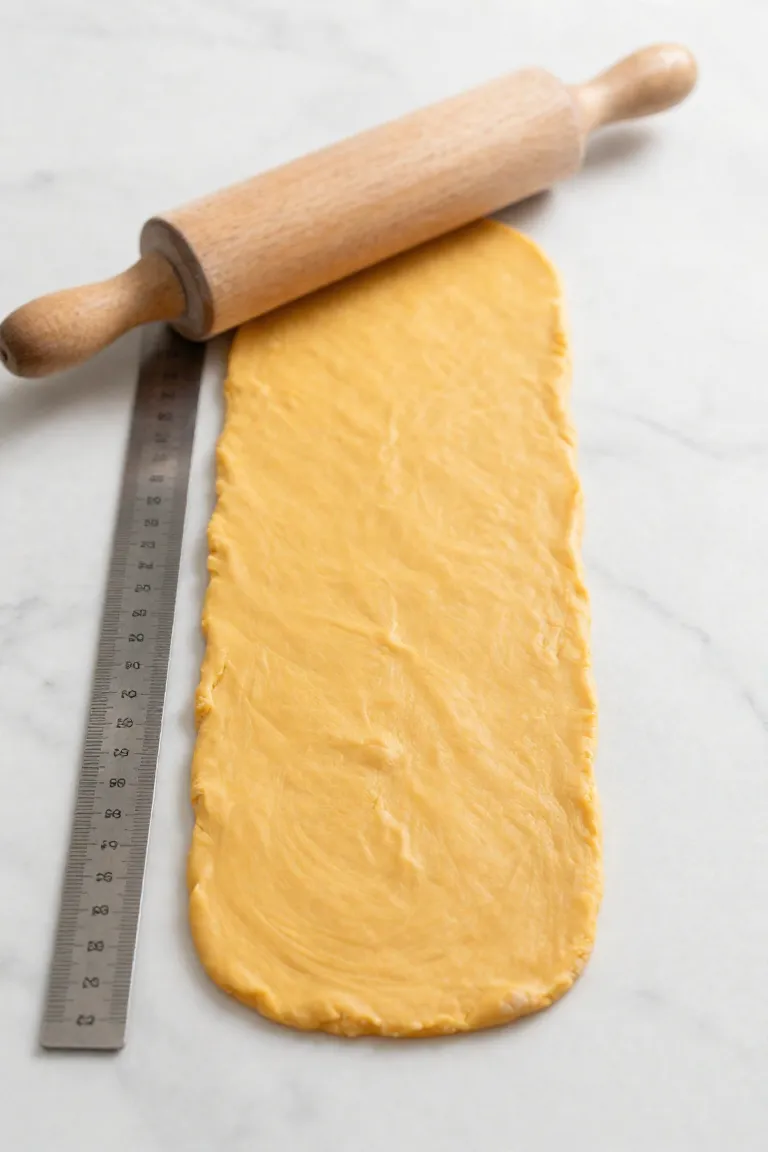
9. Rolling the Dough Too Thick
Aiming for an even quarter-inch slab ensures moisture escapes steadily across every piece during the bake. Leaving the dough too thick creates a deceptive crust that looks done on the outside while trapping a dense raw core, introducing several problems for a fragile stomach:
- Uncooked starch centers resist normal enzyme breakdown, frequently causing abdominal cramping or sudden diarrhea.
- Trapped interior moisture fosters microbial growth over time, turning a batch hazardous before visible spoilage appears.
- Chewy middles fail to dry out into the crisp texture that sensitive canine digestions handle best.
10. Using Chemical Leavening Agents
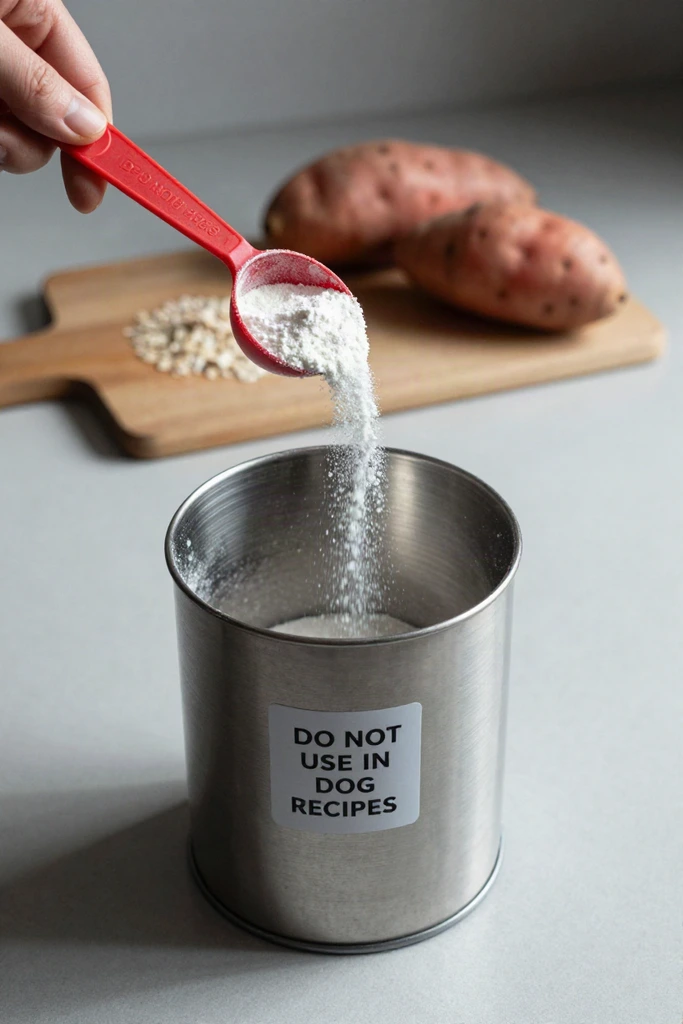
A crisp texture comes naturally from steady oven heat, meaning you can safely leave baking powder and baking soda in the pantry. Canine palates never require the airy crumb of human pastry, and adding these alkaline powders creates unnecessary friction in a sensitive stomach. When unreacted sodium bicarbonate hits gastric acid, it releases excess carbon dioxide gas that triggers painful bloating and digestive distress in dogs prone to gastrointestinal upset. Keeping the ingredient list down to pure sweet potato mash and finely ground oats keeps the biscuits dry and gentle on the gut without unpredictable pH shifts.
Baking and Cooling Blunders
Baking stomach-friendly biscuits requires steady moisture evaporation rather than rapid browning. Managing both heat exposure and resting airflow ensures the dog receives a crisp snack that breaks down smoothly without harboring hidden dampness.
- Steady heat settings draw out internal water content gradually so the starch sets without scorching the exterior.
- Thorough moisture removal prevents gummy centers that irritate sensitive bellies and lead to mold development.
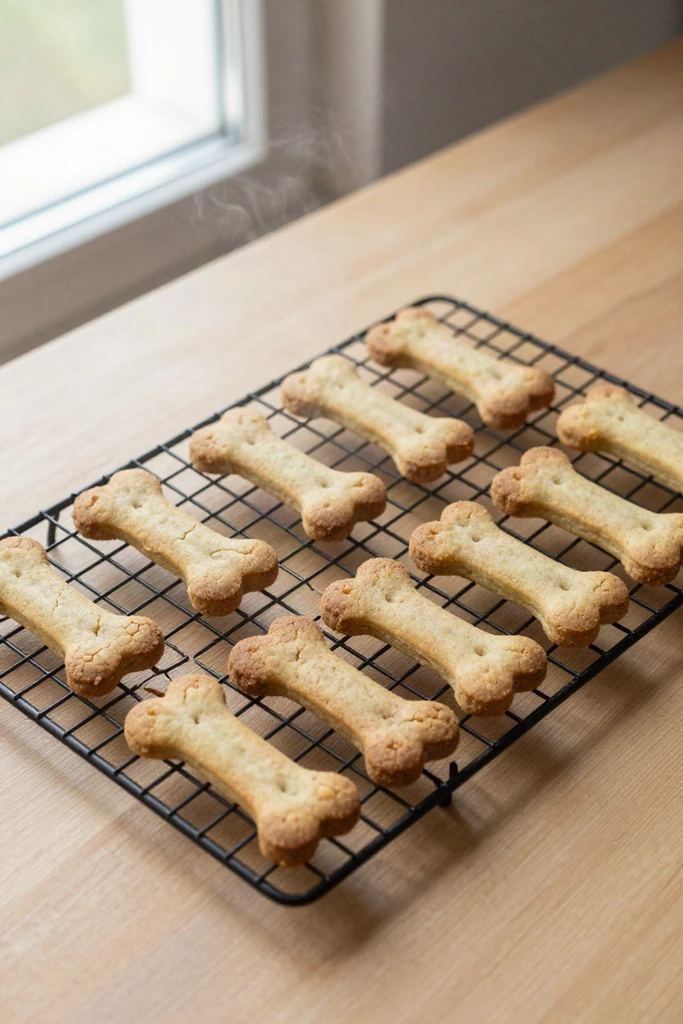
- Unrestricted airflow on a wire rack lets remaining steam escape completely so the texture dries evenly from crust to core.
11. Baking at Too High a Temperature
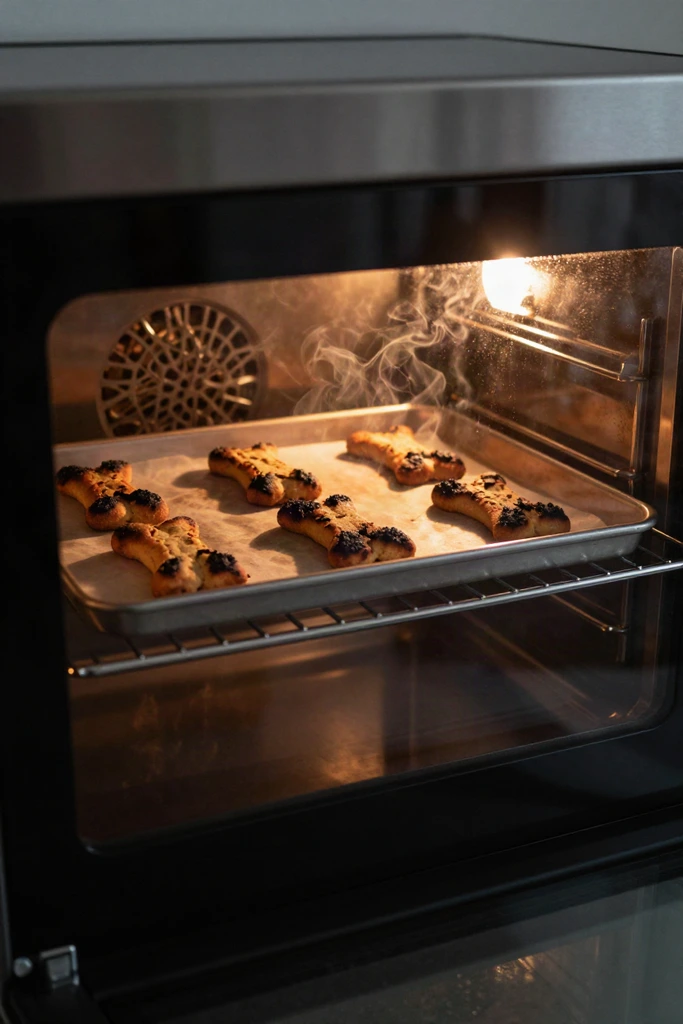
Excessive oven heat browns the exterior of dense oat dough long before warmth penetrates the center, creating brittle rims around a gummy core. Charred crusts introduce irritating carbonized particles that inflame a fragile stomach lining, prompting discomfort or sudden nausea. Dense unbaked starches trapped in the middle trigger significant digestive lag and intestinal fermentation, leading to bloating and loose stools. Maintaining a steady, moderate oven setting allows moisture to evaporate evenly so the biscuit firms up safely without scorching.
12. Underbaking to Keep Them 'Soft'
Many pet parents shorten the timer to achieve a tender texture, assuming softer snacks are gentler on delicate bellies. Trapped residual water inside a dense oat and sweet potato mixture quickly turns into an unseen hazard. Even faint amounts of internal moisture can foster rapid mold growth before visible fuzz appears, triggering severe gastric irritation and diarrhea in sensitive pups.
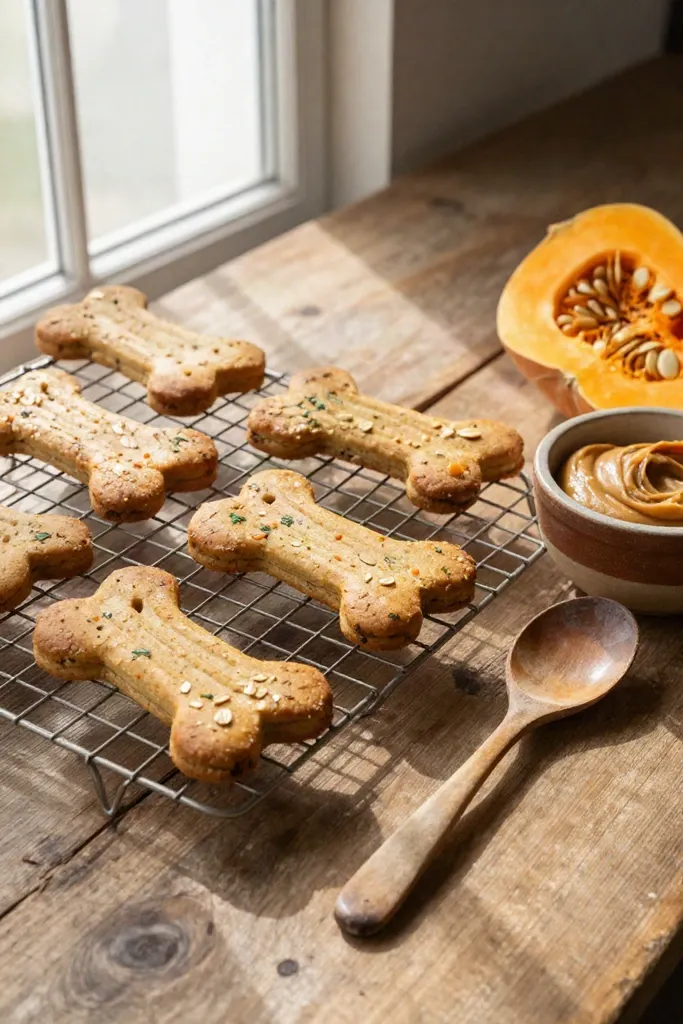
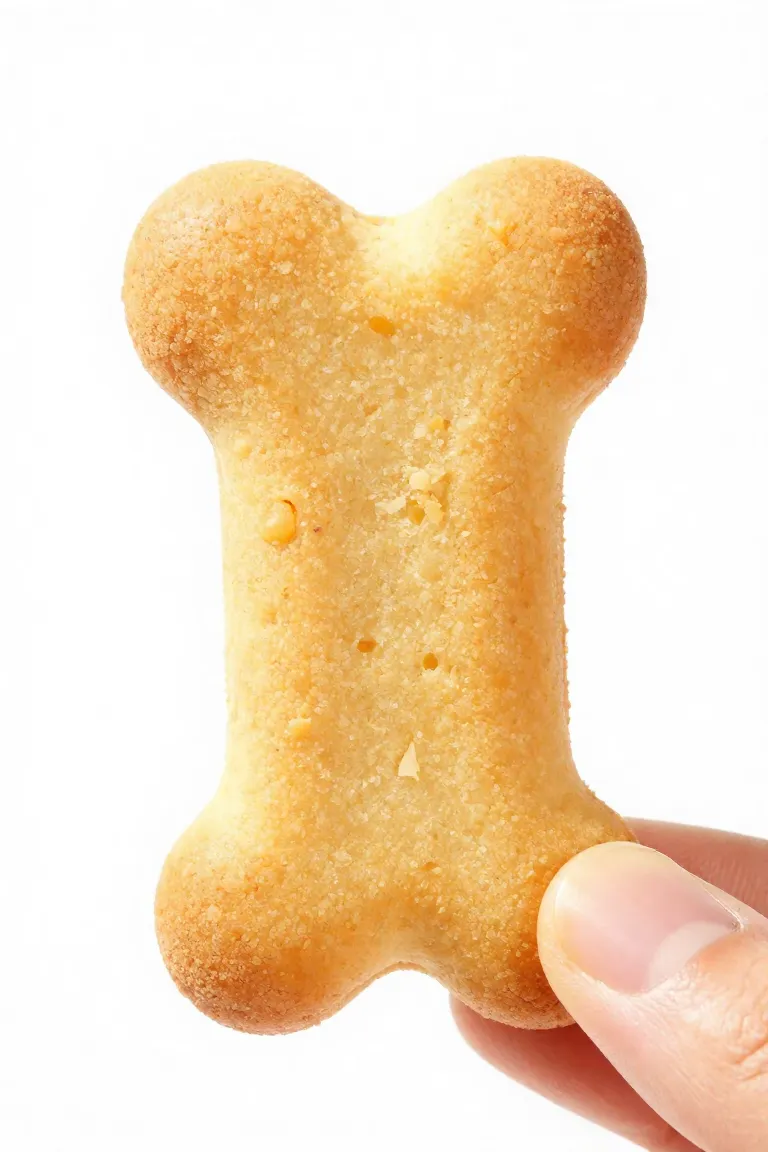
A crisp, thoroughly dried biscuit offers direct practical benefits. Complete moisture removal ensures shelf stability without chemical preservatives, while the firm exterior gently scrapes plaque from tooth enamel during chewing. Giving the oven enough time to draw out every pocket of steam yields a sturdy treat that protects the digestive tract and holds a solid crunch.
13. Skipping the Cooling Rack
Leaving the baked biscuits directly on the flat pan after pulling them from the oven traps residual heat against the solid metal. This hot vapor has nowhere to escape and condenses into moisture, soaking straight back into the undersides of the treats. This process turns crisp bases into damp, gummy layers.
Moisture pockets along the bottom create an ideal breeding ground for harmful bacteria and mold to multiply within days. Ingesting spoiled or damp treats can trigger sudden bouts of severe vomiting and abdominal cramping in dogs with fragile digestive systems. Moving the batch immediately onto a raised wire grid allows continuous airflow underneath, sweeping away humidity so every biscuit stays completely dry.
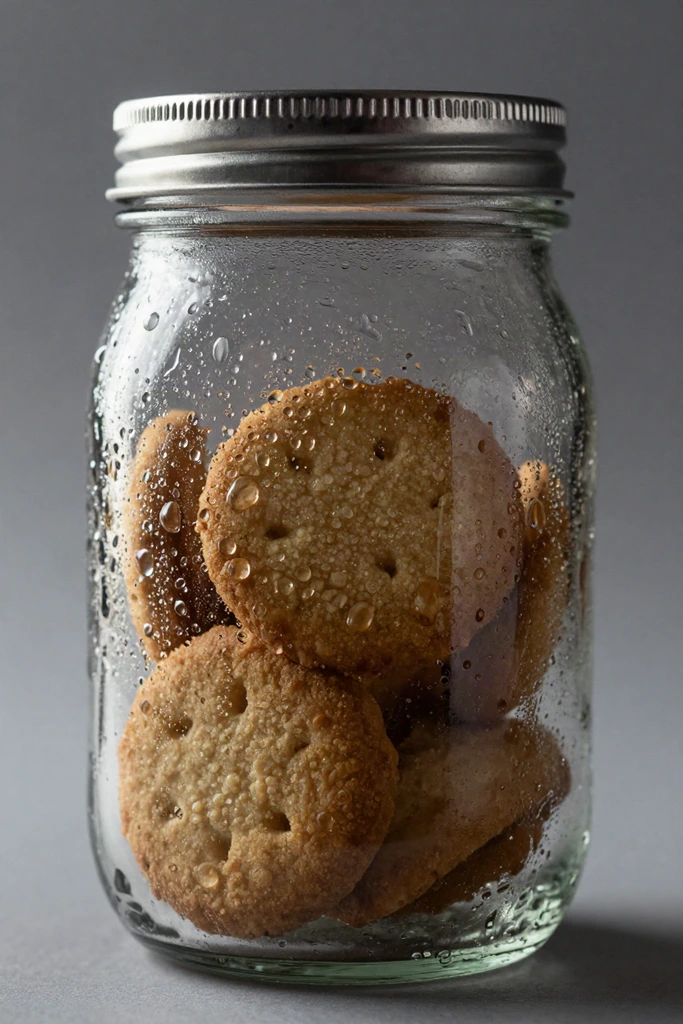
14. Packaging Treats While Still Warm
Trapping even a faint hint of residual heat inside an airtight jar or zip-top bag introduces condensation as the thermal energy meets cooler ambient air. Beads of moisture form along the container walls and soak back into the biscuits. This lingering humidity transforms a batch of crunchy rewards into a breeding ground for invisible mold spores, exposing the dog's delicate digestive tract to dangerous mycotoxins.
- Moisture buildup happens within minutes of sealing, softening the dry crust and accelerating fungal growth throughout the batch.
- Mycotoxins produced by hidden molds can trigger severe vomiting and acute intestinal inflammation in sensitive pets.
- Checking the thickest piece in the batch ensures the core is completely cold to the touch before any lid snaps shut.
Storage and Serving Missteps
Handling shelf life and portion sizes properly serves as the primary defense against unexpected digestive trouble after the baking process ends. Fresh oat and sweet potato snacks carry zero artificial stabilizers. An otherwise clean recipe can quickly trigger loose stools or sour stomachs if daily feeding counts or container environments are mismanaged. Common missteps include:
- Keeping high-moisture bakes in room-temperature pantries where unseen mold spores develop within days.
- Handing out several biscuits on day one before the dog's intestinal flora adapts to the fiber density.
- Allowing rich treat calories to crowd out complete meals and overload sensitive pancreatic enzymes.
15. Storing at Room Temperature for Too Long
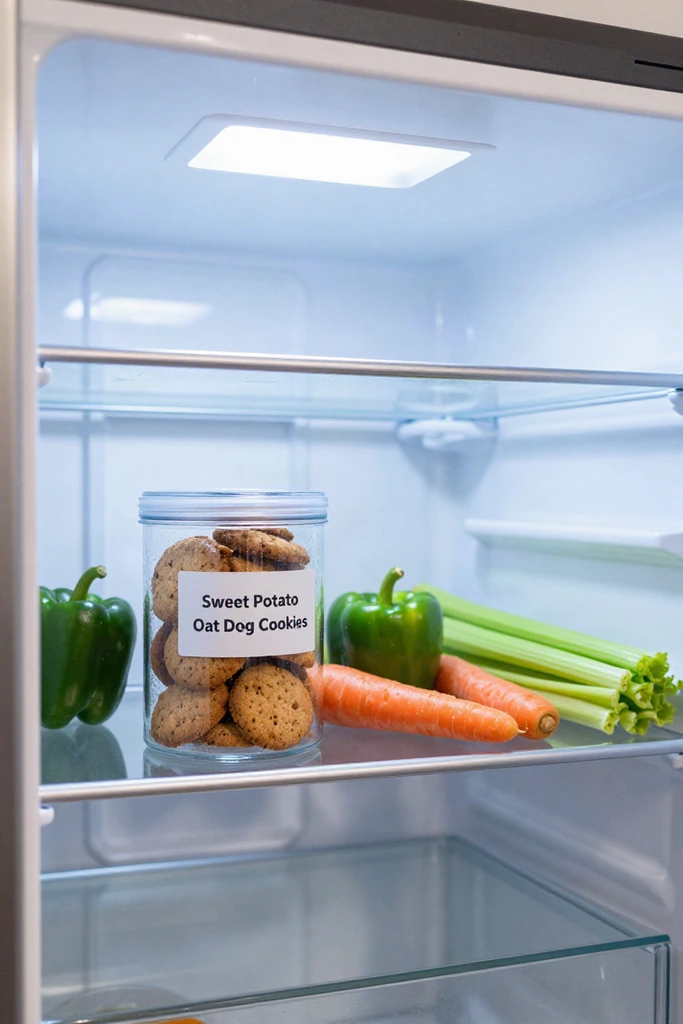
Glass treat jars look convenient on the counter, but whole sweet potatoes retain internal moisture that standard store-bought biscuits lack. Without chemical shelf-life extenders, this natural hydration invites bacterial colonies and mold growth after just a few days on the countertop. Storing the weekly portion inside an airtight glass container in the refrigerator keeps the snacks safe for the digestive tract.
For bigger batches, freezer storage protects the delicate oils in the oats from turning rancid over several months. A simple baking sheet lets you freeze the extra biscuits individually before transferring them into zip-top bags. This method allows you to thaw single pieces at mealtime without risking an unsettled stomach.
16. Introducing the New Treats Too Quickly
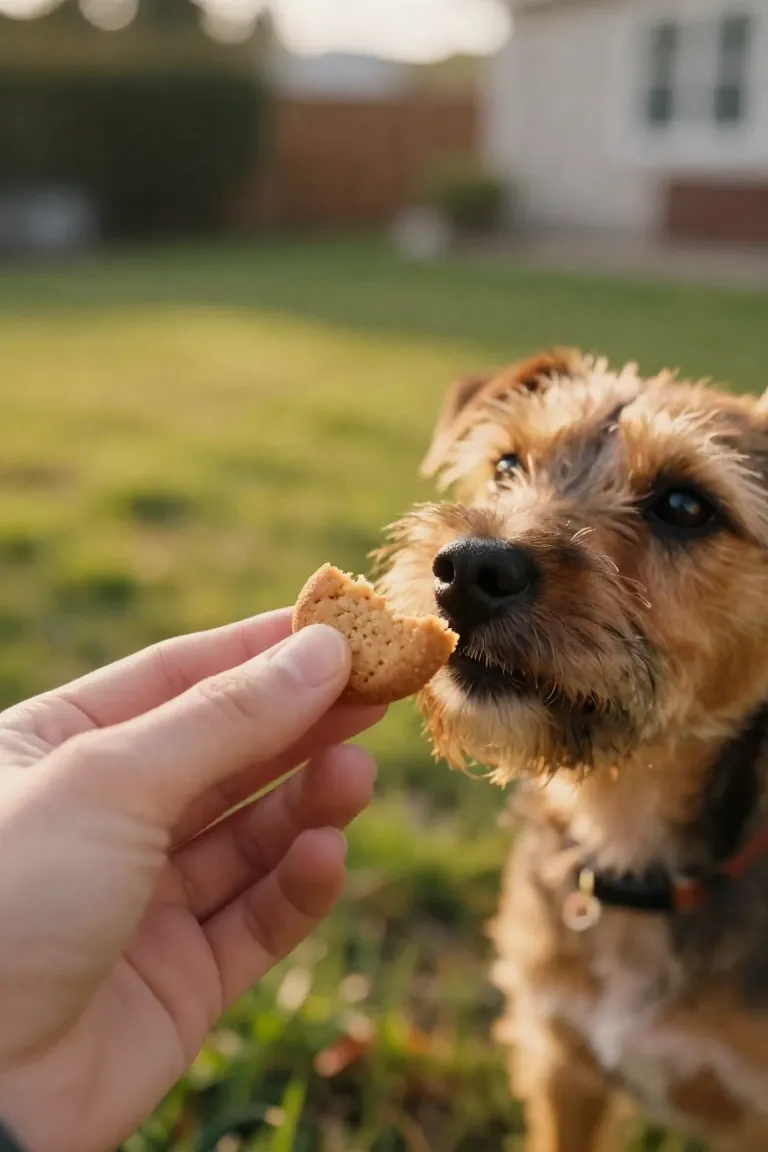
Freshly baked dog snacks smell appealing, but any new dietary addition can upset a sensitive canine gut if introduced too rapidly. Even when a recipe relies on wholesome sweet potatoes and plain oats, the novel starch profile and extra fiber require time for the digestive enzymes to adapt. Handing over three or four cookies on the very first afternoon often shocks the digestive tract, leading to stomach rumbling or loose stools.
A cautious tasting schedule keeps the belly calm and helps identify individual ingredient sensitivities early. Break a single biscuit into pea-sized bits and offer just one tiny crumb alongside the regular morning meal, monitoring stool consistency over the next twenty-four hours. Slowly increasing the portion only after confirming the system handles the small sample prevents sudden stomach irritation.
17. Ignoring the Overall Daily Caloric Intake
Even when a dog handles wholesome ingredients without any immediate upset, portion creep happens quickly during daily training. Dense sweet potato and oat biscuits pack concentrated energy. Extra pieces can quietly overload a sensitive digestive tract with surplus fiber and cause gradual weight gain.
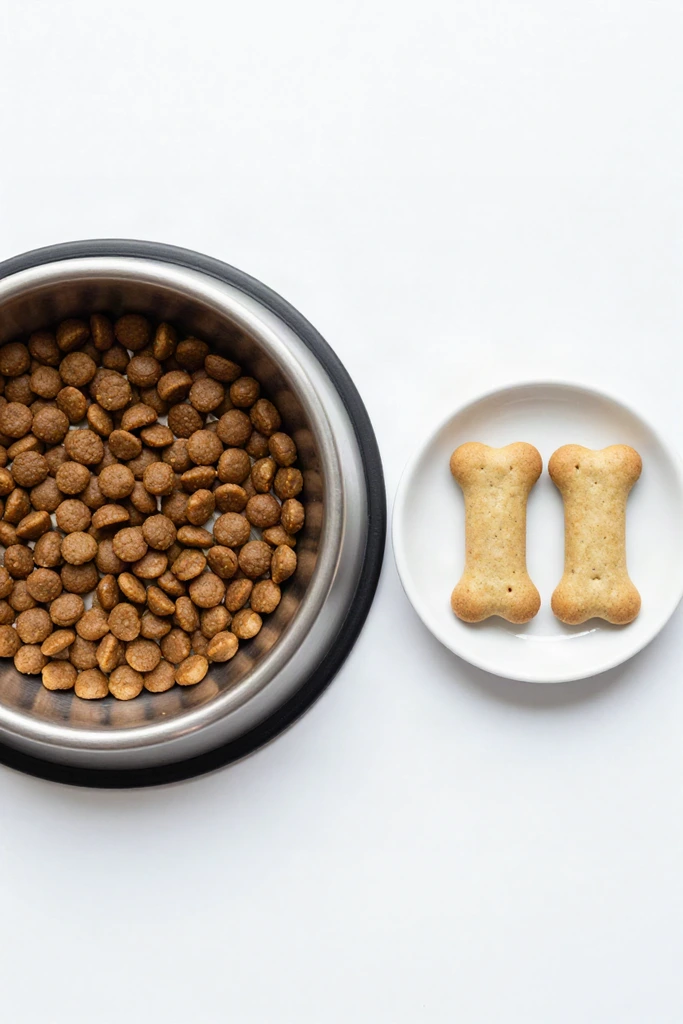
- Budget snacks around the standard 10% rule, ensuring all biscuits and training chews combined never exceed a tenth of the total daily calories.
- Deduct the energy provided by homemade rewards directly from the primary meal kibble to prevent surplus calories from accumulating.
- Break whole baked biscuits into pea-sized crumbs to reward frequently throughout the day without stressing the stomach.
Conclusion: Baking with Confidence for Your Best Friend
Steering clear of these seventeen kitchen missteps ensures your homemade sweet potato oat biscuits remain crisp and gentle on digestion. Managing the baking process carefully provides complete control over every single wholesome ingredient in the mix, eliminating the risk of hidden fillers or artificial additives. Adjust the moisture balance properly during each batch, and pin these guidelines to your favorite pet board to keep a safe, stomach-friendly reference ready for the next baking session.