The Power of High-Value Training Treats
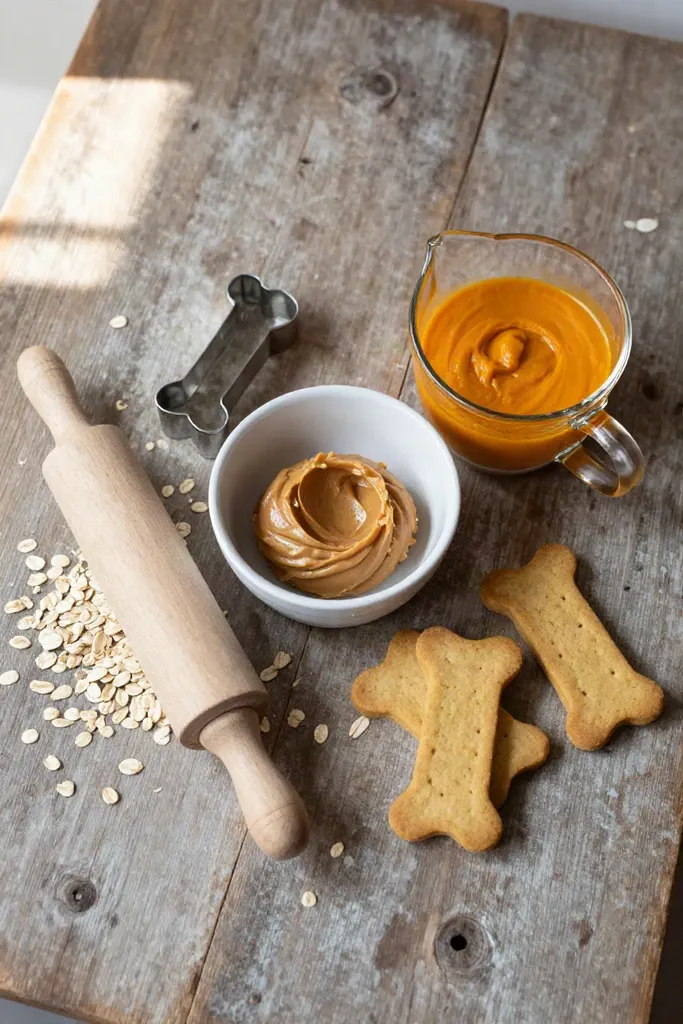
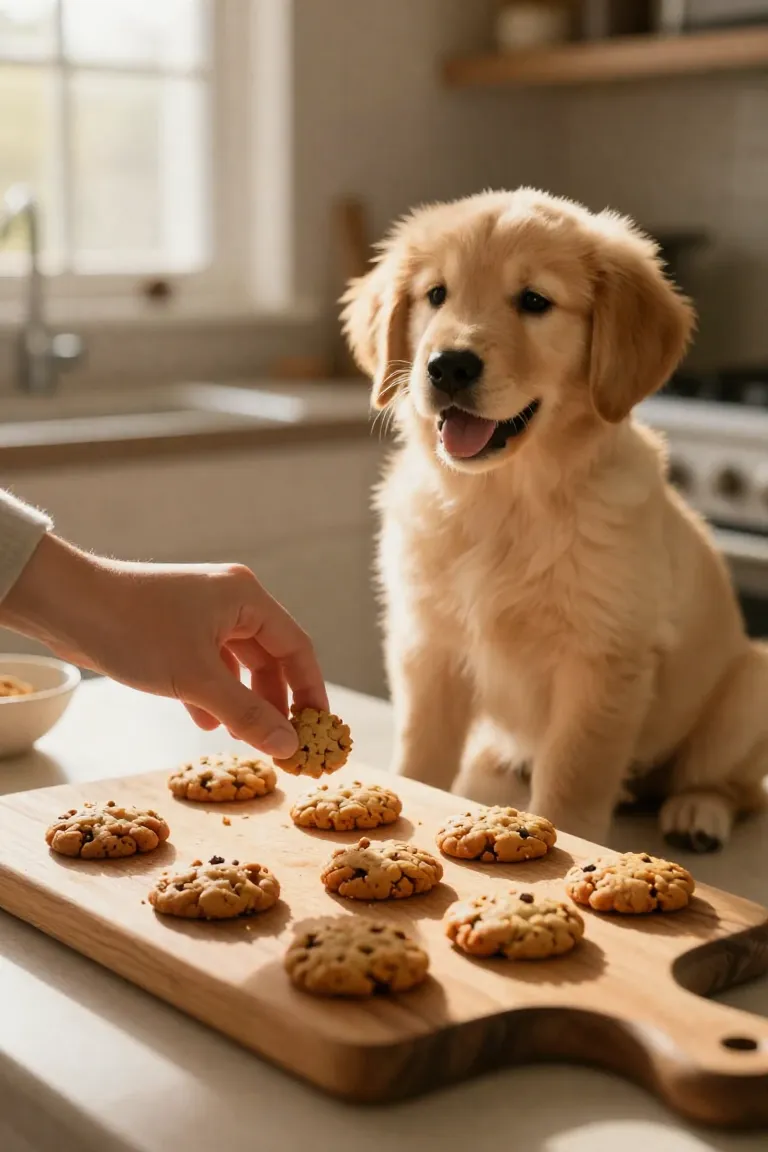
Every dog calculates whether an offered incentive justifies their full attention, especially when competing against distracting environments. Premium rewards cut through that mental hesitation by offering a distinct aroma and rich taste your dog rarely encounters during regular mealtimes. Homemade sweet potato and oat cookies hit this mark cleanly because they combine natural starch sweetness with gentle dietary fiber that supports sensitive canine digestion. When you prepare them at home, you control the consistency and can roll the dough into pea-sized morsels before baking. This petite sizing lets you deliver dozens of rapid reinforcement repetitions during a single drill session without blowing your dog's daily caloric budget or causing stomach upset. You build the exact momentum you need before moving into everyday routines.
Morning Routine & Basic Commands
Waking up with an eager dog gives you an immediate window of sharp attention before household activity picks up. When your dog is naturally hungry and anticipating food, brief engagement sessions tap directly into that biological motivation. You don't need dedicated hour-long drills; spending just a few minutes working through foundational cues teaches your pup that calm cooperation unlocks the best rewards.
In these quiet early hours, keeping small treats handy allows you to guide your dog through wake-up interactions without frustration. High-value pieces used for micro-training rewards keep your dog mentally satisfied and prevent frantic pacing before the rest of your schedule begins.

1. The 'Sit' and 'Stay' Breakfast Primer
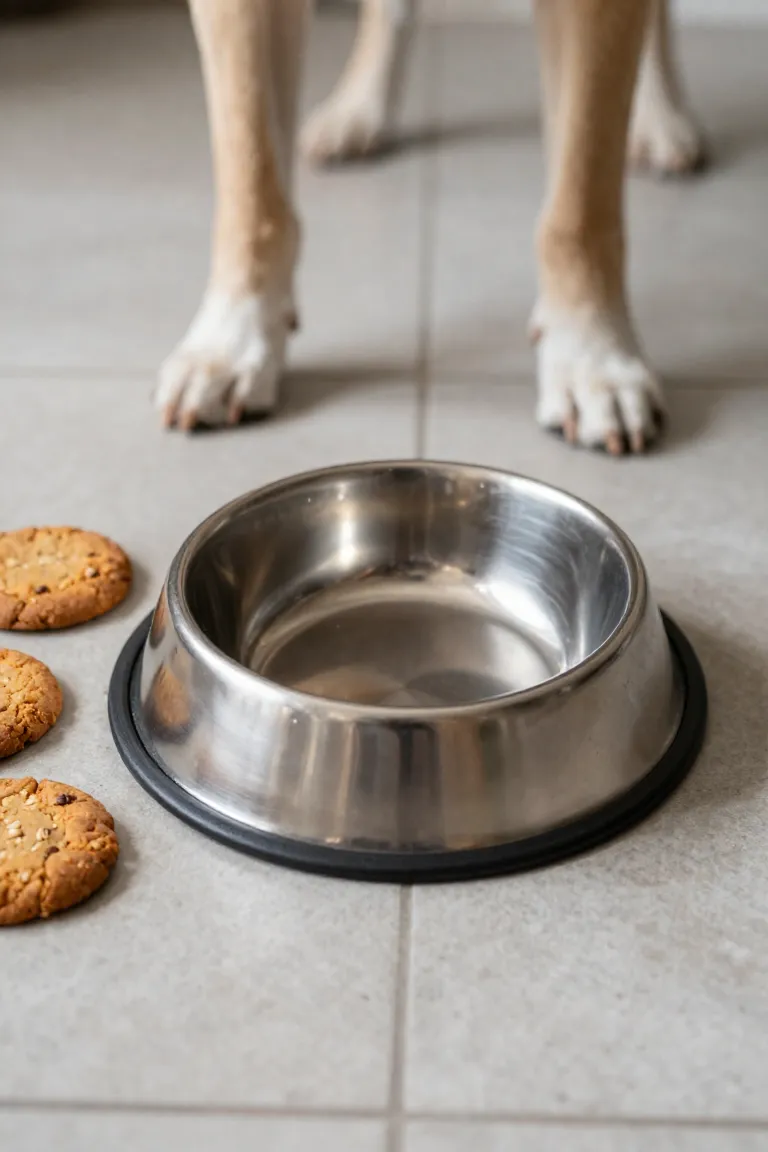
Mealtime creates an immediate window to practice impulse control when your dog's motivation runs highest. Holding a small, fragrant reward in your palm while managing the food dish shifts their focus from frantic bowl-rushing toward calm focus on your cues.
- Ask for a grounded position several paces away from the feeding spot, marking prompt compliance with a soft treat.
- Lower the food dish in steady increments, pausing your motion if their paws slide forward or their weight shifts.
- Deliver a final reward directly to their mouth while they hold position, followed by a clear verbal release marker to free them toward the bowl.
2. Doorway Manners and Leash Attachment
Crossing the threshold calmly sets the emotional baseline for your entire outdoor outing, replacing frantic boundary pacing with deliberate stillness. Holding a crisp sweet potato cookie ready in your palm gives your dog an aromatic anchor, redirecting their focus straight toward you instead of lunging toward the exterior handle.
- Ask for a stationary settle two paces back from the threshold rather than directly against the entry frame.
- Lower the gear slowly toward the collar ring, freezing your motion if their hindquarters lift off the floor.
- Fasten the hardware cleanly with one hand while feeding small broken pieces of the sweet potato cookie directly to their mouth.
- Wait for steady eye contact before turning the lock, reinforcing patient focus instead of anticipatory rushing.

3. Crate Introduction for the Day
A quick toss of pea-sized tidbits toward the back corner turns departures into an engaging forage rather than an anxious separation. Keep the wire gate unlatched for the initial round so your dog steps inside purely on their own terms, sniffing out the scent against the bedding without feeling trapped. Once they eagerly trot in, drop another tiny crumb between their paws and quietly close the latch while their attention stays glued to the floor. Pair this gentle rhythm with a durable rubber chew to anchor their focus as you step out the door.

4. The 'Look at Me' Focus Drill
When early kitchen clatter pulls your pup's attention away from you, holding a fragrant pea-sized bite right in front of their nose gives you an immediate lever. Slowly draw that savory lure up toward the bridge of your nose, pausing between your eyes until their gaze shifts away from background distractions and locks onto yours. Mark that split-second of steady eye contact with a clear marker word like "yes" before immediately delivering the reward, teaching them that orienting toward your face pays out better than tracking passing shadows or hallway footsteps. Running five to ten quick repetitions builds a reliable reflex that keeps your dog anchored to your cues even when the household wakes up around them.
5. Name Recognition Practice
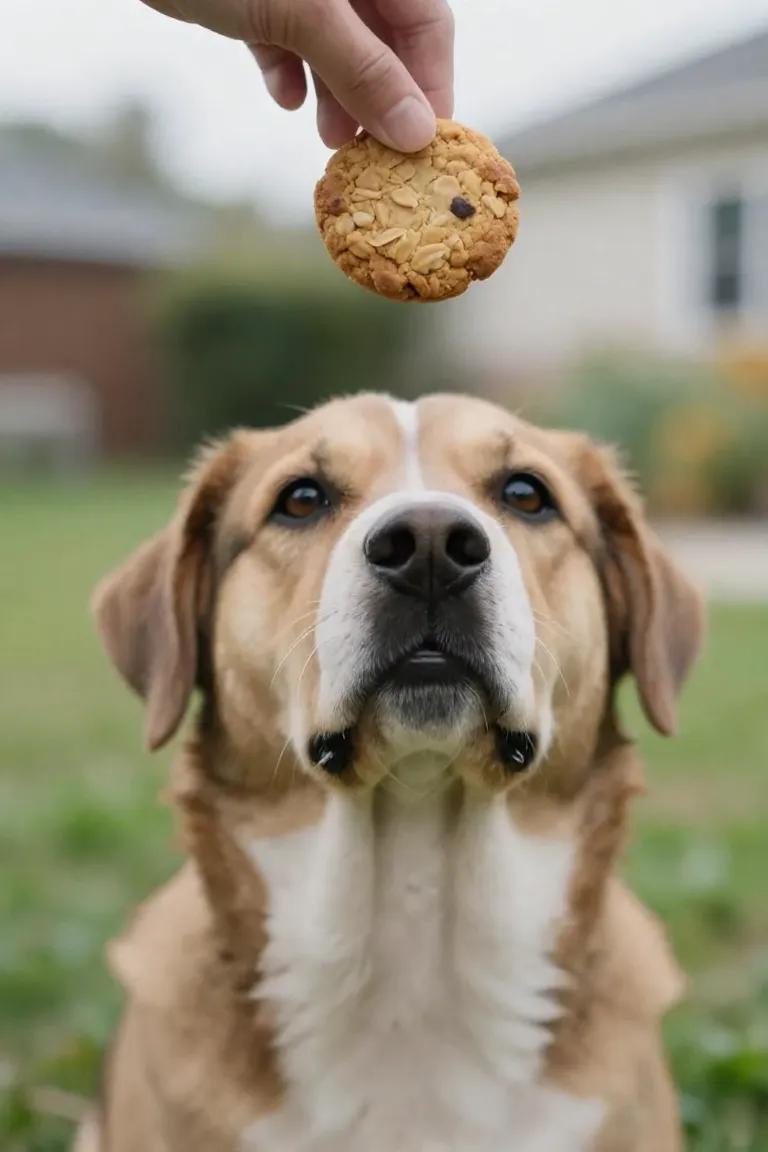
Wait for a quiet moment when your dog looks away, perhaps sniffing the floor or glancing toward the kitchen counter. Say their call word once in a clear, upbeat tone without repeating it or adding secondary commands. The exact millisecond their head whips around to face you, mark the movement with a clicker or a crisp "yes" and deliver a bite-sized sweet potato cookie right at their nose. This immediate payoff teaches them that acknowledging your voice unlocks something tasty, creating a snap-turn reaction rather than a sluggish pause.
In different rooms of the house, try changing your distance by stepping two or three paces back before calling. If they ignore the cue on a trial, resist the urge to repeat yourself louder. Instead, wait five seconds, close the distance slightly, and try again when distractions lessen. Tossing the sweet potato cookie a few feet away after each successful rep resets their position naturally, letting you run several crisp repetitions before heading out into busier environments.
Mid-Day Walks & Outdoor Distractions
Stepping past the front gate shifts the training dynamic completely, trading a calm room for heavy outdoor stimulation like sidewalk scents and passing neighborhood dogs. Everyday kibble quickly loses its pull when sensory stimulation spikes, which is why chewy sweet potato bites make such an effective tool for open-air sessions. Their dense sweetness and earthy aroma cut through heavy environmental competition, giving your companion an immediate incentive to orient back toward your hand rather than fixating on nearby movement.
- Strong natural aroma that cuts through competing ground scents and pulls your dog's nose away from grass borders.
- Pliable texture that allows quick swallowing so you can mark good choices without stalling forward momentum.
- High reward contrast against regular daily rations, making eye contact far more enticing than watching a scampering squirrel.
6. Loose Leash Walking Rewards
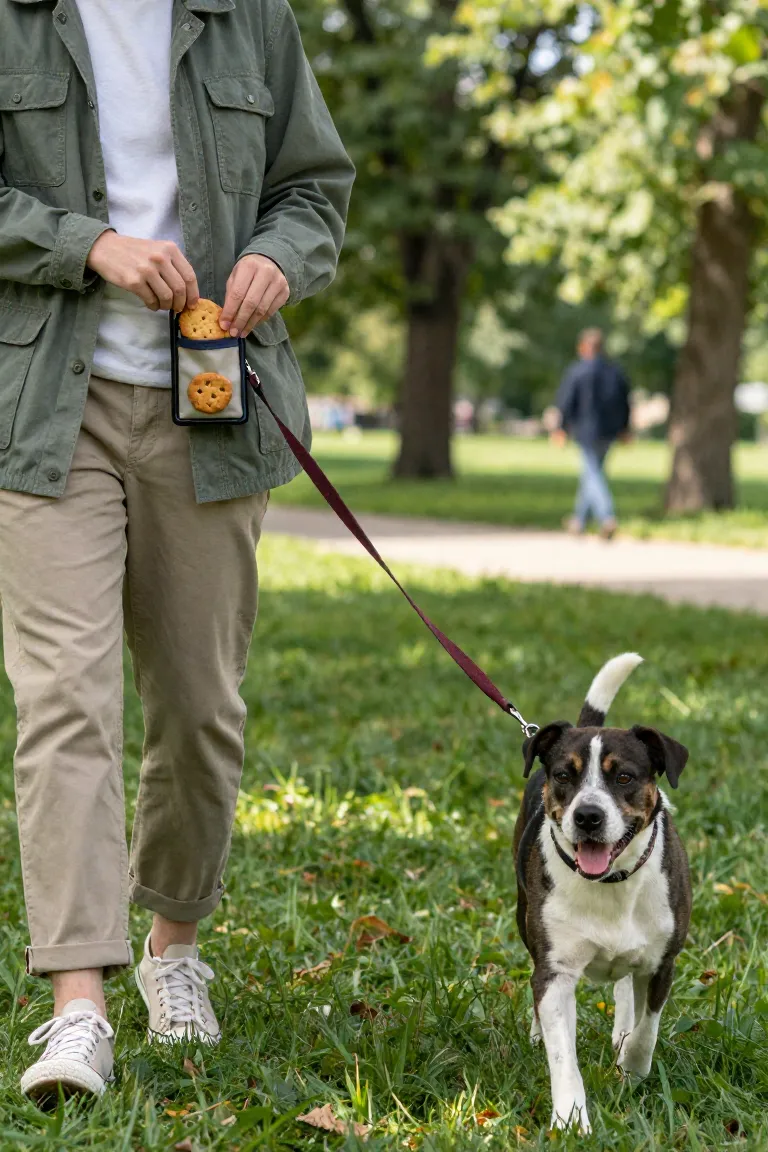
Keeping your dog's focus outdoors hinges on the physical mechanics of where you deliver each morsel. When your pup falls into step beside your knee, drop your hand straight down along your pant seam to feed directly at hip height. This precise placement anchors the dog to your side because they quickly learn that stepping ahead puts them out of the reward zone. If your companion drifts forward or builds tension on the strap, pause your stride immediately, wait for slack, and feed right beside your thigh the second they reset their pace.
A rapid delivery cadence prevents your dog from scanning the horizon for distractions before you can mark their calm pace. Carry small, soft tidbits in a reachable pouch so you can hand them out every two to three strides without fumbling. Once your companion consistently watches your leg movement and matches your tempo, you can stretch the interval between bites to ten paces while keeping your hand anchored at your side.
7. Reliable Recall at the Park
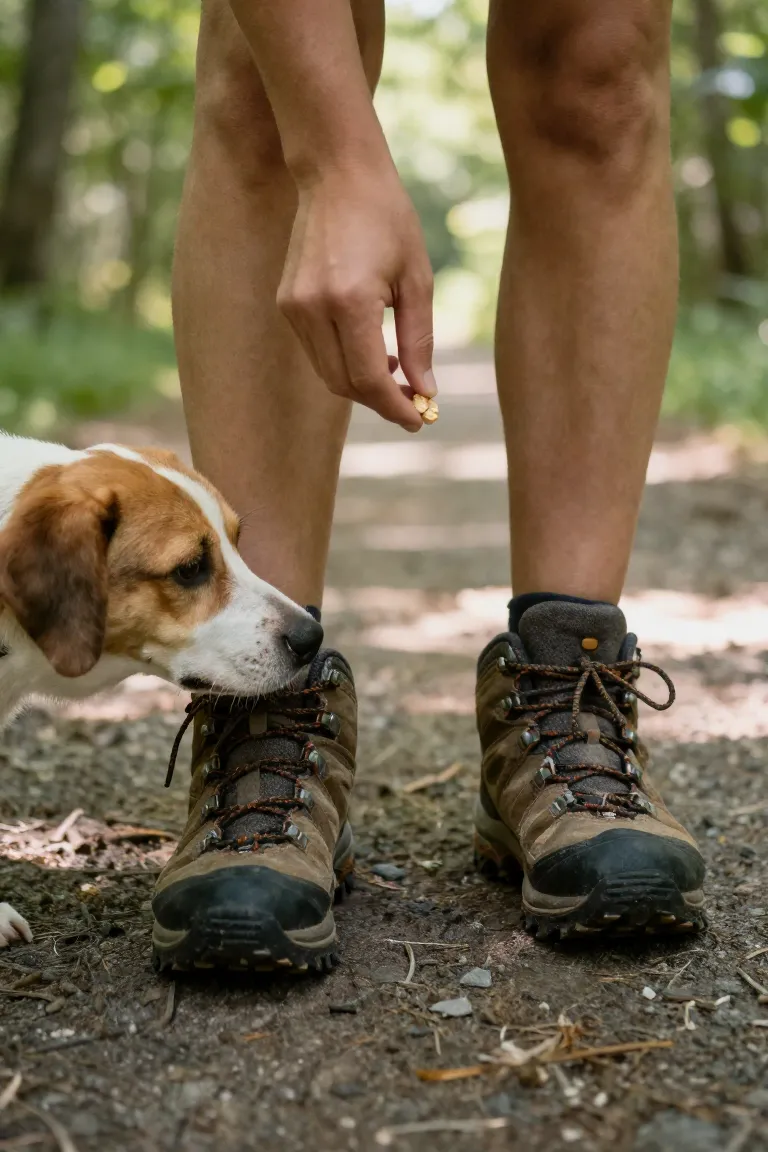
Moving into open grass fields introduces competing scents and visual triggers that easily drown out standard cues. To convince your dog to spin away from a fresh scent trail and sprint back to your side, everyday dry biscuits will not cut it. You need substantial, intensely aromatic morsels such as roasted chicken chunks or thick slices of beef hot dog. Offering a portion noticeably larger than your typical walking snack provides an immediate sensory payoff, proving to your dog that checking in with you beats whatever caught their attention in the distance.
On a thirty-foot long line, deliver a multi-piece jackpot directly into their mouth the moment their nose touches your target hand. Handing out three or four savory bites one after another over several seconds keeps their attention anchored to your hip, preventing them from bolting straight back into the grass before you reset your positioning.
8. Ignoring Other Dogs on the Trail
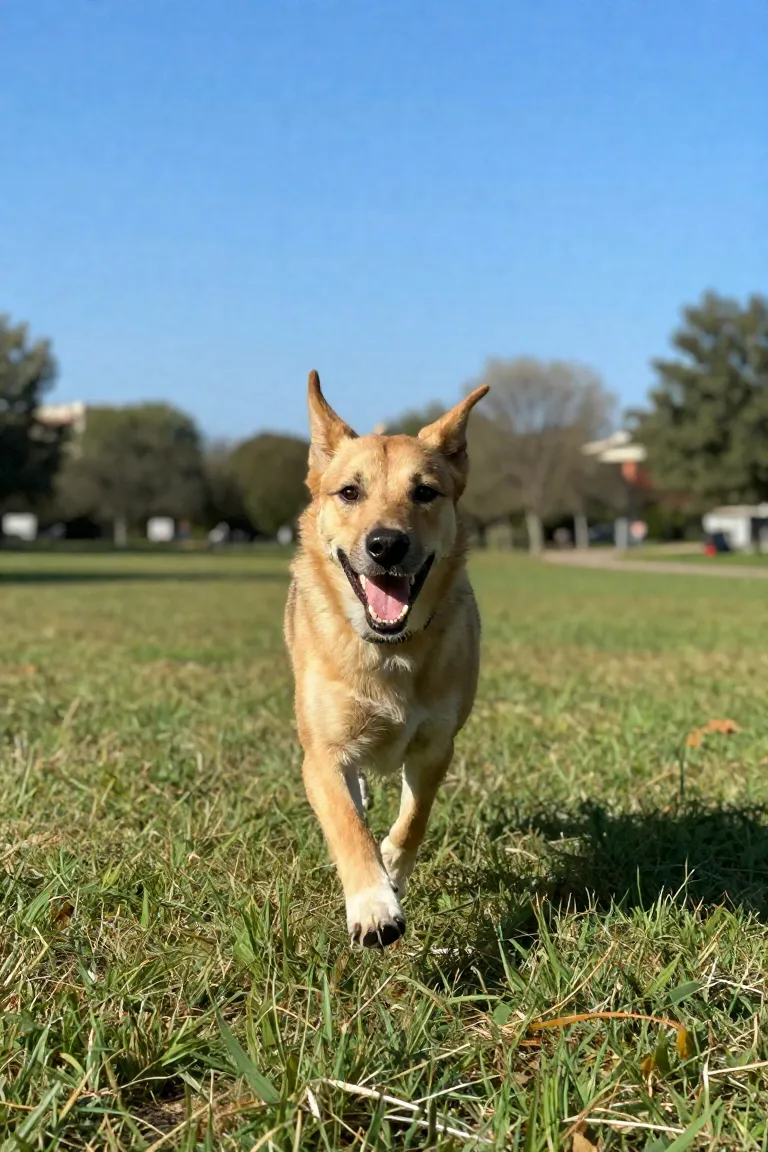
When an approaching canine threatens to break that steady rhythm, shifting your companion's focus straight down into the turf defuses social tension before it builds. Sniffing actively lowers canine arousal levels, turning what could be a tense stare-down into a calm foraging game. The moment you spot someone walking a pup toward you, step a few feet off the pathway, toss three or four soft treats into the grass, and call out a cheerful "find it."
- Scatter the food before eye contact locks in, giving your dog something rewarding to focus on before arousal spikes.
- Pick soft, high-aroma tidbits like diced liver or mozzarella that settle easily into the blades of grass and release an unmistakable scent trail.
- Keep steady slack in the leash as they search so line tension doesn't signal alarm or pull their head upward.
9. Sitting at Crosswalks
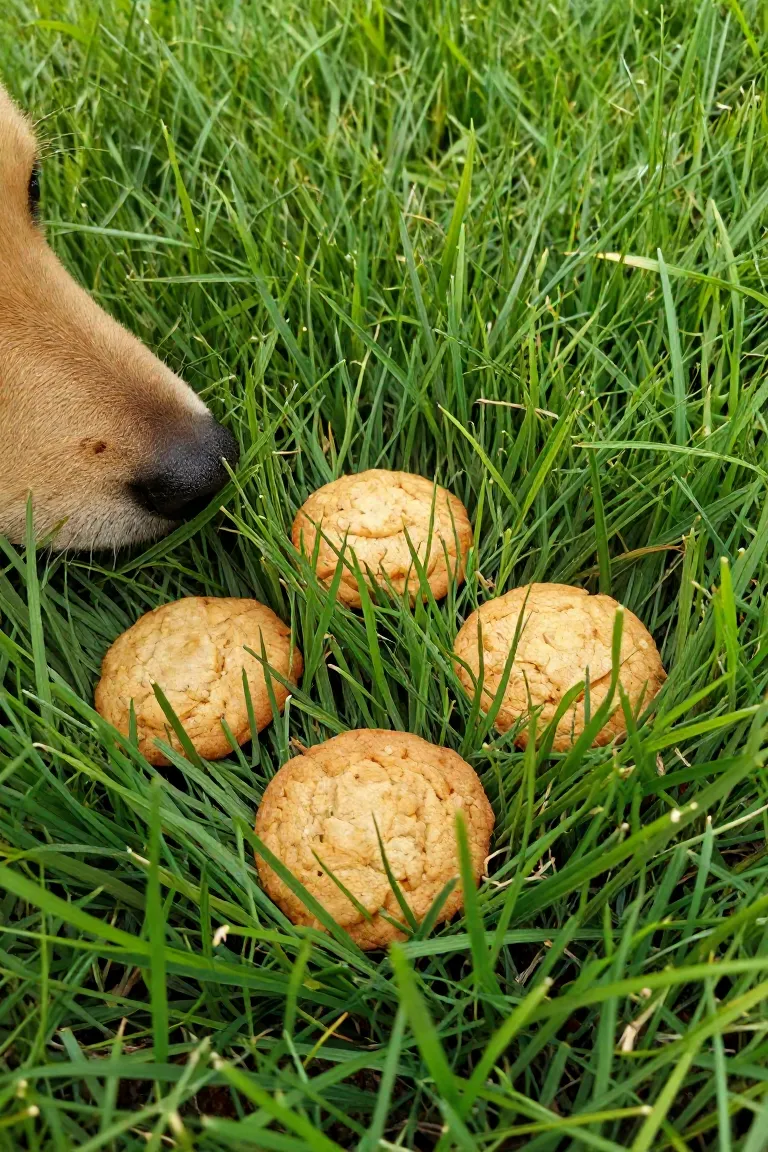
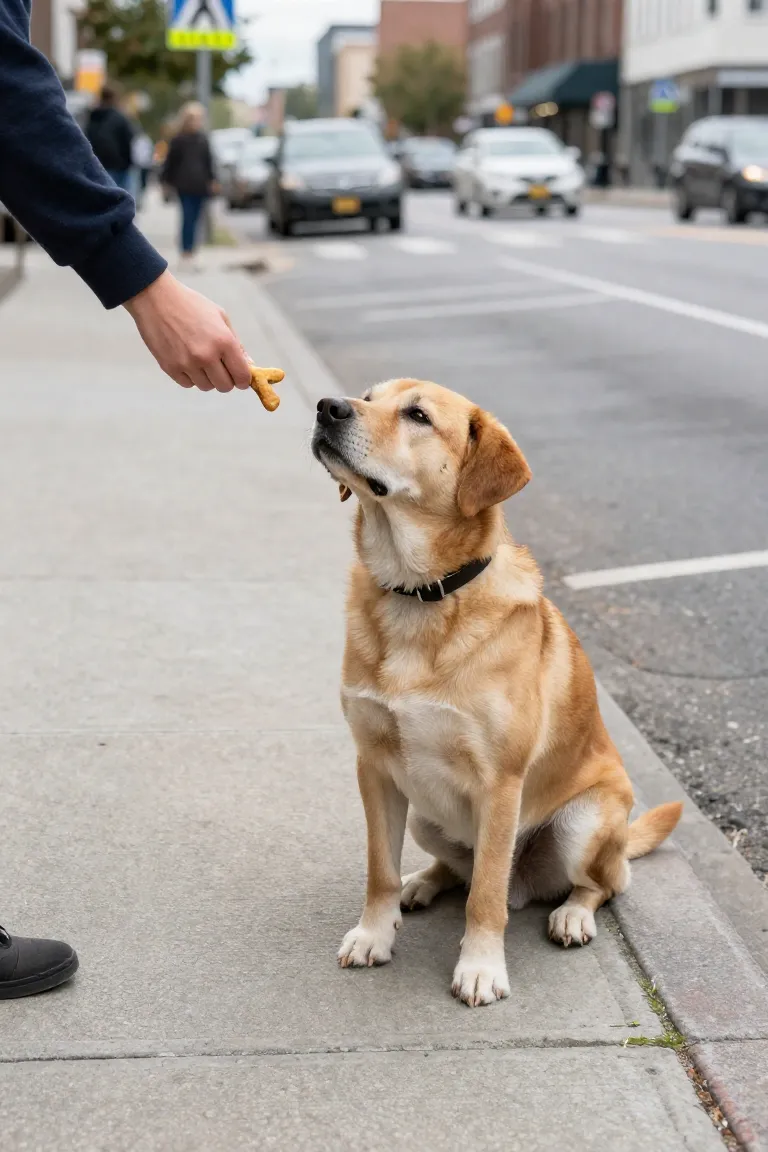
As your route brings you toward the edge of the asphalt, pause your stride two paces before the concrete drop-off without uttering a verbal cue. Waiting silently teaches your dog that the physical curb itself is the trigger to halt, rather than relying on repeated spoken prompts. The second their hips hit the pavement, mark the action and deliver a soft, savory bite directly at chest height to keep their focus aligned with your leg. If they step into the gutter or pull ahead, simply reset by taking three steps backward and approaching the boundary again until the pause happens naturally. Consistently reinforcing this threshold builds a reliable curb safety habit that keeps your companion securely anchored while traffic passes.
10. 'Leave It' with Street Debris
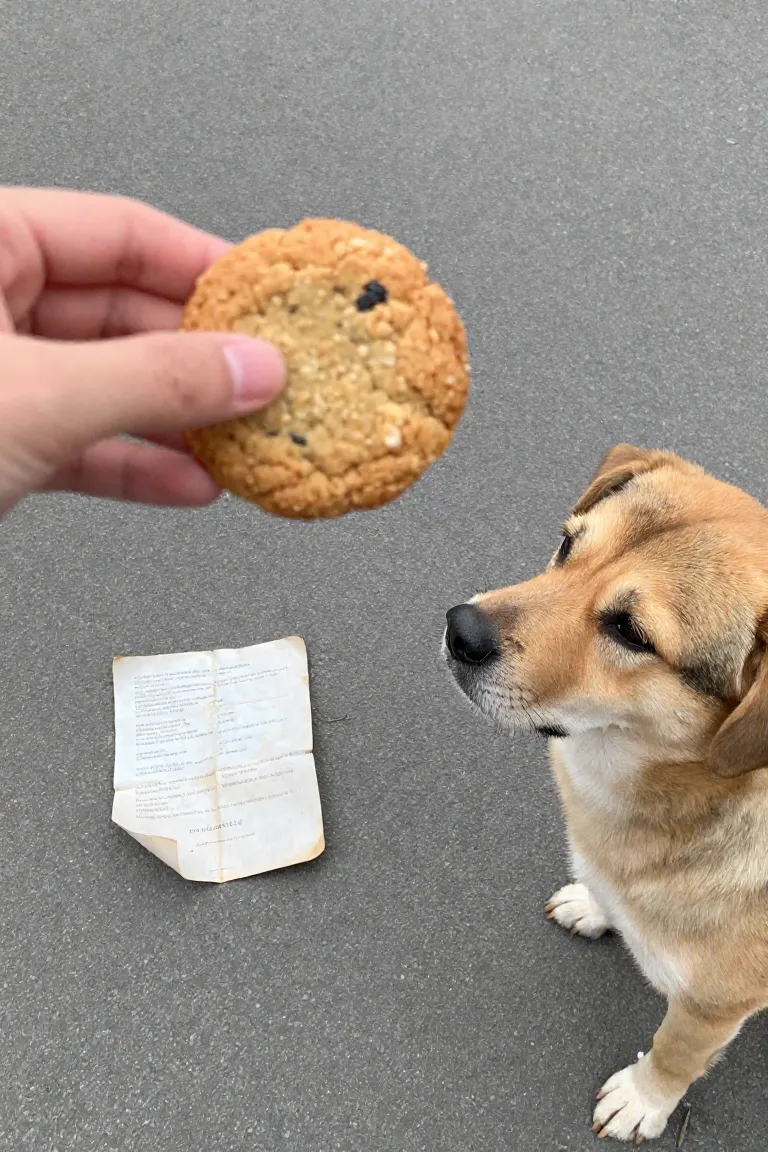
Sidewalks often present sudden hazards like discarded chicken bones or soggy food containers that catch your dog's nose before you spot them. When your pup drops their muzzle toward an abandoned item, give your 'leave it' cue firmly once and step slightly backward to create physical distance rather than pulling in a frantic tug-of-war. Offering an immediate trade shows your companion that disengaging yields something far more rewarding than random pavement trash. A crumbly sweet potato cookie carries an earthy sweetness and dense aroma that easily rivals whatever mystery object sits on the ground.
A clean exchange relies on swift timing and generous reinforcement. Break the baked sweet potato treat into small, bite-sized morsels so your pup can swallow quickly without lingering near the temptation. Once your dog pivots their head away from the scrap and makes eye contact with your treat hand, mark the choice with a cheerful word and release the cookie right at nose level. This simple pivot keeps your walk in rhythm while teaching your dog that ignoring sidewalk clutter always pays off.
Evening Relaxation & Impulse Control
Once you step inside and unclip the leash, your dog's energy often shifts into a restless post-walk wander around the house. Instead of letting that residual excitement turn into nudging hands or pacing hallways, you can guide that focus toward quiet problem-solving on the living room rug. Mental exertion drains cognitive reserves surprisingly fast, helping an overstimulated brain settle into restorative stillness without requiring physical sprints. Simple puzzles, such as hiding small bites inside a folded blanket or asking for brief, motionless pauses before releasing a reward, encourage steady patience. These quiet twilight habits teach your dog to regulate internal arousal independently, establishing a peaceful rhythm before bedtime.
11. The 'Place' Command During Dinner
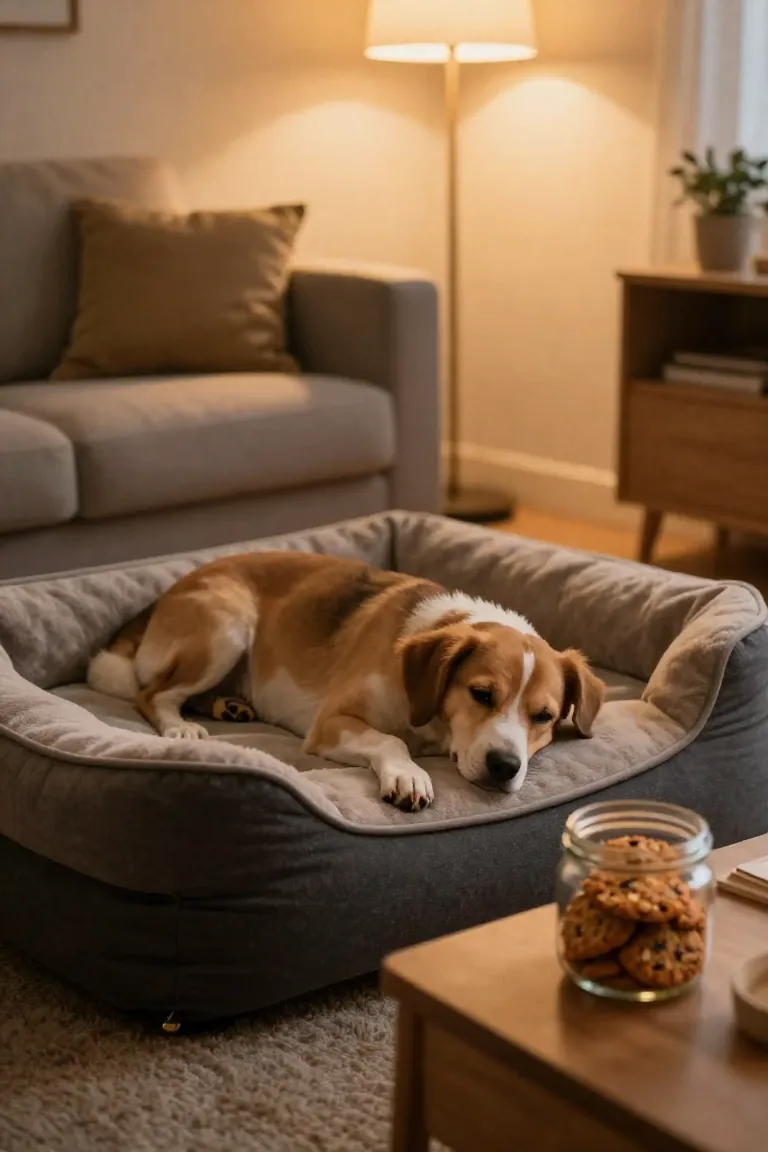
Mealtime aromas often trigger pushy begging and hovering around the kitchen table. Guiding your dog to a designated raised cot or thick mat several feet away establishes a physical boundary that replaces pushy table-side hovering. Instead of handing out table scraps, keep a dish of baked chicken morsels or freeze-dried beef bites near your plate. Walk over and drop a tiny piece between their front paws every few minutes while their body remains flat on the mat, showing them that holding still pays far better than nudging your knee.
A structured routine of intermittent rewards prevents your dog from anticipating a handout on a fixed countdown. Once your family sits down with their plates, deliver a bite immediately upon your dog lying down, then stretch the duration between deliveries to four to ten minutes. If curiosity pulls them off their spot toward the table, calmly steer them back without vocal scolding, reserving the next meaty bite until they relax their chin against the cushion.

12. Gentle Mouth Training
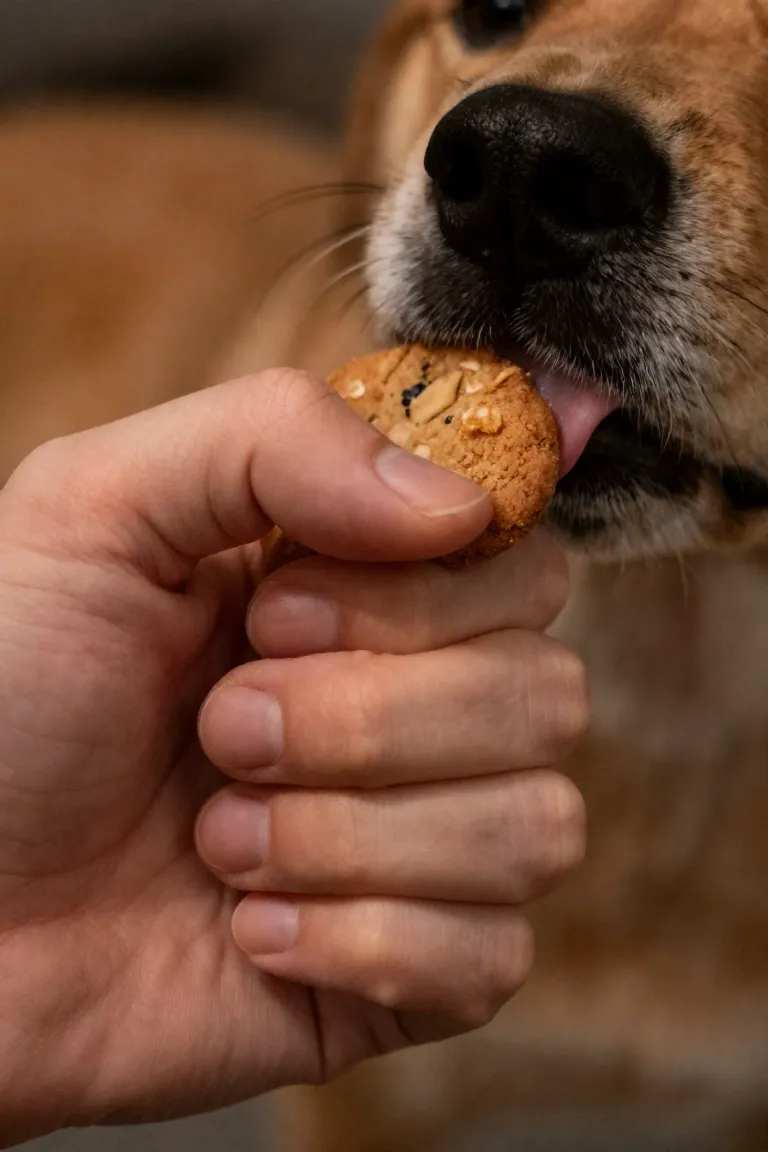
Once your dog settles into a calm rhythm, you can address how they take food directly from your fingers. Snapping jaws or sharp teeth scraping knuckles often stem from sudden excitement rather than aggression, and you can teach a soft muzzle touch using a basic barrier exercise.
- Clench a small biscuit inside your fist and hold your knuckles steady at muzzle height without offering access.
- Remain still while your dog paws or mouths your fingers, avoiding any jerking movements that might trigger a chase reflex.
- Open your palm flat the second their teeth pull away and you feel a quiet, gentle lick against your skin.
- Allow them to eat the prize right from your flat hand so they realize that soft contact unlocks the treat.
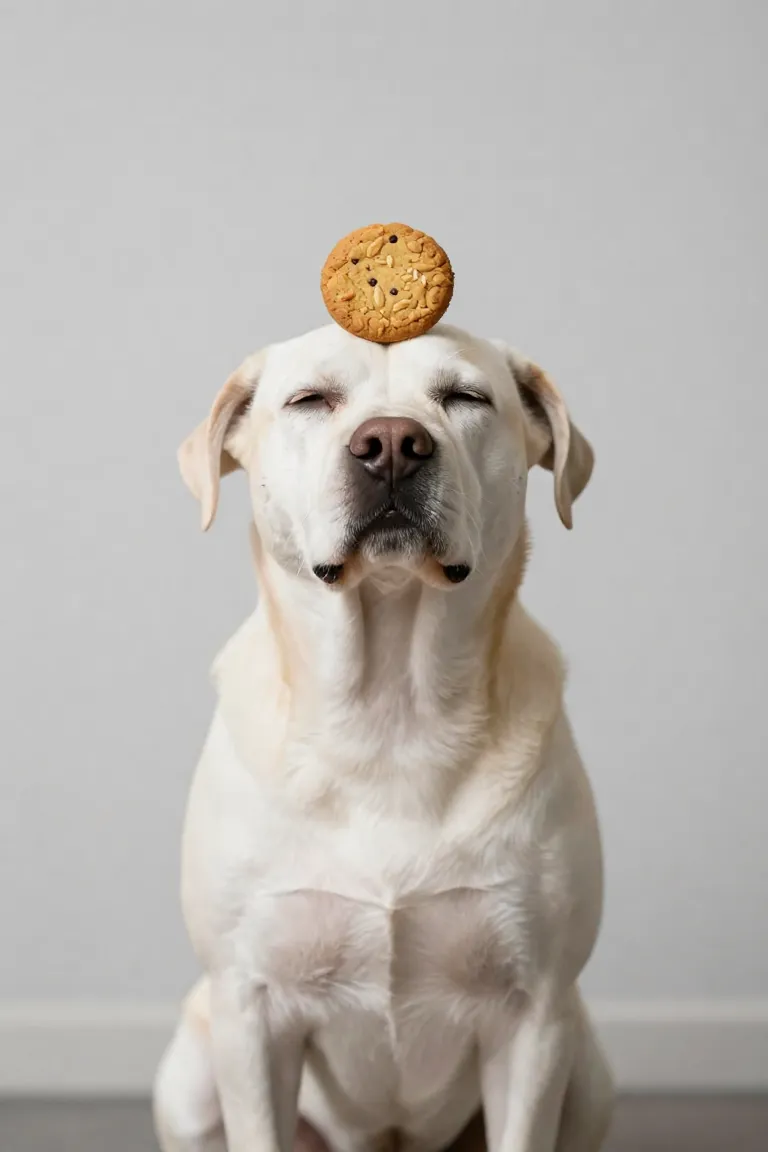
13. Balancing a Treat on the Nose
Once your pup understands how to control their mouth, you can channel that restraint into steady physical stillness. Resting a dry biscuit right along the muzzle tests their patience while teaching them to wait for a clear release cue rather than snapping forward on impulse.
- Cup your hand gently beneath their chin to steady their head, placing a flat snack on the bridge of the snout for two seconds before rewarding them directly from your pocket.
- Gradually lower your support over repeated trials until they hold their head level and still without any physical contact.
- Give your release word, such as "free" or "catch," encouraging them to flip the food into the air or snap it up once it falls.
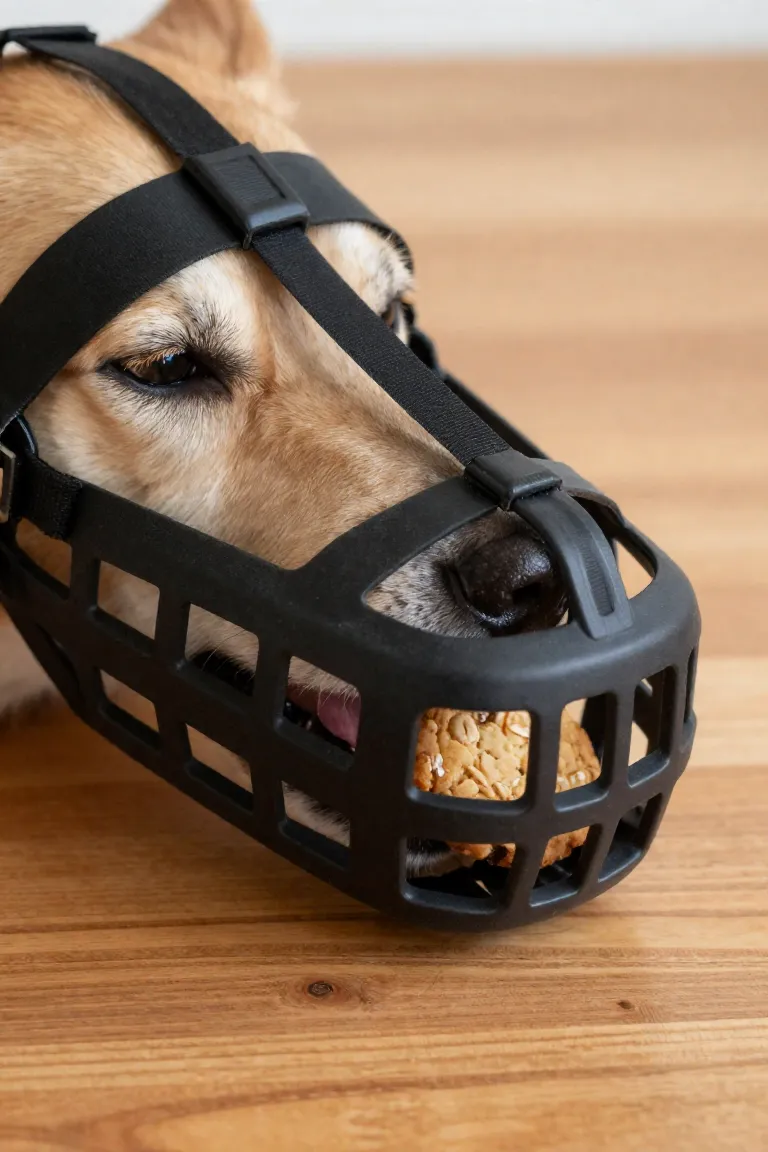
14. Muzzle Conditioning
Building cooperative care starts by turning unfamiliar gear into a source of immediate rewards rather than restraint. Smear a small spoonful of wet food along the inner base of a basket muzzle, then drop a crunchy biscuit directly into the nose pocket. Instead of forcing the frame over your dog's head, hold it stationary at chest height and let them willingly press their snout inside to lick up the food. When you keep the straps undone and allow your dog to pull back freely at their own pace, they learn that voluntarily inserting their face triggers a tasty reward. This low-pressure introduction prevents leash-up panic and prepares them for calm daily handling.
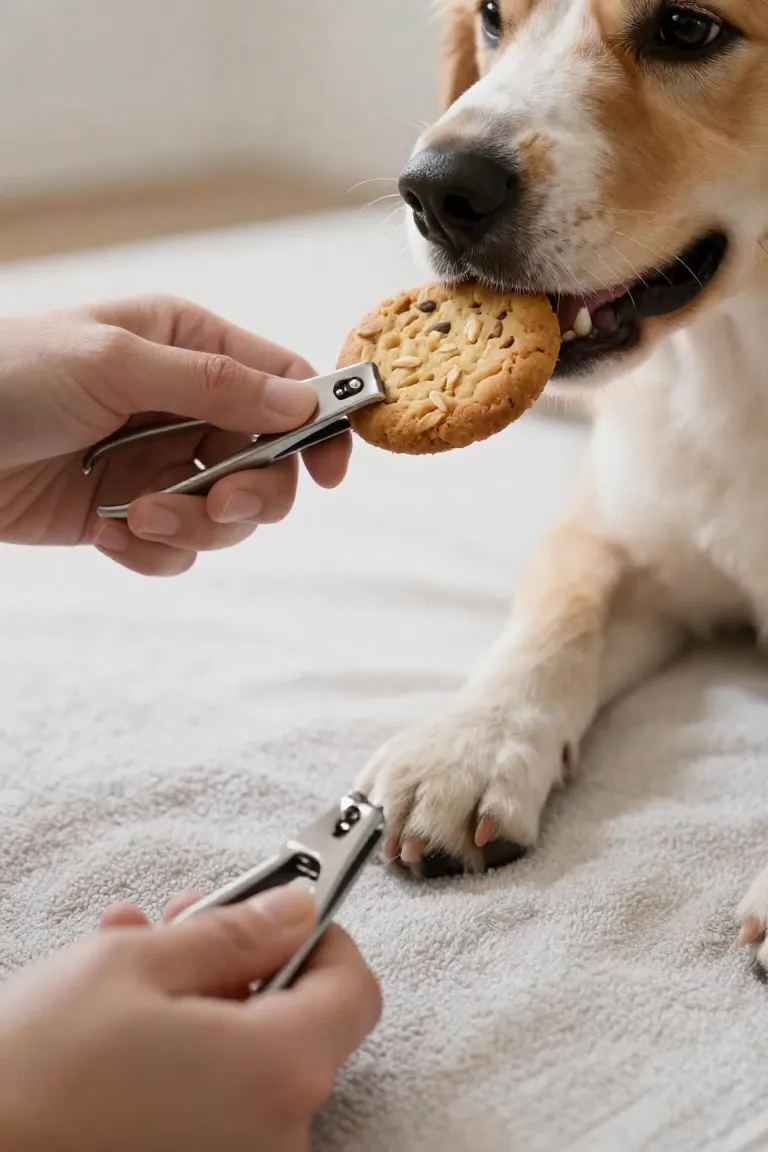
15. Grooming and Nail Trimming Rewards
Paws are naturally sensitive zones, and clipping even a single claw often triggers immediate hesitation or pulling away. You can counter this instinct by providing a continuous stream of pea-sized biscuit crumbles while your hands hold the clippers. Feeding continuously creates a steady counter-conditioning effect, keeping your dog's attention on delicious flavors rather than the metallic sound or slight pressure against their toes.
A helper makes this process significantly easier by dispensing tiny bites every two seconds right in front of your dog's nose while you isolate a single claw. When working alone, dropping a rapid sequence of crumbly treats on the floor keeps their head down and occupied as you snip off each sharp tip before moving along to the next foot.
Advanced Tricks & Mental Enrichment
Once basic handling is complete, whatever treats remain in your pouch can work double duty before bedtime. Physical exercise drains a dog's muscles, but working through novel obstacles and multi-step tasks challenges their cognitive focus in a way that settles a restless brain much faster.
A handful of crunchy biscuit pieces broken into pea-sized bits gives you plenty of repetitions for complex sequencing or interactive puzzle games without exceeding their daily caloric limit. Short, five-minute learning intervals keep motivation sharp, setting up a clear bridge into specialized movement cues.

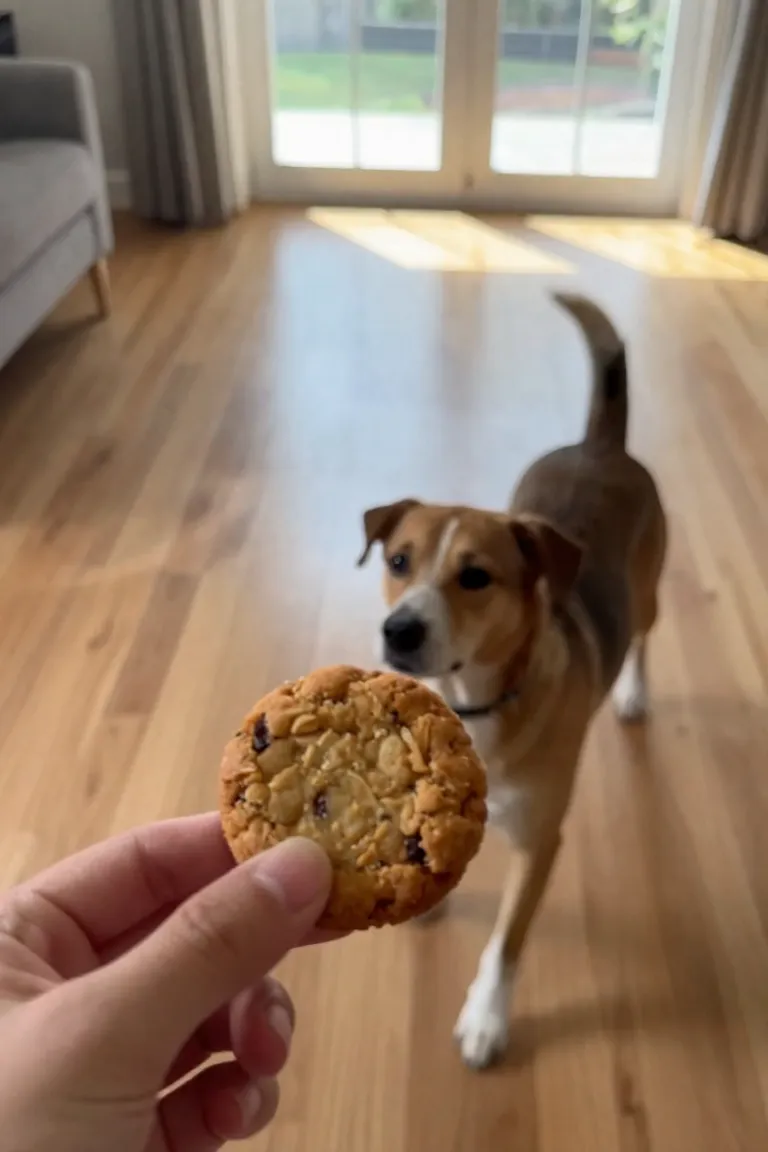
16. Spin and Twist Commands
A fragrant piece of freeze-dried liver held right against your dog's nose acts as a direct guide for their entire body. Hold the treat firmly between your thumb and index finger, then slowly draw a tight circular pathway toward their flank so their head follows the scent. As their spine bends and their hind legs step around to complete the full circle, mark the exact moment with a clear verbal marker and release the treat. Keeping your hand low and close prevents them from jumping up or breaking into a wide, messy loop.
The physical motion settles into muscle memory once you repeat this guided loop three or four times in a row. At that stage, you can mimic the exact same circular hand sweep with an empty hand, keeping the treat tucked behind your back until they finish the turn. Pair a distinct verbal word like clockwise turning before your hand moves, reserving an opposite cue whenever you decide to guide them in the counter-clockwise direction.
17. Weaving Through Legs
Step forward with your left foot to create an open stride, holding a savory morsel right at your dog's nose level to draw them from back to front between your knees. As their muzzle clears your inner thigh, transfer their focus to a second reward held in your right hand, step your right leg forward, and guide them across your center into the opposite gap. Releasing a tiny nibble the moment their shoulders clear each leg maintains forward momentum without causing them to halt mid-stride. Keep your hands low near your shins during early repetitions so your dog tracks the scent trail rather than jumping toward your waistline. When both hands alternate in a steady rhythm, your dog naturally links each footstep with an unbroken figure-eight path.
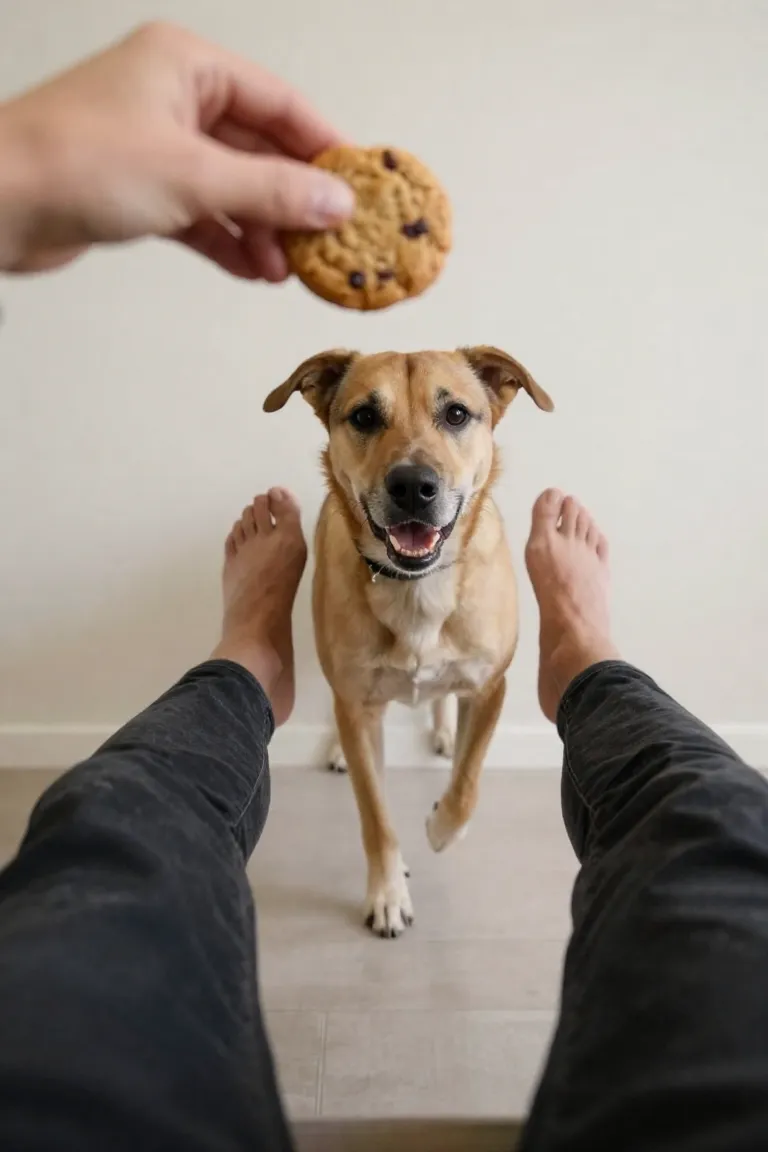
18. The 'Play Dead' Routine
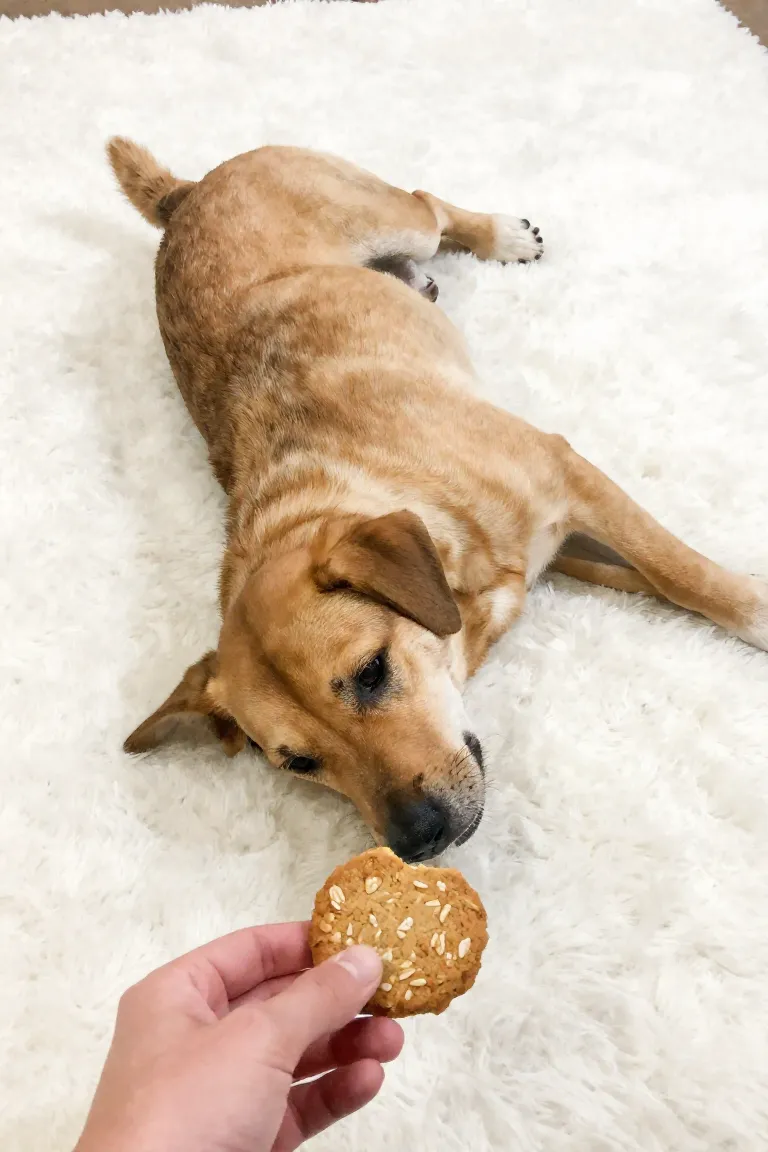
Once your companion masters upright coordination, shifting focus down to the rug introduces a calm test of body awareness. Guide your dog into a standard lie-down, then draw a fragrant biscuit from their nose back toward the shoulder blade so their weight rocks onto one hip. Rather than letting momentum carry them into a full barrel roll, halt your lure midway when their ribs flatten against the floor and capture that still side-lying pose. Delivering several tasty cookies in rapid succession directly onto the mat confirms that staying completely motionless earns the richest payout before the release cue.
19. Target Stick Training
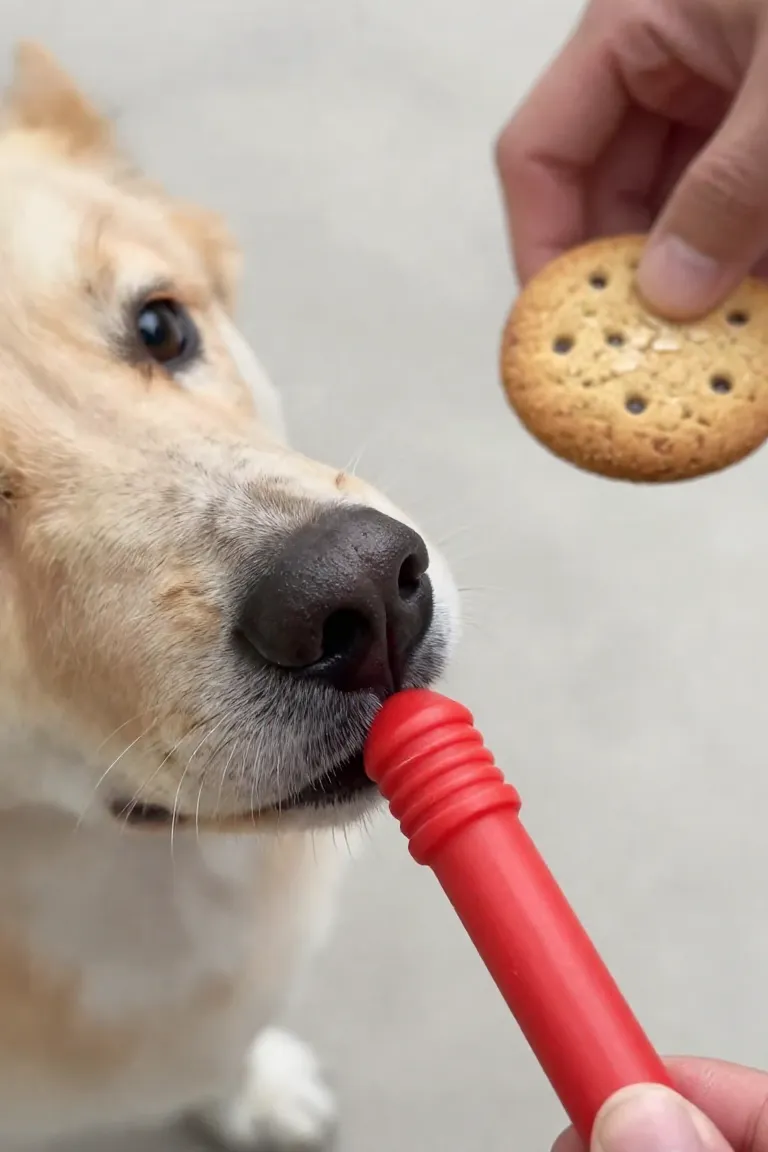
Directing your dog's physical movement with pinpoint precision builds naturally once they understand stationary stillness. Present a slender wand tipped with a small rubber ball roughly two inches away from their muzzle, waiting for their natural curiosity to take over. The instant their damp nose makes contact with the colored tip, mark the touch with a sharp click and immediately hand over a bite-sized piece of baked sweet potato cookie. Repeating this sequence five to eight times builds a clear cause-and-effect link between the physical tap and the oven-dried reward.
Small adjustments in placement allow you to turn this basic touch into a versatile steering tool. Hold the tip slightly to the left or elevated near a wall so your dog actively steps forward to meet the marker across the room. Delivering the sweet potato cookie from your opposite hand keeps their focus on seeking the tip rather than tracking your treat pouch. With steady repetition, this deliberate nose-touch behavior opens the door to guiding full-body turns and directing your dog into complex indoor obstacle patterns.
20. Snuffle Mat Scavenger Hunts
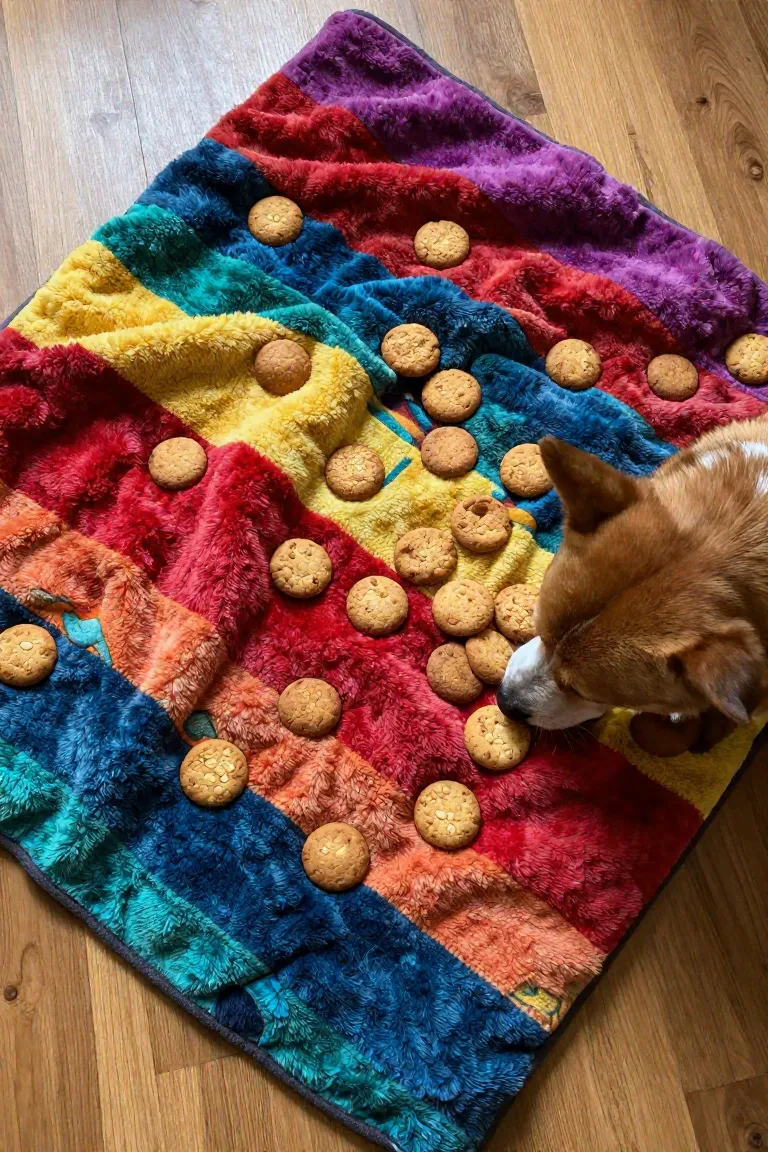
Working tiny, low-calorie micro-cookies deep into dense fleece strips channels that focused intensity straight toward quiet scent work. When your dog works through the compacted fabric layers, each hidden pocket slows down consumption and provides extended foraging time that burns mental stamina faster than simple physical pacing. Sniffing out tucked treats triggers dopamine release while lowering arousal levels, making this tactile puzzle ideal for settling a restless mind right before you ask for crisp physical coordination.
21. The 'Back Up' Command
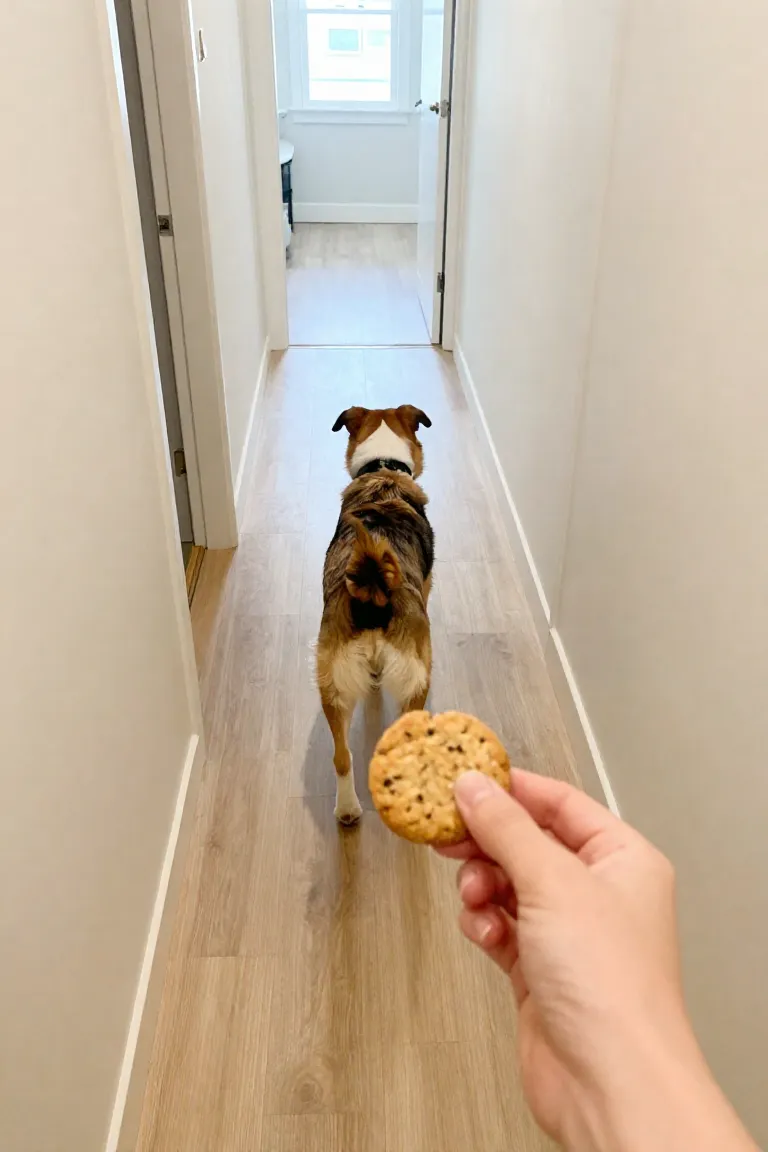
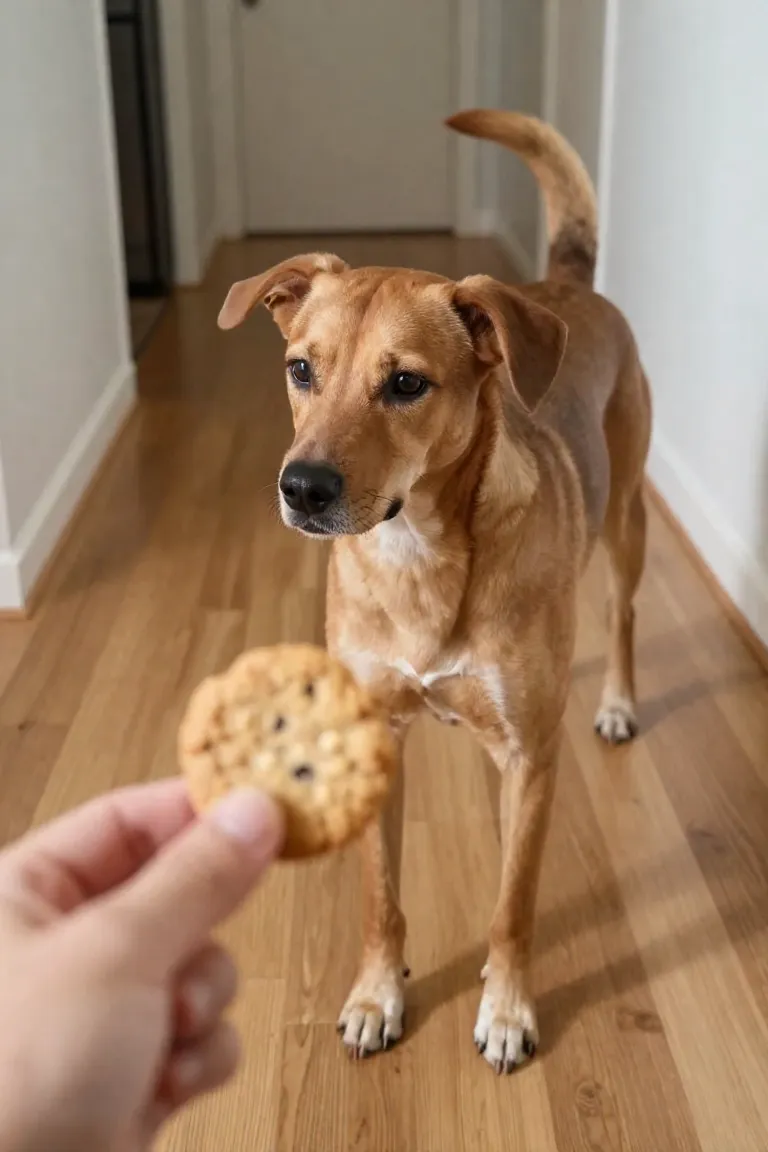
Channelling that grounded focus into spatial awareness works best in a narrow corridor where your companion naturally keeps their spine straight instead of spinning around. Stand face-to-face with a small reward held against your belt line, then ease your body weight forward into their bubble.
- Take a slow, deliberate pace forward so their rear paws instinctively shift behind them to maintain room.
- Mark the exact instant both back feet slide in reverse, then drop the cookie directly between their front paws.
- Pair your physical motion with a distinct verbal cue once your dog yields multiple steps smoothly along the hallway walls.