Summary
- Moisture Dynamics And Structural Binding In Unbaked Canine Formulations
- Moisture Equilibrium And Emulsion Failures In Raw Grain-Free Dough
- Compaction Deficits, Chilling Schedules, And Storage Breakdown
- Grain-Free Ingredient Proportions, Hydration Limits, And Chilling Matrix
- Canine Size-Calibrated Portion Sizing And Batch Longevity Framework
Moisture Dynamics And Structural Binding In Unbaked Canine Formulations
Crafting homemade no-bake dog treats requires balancing wet fruit against thirsty grain-free binders. Fresh berries easily add excess water to unbaked dough, while alternative flours pull out moisture until edges crack. This troubleshooting guide diagnoses common batch failures so you can build a reliable homemade treat routine. Following balanced ingredient ratios keeps your unbaked treats firm, fresh, and free from early spoilage.
Moisture Equilibrium And Emulsion Failures In Raw Grain-Free Dough
Achieving stable treat dough consistency depends on managing how fats and liquid fibers interact without oven heat. When blending raw ingredients, unbound water from fruit easily separates from oils, leaving batches greasy yet brittle.
- Rest dough for ten minutes during prep so alternative flours fully absorb ambient moisture.
- Combine pureed fruit with nut butter before folding in dry bases to blend fats smoothly.
- Add liquids gradually when mixing unbaked batches to avoid sticky, unworkable dough.
1. Over-Hydrating Batches With Raw Berry Puree Instead Of Reduced Compote
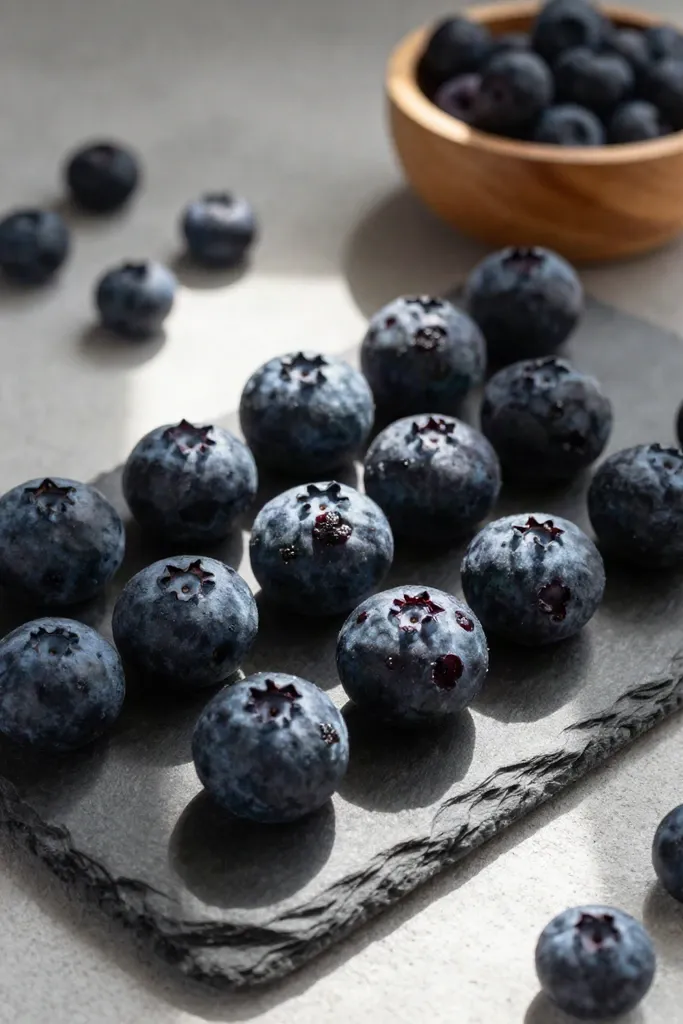
Whole berries contain over eighty percent water, which easily disrupts dough texture. Stirring four tablespoons of raw fruit puree directly into unbaked dough introduces excess water that leaks out as the mixture chills.
A quick stove reduction concentrates the berries into a thick compote, requiring just two tablespoons per batch. Simmering the fruit evaporates excess water while intensifying natural flavor without thinning your binders. Concentrated fruit keeps every bite firm and prevents mold from taking hold early.
2. Selecting Excess High-Fat Binders That Cause Room-Temperature Melting
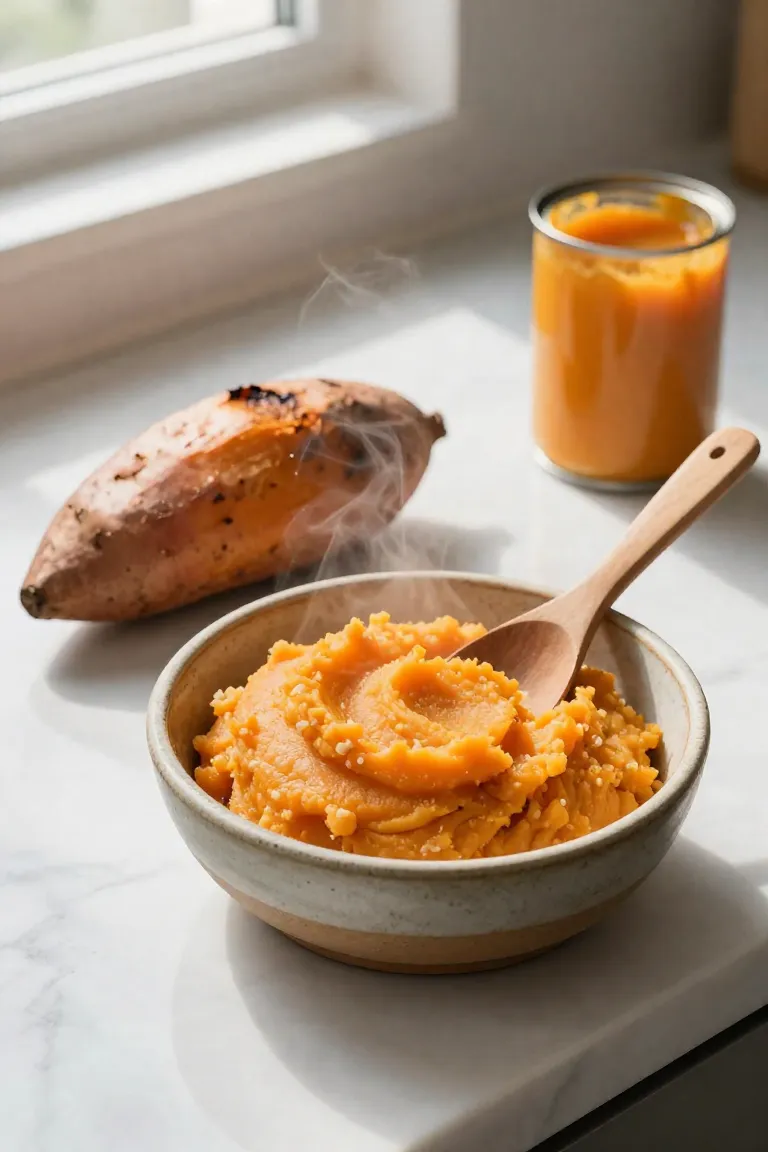
Relying heavily on coconut oil or nut butter without a dense fiber counterweight quickly turns firm pieces into a greasy puddle on warm afternoons. For shelf-stable treats, balance three tablespoons of pure unsweetened pumpkin puree with one tablespoon of melted virgin coconut oil. The soluble plant fibers in pumpkin trap oils naturally, keeping fats bound securely inside the dough rather than leaching outward.
Stylist Rule: Keep room temperatures below 70°F, or swap half the fat quota for pureed pumpkin to help treats hold their shape on warm fingers.
Warm ambient air causes unbonded liquid fats to soften rapidly whenever kitchen counters climb past 70 degrees. This three-to-one balance between fiber-dense squash and oil guarantees clean handling straight from the jar, delivering solid energy without greasy residue during training sessions.
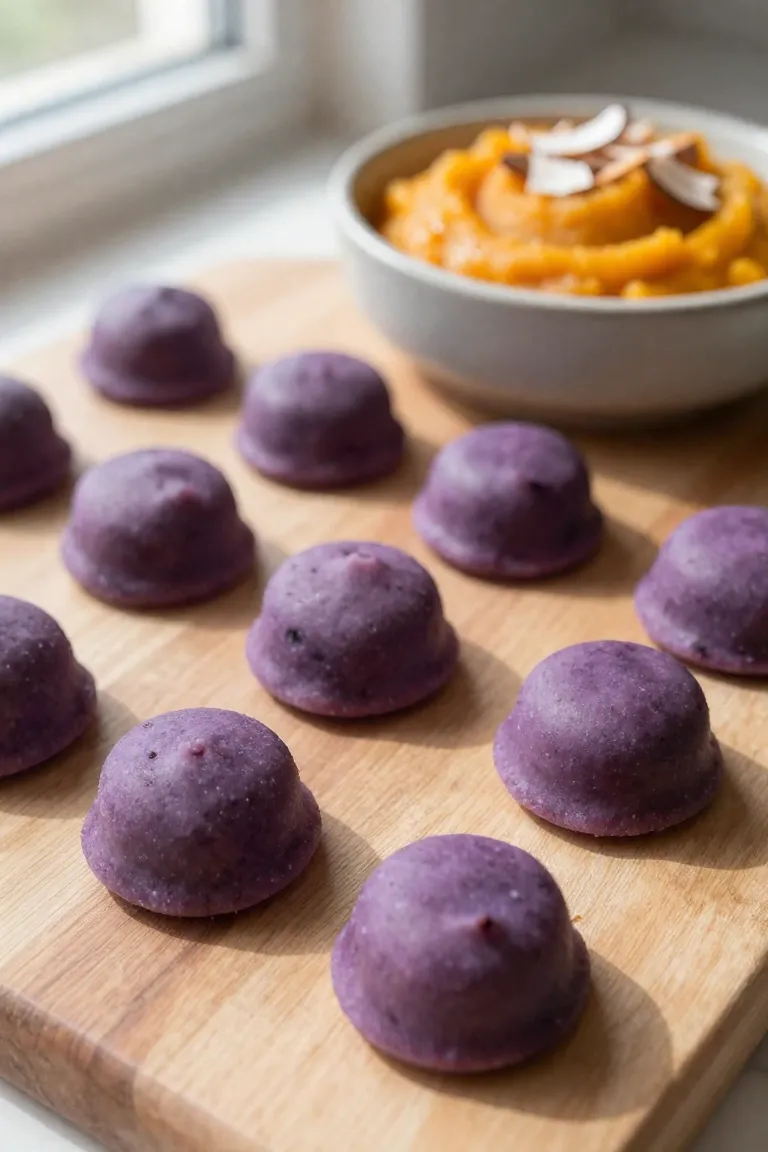
3. Disregarding Coconut Flour Absorption Latency And Moisture Starvation
Alternative ingredients like coconut flour require patience because fine coconut fibers pull moisture much slower than wheat or oats. Packing the dough into molds immediately after stirring leaves it feeling sticky at first, only to turn brittle thirty minutes later as the flour continues to absorb liquid. Getting the moisture right begins by weighing out one-quarter cup, or 28 grams, of coconut flour on a kitchen scale.
Simple timing checkpoints help the dough hydrate evenly:
- Whisk the measured flour thoroughly into your blueberry puree to break up stubborn clumps.
- Allow the mixed bowl to rest undisturbed on the counter for ten minutes.
- Check the rested consistency, which should mirror pliable modeling clay without wet stickiness.
- Press the hydrated dough firmly into shape to avoid brittle fissures during unmolding.
This brief resting window gives dry fibers enough time to absorb surrounding moisture completely, creating smooth, well-bound treats that hold their shape through every bite.
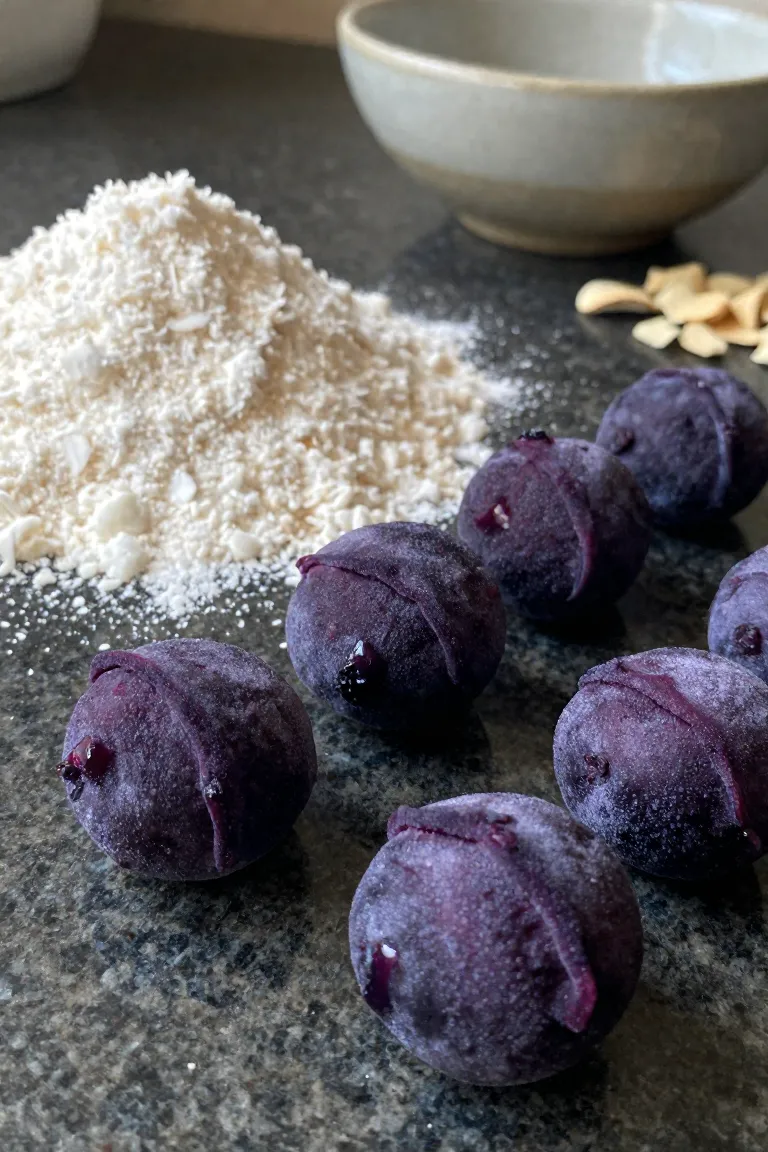
4. Omitting Canine-Safe Gelatin Blooming For Unbaked Structural Rigidity
Skipping a clean protein binder leaves raw fruit dough prone to collapsing as soon as you push individual pieces from flexible trays. Plain, unflavored beef gelatin provides natural structural support that holds up in room-temperature air while supporting joint health. Unbloomed granules tossed straight into cool puree stay gritty, making proper hydration beforehand essential.
- Sprinkle one teaspoon of pure unflavored beef gelatin evenly across two tablespoons of cool tap water.
- Let the mixture sit quietly for five minutes until granules swell into a firm gel.
- Warm the bloomed paste gently over low heat for fifteen seconds until it dissolves completely into liquid.
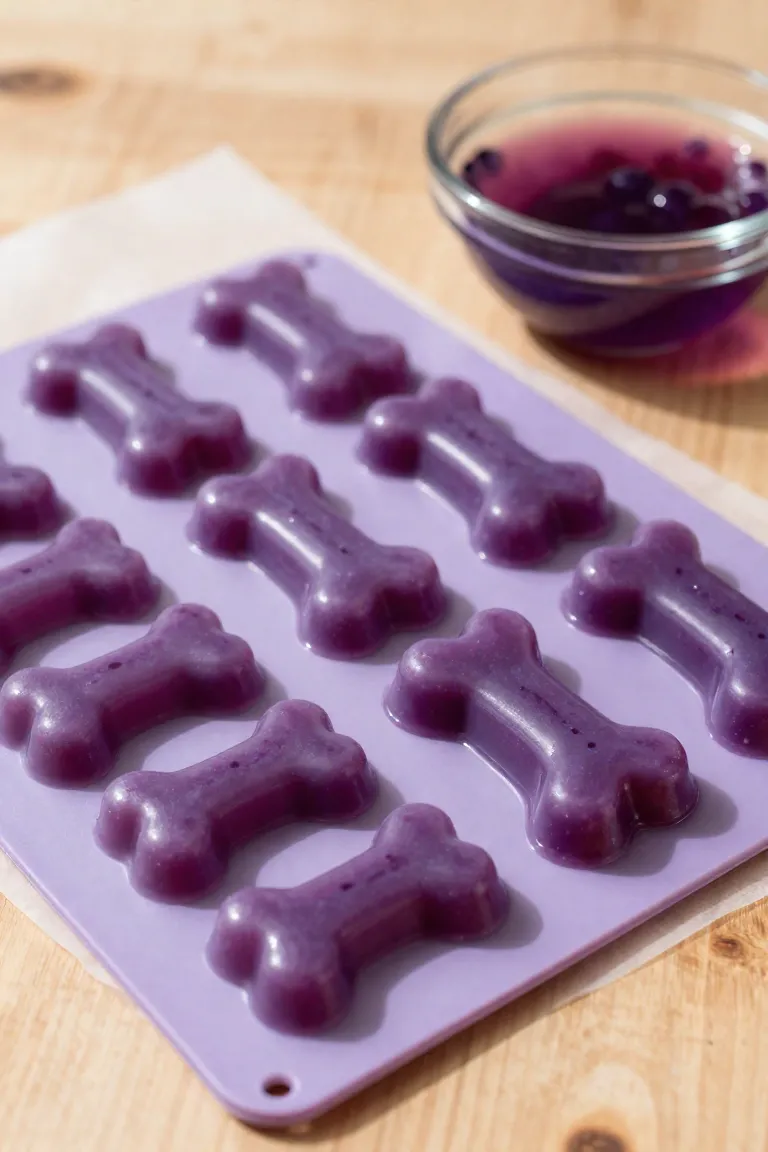
- Fold the warm gelatin directly into your blueberry mixture before packing your silicone molds.
This blooming method prevents soft edges and tearing when releasing shapes from molds. Once thoroughly chilled, the formula produces firm treats with clean edges that slide out effortlessly without leaving sticky residue behind.
Compaction Deficits, Chilling Schedules, And Storage Breakdown
Dense dough requires firm packing and steady cold temperatures to hold its shape once released. When filling flexible silicone molds, loose packing leaves weak interior pockets that crumble on contact, while cutting chill times short causes soft binders to tear along delicate edges.
Solid structure and long-term treat preservation depend on two basic factors: density and temperature.
- Pack every cavity firmly to press out trapped air pockets before smoothing the top.
- Maintain adequate refrigeration times to allow natural binders to solidify completely.
- Store finished treats inside airtight glass containers to block ambient humidity.
5. Insufficient Cavity Compression Causing Internal Voids And Edge Tearing
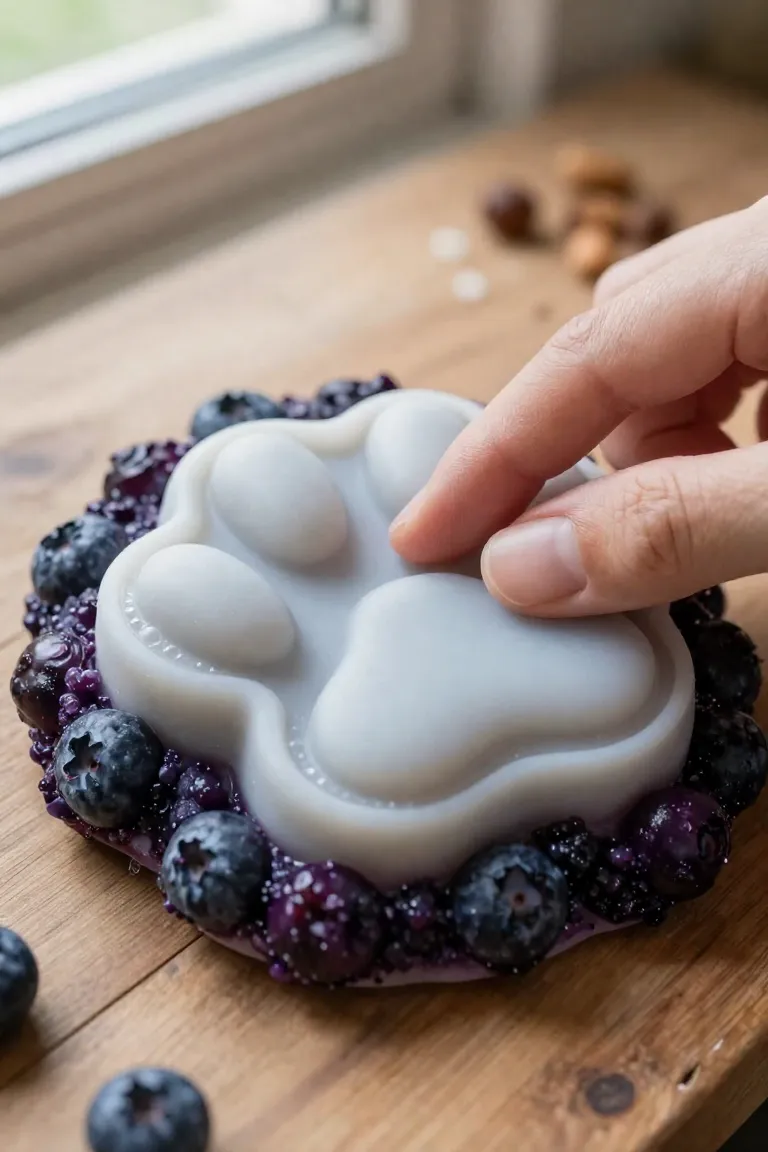
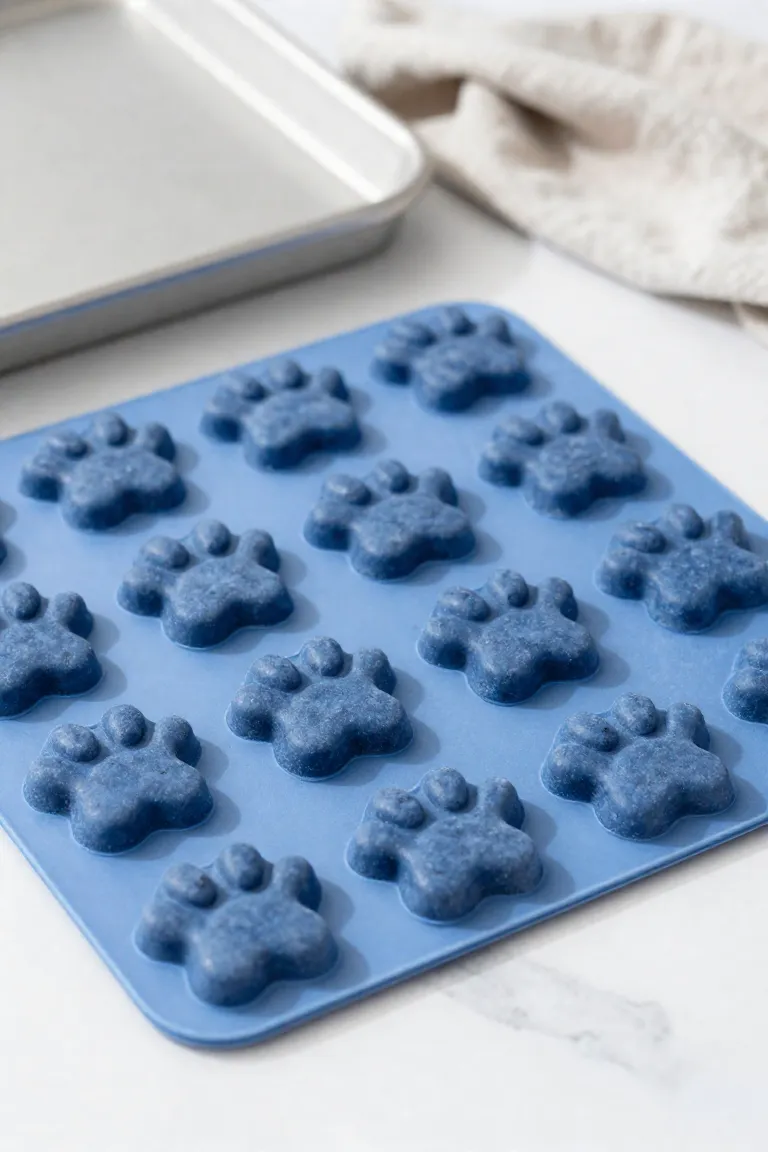
Spoon-filling dough loosely into detailed shapes leaves hidden air pockets that split apart during unmolding. When pressing grain-free dough into decorative silicone molds, use firm downward thumb pressure to drive the dense mixture deep into every corner and crevice.
Stylist Rule: Pack mold cavities firmly with your thumb to eliminate interior air gaps before chilling.
Firm downward pressure creates clean release lines without crumbling the outer rim. Uniform density also guarantees your finished treats maintain structural balance during daily handling.
6. Rushing Thermal Chilling Timeframes Prior To Silicone Mold Extraction
Pulling trays from the cold too early leaves the core soft, which causes dough to cling inside mold details. Clean release requires patience: give your batch at least 45 minutes in the freezer or two full hours on a refrigerator shelf.
Cold temperatures solidify natural fruit pectins and grain-free binders, turning the dough into firm bites that release easily. Thorough cooling keeps the shapes crisp and prevents edges from tearing during unmolding.
7. Neglecting External Barrier Dusting To Counter Surface Sweating
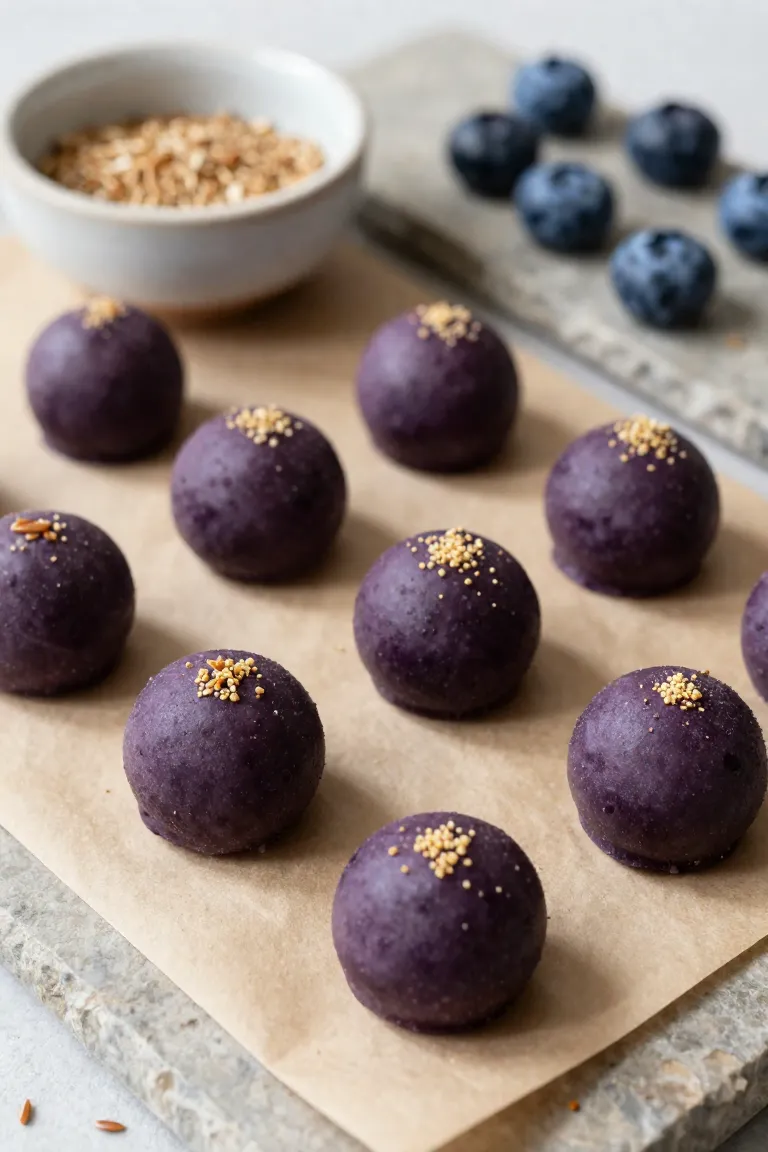
Freshly chilled treats often collect light surface condensation as ambient room humidity hits their cool exterior. Without an absorbent boundary, this moisture dissolves exterior fats and causes individual pieces to stick together in storage. Rolling the pieces in about one and a half tablespoons of finely milled golden flaxseed creates a breathable outer finish that captures moisture before it pools.
A light dusting acts as an effective natural barrier, sealing the surface while adding beneficial dietary fiber and healthy fats. Gently rolling the chilled cubes across a shallow tray dusted with flaxseed coats each side evenly, ensuring every piece lifts cleanly out of storage jars without weeping.
8. Storing In Porous Or Humid Containers That Accelerate Mold Colonization
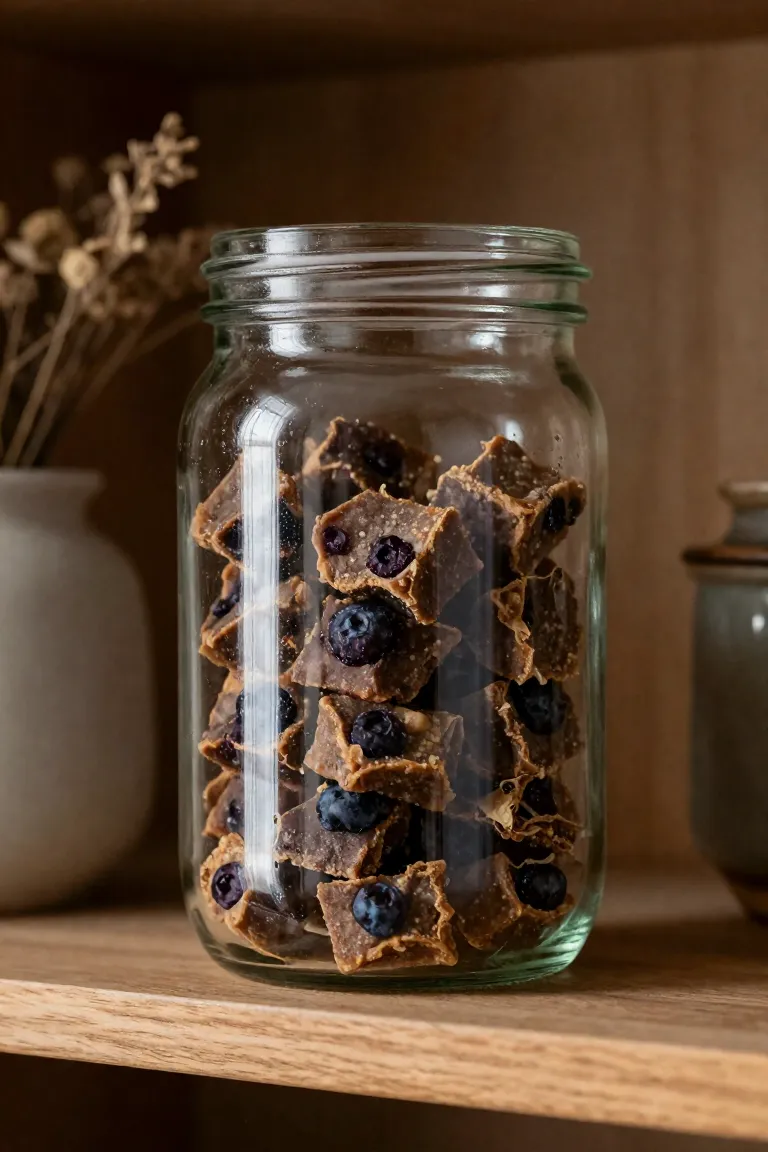
Leaving unbaked snacks in paper boxes or unsealed plastic pouches invites rapid spoilage. Ambient moisture and oxygen seep through porous materials, triggering fat oxidation and giving mold spores the humid environment they need to grow within days. Storing homemade treats properly begins with swapping flimsy bags for a non-reactive, heavy-duty container that maintains an airtight seal.
An airtight glass jar stored in the refrigerator halts moisture transfer and preserves freshness. A dedicated container with a tight rubber gasket locks out humidity and keeps your batch fresh throughout a seven-day refrigerated window.
Grain-Free Ingredient Proportions, Hydration Limits, And Chilling Matrix
Maintaining the balance between fruit hydration and grain-free binders requires consistent ratios rather than guesswork. When blending unbaked ingredients, setting a binder-to-fiber ratio of two to one by weight ensures the mixture holds together without turning into an oily paste or crumbly sand. Reliable measurements keep dough pliable during prep and resilient throughout storage.
| Dough Component | Ratio & Hydration Limit | Chilling Tolerance | Storage Window |
|---|---|---|---|
| Pureed Berry Reduction | Max 20% total dough weight | Firm after 45 min at 0°F | 7 days refrigerated |
| Coconut Flour Base | 1 part fiber to 2 parts binder | Stable at 36°F | 10 days sealed |
| Pumpkin or Nut Butter | 2 parts binder by weight | Sets firmly in freezer | 14 days cold storage |
This baseline ratio guide eliminates common texture failures before you press dough into molds. Keeping these ingredient proportions within balanced hydration limits ensures dependable results with every batch.
Canine Size-Calibrated Portion Sizing And Batch Longevity Framework
Matching treat portions to your dog's physical frame prevents accidental calorie spikes and chewing difficulties. For toy breeds under twenty pounds, press dough into half-inch rounds roughly the size of a dime, while medium dogs do well with nickel-sized bites. Active dogs over thirty pounds benefit from generous quarter-sized pieces.
Batch volume should align with realistic shelf stability, as unbaked fruit dough spoils quickly. Preparing a modest five-day supply keeps the treats fresh in the fridge, or you can freeze surplus molded portions for longer safe batch longevity.