Summary
- Digestive Sensitivity and the No-Bake Preparation Advantage
- Cold-Pressed Base Formulations and Moisture Balances
- Texture Setting, Anti-Stick Coatings, and Chilled Storage Profiles
- Starch-to-Liquid Ratio and Chilling Schedule Matrix
- Critical Gastrointestinal Pitfalls and Ingredient Sensitivities
- Digestive Tolerance Protocol and Batch Sizing Strategy
Digestive Sensitivity and the No-Bake Preparation Advantage
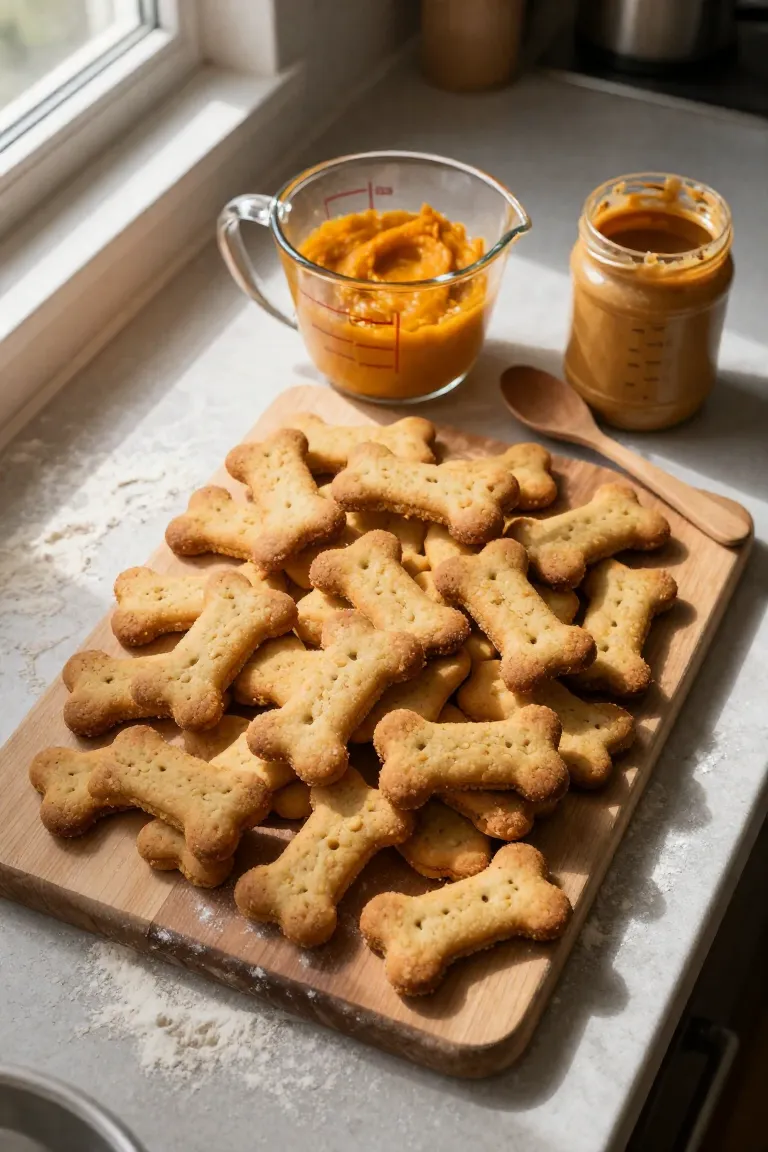
Commercial biscuits rely on high-heat starch gelatinization and grain fillers that frequently irritate sensitive canine guts. Preparing no bake dog treats avoids cooking heat entirely, preserving delicate berry polyphenols and native fruit enzymes. This simple grain-free recipe locks in a gentle 18% to 22% moisture baseline, giving your dog nourishing snacks that digest smoothly.
Cold-Pressed Base Formulations and Moisture Balances
Creating cohesive dough without grain starches depends on how low-allergen flours absorb fruit purees. Much like formulating cold-pressed recipes, you want dry fibrous binders and concentrated fruit moisture to knit together smoothly before you roll out portions.
- Absorbent bases: Finely milled coconut flour and defatted flaxseed pull in excess liquid without expanding in the gut.
- Fruit purée ratio: A measured 1:2 liquid-to-dry ratio creates pliable treats that never crumble in hand.
- Hydration rest: A ten-minute rest lets dry ingredients swell naturally into a pliable, non-sticky paste.
1. Chilled Wild Blueberry and Pumpkin Puree Emulsion
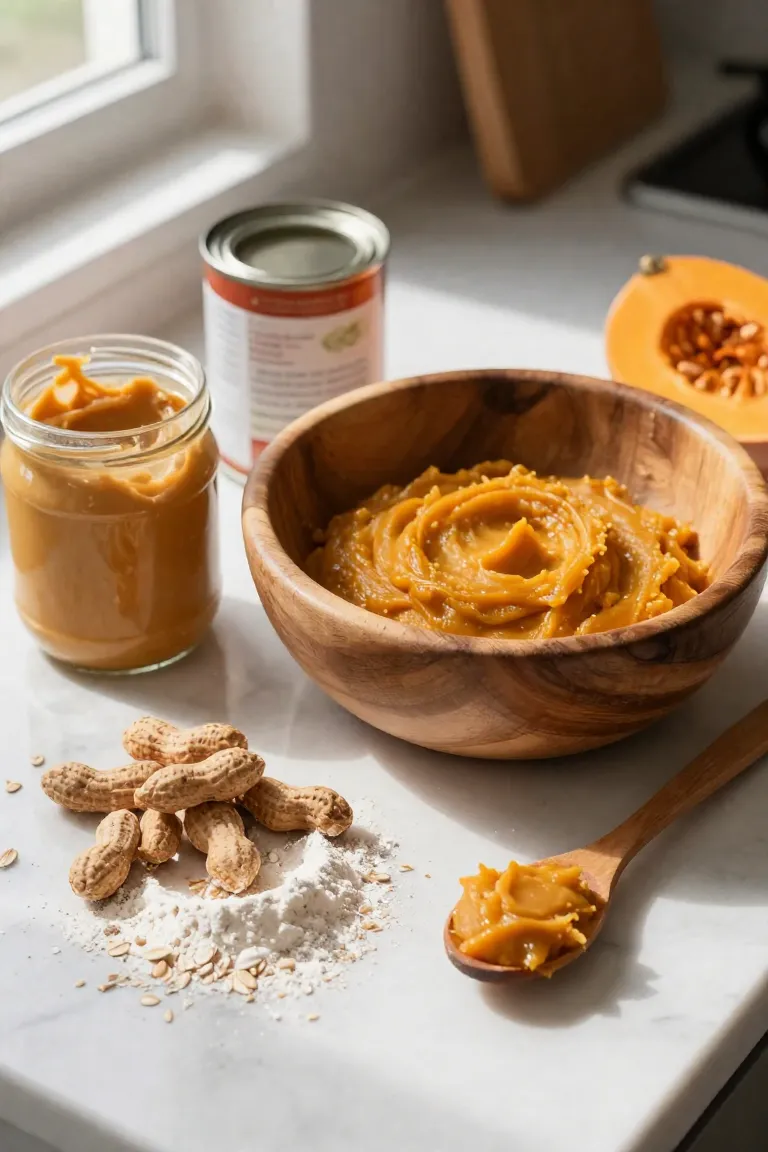
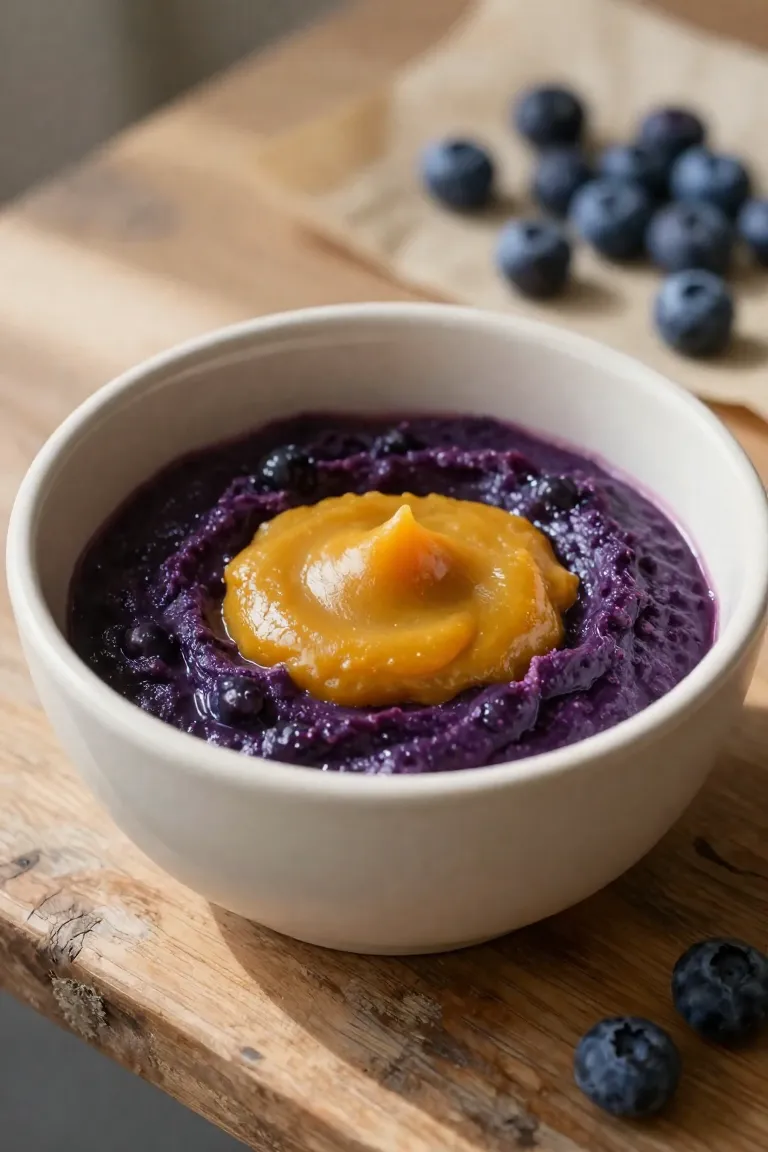
Fold 0.5 cup plain canned pumpkin into 0.25 cup unsweetened wild blueberry reduction chilled to 40°F. Excess free water breaks batter cohesion instantly, so drain any clear liquid pooled on top of the pumpkin before mixing your dough.
Use a silicone spatula to lift the cold blend from the bottom of the bowl toward the center. This steady motion suspends soluble pectin into a smooth puree without warming the bowl, keeping the blend stable before you add dry binders.
2. Ground Golden Flaxseed and Pure Coconut Flour Dough
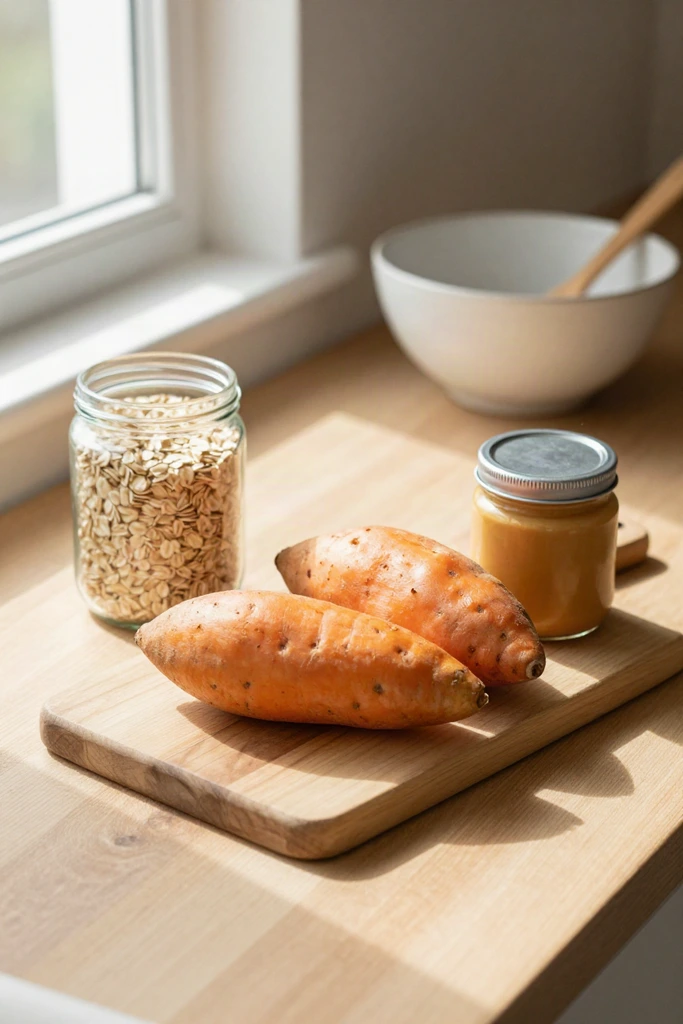
Whisk together three tablespoons of cold-milled golden flaxseed meal with 45 grams of finely sifted coconut flour before introducing any wet mixture. This dry base acts as a reliable binder, drawing moisture away from your pumpkin mixture with steady, uniform absorption. Because pure coconut flour pulls moisture rapidly, letting the bowl sit unworked past eight minutes causes the flour to dry out, locking the fiber into chalky pockets that resist blending.
Work the mass by hand against the sides of the bowl for roughly two minutes until it gathers into a supple, workable dough. When preparing coconut flour treats for dogs prone to digestive flare-ups, gentle compression softens abrasive seed particles while releasing natural mucilage. The finished texture should resemble soft modeling clay that releases cleanly from your palms, yielding soothing snacks that pass smoothly through your dog's digestive tract without irritation.

3. Cold-Formed Blueberry and Gelatin Binding Spheres
Sprinkle one and a half tablespoons of unflavored bovine collagen gelatin across two tablespoons of filtered water warmed to 95°F. Allow the granules to bloom for two minutes until clear and fluid, then fold the warm liquid directly into your prepared fruit dough. When working with unflavored gelatin, maintaining liquid temperature is vital. Letting your mixture cool below 85°F before complete incorporation causes premature setting, creating tough, rubbery pockets rather than a tender, resilient bite.
Portion the dough using a small cookie scoop to keep sizing consistent for everyday feeding. This uniform scale supports comfortable digestion and allows the bites to set evenly from crust to center:
- Scoop leveled rounds of dough directly onto a parchment-lined baking sheet.
- Roll each portion between clean palms using light pressure to form cohesive, smooth spheres.
- Transfer the tray to your refrigerator for twenty minutes to achieve balanced structural firmness before serving.
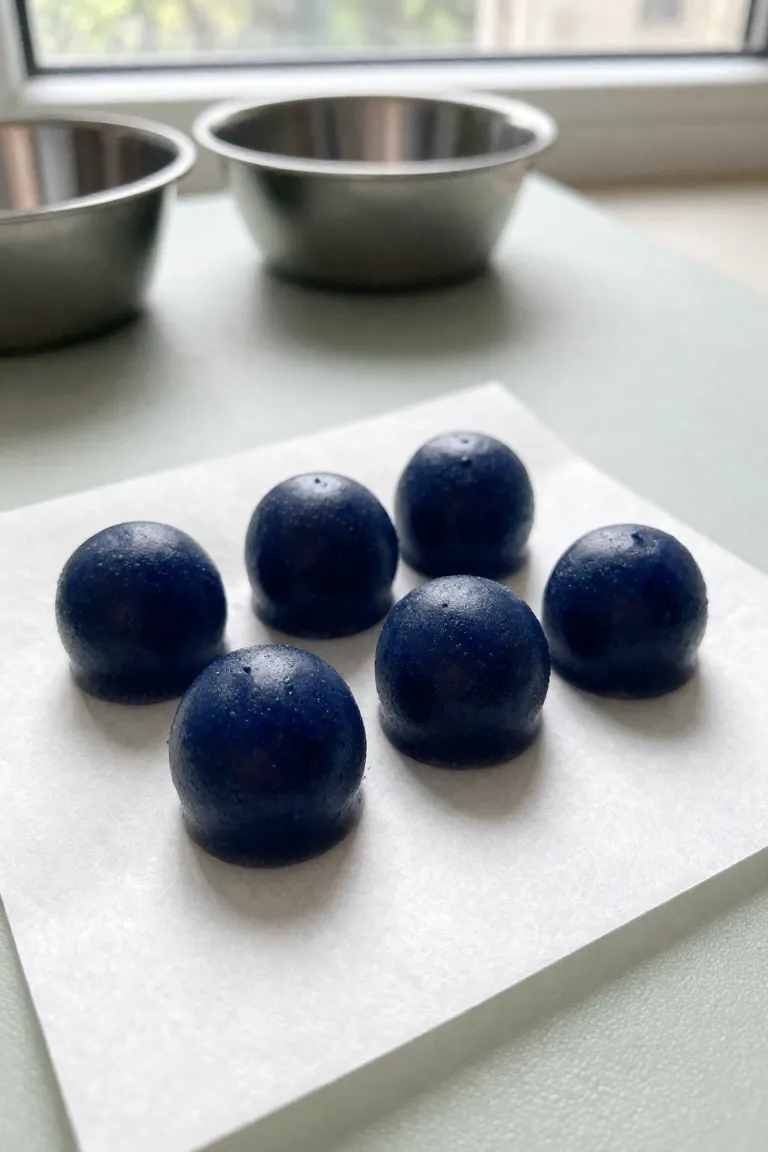
4. Raw Coconut Oil and Mashed Berry Dispersion Core
Gently warm one tablespoon of virgin coconut oil until it liquefies at 76°F, then fold it into one-third cup of coarsely crushed ripe berries. Mild mechanical pressing releases active fruit juices while keeping individual berry skins intact. Leaving these skins unbroken preserves insoluble skin fiber, slowing stomach emptying and encouraging gradual, comfortable nutrient absorption. This clean suspension distributes medium-chain fatty acids evenly through every mouthful.
A quick twelve-minute rest in the refrigerator prevents liquid fats from weeping out across the surface of your bites. If the fat separates into a greasy exterior film during shaping, return the bowl to the refrigerator for five minutes until the surface dulls. This targeted cooling locks beneficial lipids into the core of your treats, keeping your hands clean and ensuring good digestive tolerance during feeding.

Texture Setting, Anti-Stick Coatings, and Chilled Storage Profiles
Chilling raw dough without an outer barrier invites condensation, which breaks down delicate fruit purees during daily refrigeration. When cold-setting treats, applying a light dry coating helps seal in moisture while keeping bacterial growth at bay.
- Shield bites from ambient moisture by locking them in sealed glass jars rather than plastic bags.
- Chill treats at 38°F on parchment-lined sheets before transferring them into long-term containers.
- Keep portions separated with wax paper squares to protect the texture across a two-week feeding window.
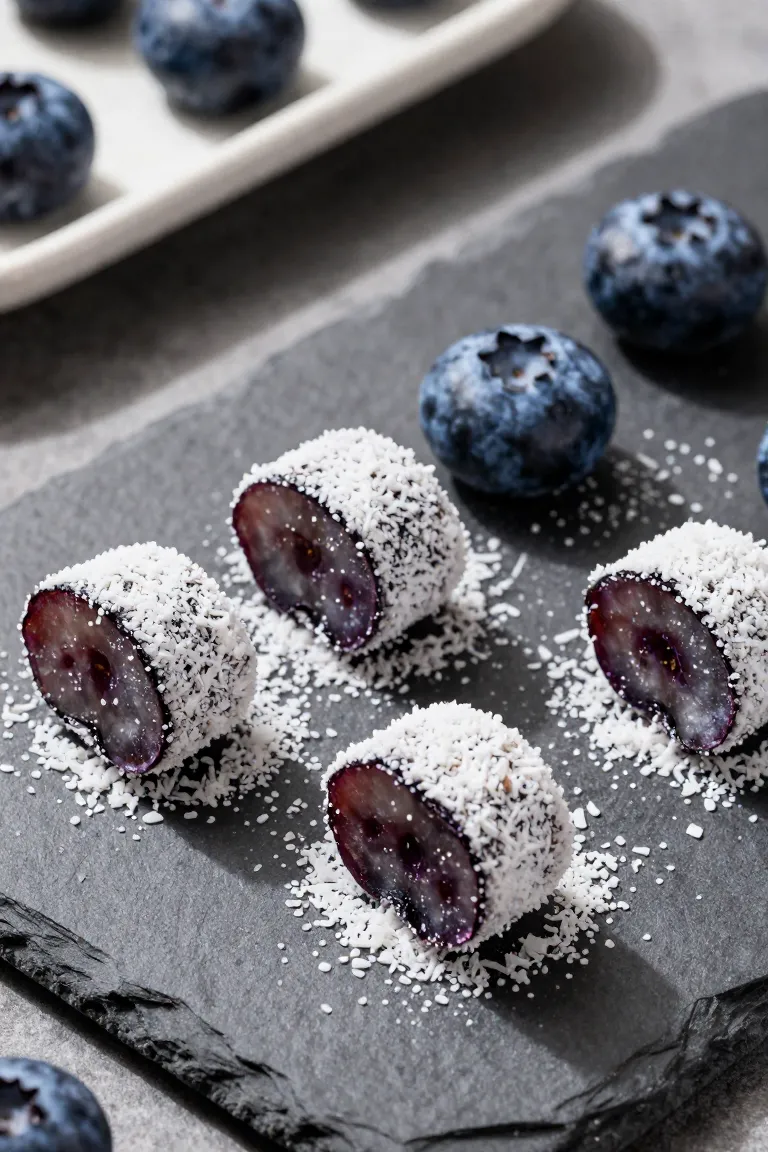
5. Fine Unsweetened Shredded Coconut Rolling Matrix
Room temperature oils cause unshielded bites to soften and turn sticky on kitchen counters. Rolling each portion in two tablespoons of fine, unsweetened coconut creates a protective coating that resists ambient humidity during training walks.
- Chill each portion for five minutes until the surface firms up slightly.
- Toss the cold bite directly into the dry bowl to build an even outer layer.
- Press the flakes gently with your palms for clean prep and dependable flake hold.
6. Prebiotic Green Banana Flour Firming Dust
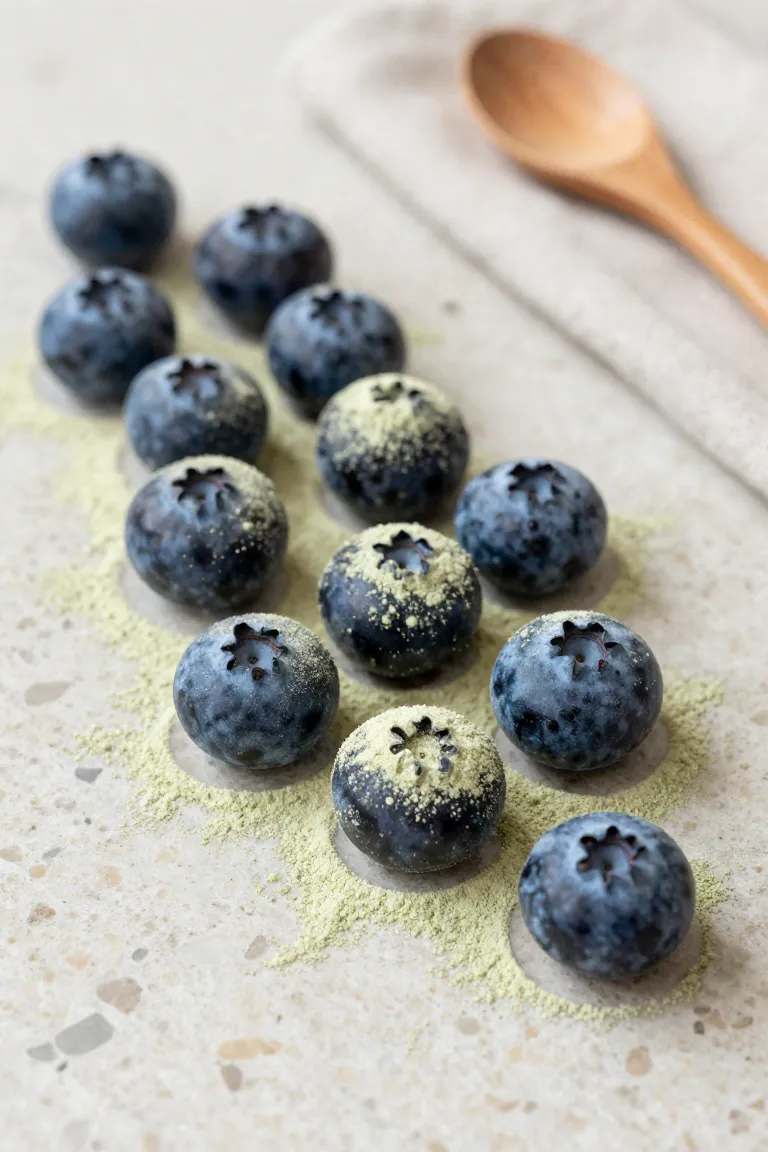
A light dusting of raw green banana flour introduces soluble resistant starch that feeds healthy bowel flora. Setting finished bites on a wire cooling rack lets you sift a light 15-gram veil across the treats without creating clumps.
Stylist Rule: Limit powder to under half teaspoon per bite to prevent dry throat clearing in flat-faced dogs while serving these gut-friendly snacks.
7. Rapid Blast-Chill Stabilization on Perforated Trays
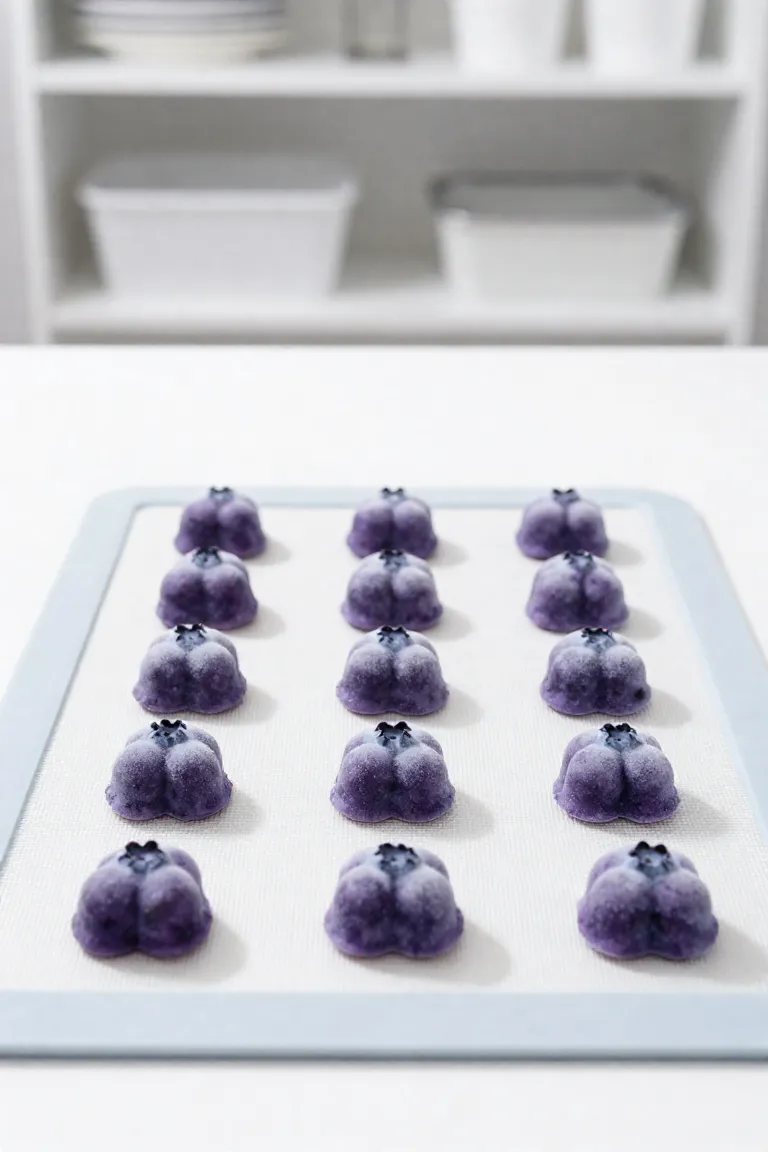
Transferring your dusted spheres immediately onto perforated baking racks lined with food-grade silicone mesh locks in their round shape. When chilling homemade treats on solid metal sheet pans, trapped warmth forms micro-condensation puddles along the bottom surfaces, dissolving the fruit binders and creating soggy bases. Suspending the pieces over open perforations allows circulating air to cool both the top and underside simultaneously.
Keep roughly an inch of clear space between each piece on the wire grid. An initial 25-minute rest at 34°F accelerates the setting process by solidifying natural coconut fats evenly throughout the core. This targeted drop in temperature produces a firm consistency that holds together cleanly during handling without sticking to your fingers.
8. Airtight Herb-Infused Cold Pantry Storage
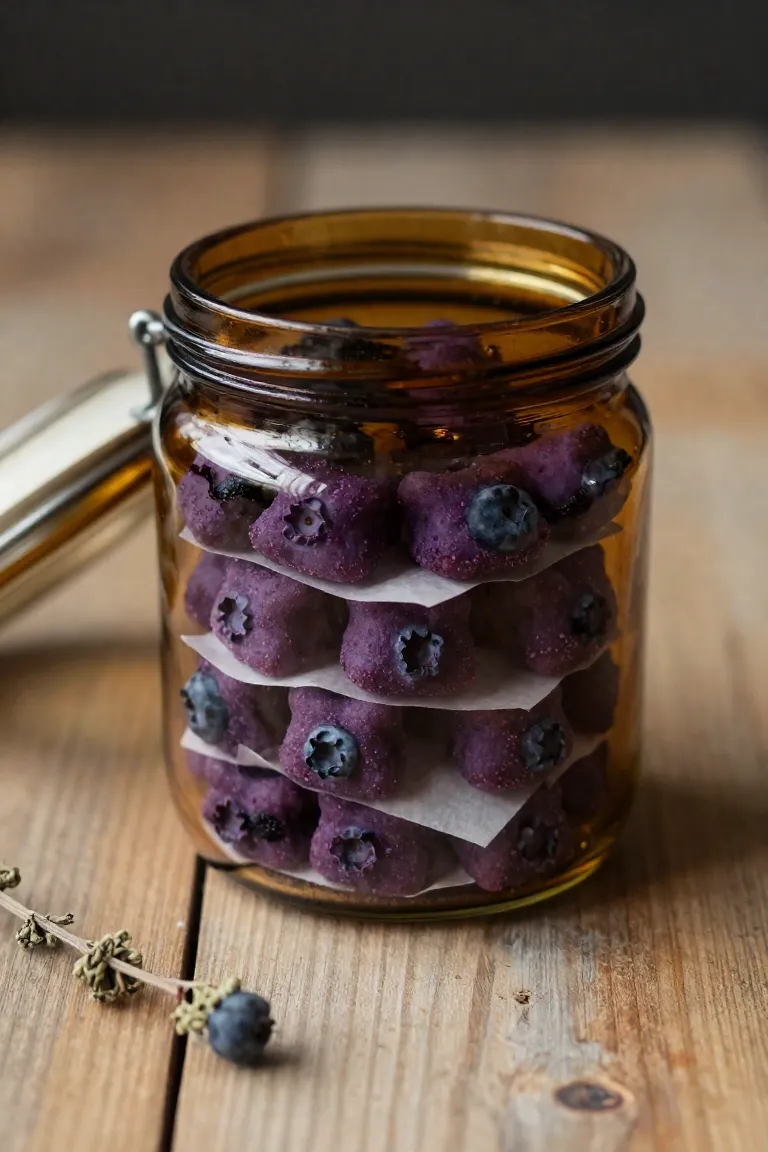
Once the bites feel solid to the touch, transfer them into dark amber glass jars lined with cut squares of unbleached parchment paper. Storing homemade treats in thin polyethylene zip pouches often leads to premature spoilage, as flimsy plastics breathe moisture and accelerate surface mold within 48 hours. Glass creates an impermeable seal that protects active berry antioxidants from ambient humidity and oxygen breakdown.
Tuck a single dry rosemary sprig between your parchment tiers to supply subtle natural freshness. Keep the sealed jar tucked toward the back of your refrigerator at or below 38°F, where temperature swings from opening the door cannot disrupt freshness. This controlled cold environment maintains peak freshness for up to 10 days while keeping sensitive fats from softening.
Starch-to-Liquid Ratio and Chilling Schedule Matrix
The balance between dry absorbent flours and whole fruit purees determines whether your mixture sets into durable snacks or slumps into a loose paste. Because coconut flour absorbs up to four times its weight in moisture, small deviations in ingredient ratios noticeably shift your final texture. Following dependable ingredient ratios helps you pair baseline hydration levels with reliable rest windows.
| Base Moisture Level | Flour to Purée Ratio | Target Consistency | Resting Window |
|---|---|---|---|
| High Moisture (65%) | 25g flour / 75g purée | Tender bite | 45 mins at 35°F |
| Balanced Base (50%) | 40g flour / 60g purée | Firm sphere | 25 mins at 34°F |
| Dense Matrix (35%) | 55g flour / 45g purée | Chewy disc | 15 mins at 38°F |
Consult this reference guide whenever seasonal humidity changes your base purée thickness so your bites firm up smoothly without cracking.
Critical Gastrointestinal Pitfalls and Ingredient Sensitivities
Even naturally formulated snacks present real risks if you overlook subtle processing details. Prioritizing ingredient safety means scrutinizing store-bought nut butter labels for xylitol or birch bark extract, which trigger rapid hypoglycemia in dogs. Beyond avoiding toxic ingredients, piling too much flaxseed or green banana starch into a single portion causes osmotic diarrhea by pulling excess water into the colon.
- Inspect seed butter labels to confirm roasted nuts remain the sole ingredient without sugar alcohols.
- Limit ground flax to keep insoluble roughage from irritating an already reactive bowel.
- Discard batches showing any sour odor or oily film caused by warm room air.
Stylist Rule: Store raw batches cold to prevent fat oxidation and steer clear of common digestive pitfalls.
Digestive Tolerance Protocol and Batch Sizing Strategy
Introducing new textures to a reactive pet requires patience and small test portions. When setting up a sensitive feeding routine, offer a quarter-sized piece rather than a full treat, then watch your pet closely over a 48-hour observation window. This deliberate pause allows you to evaluate stool consistency, flatulence levels, and energy changes before folding these bites into daily training work.
- Offer one half-gram bite to toy breeds or a single two-gram bite to larger dogs with meals.
- Monitor stool quality and gut sounds for two full days to confirm comfort.
- Scale up gradually according to established feeding guidelines once tolerance is clear.
Small, consistent test batches always work best to confirm digestive comfort before preparing larger quantities.