Introduction: Sourcing Ingredients for Sensitive Dog Stomachs
Watching your dog turn away from commercial biscuits or deal with sudden digestive trouble after snack time is frustrating. A simple batch of homemade sweet potato and oat cookies gives your pup a gentle alternative that calms the gut, provided you start with clean components. How you choose your base items determines whether a treat settles smoothly or triggers another uncomfortable flare-up.
- Select unadulterated staples free from synthetic preservatives and artificial dyes.
- Pick pure, human-grade items to avoid hidden fillers that irritate sensitive canine intestines.
- Check packaging carefully for clean processing standards to eliminate gluten or dairy cross-contact.
The Best Oats for Digestion-Friendly Baking
Swapping out traditional wheat flour protects your dog from common allergen flares while delivering soluble fibers that calm irritable bowels. Pure groats and their milled derivatives are naturally gluten-free and pack beta-glucan, a prebiotic compound that steadies gut motility and firms up waste without overloading a sluggish stomach. When you scan supermarket shelves, you will find steel-cut groats, old-fashioned rolled flakes, quick-cooking varieties, and instant packets. Unflavored, minimally processed options carry the highest nutritional density and break down easily once blended or heated, whereas flavored instant packets loaded with excess sodium or sweeteners irritate fragile digestive tracts. Choosing the right consistency depends on how these grains are rolled and steamed, starting with the least refined whole flakes in the pantry.
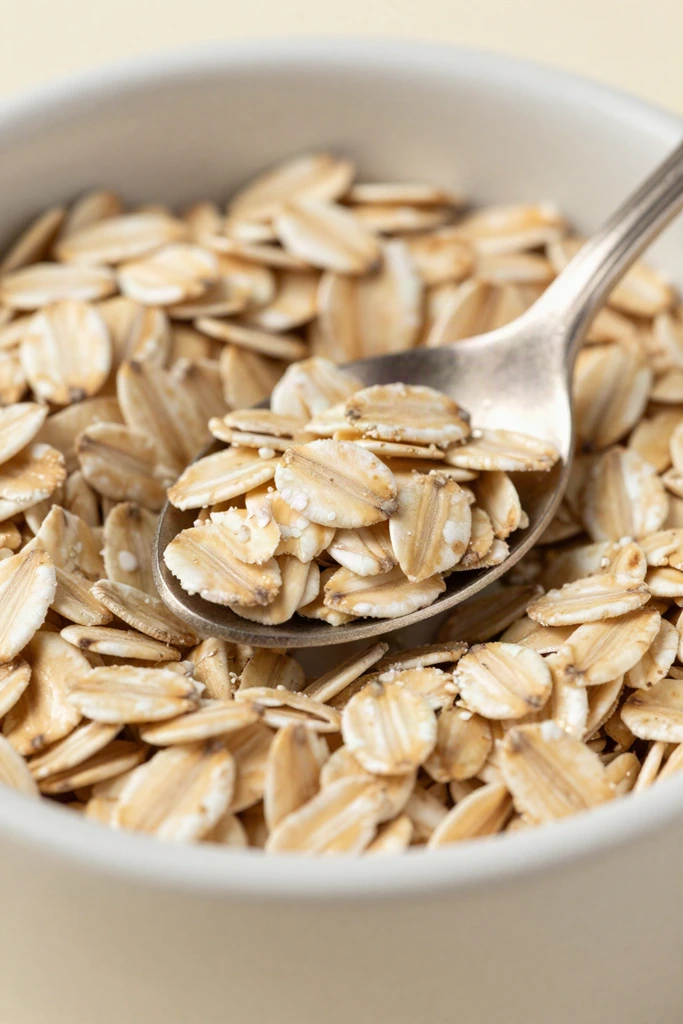
1. Organic Whole Rolled Oats
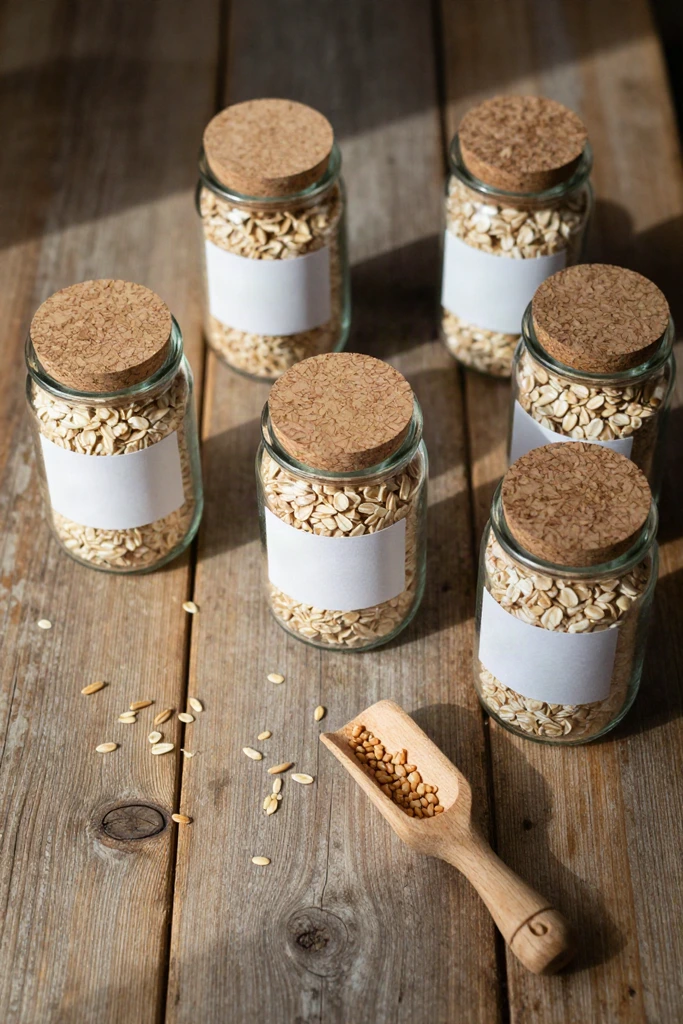
These minimally processed flakes retain both the nutrient-dense germ and outer bran layer, giving your dog clean nourishment free from synthetic pesticide residue. The high soluble fiber content acts like a natural sponge in the digestive tract, which aids in solidifying stool and regulating daily digestion. Because the grain breaks down at an even pace, your pup gets steady gut comfort without sudden gastrointestinal upset.
For optimal digestion, a brief pulse in a countertop blender turns the coarse flakes into a fine, easily digestible oat flour. This homemade powder mixes evenly into dough, keeping your baked treats structurally sound while ensuring your dog's stomach avoids working overtime to break down dense groats. The finished biscuits bake up tender and crumble apart under light pressure.
2. Certified Gluten-Free Quick Oats
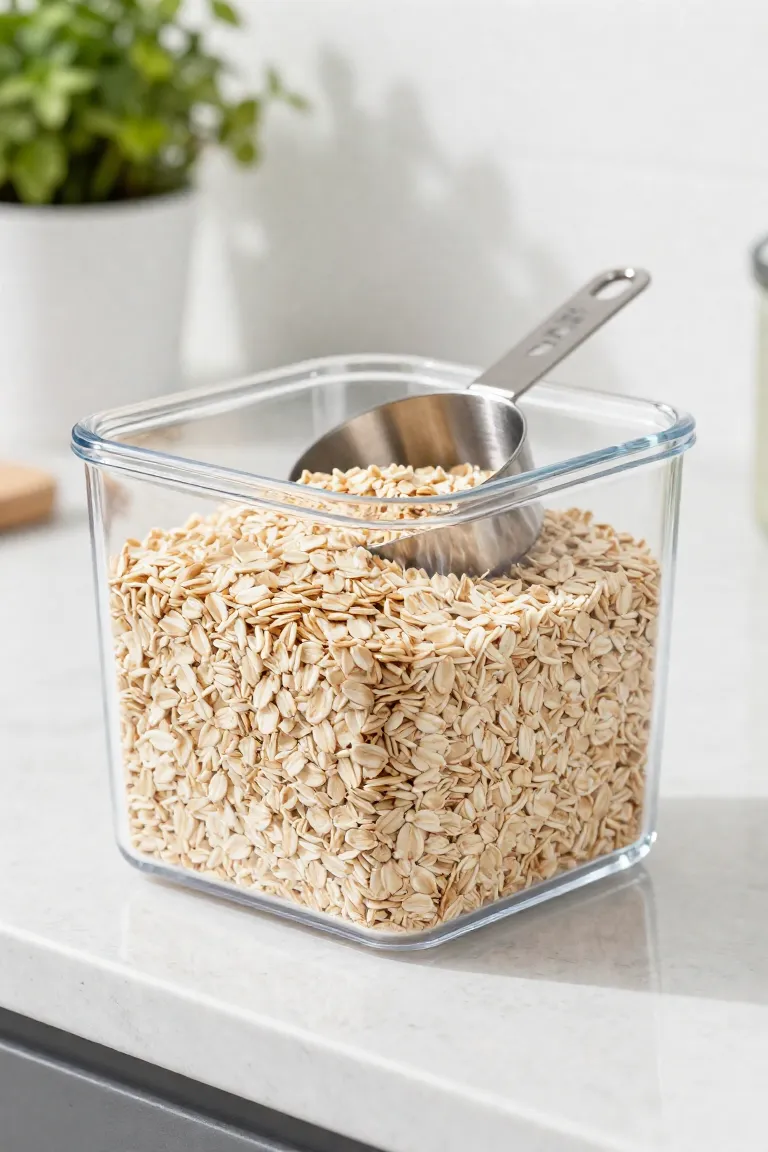
Steaming and rolling oat groats into thinner flakes helps them soften immediately in dough, creating a carbohydrate base your dog can process with minimal digestive effort. Because commercial grain facilities routinely run wheat and barley through the same hoppers, standard packaging carries cross-contamination risks that trigger flare-ups in prone pups. Checking the package for dedicated certifications confirms the grains were grown and milled in isolated environments.
- Look for a third-party seal verifying gluten levels remain strictly under ten parts per million.
- Inspect the ingredient panel to confirm zero added sugars or excess sodium are mixed in.
- Select unflavored, plain varieties so you retain total control over every binder entering your mixing bowl.
Sourcing Sweet Potatoes for Maximum Nutrition
Bright orange tubers serve as a dependable baking foundation that calms an irritated canine gut. They pack soluble fiber that firms loose stools, alongside generous doses of vitamin A, vitamin C, and potassium. Because dogs with sensitive bellies process cooked roots much faster than dense grains, using this vegetable delivers steady energy without triggering gas or uncomfortable bloating. Picking the right type requires a sharp eye whether you shop the produce bins or canned goods aisle, since you need pure flesh free from added sugars or artificial preservatives. Both whole roots and canned purees give your recipes moisture and structure, requiring specific sourcing rules during grocery trips.
1. Fresh Organic Sweet Potatoes
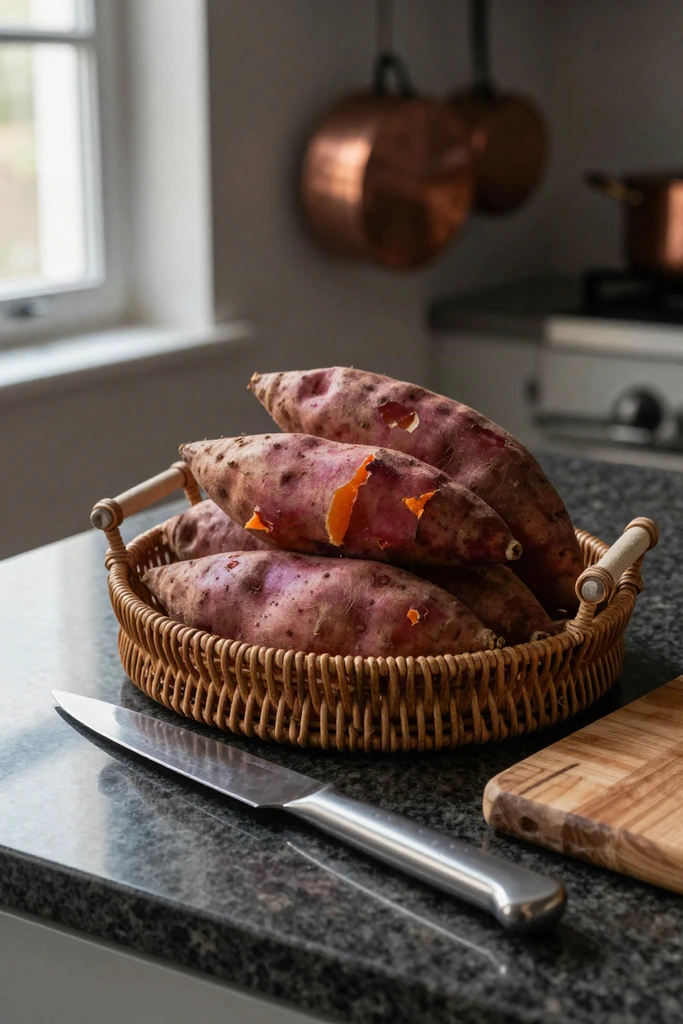
When browsing the produce aisle, pick tubers with tight, smooth skins that feel heavy and firm, skipping any roots with cracks or soft patches. Choosing certified organic stock keeps synthetic pesticide residues out of your dog's gastrointestinal tract, protecting breeds prone to sudden digestive flare-ups. After giving them a thorough rinse under cold water, peel away the fibrous outer skins and steam or bake the cubed flesh at 375°F until completely tender. Skip all butter, brown sugar, and spices, then mash the warm flesh with a fork into a smooth, digestible puree that adds natural binding power and fiber directly to your treat mix.
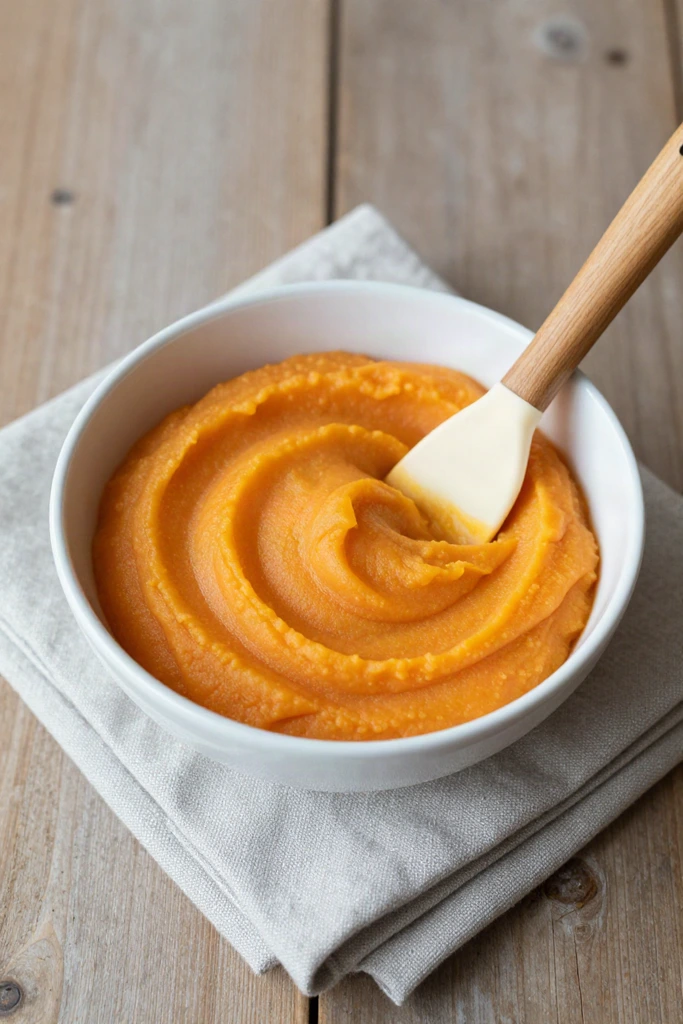
2. Pure Canned Sweet Potato Puree
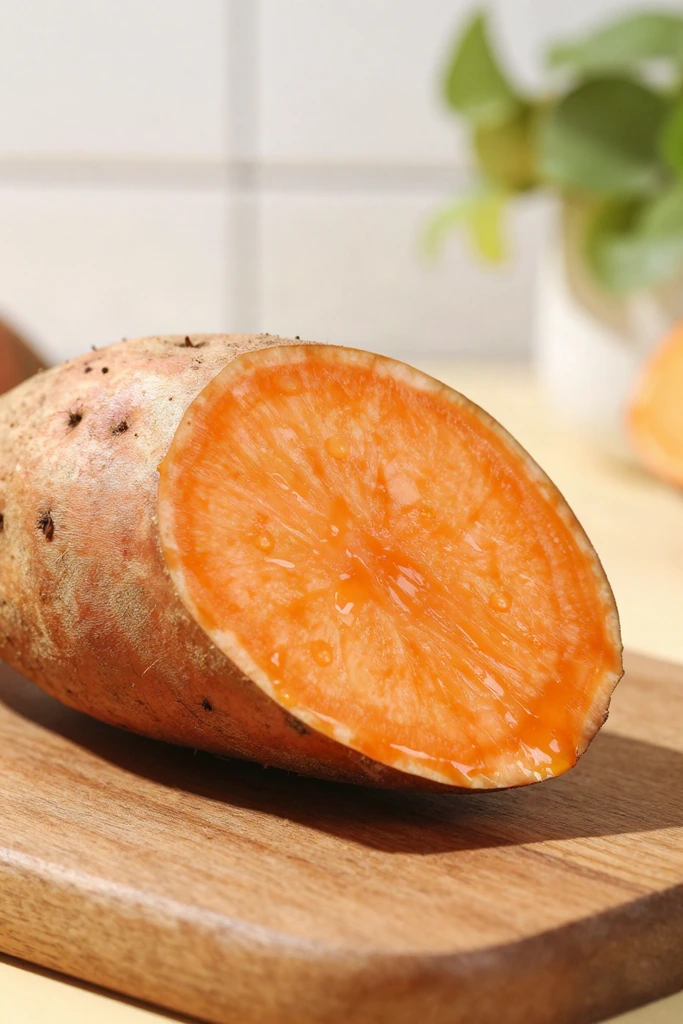
A store-bought can provides a shelf-stable shortcut for weekly batch baking. The pre-cooked mash retains high amounts of soluble fiber and potassium, mixing easily into your oat flour to create a pliable dough. Cans with BPA-free linings that list only the cooked tuber ensure your dog gets clean dietary fiber without added sodium or artificial stabilizers.
In the baking aisle, prepared pie fillings often sit directly next to plain vegetable options on grocery shelves. These dessert bases carry heavy loads of cane sugar, nutmeg, and toxic sweeteners like xylitol, all of which trigger severe digestive distress in canine stomachs. Verify the nutrition label shows zero added seasonings before folding the puree into your batter.
Safe Binders and Healthy Fats
Dry oat bases require structural moisture and clean lipids to hold crisp shapes without crumbling on the baking sheet. Standard kitchen recipes often depend on heavy butter or whole eggs, yet dense dairy proteins and greasy animal fats frequently cause loose stools in dogs with delicate systems. Using gentle plant moisture alongside light, digestible lipid sources keeps the mixture workable while protecting sensitive canine gut linings from irritation. These stomach-friendly components bind each crumb securely, creating a pliable dough that breaks down easily during digestion.
1. Unsweetened Organic Applesauce
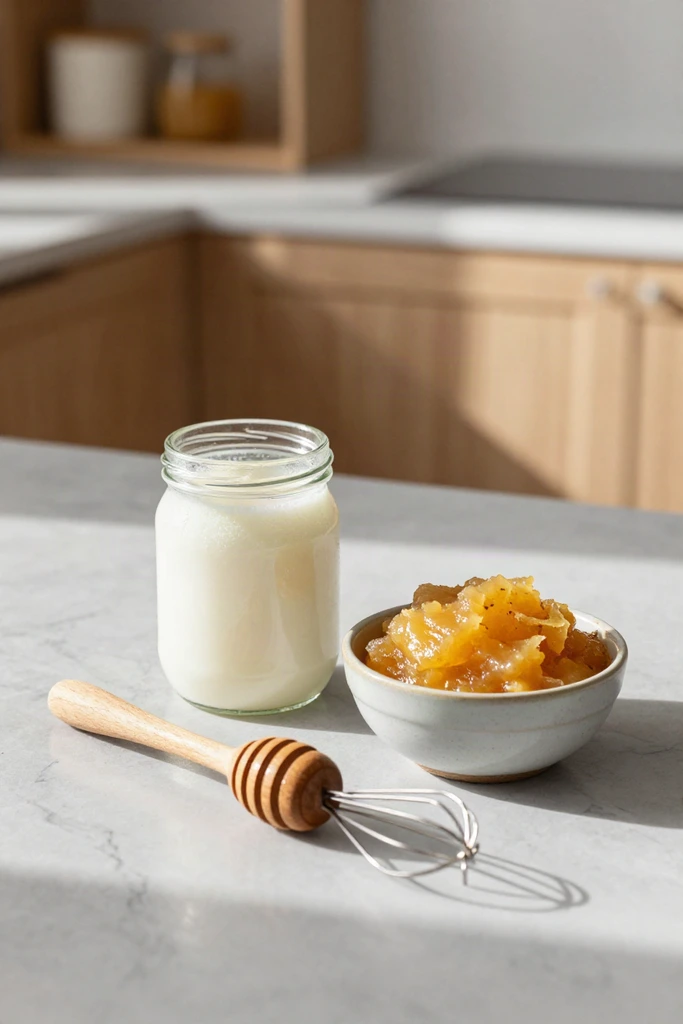
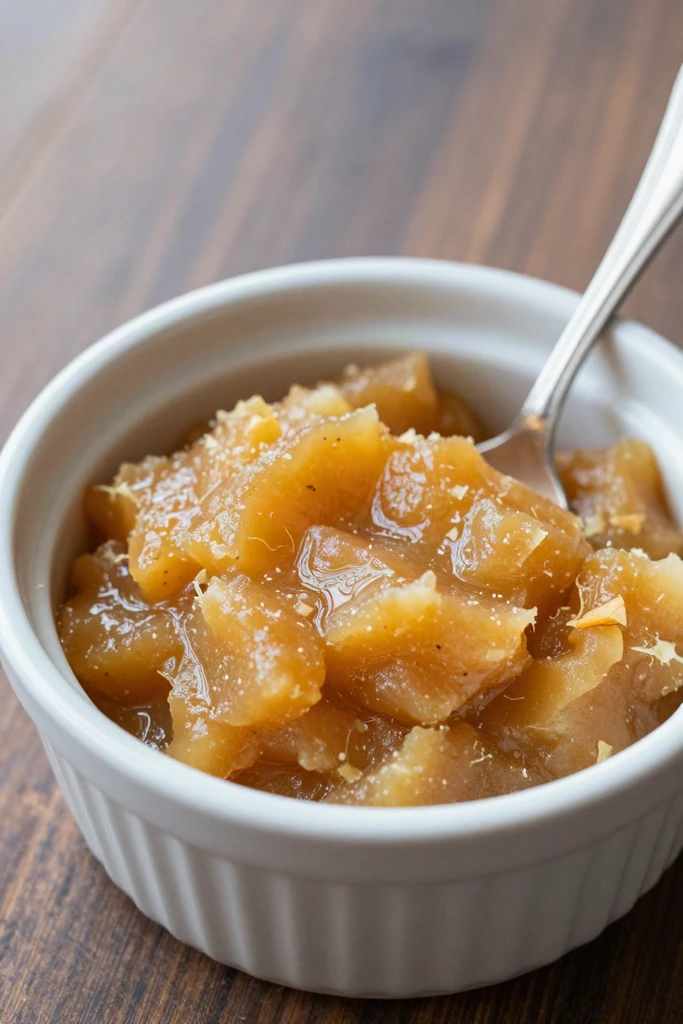
Pure cooked fruit acts as a reliable binder to replace eggs or soften a dense baking mix. The pectin inside unsweetened applesauce binds dry flours together, giving homemade biscuits a tender crumb that breaks apart easily for dogs with sensitive bellies. Adding this puree brings natural dough moisture without requiring heavy oils or animal proteins that trigger an upset stomach.
The ingredient label on your jar requires close attention before anything goes into the mixing bowl. You want a short list of organic apples and water, avoiding added sugars and toxic sweeteners like xylitol. Preservative chemicals such as sodium benzoate or potassium sorbate irritate sensitive digestive tracts, making pure cooked fruit the safest option for homemade treats.
2. Cold-Pressed Virgin Coconut Oil
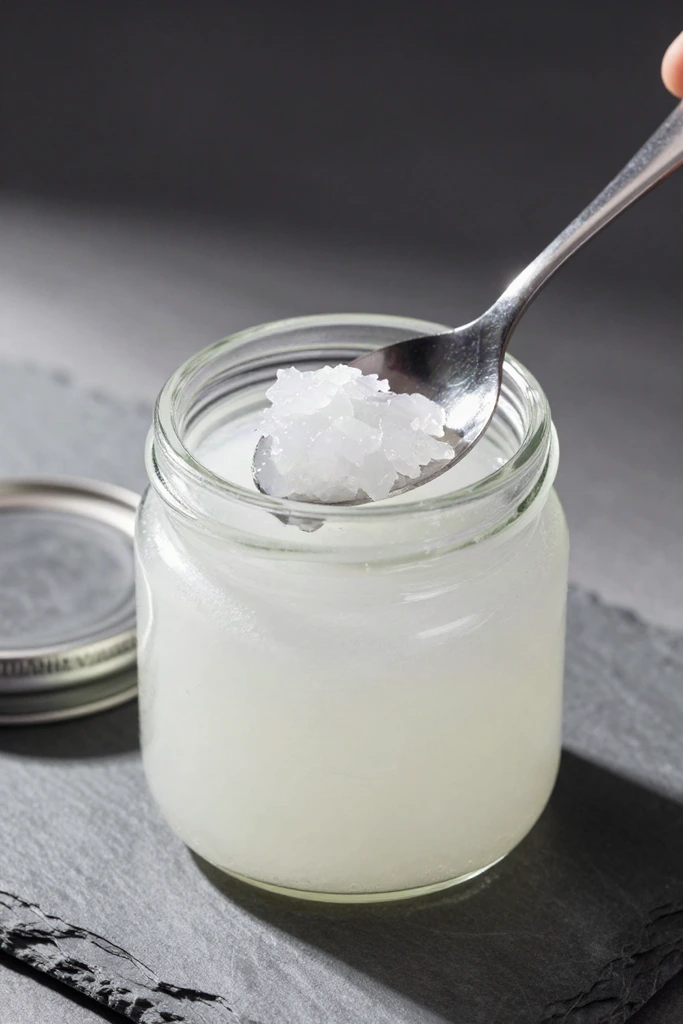
Cold-pressed virgin coconut oil provides medium-chain triglycerides that break down easily in your dog's digestive tract without stressing their pancreas. Unrefined coconut oil extracted through gentle pressing retains natural lauric acid, supporting moisturized skin and reducing seasonal flakiness under coarse coats. This healthy fat binds dry oat flour cleanly during prep, giving your baked biscuits a firm structure that holds together on baking sheets.
For dogs unaccustomed to rich dietary fats, careful portioning matters when measuring this ingredient into your batter. High lipid content quickly leads to loose stools and mild stomach upset, so stick to a single teaspoon across an entire batch of treats. Starting with minimal amounts lets your dog's digestive system adapt comfortably to the new ingredient.
Essential Spices and Extras for Digestive Health
Several mild pantry items help soothe digestion while making homemade biscuits highly enticing. Choosing pure, single-ingredient versions keeps treat batches safe and easy on sensitive bellies.
- A tiny pinch of ground ginger calms nausea and reduces gas buildup in the stomach.
- A splash of plain, onion-free bone broth adds savory flavor and natural moisture without irritating the gastrointestinal tract.
- A light dusting of Ceylon cinnamon provides aromatic warmth while supporting balanced blood sugar.
Frequently Asked Questions
When swapping standard wheat in your kitchen, finely ground oat flour or brown rice flour work as gentle, low-risk alternatives that hold baked dough together without upsetting your pup's digestive tract. If a new pantry staple disagrees with your dog, watch for early signs of an adverse reaction such as paw chewing, sudden gas, or loose stool within several hours of feeding. To prevent intestinal distress, transition your dog to homemade baked snacks slowly across five to seven days by offering a single thumbnail-sized morsel on the first day before gradually replacing standard biscuits. Keeping a clean note of every whole-food ingredient you mix into the bowl makes it easy to isolate any troublesome items.
Conclusion
Taking charge of what goes into your oven removes the anxiety that often comes with store-bought dog snacks. When you select certified whole oats, unadulterated sweet potato, and cold-pressed coconut oil yourself, there are no mystery gums or unlisted preservatives left to trigger an upset stomach. You see every single component that enters the bowl, giving you full control over your pet's digestive wellness.
A fresh tray of baked biscuits brings genuine peace of mind with every batch. Once you stock your pantry with clean staples, pulling together a week's worth of digestive-friendly treats takes only a short afternoon bake. Keep your finished cookies in a sealed glass container, and pin this recipe to your favorite pet care board for your next baking session.