Summary
- The Dangerous Realities of Unbalanced Homemade Chicken Cat Food
- Omitting Bone or Calcium Powder: The Catastrophic Calcium-to-Phosphorus Inversion
- Feeding Cooked Chicken Bones: Catastrophic Internal Splintering and Perforation Risks
- Relying Exclusively on Boneless Chicken Breast: Severe Lean-Protein Nutrient Starvation
- Neglecting Supplementary Taurine: The Silent Trigger for Feline Cardiomyopathy
- Skipping Chicken Liver and Secreting Organs: Inducing Acute Vitamin A Starvation
- Trimming Away All Skin and Adipose Tissue: Essential Fatty Acid Depletion
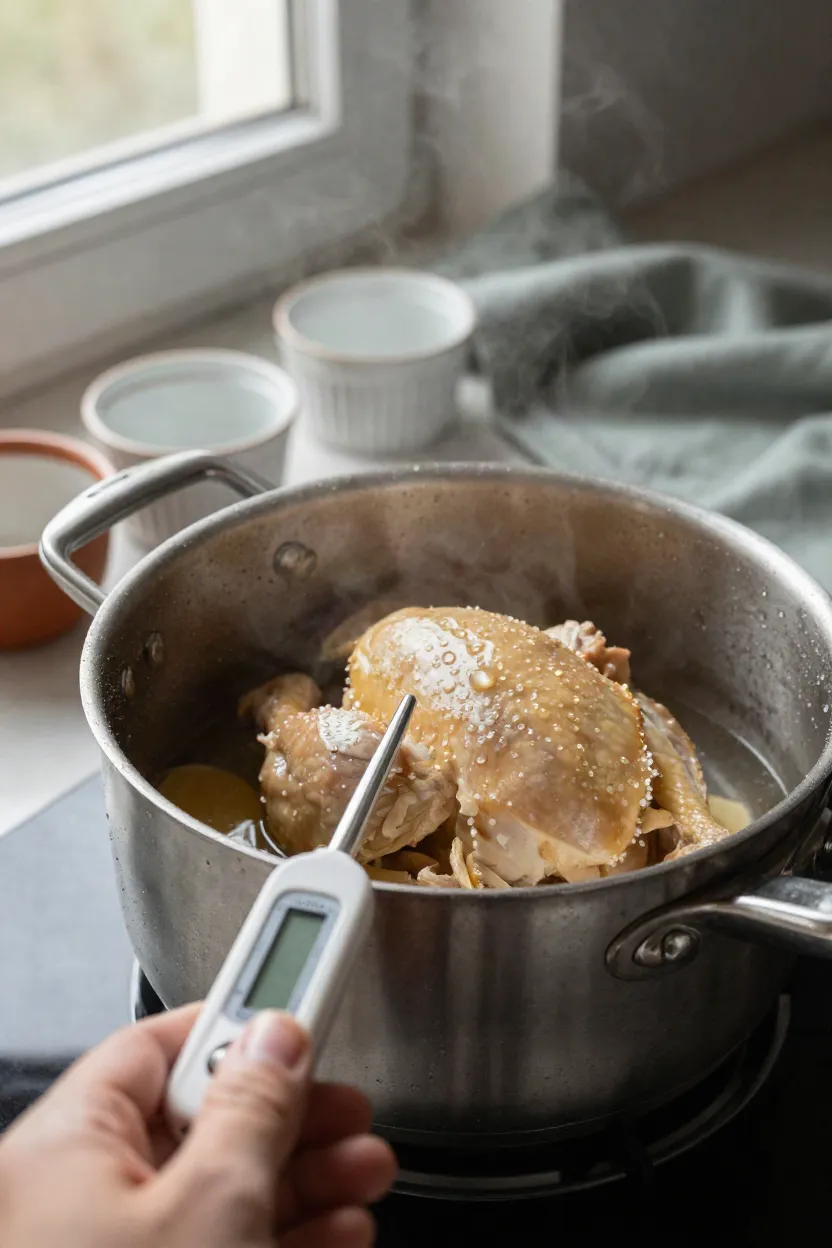
- Boiling Chicken at High Heat: Thermal Degradation of Water-Soluble B-Vitamins and Taurine
- Overdosing Cod Liver Oil: Triggering Toxic Hypercalcemia and Vitamin D Intoxication
- Volumetric Measuring Instead of Gram Weighing: Dangerous Cumulative Recipe Drift
- Repurposing Human Multivitamins or Table Seasonings: Allium Toxicity and Zinc Imbalance
- Warm Water Thawing and Extended Storage: Thiaminase Activation and Bacterial Spoilage
- Omitting Marine Omega-3 Fatty Acids: Unchecked Pro-Inflammatory Arachidonic Cascades
- Bypassing Veterinary Completion Premixes: The Vulnerability of Unbalanced Homemade Batches
- Essential Feline Calcium-to-Phosphorus Ratios and Micronutrient Benchmarks
- Clinical Deficiency Diagnostic Checklist: Recognizing Early Warning Signals in Cats
- Actionable Batch Protocol: Choosing Formulation Safety Over Guesswork
The Dangerous Realities of Unbalanced Homemade Chicken Cat Food
Setting a bowl of plain simmered poultry on your counter looks wholesome, yet unsupplemented muscle meat creates severe metabolic vulnerabilities for an obligate carnivore. Without precise formulation, a homemade chicken cat food recipe triggers rapid skeletal demineralization and cardiac strain. Practicing feline nutrition raw feeding or home cooking requires measuring micronutrients down to the gram, preventing catastrophic cat food nutrient deficiency risks before permanent systemic damage takes hold.
Omitting Bone or Calcium Powder: The Catastrophic Calcium-to-Phosphorus Inversion
Raw poultry muscle delivers abundant phosphorus but almost zero calcium, throwing feline metabolic balance into acute shock. When you feed boneless meat without a mineral binder, the parathyroid gland strips calcium straight from your cat's skeletal frame to stabilize blood serum levels, leading to brittle bones and rubber jaw syndrome. Maintaining a strict calcium phosphorus ratio cat food benchmark between 1:1 and 1.2:1 demands deliberate mineral addition at your prep station.
- Sourcing ultra-fine eggshell powder for cat food balances unsupplemented muscle meat by delivering roughly 2,000 milligrams of elemental calcium per standard teaspoon.
- Weighing 5.5 grams of food-grade calcium carbonate or purified eggshell flour per kilogram of raw boneless poultry locks in the critical calcium-to-phosphorus equilibrium across every meal batch.
- Calculating the raw cat food bone ratio requires accounting for approximately 10 percent edible bone by weight when you grind whole cuts instead of using dry powders.
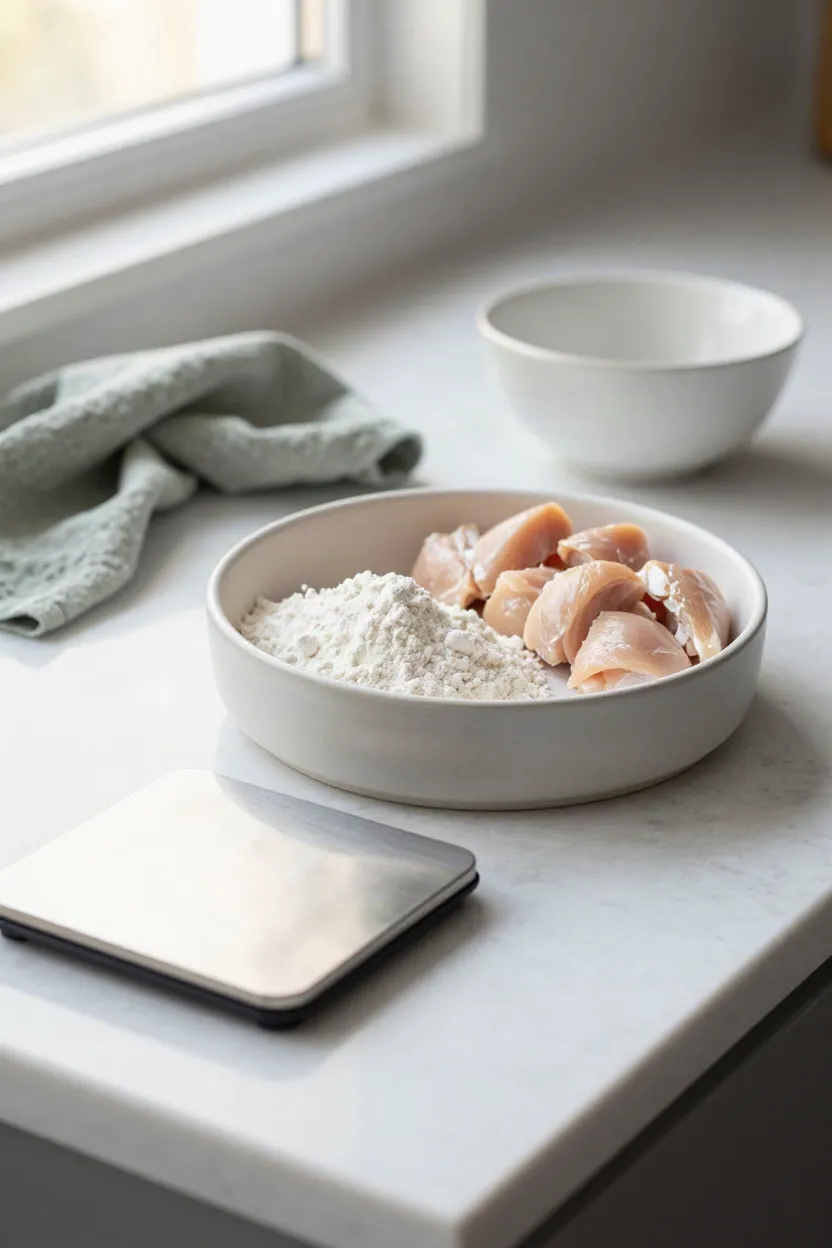
Place these fine powders into your ceramic prep ramekins before blending to guarantee uniform distribution and protect skeletal density across every single feeding.
Feeding Cooked Chicken Bones: Catastrophic Internal Splintering and Perforation Risks
Thermal exposure permanently alters poultry skeletal structure at a molecular level, stripping the natural moisture and elastic collagen matrix that keep raw bones pliable. Once subjected to boiling or roasting heat, the skeletal framework hardens into crystalline structures that break into needle-sharp fragments under feline bite pressure. Understanding this cooked chicken bones cat danger keeps your kitchen prep safe, because these rigid splinters slice delicate mucosal linings, gouge esophageal tissue, and create acute intestinal blockages that require emergency surgical intervention.
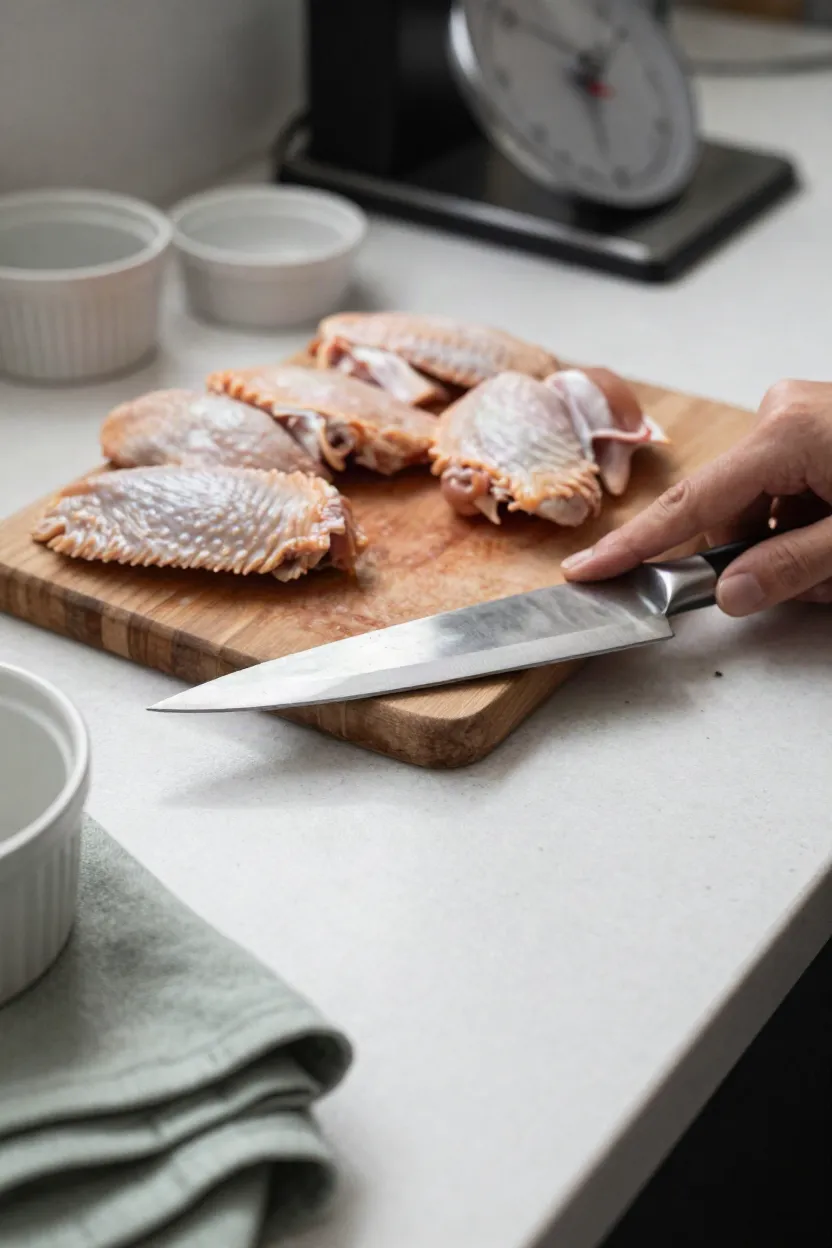
Instead of offering roasted carcasses, process fresh raw meaty bones feline diet cuts like whole chicken necks through a dedicated electric meat grinder with a fine 4-millimeter plate. If your kitchen counter lacks heavy-duty grinding hardware, follow an established cat food bone safety guide by substituting powdered food-grade microcrystalline hydroxyapatite or calcium carbonate. This approach delivers identical bioavailable mineral density while eliminating puncture hazards entirely.
Relying Exclusively on Boneless Chicken Breast: Severe Lean-Protein Nutrient Starvation
Supermarket white breast meat looks clean and premium on your quartz counter, yet its virtually fat-free profile induces hidden starvation in domestic cats. Felines depend on animal lipids rather than carbohydrates for metabolic cellular energy, healthy cell wall synthesis, and essential bile acid production. Making this common boneless chicken cat food mistake leaves your pet without fuel to absorb fat-soluble vitamins, resulting in lethargy, dull coats, and chronic organ strain.
- Addressing feline lean meat deficiencies requires blending skinless white breast meat with trimmed, skin-on dark cuts like chicken thighs and drumsticks.
- Formulating a balanced cat food recipe chicken profile means targeting an optimal lipid concentration between 15 and 20 percent on a dry matter basis.
- Evaluating cut selections on your digital scale ensures adequate saturated fats and arachidonic acid levels without overloading the pancreas with excess rendered drippings.
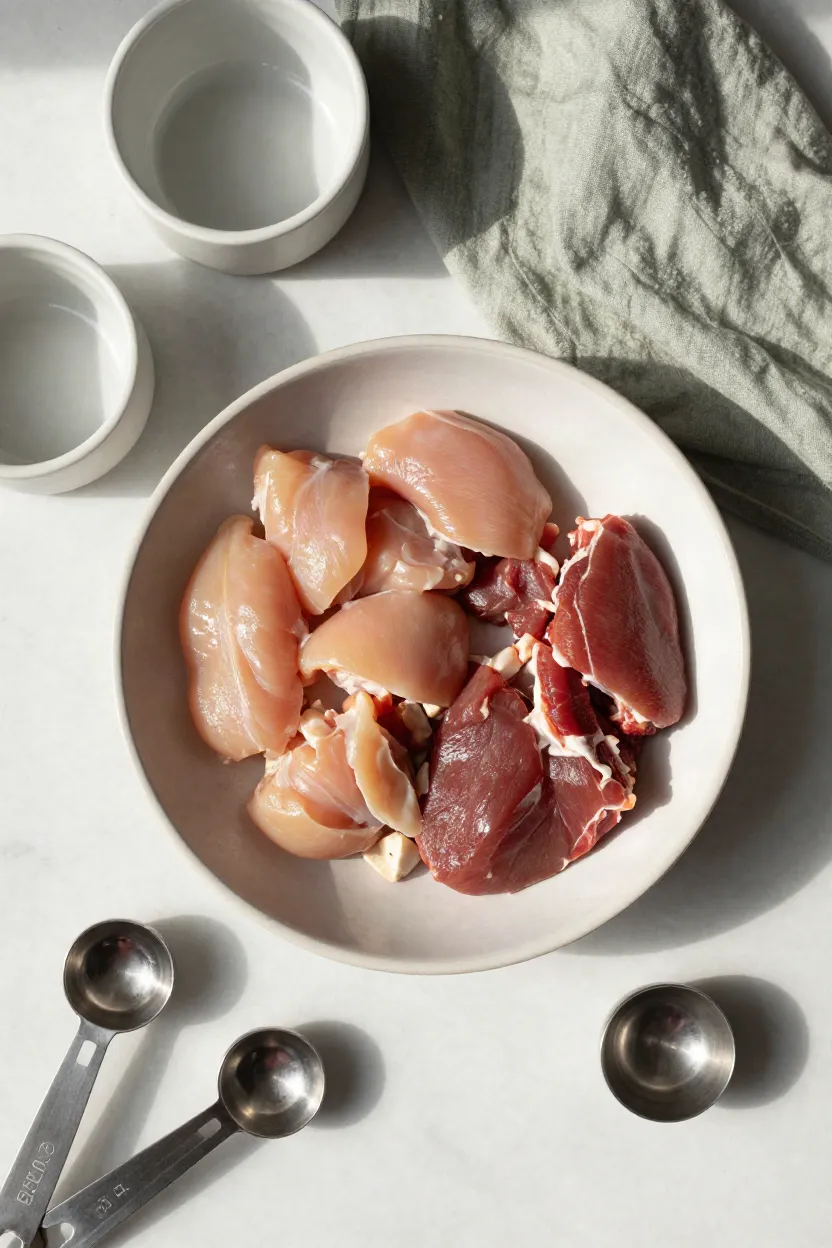
Combine equal portions of dark thigh meat and lean breast on your prep board to deliver the broad spectrum of amino acids and fuel your carnivore needs daily.
Neglecting Supplementary Taurine: The Silent Trigger for Feline Cardiomyopathy
Cats lack the critical enzymatic pathways, specifically cysteine dioxygenase and cysteinesulfinate decarboxylase, required to synthesize sufficient taurine from other amino acids. When you prepare fresh poultry at your workbench, mechanical grinding exposes broad surface areas to rapid oxidation, while cellular fluid purge carries free taurine right out of the muscle fibers. Relying strictly on raw or gently cooked meat without supplementation leaves the feline heart health diet dangerously vulnerable. Initial taurine deficiency cats symptoms remain entirely hidden for months before presenting as irreversible dilated cardiomyopathy or central retinal degeneration, making preventative formulation essential.
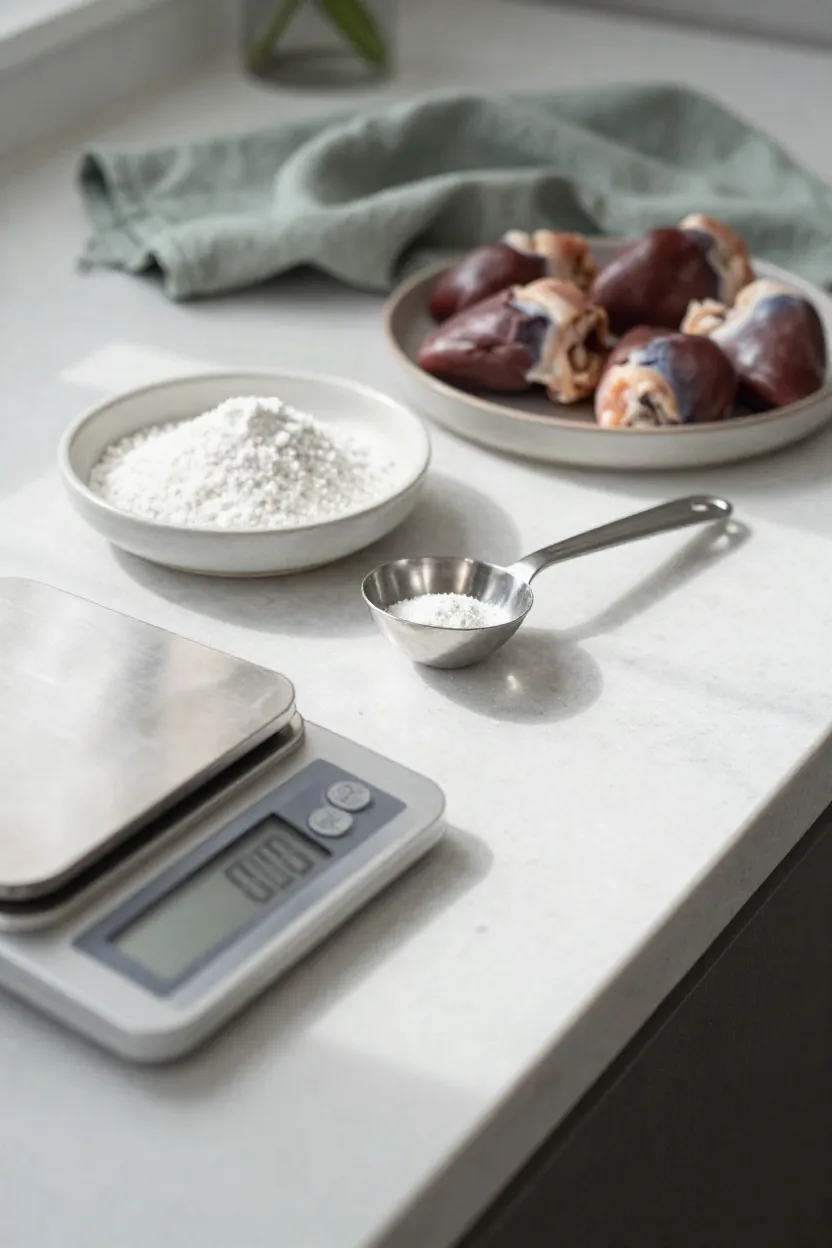
Every prepared poultry batch requires explicit fortification to prevent cumulative metabolic shortfalls. Measure a precise taurine powder cat food dosage of 250 mg to 500 mg per pound of whole meat mixture using a digital scale or precision micro-spoon. Because taurine is completely water-soluble, any excess passes harmlessly through normal renal excretion without risk of toxicity. Dissolve the fine white crystals directly into your reserved meat liquids before folding the mixture into the protein base, guaranteeing even distribution throughout the meal.
Skipping Chicken Liver and Secreting Organs: Inducing Acute Vitamin A Starvation
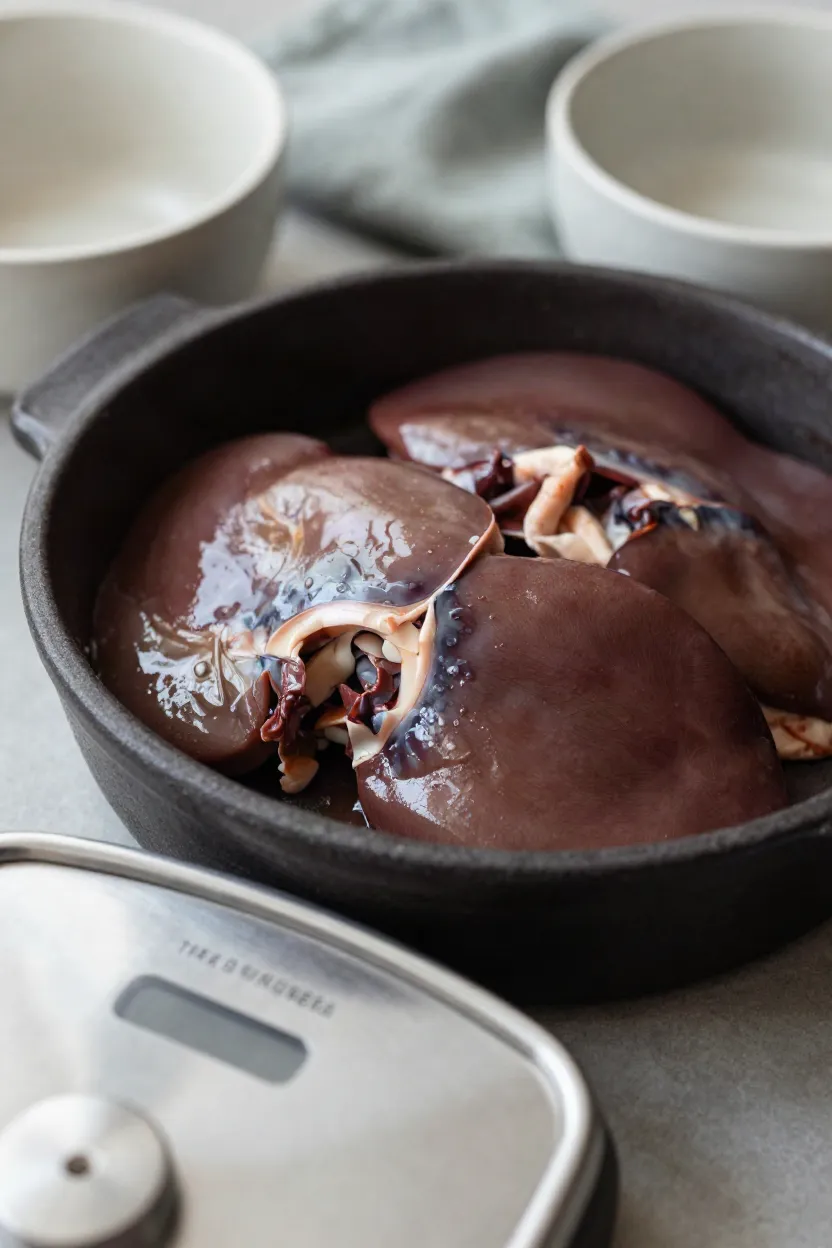
True secreting organs serve as concentrated nutritional reservoirs that muscle cuts cannot replicate. Unlike omnivores that convert dietary carotenoids into retinol, felines possess negligible intestinal beta-carotene 15,15'-dioxygenase activity, demanding direct dietary sources to satisfy baseline feline vitamin A requirements. Incorporating fresh liver into your prep bowl provides preformed retinol, bioavailable iron, and trace copper in forms immediately recognized by feline biology.
- Weigh fresh, dark poultry liver on a digital gram scale until it represents exactly 5 to 7 percent of your total batch weight, preserving the correct raw cat food organ meat ratio.
- Dice the chilled liver into small, uniform cubes on a clean cutting board or puree it with your designated batch moisture to disperse the fat-soluble vitamins evenly.
- Fold the measured organ tissue thoroughly into the ground muscle cuts so your cat cannot selectively pick around these nutrient-dense portions during feeding.
Careful measurement of this strict proportion in every chicken liver for cats recipe protects against acute nutritional starvation while preventing the skeletal malformations linked to chronic vitamin A toxicity.
Trimming Away All Skin and Adipose Tissue: Essential Fatty Acid Depletion
Stripping away every ribbon of poultry skin and surface fat imports human dietary biases directly into a carnivore bowl where they do not belong. Modern domestic felines lack active delta-6 desaturase enzymes, meaning they cannot convert vegetable oils or alpha-linolenic acid into active long-chain lipids. Without sufficient animal fat feline nutrition, your cat suffers severe shortages of arachidonic acid, an essential polyunsaturated fatty acid stored in poultry adipose tissue that regulates platelet aggregation, reproductive viability, and epidermal barrier defenses.
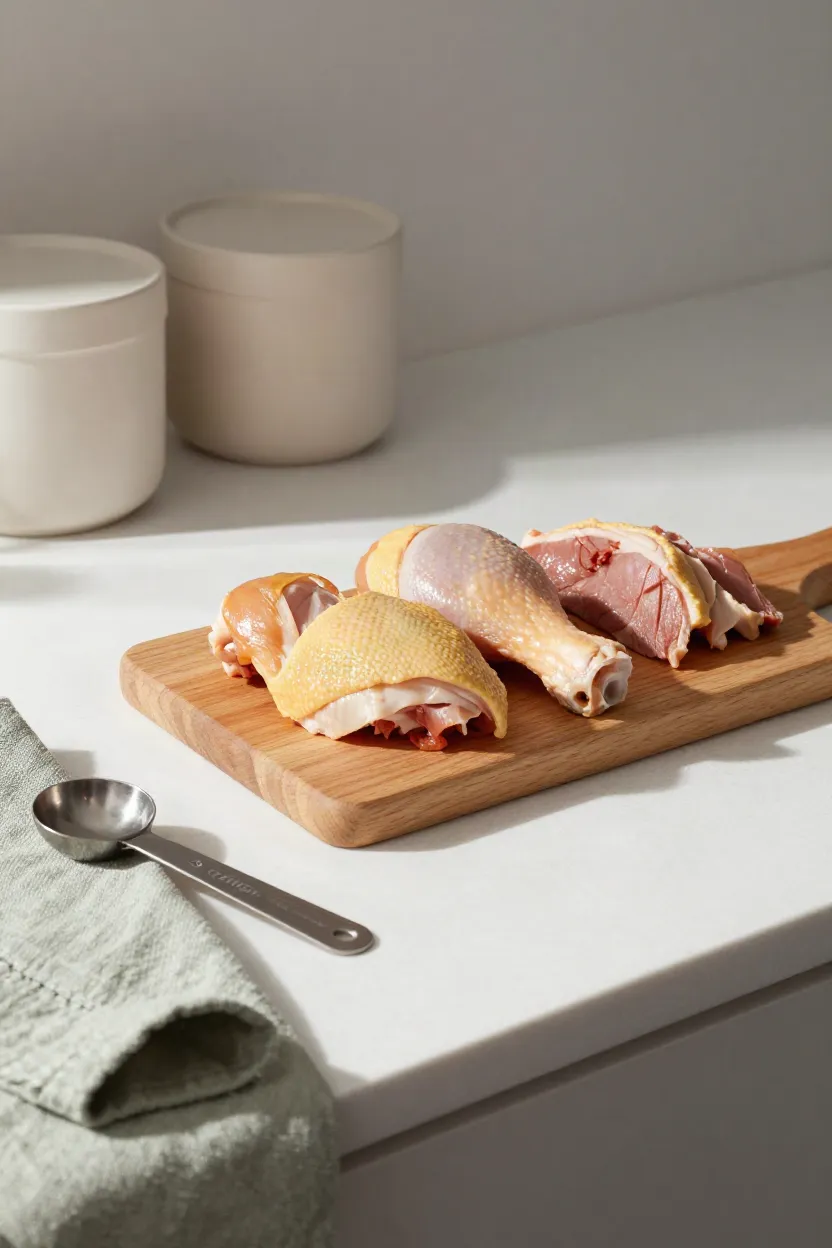
Balanced feline meal prep requires deliberate lipid retention rather than sterile trimming. Retain approximately half to two-thirds of the natural poultry skin when processing whole bone-in or boneless chicken cuts to supply vital healthy fats homemade cat food demands. Distributing this natural source of arachidonic acid cats chicken skin provides throughout the protein matrix ensures optimal caloric density and maintains supple epidermal elasticity without triggering digestive upset.
Boiling Chicken at High Heat: Thermal Degradation of Water-Soluble B-Vitamins and Taurine
Subjecting poultry cuts to rolling boils in open pots damages critical micronutrients that cats depend on for neurological function and cellular energy. High cooking temperatures and aggressive convective currents break delicate molecular bonds, depleting heat-labile thiamine by up to 50 percent while draining water-soluble nutrients straight into the broth. When you discard that cooking water, you inadvertently discard the very compounds required to sustain obligate carnivore health.
- Thermal breakdown strikes thiamine, riboflavin, and cobalamin when processing temperatures exceed gentle thresholds, directly reducing the benefits of cooking chicken cat food vitamins.
- Leaching actions cause severe boiled chicken cat food taurine loss as free intracellular amino acids dissolve into excess cooking fluids.
- Protein denaturing alters digestibility profiles without addressing baseline feline nutrient heat sensitivity across delicate vitamin premixes.
Steam poultry pieces gently over low heat or poach them using controlled sous-vide baths at low temperatures, ensuring you blend all rendered cooking juices back into the final puree.
Overdosing Cod Liver Oil: Triggering Toxic Hypercalcemia and Vitamin D Intoxication
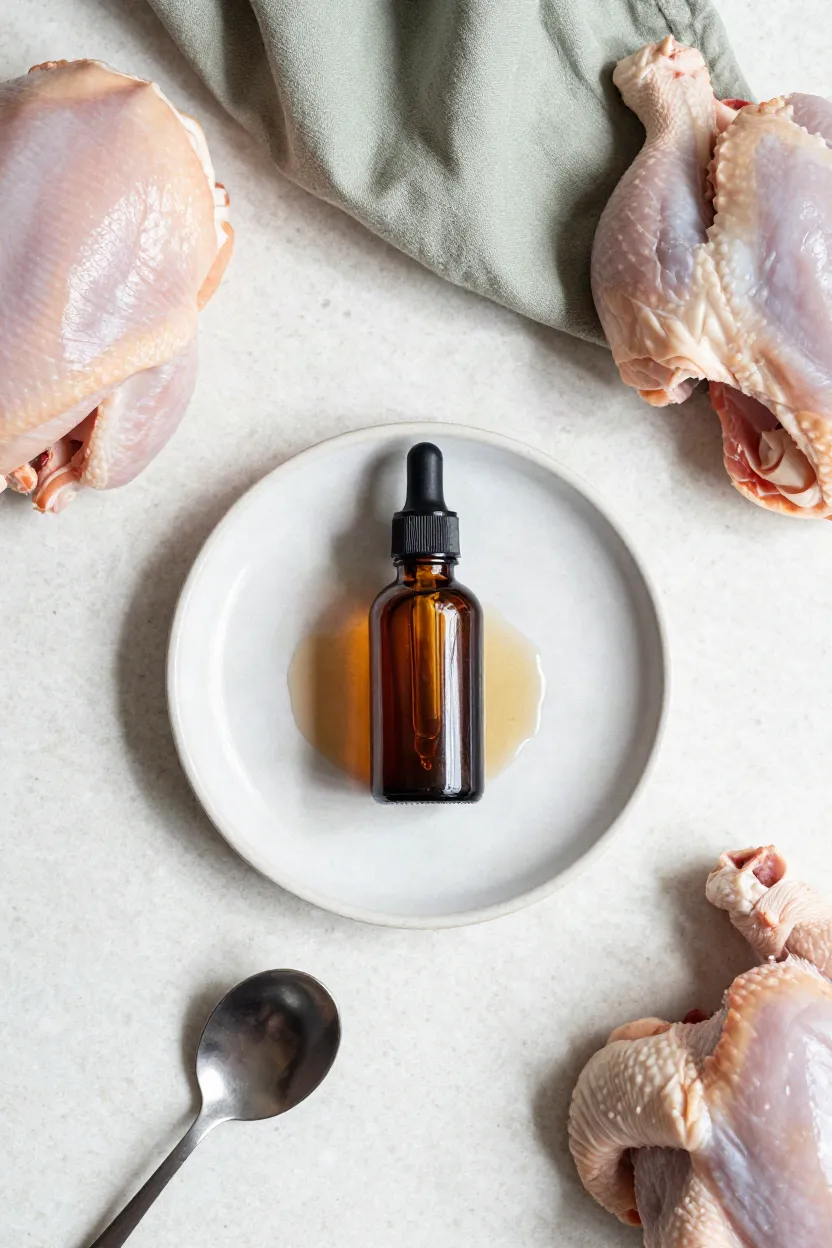
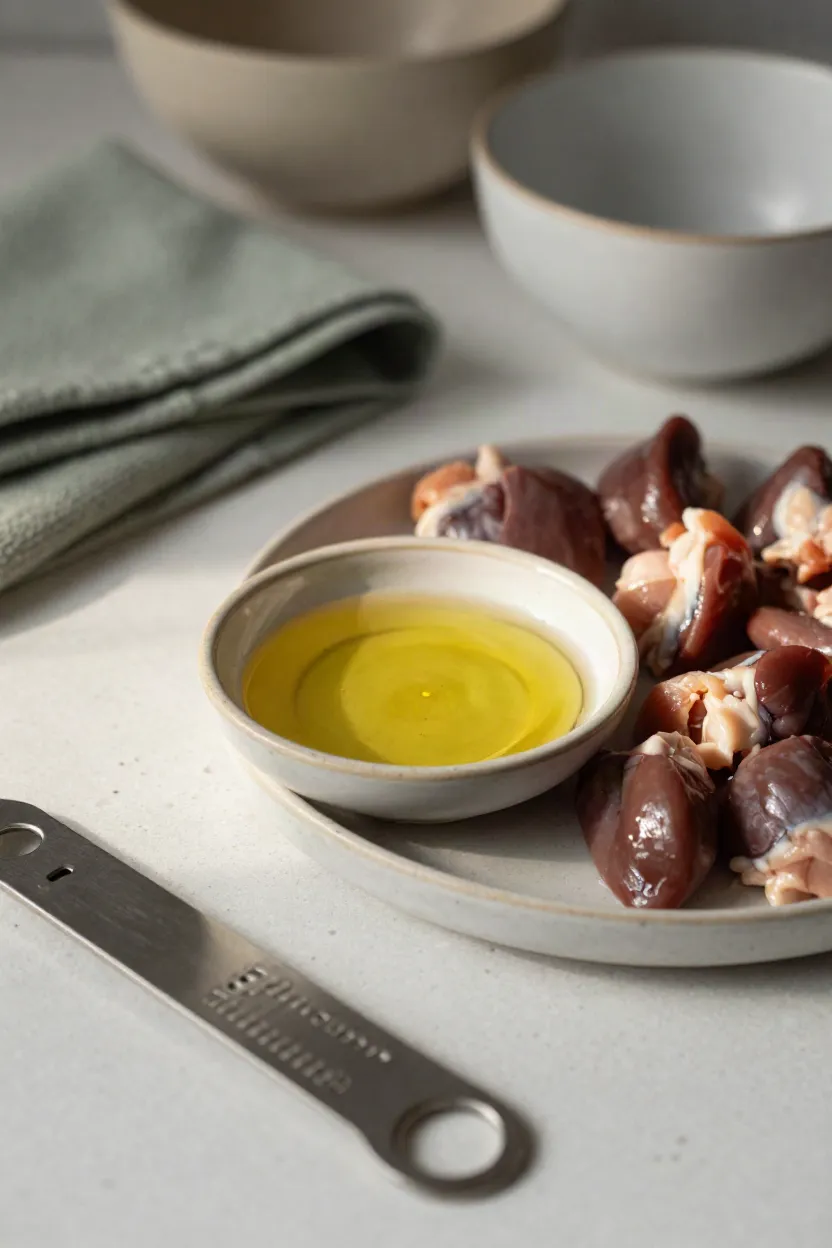
Pouring a standard spoonful of golden oil over prepared poultry seems like a harmless shortcut for essential fatty acids, yet substituting liver extracts for standard marine oils introduces severe physiological hazards. Unlike body oils extracted from wild sardines or anchovies, oil pressed from Atlantic cod livers functions primarily as an ultra-concentrated carrier of fat-soluble vitamins A and D rather than a balanced lipid supplement. When you tip an uncalibrated tablespoon across a batch of minced chicken, you risk creating chronic cod liver oil toxicity within weeks. Cats cannot rapidly excrete surplus fat-soluble compounds, meaning excessive vitamin D accumulates in liver tissue and circulates unchecked, drawing calcium directly out of skeletal reserves and redepositing it into delicate soft tissues, arterial walls, and renal filtration pathways.
Sustained exposure to unchecked calcification leads directly to severe vitamin D overdose felines cannot easily reverse, resulting in irreversible kidney mineralization, painful spinal bone spurs, and gastrointestinal distress. To safeguard feline health on your prep counter, keep your fatty acid sources completely separate from fat-soluble vitamin dosing. Calculate your daily fish oil dosage for cats using molecularly distilled, pure body oils derived from small cold-water fish that supply clean eicosapentaenoic acid and docosahexaenoic acid without introducing toxic quantities of preformed retinol or calcitriol precursors.
Volumetric Measuring Instead of Gram Weighing: Dangerous Cumulative Recipe Drift
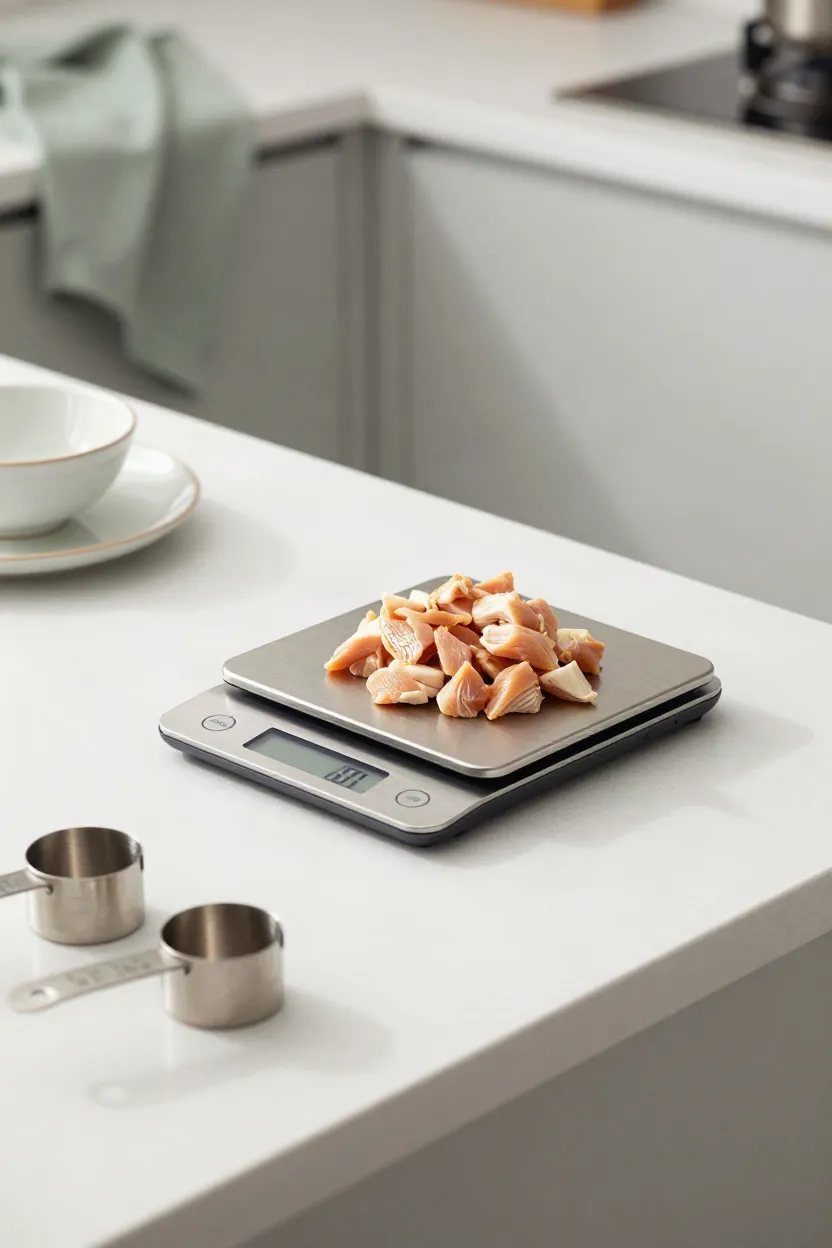
Scooping ground poultry with nested kitchen cups introduces massive variance into homemade cat food, turning what looks like a uniform mixture into a nutritionally unstable batch. Depending on grind coarseness, moisture retention, and hidden air pockets beneath the surface, a standard half-cup of raw chicken can fluctuate in actual mass by as much as 35 percent. Because essential trace minerals, calcium powders, and amino acid isolates require strict ratios relative to lean muscle mass, estimating weights by volume ranks among the most frequent measuring homemade pet food mistakes made at home.
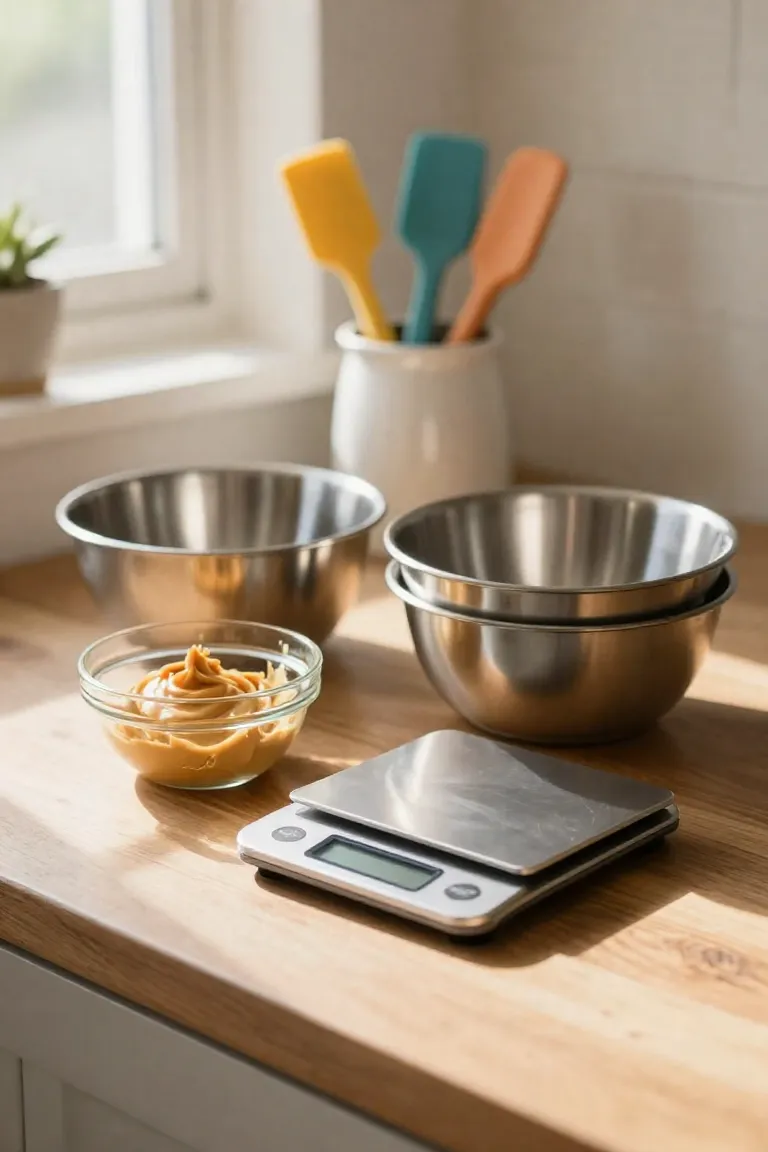
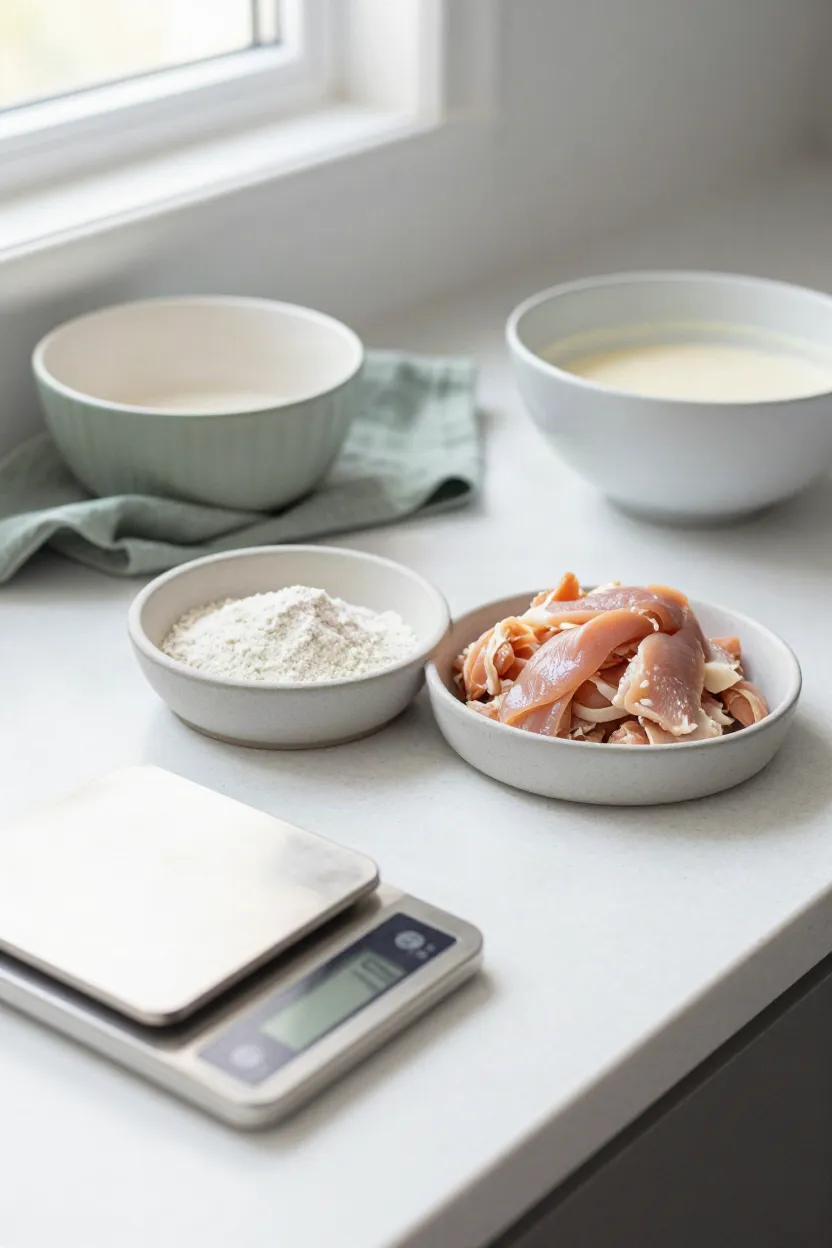
- Place a brushed stainless steel platform scale across your counter, verify it sits on a completely level surface, and zero out a ceramic ingredient ramekin before adding any dry powders.
- Rely on weighing cat food gram scale instruments calibrated to 0.1-gram increments to measure calcium carbonate, iodized salt, and supplemental amino acids rather than relying on teaspoons or culinary pinches.
- Weigh the thawed, drained poultry portions in whole grams prior to combining, adjusting your premix calculations precisely to match actual yield rather than estimated package weights.
This methodical scale routine eliminates cumulative recipe drift, ensuring your precision feline meal prep delivers identical nutrient densities across every single feeding container.
Repurposing Human Multivitamins or Table Seasonings: Allium Toxicity and Zinc Imbalance
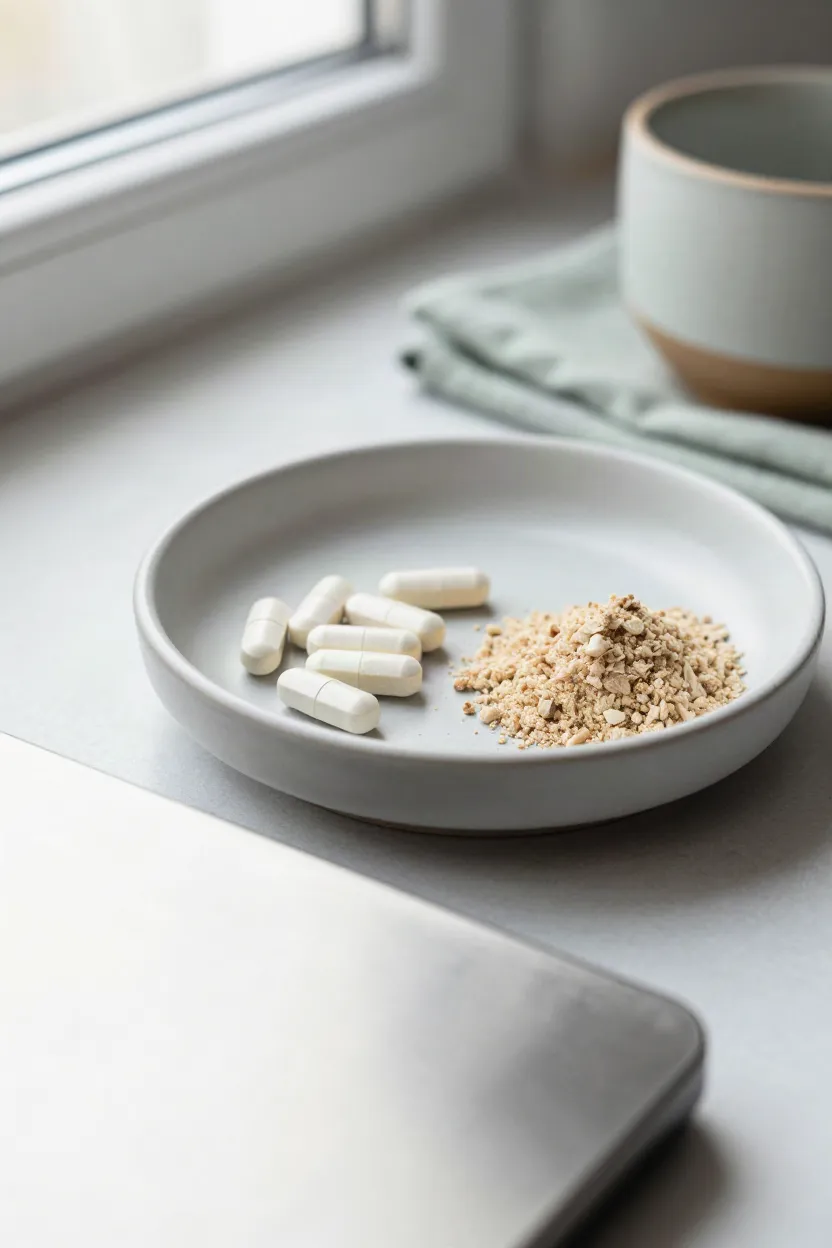
Reaching into your pantry for culinary chicken stock powders, garlic-infused rubs, or human wellness gummies creates an immediate toxic hazard on your prep station. Many retail broth cubes and processed poultry seasonings contain hidden allium extracts, dehydrated onion powder, or artificial sweeteners designed to improve human palatability. For a feline system, even microscopic quantities of disulfides and thiosulfates found in allium family plants trigger swift oxidative cellular destruction. These sulfur compounds overwhelm feline erythrocyte defenses, oxidizing hemoglobin molecules and forming crystalline clumps known as Heinz bodies that cause the spleen to destroy red blood cells in acute hemolytic episodes.
Beyond the immediate threat of allium poisoning feline food preparation can introduce, crushing human vitamin tablets into minced meat exposes cats to dangerous mineral overload. Tablets formulated for human physiology carry heavy doses of zinc and iron that easily overwhelm feline digestive absorption pathways, precipitating severe metabolic alkalosis and acute toxicosis. Safe cat food supplement sourcing demands dedicated feline nutrient packs that exclude botanical flavorings, artificial sweeteners, and indiscriminate mineral blends, keeping human culinary products and human vitamins toxic to cats completely off your feline formulation station.
Warm Water Thawing and Extended Storage: Thiaminase Activation and Bacterial Spoilage
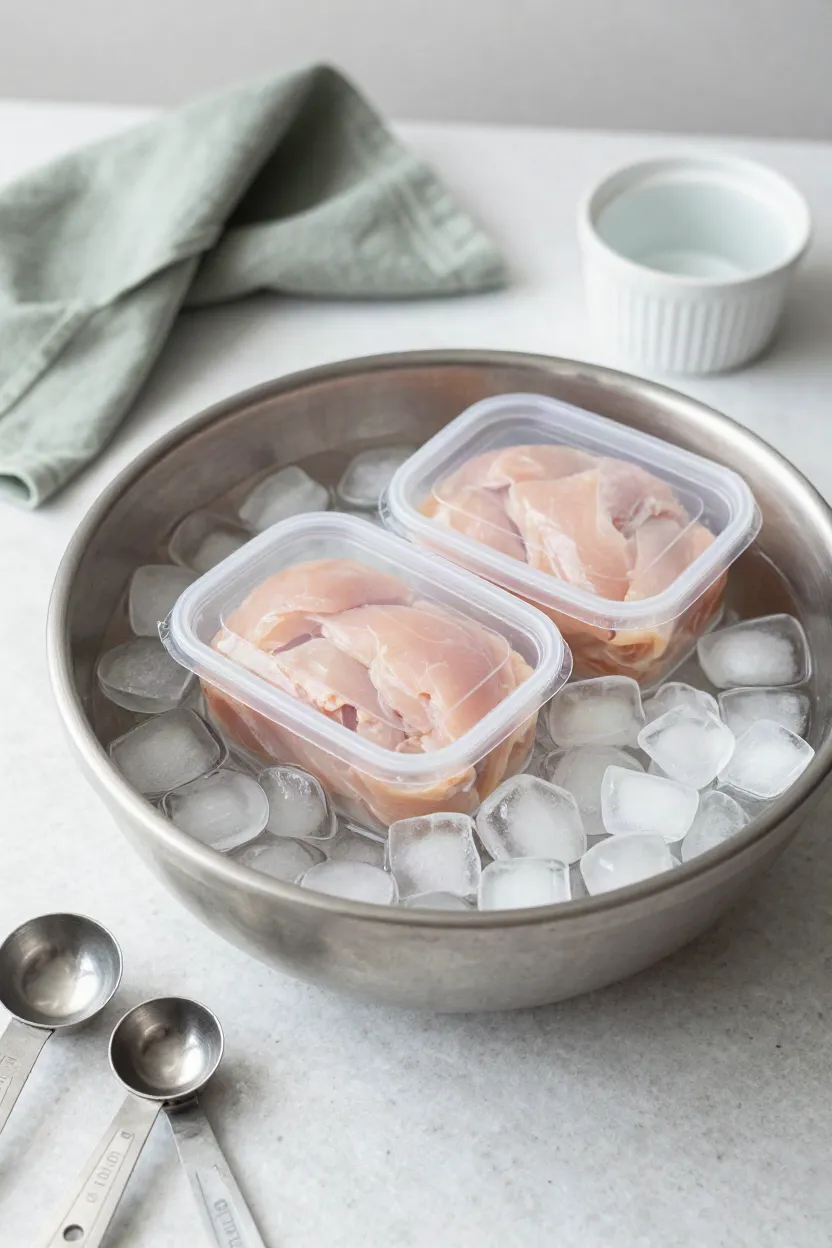
Submerging sealed poultry packages under running warm tap water might speed up meal assembly, but it shatters the critical cold chain required for biological safety. Warm water accelerates surface bacterial replication within minutes while warming outer meat layers to temperatures that trigger rapid enzymatic oxidation. This destructive warming degrades fragile thiamine (vitamin B1) reserves before the meat ever touches your mixing bowl, while encouraging environmental microbial blooms that delicate feline digestive tracts cannot tolerate.
- Follow safe thawing raw cat food protocols by transferring sealed poultry packs into a dedicated 38-degree Fahrenheit refrigerator shelf 24 hours before grinding, keeping temperatures steady below 40 degrees Fahrenheit.
- Enforce a strict 48-hour chilled storage limit for fresh portions kept inside the refrigerator, discarding any unconsumed portions past this window to prevent bacterial multiplication.
- Package daily meal rations into airtight, food-grade glass or stainless steel containers and transfer them immediately into a sub-zero freezer operating at 0 degrees Fahrenheit or lower.
Rigorous feline meat storage hygiene throughout batch preparation preserves sensitive water-soluble vitamins, preventing the neurological tremors, head tilt, and ventroflexion associated with thiamine deficiency cats raw food diets can unintentionally induce.
Omitting Marine Omega-3 Fatty Acids: Unchecked Pro-Inflammatory Arachidonic Cascades
Chicken muscle meat brings plenty of bioavailable protein to your prep counter, yet its natural lipid profile skews heavily toward omega-6 fatty acids like arachidonic acid. Without a balancing counterpart, this baseline triggers chronic cellular pathways that stress feline renal microcirculation and leave coats dry or brittle. Felines cannot synthesize critical long-chain fats from plant sources like flax or chia seeds, making marine-sourced eicosapentaenoic acid (EPA) and docosahexaenoic acid (DHA) mandatory components on your workbench. Introducing pure wild salmon oil or small-fish sardine oil directly counteracts these oxidative pathways, serving as an indispensable foundation for reducing feline inflammation diet strategies.
Precise handling of these delicate lipids demands strict measurement and rapid cold integration during meal assembly. You can protect your batch by incorporating between 1000 mg to 1500 mg of pure salmon oil per kilogram of raw boneless poultry immediately before portioning into airtight glass containers. Selecting cold-pressed anchovy or wild salmon oil packaged in opaque glass with nitrogen flush keeps fragile omega 3 fatty acids cats require from going rancid upon exposure to air and room temperature light.
Bypassing Veterinary Completion Premixes: The Vulnerability of Unbalanced Homemade Batches
Compounding a dozen individual trace minerals and isolated vitamins across raw poultry batches introduces serious risks of mathematical error and cumulative nutrient drift. When fine powders settle unevenly across large mixing bowls, cats face micro-deficiencies that build up quietly over weeks of feeding. Standardizing your workflow around a proven veterinary premix for cat food eliminates compounding guesswork while guaranteeing full nutritional safety.
- Comprehensive solutions like ezcomplete cat food supplement supply freeze-dried bone broth, taurine, digestive enzymes, and calibrated chelated minerals in one standardized powder meant for plain boneless meat.
- Versatile formulas like alnutrin homemade cat food balance cater to varied prep approaches, offering distinct formulations tailored specifically for boneless muscle or recipes already containing raw bone fractions.
- Third-party tested powders from brands like TCeline deliver stable vitamins and iron in precise ratios, preventing the common oxidation problems that plague loose multi-bottle ingredient stations.
An all-in-one nutritional base streamlines your meal preparation into a dependable process where you simply weigh meat, hydrate the measured blend, and freeze.
Essential Feline Calcium-to-Phosphorus Ratios and Micronutrient Benchmarks
Constructing a nutritionally sound feline diet relies on exact numerical targets rather than visual estimates on your prep surface. A structured protocol keeps every batch aligned with recognized aafco homemade cat food guidelines, ensuring vital mineral balances protect skeletal integrity and metabolic function.
- Calibrate your mineral balance using a verified calcium to phosphorus chart cats require, securing an exact 1:1 to 1.2:1 ratio by adding approximately 5.5 grams of ultrafine pharmaceutical eggshell powder or food-grade calcium carbonate for every single kilogram of boneless skinless chicken.
- Weigh supplementary pure crystalline taurine on your milligram scale, incorporating a minimum threshold of 250 mg to 500 mg per pound of raw poultry to guard against thermal loss and metabolic clearance.
- Cross-check your full feline nutrient ratio matrix before freezing, confirming that active vitamin E, zinc proteinate, and copper concentrations match current veterinary physiological allowances.
Direct documentation of these measured amounts onto your prep logs guarantees repeatable quality and prevents uncalibrated deviations from compromising feline health.
Clinical Deficiency Diagnostic Checklist: Recognizing Early Warning Signals in Cats
Subtle physical and behavioral shifts often emerge long before routine veterinary blood panels flag a systemic nutritional deficit. Performing regular physical health checks on your cat helps you catch metabolic distress early, preventing minor batch oversights from turning into permanent organ damage.
- Persistent cardiac and sensory disruptions, including unexplained vocalization changes, exercise fatigue, or subtle tapetal fundus thinning, rank as classic feline taurine lack symptoms that demand immediate intervention.
- Skeletal stiffness, sudden reluctance to jump onto familiar furniture, and shifting leg lameness reflect systemic calcium-to-phosphorus collapse and subsequent parathyroid overcompensation.
- Acute neurological indicators like wide pupil dilation, unsteady wobbly gait, and ventroflexion neck weakness signal rapid thiamine degradation caused by improper food handling or extended warm prep.
This practical evaluation serves as your ongoing cat food diagnostic guide, allowing you to spot cat deficiency warning signs early and recalibrate your formulation protocols safely.
Actionable Batch Protocol: Choosing Formulation Safety Over Guesswork
Establishing a reliable routine on your prep counter turns nutritional theory into repeatable daily safety. When you transition from spotting clinical deficiencies to preparing real meals, the most sensible path depends entirely on your current comfort level with raw batch prep. For anyone stepping into this craft for the first time, following a structured beginner fresh cat food guide anchored by an all-in-one completion premix eliminates nearly all margin for error. Rather than juggling dozens of loose vitamin powders across your honed white quartz countertop, you simply weigh your boneless meat cuts, fold in a measured scoop of commercial supplement mix, and add clean water or poultry broth according to the manufacturer guidelines. This single step supplies complete micro-mineral profiles, guaranteed calcium-to-phosphorus balance, and essential amino acids without demanding complex nutritional algebra.
For advanced home cooks who choose to bypass commercial premixes, adopting a strict, safe homemade cat food protocol raises workbench standards to professional levels. At this tier, a successful veterinary feline diet formulation requires an exact digital scale reading down to hundredths of a gram, dedicated ceramic ingredient ramekins, and verified software tracking every milligram of taurine, zinc, and fat-soluble vitamins. You cannot estimate portion sizes or substitute liver varieties without recalculating the entire lipid and mineral profile of the batch. Document each lot with written prep notes, log your tare weights meticulously, and divide fresh portions into airtight glass containers before chilling them immediately. Maintaining this systematic routine ensures your cat receives complete, wholesome nourishment at every meal without the silent hazards of cumulative recipe drift.