Why Micro-Sized Treats Are Perfect for Puppy Obedience Training
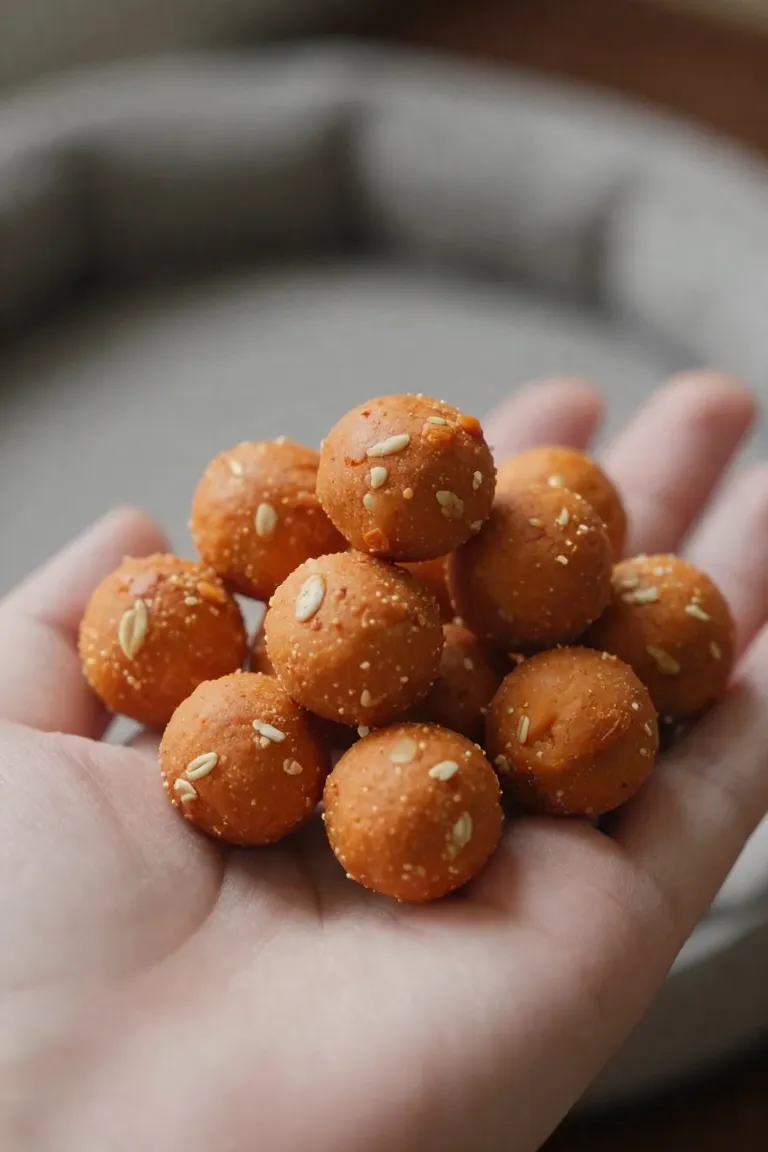
Teaching a young dog basic cues requires rapid repetition and constant focus, which depends entirely on how quickly you can deliver rewards. When a snack takes more than two seconds to chew, your pup shifts attention from the task to working through the food, breaking the rhythm of the exercise. Offering pieces no larger than a grain of rice or a pea gives that immediate burst of flavor without interrupting the learning flow, allowing you to mark correct behaviors several dozen times in a single ten-minute drill.
A puppy with a full stomach quickly loses drive, turning an eager learner into a sluggish, indifferent companion halfway through practice. Tiny reward morsels preserve hunger and motivation across multiple rounds while preventing digestive upset from overeating. Because the food disappears in a single swallow, your dog stays locked on the next instruction and maintains eye contact rather than sniffing the floor for dropped crumbs.

1. The Concept of High-Value Training Rewards
That intense eye contact holds steady only when you offer an incentive that outcompetes outdoor distractions or nearby barking. Puppies evaluate the worth of a payout through their noses first, which is why everyday dry kibble often loses its appeal during demanding heel practice or impulse-control drills. A warm, earthy food scent cuts through sensory overload, drawing your dog's attention back to your hand signals within seconds.
The natural sugars inside cooked sweet potatoes caramelize gently during baking, releasing an appetizing aroma that keeps enthusiasm high across multiple repetitions. In challenging drills where a young dog might otherwise lose patience, this concentrated sweetness provides the exact motivational kick needed to reinforce good choices. You gain a reliable motivator that makes complex commands click faster without losing their focus.
2. Caloric Control During Repetitive Training Sessions
Frequent drills build solid habits, but rapid-fire rewards add up faster than most handlers realize. A young pup might nail twenty recalls in a fifteen-minute drill, and standard biscuit bites will quickly push past their daily energy limit. Trimming each morsel down to the size of a split pea keeps the reward rate high while protecting sensitive stomachs from digestive upset. You can celebrate every small win without worrying about evening bloating or spoiling their appetite for dinner.
A strict portion strategy also preserves your puppy's physical drive throughout the lesson. When pieces are barely larger than a breadcrumb, swallowing takes a fraction of a second, which maintains intense focus on your next cue. Snacks should account for no more than ten percent of a growing dog's daily menu, so keeping individual bites tiny prevents unnecessary weight gain. Your puppy stays light on their paws and completely free from mid-session lethargy.

Essential Ingredients for Sweet Potato Oat Dog Cookies
Keeping those training drills productive means reaching for clean kitchen staples that protect an immature digestive tract. Young dogs process food quickly, so selecting gentle, human-grade basics keeps their focus sharp while avoiding the stomach upset often caused by commercial fillers.
- Gentle carbohydrate foundations deliver sustained energy without relying on artificial additives or corn byproducts.
- Natural soluble fibers soothe young bellies and help maintain firm digestion across repetitive rewards.
- Simple pantry binders hold each crumb intact without synthetic gums or excess salt.

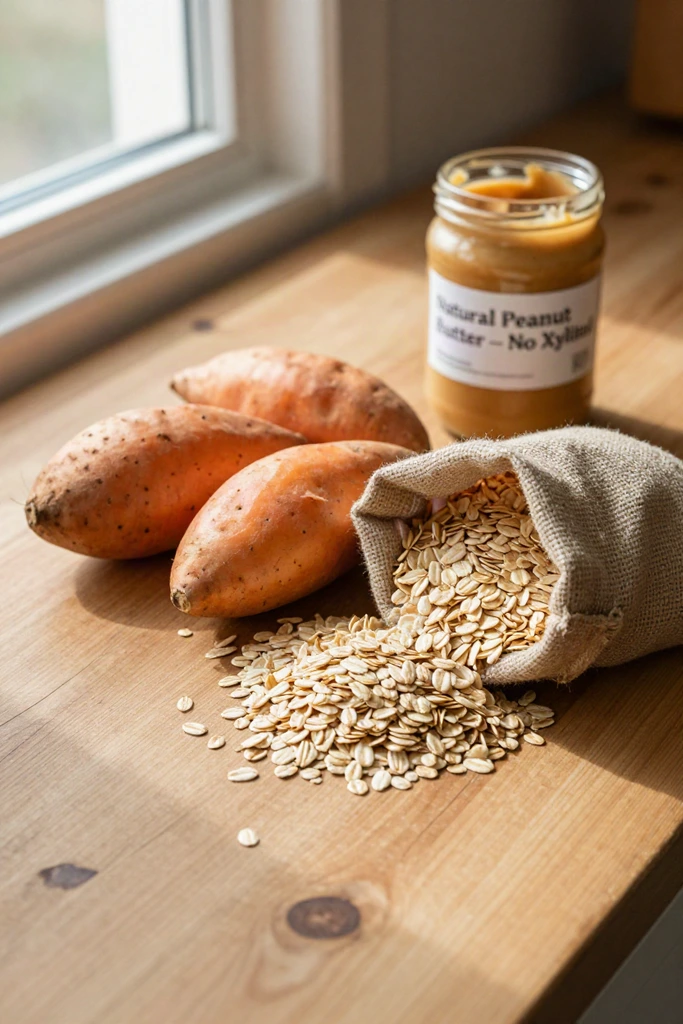
1. Fresh Sweet Potatoes for Natural Sweetness and Fiber
Steaming whole orange tubers creates a rich, moisture-dense base that naturally entices a puppy's keen sense of smell during intense recall drills. Real sweet potatoes deliver steady energy alongside soluble fiber, keeping your dog's gastrointestinal tract balanced during rapid-fire reward sequences. Gentle heat naturally concentrates the root's earthy sweetness, which means you never need added syrups or cane sugar to win your puppy's rapt attention. Each bite also supplies beta-carotene and essential vitamins that nourish growing joints and eyes without overwhelming a young digestive system.
2. Gluten-Free Rolled Oats for Digestive Health
Ground whole grains provide the structural backbone for the mixture while keeping your puppy's sensitive stomach settled. Traditional wheat flours often cause bloating or soft stools in developing canines, which makes whole oats a cleaner, more reliable binder for your homemade batches.
- Slow-burning complex carbohydrates release a steady stream of glucose, supplying active pups with dependable energy throughout repeated obedience exercises.
- Naturally gluten-free grain properties pass smoothly through young digestive systems, significantly lowering the odds of food sensitivities or itchy skin reactions.
- Soluble dietary fiber readily absorbs excess moisture from the mash, keeping the rolled dough firm enough to cut into precise, mess-free morsels.
3. Dog-Safe Binding Ingredients
Holding the dry oat flour and sweet potato together requires gentle liquids that create a pliable dough without adding extra fat. Choosing the right binder ensures your training bites stay intact in your treat bag rather than crumbling into dust when you reach for them.
- Whole eggs provide natural protein and structure, helping the batch bake into firm bites that do not break apart in your pocket.
- Unsweetened applesauce supplies mild pectin and moisture, giving you a reliable plant-based substitute for puppies with poultry or egg sensitivities.
- A quick flaxseed slurry made with warm water yields a smooth gel that locks the oats together while remaining gentle on young digestive tracts.

Step-by-Step Guide to Baking Micro-Sized Training Treats
Once your ingredients are assembled on the counter, turning them into bite-sized rewards requires minimal kitchen experience or specialized gear. The dough comes together smoothly in a single bowl, and the moisture balance is forgiving enough that slight variations in natural sweetness or flour density will not ruin the batch. You don't need miniature cookie cutters or pastry training to shape uniform morsels, as a standard knife or bench scraper divides the sheet in minutes. Managing the prep work in clear stages keeps the workflow clean and straightforward before you load the oven.

1. Prepping and Mashing the Sweet Potatoes
Gentle heat softens the raw tubers while locking in dietary fiber and natural sweetness that hold your pup's focus during training drills. Steaming peeled cubes over simmering water or roasting whole tubers in their skins works far better than boiling, which leaches valuable vitamins into discarded water and leaves the pulp overly soggy.
- Pierce whole skins with a fork and roast at 400°F until completely tender, or steam uniform one-inch chunks for about fifteen minutes until a fork slides right through.
- Cool the cooked pieces before removing any outer skins so excess steam evaporates, which helps you maintain an ideal moisture balance.
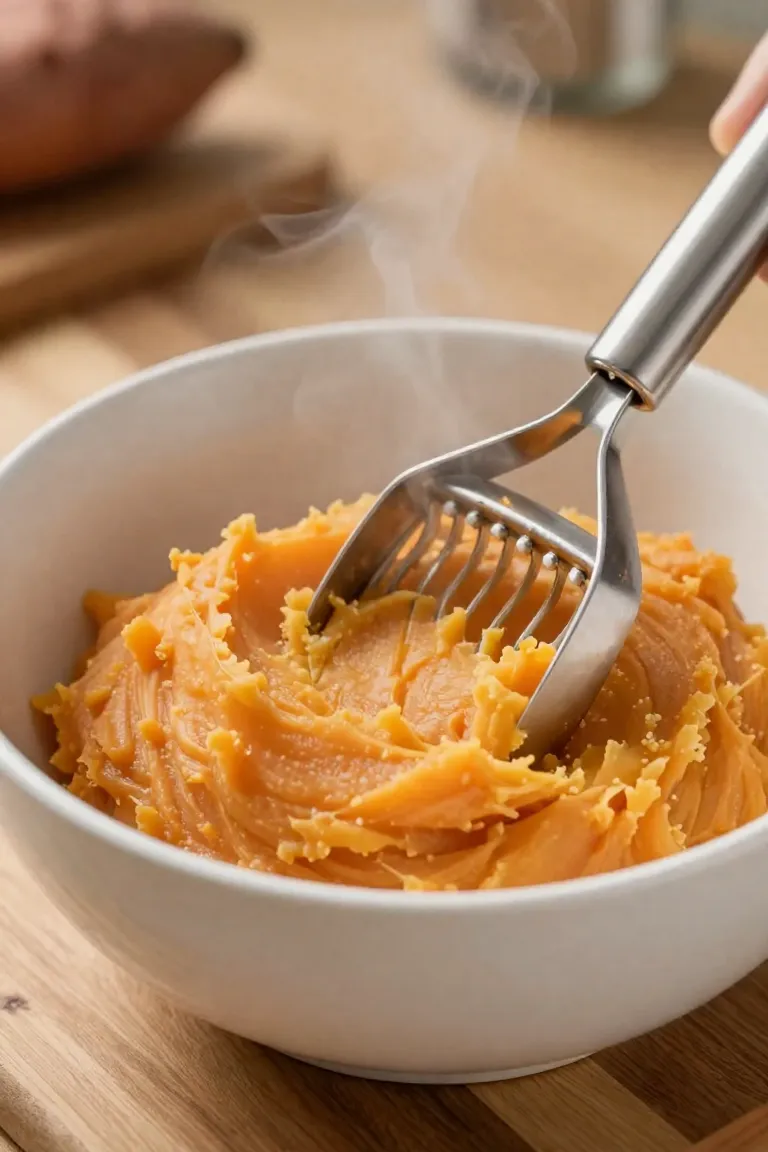
- Press the soft flesh through a potato ricer or mash thoroughly with a sturdy fork until completely smooth, eliminating stringy bits that could tear tiny dough cutouts.

2. Blending the Oat Flour and Wet Ingredients
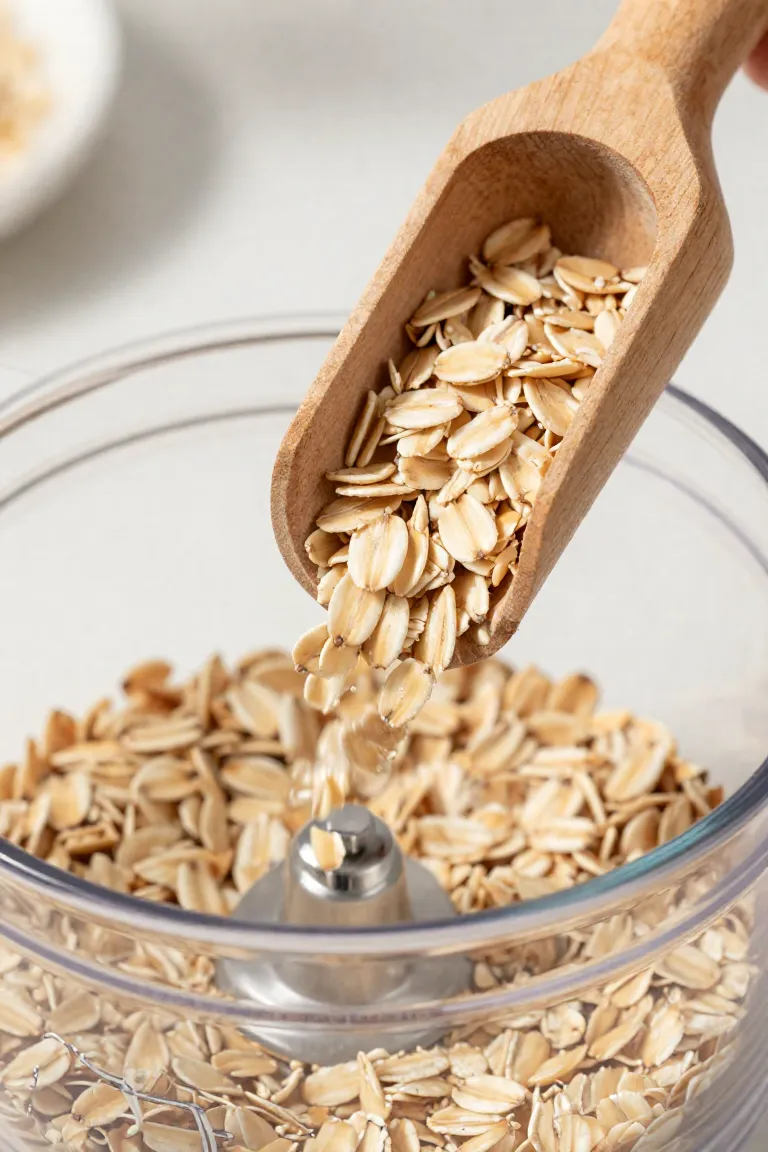
Pour your rolled oats into a high-speed blender or food processor and pulse until you get a powdery, flour-like texture. Once the grains break down evenly, fold this dry base into your cooled sweet potato puree, working in small additions so the starch absorbs the moisture evenly. A wooden spoon or silicone spatula helps combine the components until no dry pockets remain.
Under your fingers, the finished dough should feel slightly tacky without clinging stubbornly to your skin. If the sweet potatoes carry excess moisture and leave the mix too wet, sprinkle in an extra tablespoon of ground oats; if the dough crumbles apart, work in a teaspoon of warm water until the mass gathers cleanly into a smooth, malleable ball.

3. Rolling the Dough and Cutting Micro-Sized Portions
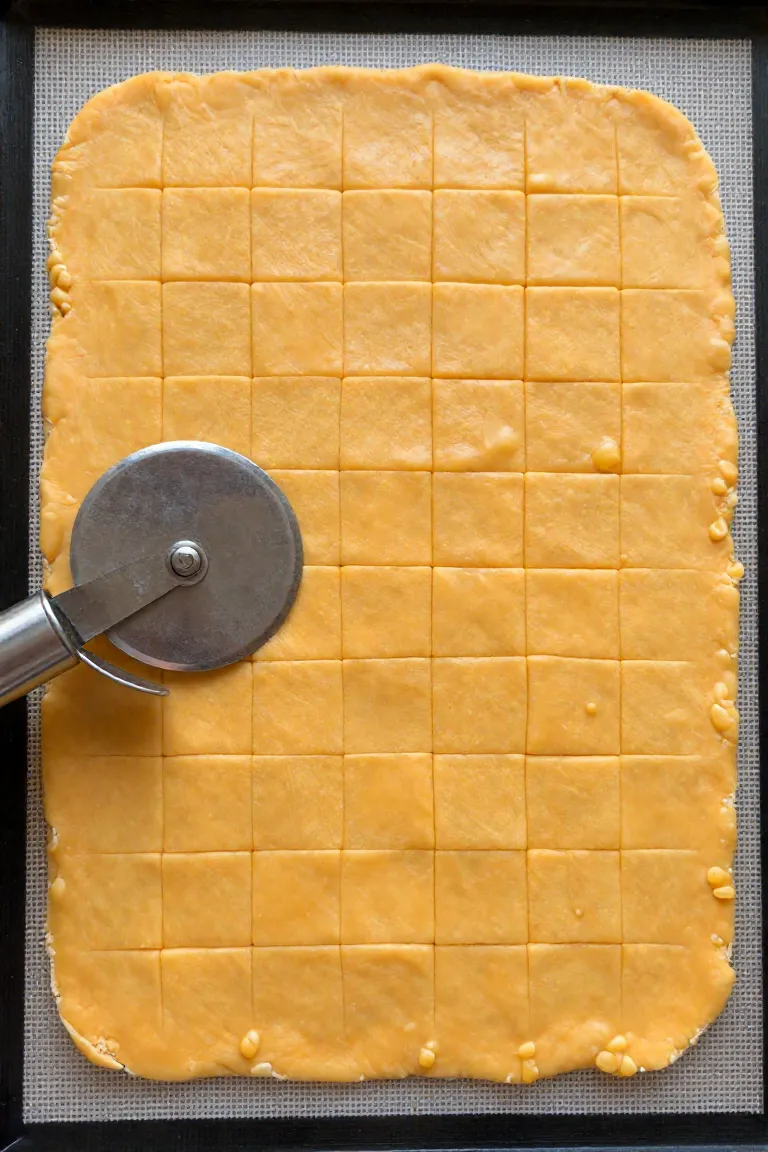
Place the prepared mixture between two sheets of unbleached parchment paper to keep your wooden pin from sticking without adding dry flour into the blend. Press down firmly across the center and flatten the mass outward until it reaches an even quarter-inch thickness from middle to edge, ensuring every piece bakes at the same steady rate.
- Peel away the top parchment sheet and guide a wheel pizza cutter across the surface in straight parallel lines spaced one-quarter inch apart.
- Rotate the baking paper ninety degrees and slice across those initial marks to create a dense grid of tiny, uniform squares.
- Slide the parchment directly onto your baking tray without separating the pieces, allowing the edges to separate cleanly after heat exposure.
4. Baking for the Perfect Chewy or Crunchy Texture
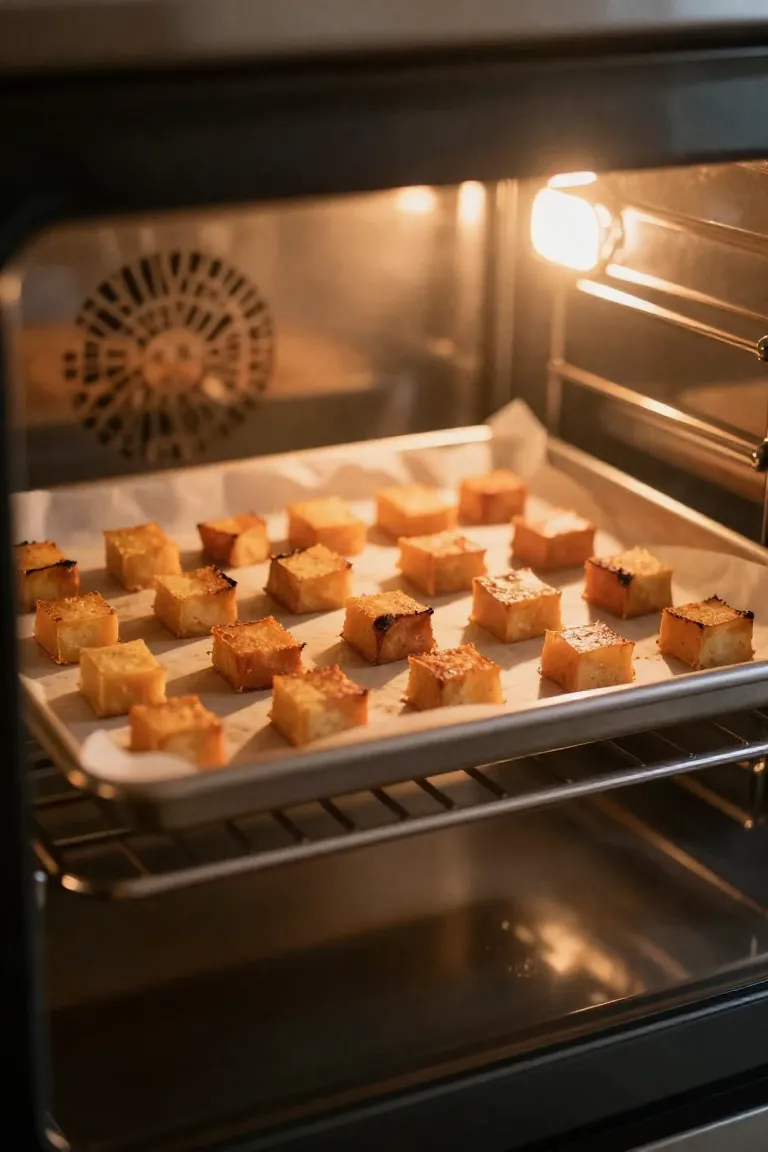
Place the prepped tray onto the center rack of an oven heated to 350°F (175°C) for roughly 20 to 25 minutes. If your young puppy has sensitive milk teeth and needs a softer bite that swallows quickly between repetitions, pull the sheet out right around the twenty-minute mark so the pieces stay tender and pliable. For adolescent or adult dogs who benefit from a crisp, snappy bite, shut off the oven heat at the 25-minute mark, prop the door open slightly with a wooden spoon, and let the tray sit inside for another 45 minutes to dehydrate. That lingering dry air pulls out excess moisture, so you'll find each square snaps apart cleanly with zero sticky residue once cooled to room temperature.
Best Practices for Storing Homemade Dog Treats
Natural room moisture quickly becomes the primary enemy once you transfer these freshly baked nibbles off the baking sheet, especially since pure sweet potato and oats carry zero artificial preservatives to inhibit spoilage. Leaving batch-cooked training rewards exposed on your kitchen counter invites ambient humidity, which softens their crisp snap and triggers mold growth in as little as forty-eight hours. Keeping your puppy's daily rewards fresh and safe requires dividing each yield based on your immediate training schedule rather than letting the entire batch sit out together.
1. Short-Term Storage in the Refrigerator
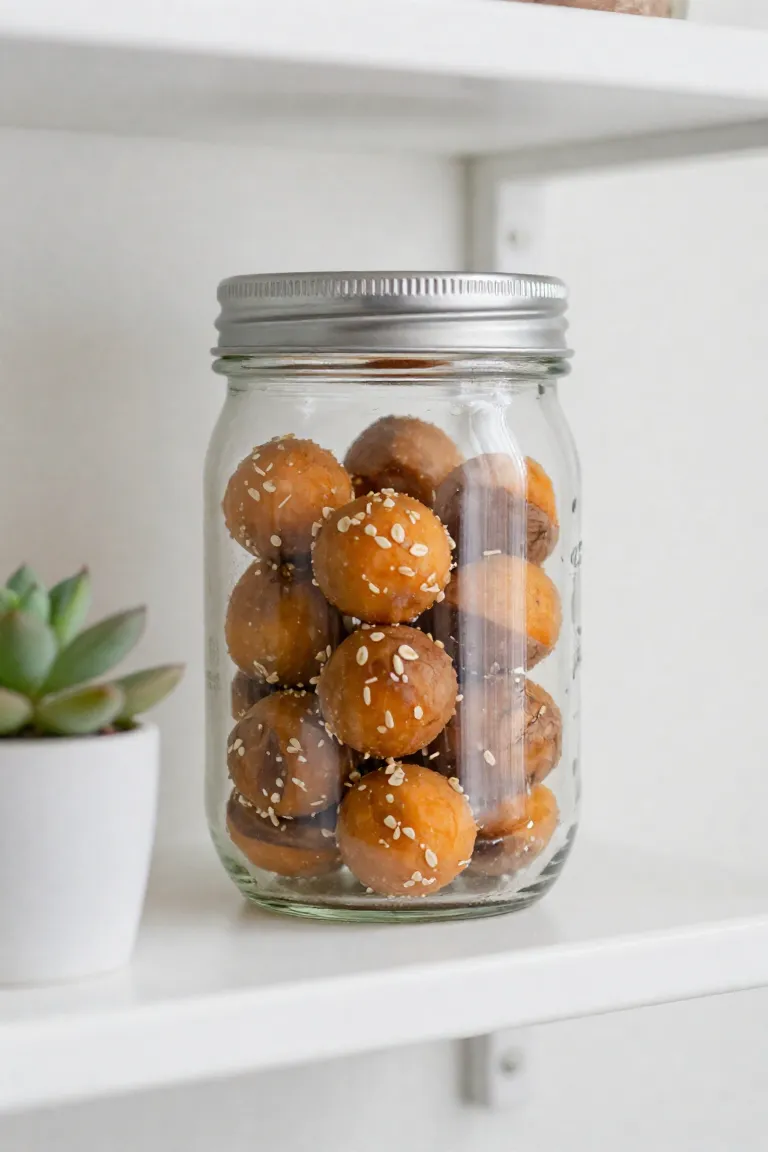
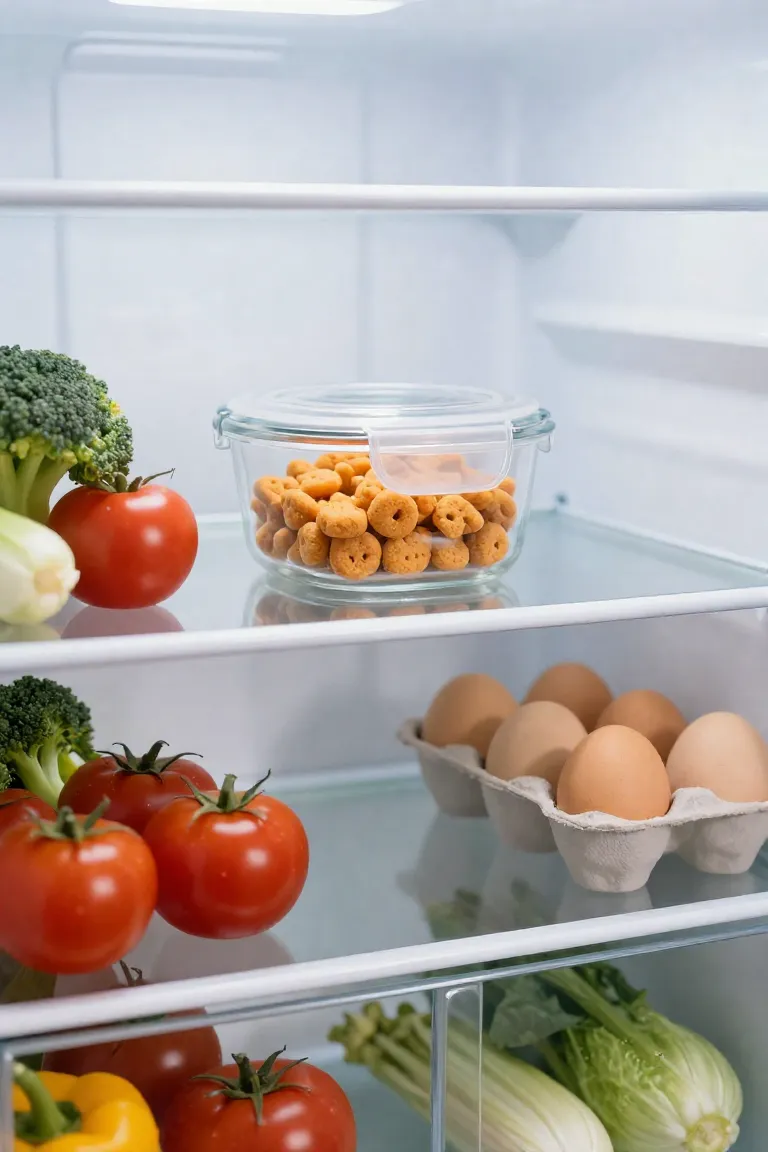
A dedicated portion set aside for your current training week keeps the sweet potato base fresh without inviting spoilage. Glass jars with an airtight seal or snap-lock bins prevent cold fridge humidity from softening the firm texture. Before securing the lid, let the batch reach room temperature so trapped steam does not create moisture droplets on the container walls. Held under steady refrigeration, these bites retain their clean snap and aroma for up to two full weeks of daily practice.
A folded paper towel placed at the bottom of the container absorbs any stray moisture that collects during frequent openings. For puppies with picky appetites, pulling a handful out ten minutes before a lesson allows the biscuit to warm up slightly and release its sweet oat scent. Routine checks keep the stash dry and crisp for your next command session.
2. Freezing Batches for Long-Term Training Needs
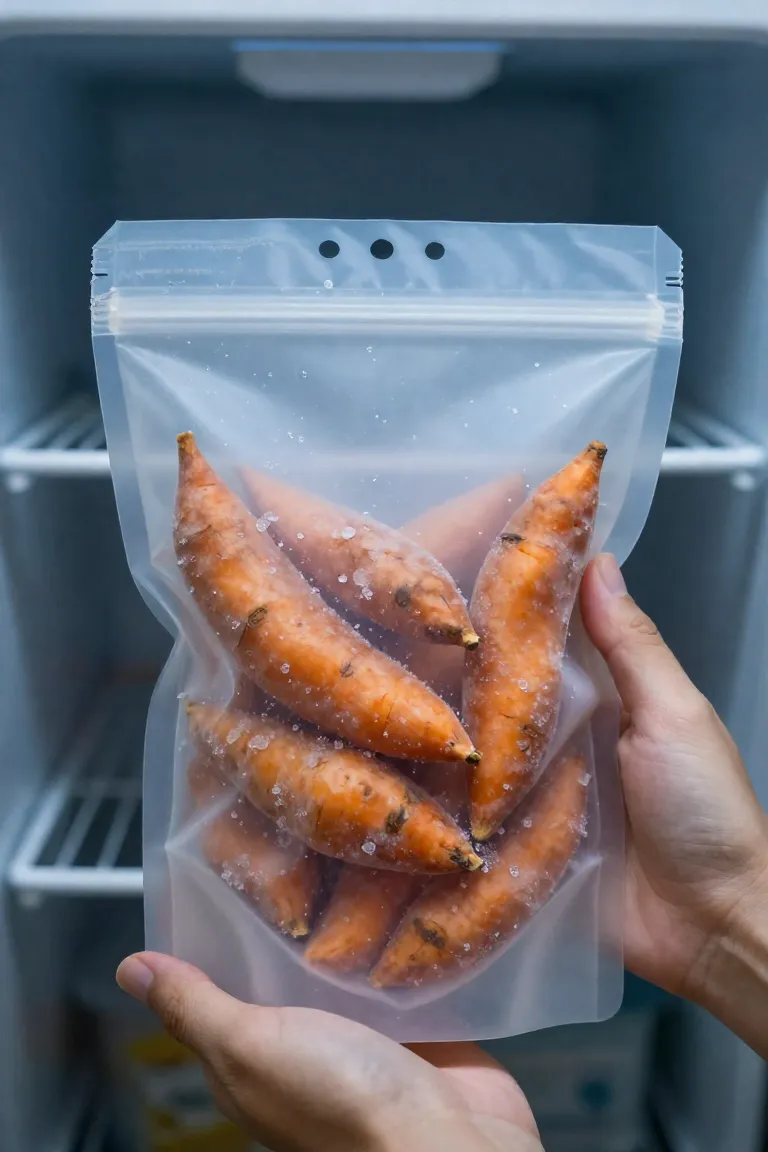
When you bake a massive tray ahead of time, dividing the cooled nibbles into airtight silicone freezer bags keeps moisture crystals from softening the crisp exterior. Pressing out excess air before sealing prevents freezer burn, preserving the aroma and crunch for up to three months. Because these morsels are tiny, grabbing a handful five minutes before a lesson lets them reach room temperature almost instantly on your countertop. You can also skip the thaw entirely during warm afternoon drills, since handing your pup an icy bite numbs swollen gums and relieves teething soreness on the spot.
Frequently Asked Questions About Homemade Puppy Treats
Managing a steady supply of homemade batches naturally brings up practical questions about ingredient choices and batch consistency. Young puppies have developing digestive systems, so adapting core recipes to fit your dog's individual tolerance keeps daily training sessions both safe and enticing.
Minor adjustments to baking times and simple pantry swaps help you safely tailor each batch to your pup's daily diet. Clear answers regarding moisture balance and food safety give you reliable methods as you prepare your next week of training portions.
1. Can I Use Canned Sweet Potato Puree?
Reaching for a store-bought can cuts your kitchen prep time significantly while delivering the exact smooth consistency your dough requires. Before stirring it into your oat flour, check the ingredient label with extreme care to verify that sweet potato is the sole ingredient listed. Many commercial cans intended for pie fillings contain heavy syrups or spices like nutmeg that disrupt sensitive puppy stomachs. Even more critical is watching out for artificial sweeteners such as xylitol, an additive highly toxic to dogs even in trace amounts. Sticking to plain, unseasoned puree keeps your micro-reward batch wholesome and completely safe for rapid repetition throughout your training drills.
2. How Small Should a Training Treat Be?
Aim for pieces no larger than a sweet pea or half a fingernail during your practice drills. Young puppies possess sharp scent receptors and eager taste buds, meaning a microscopic crumb delivers the exact same positive reinforcement as a full-sized biscuit. Because your pup swallows these morsels in one gulp without pausing to chew, you keep training momentum crisp and focused.
Physical safety also improves with minimal portions, particularly when an excited pup pants between repetitions. Bulky snacks create a choking hazard if swallowed mid-gasp, whereas crumb-sized nibbles go down smoothly. This compact scale also lets you deliver dozens of rewards across an afternoon session without spoiling your companion's appetite for regular meals.