Understanding Your Dog's Digestive System
A healthy companion starts from within. Because canine digestion operates along a relatively short gastrointestinal tract with high stomach acidity, maintaining optimal dog gut health directly impacts nutrient absorption and daily vitality.
- Rapid breakdown of proteins through specialized digestive enzymes
- Efficient nutrient absorption across the intestinal lining
- Natural immune defense supported by balanced microflora

Common Signs of Digestive Upset in Dogs
Subtle behavioral shifts often signal internal discomfort before visible physical symptoms appear. When your pet experiences dog digestive upset, you might notice sudden lethargy, frequent grass eating, unexpected meal refusals, audible stomach gurgling, or inconsistent stool quality during daily walks. Catching these early cues allows you to support a sensitive stomach in dogs with gentle ingredients before mild irritation turns into chronic distress.
The Role of Dietary Fiber in Canine Health
Plant-derived roughage provides the mechanical structure needed to keep your pet regular. Introducing the right balance of dietary fiber for dogs absorbs excess water to firm loose stools while actively nourishing beneficial canine gut bacteria that produce soothing fatty acids. This dual action calms intestinal sensitivity and supports natural colon health across every life stage.
Why Sweet Potatoes Are a Superfood for Dogs
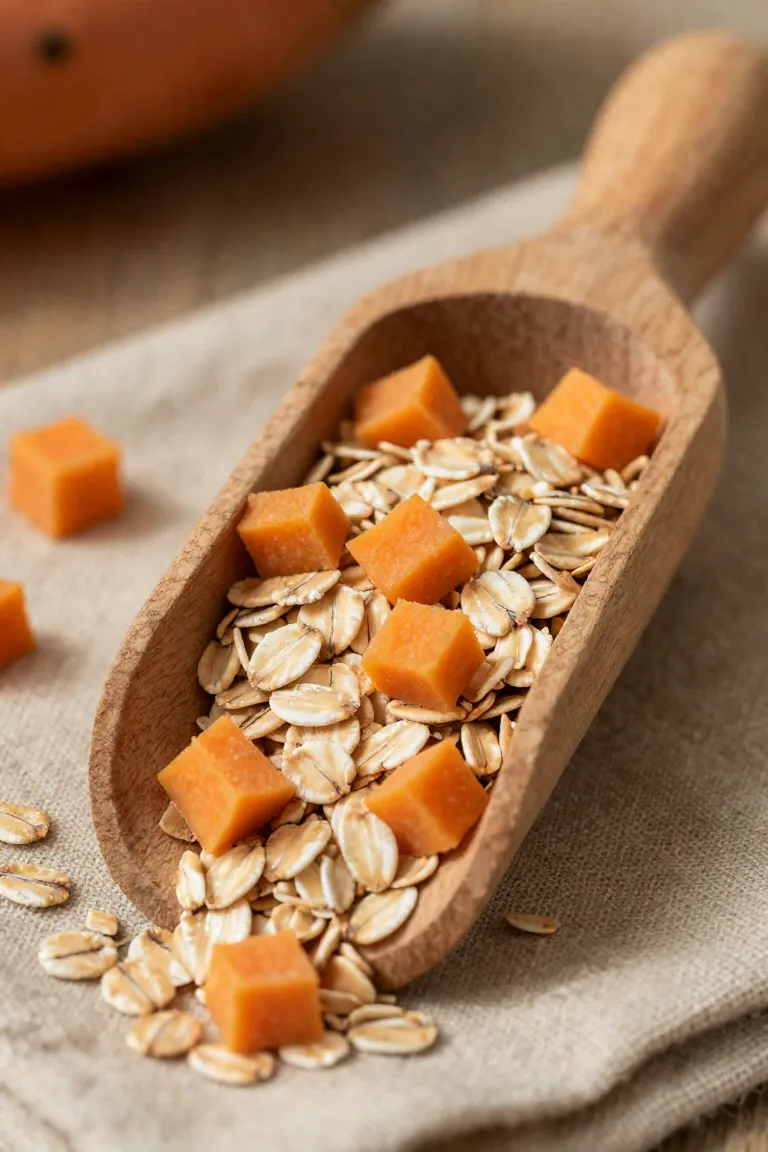
Introducing cooked root vegetables into homemade treats offers a nutrient-dense foundation that sensitive canine stomachs tolerate with ease. Packed with bioavailable fiber and natural sweetness, sweet potatoes for dogs serve as a wholesome dog superfood that provides sustained energy without triggering glycemic spikes.
- Dense micronutrient profile rich in beta-carotene to reinforce natural immunity.
- Naturally low fat content that prevents pancreatic strain in older pups.
- High soluble fiber ratio to gently regulate intestinal transit time.
Vitamins and Minerals That Support the Gut
A healthy digestive tract depends on targeted micronutrients to rebuild cellular linings and maintain muscular contractions along the intestinal wall. Essential vitamins for dogs, particularly Vitamin A, B6, and antioxidant-rich Vitamin C, work in synergy to neutralize free radicals and encourage continuous cellular regeneration throughout the GI tract.
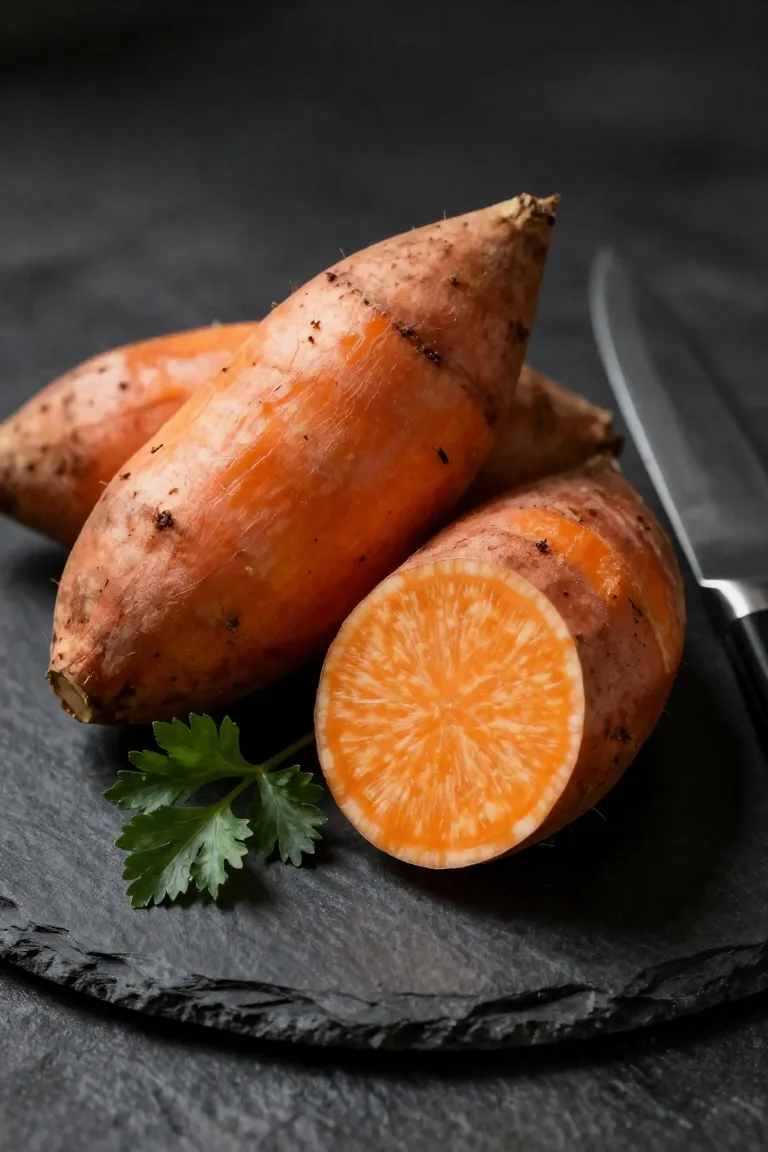
The bioavailable potassium in sweet potatoes acts as a key electrolyte to regulate intracellular hydration and support smooth gastrointestinal motility. In addition, steady magnesium levels help relax digestive tract muscles to ensure comfortable nutrient absorption after every meal.
How Sweet Potato Soothes the Stomach
When dietary indiscretion or mild stress triggers tummy distress, the easily broken-down starches in baked tubers form a protective barrier along the gastric mucosa. Utilizing slow-burning complex carbohydrates for dogs helps soothe dog stomach distress by preventing rapid acid surges and stabilizing intestinal balance.
- Gentle starches coat sensitive stomach linings to calm sudden digestive cramps.
- Slow gastric emptying maintains consistent blood sugar levels throughout the day.
- Soluble mucilage binds excess moisture to firm up soft stool consistency.
The Benefits of Oats for Sensitive Canine Stomachs
When everyday kibble recipes cause occasional stomach rumbles or sensitive tummy flare-ups, turning to simple whole foods offers dependable relief. Whole rolled oats stand out as one of the most reliable gentle grains for dogs, delivering sustained energy without irritating delicate intestinal walls or causing rapid glucose spikes.
For added nutritional value, oats for dogs provide essential B-vitamins and linoleic acid to nourish the skin barrier from within. This digestible nutritional profile soothes hyperactive intestines while supplying the daily micronutrients required for cellular maintenance.
Soluble vs. Insoluble Fiber in Oats
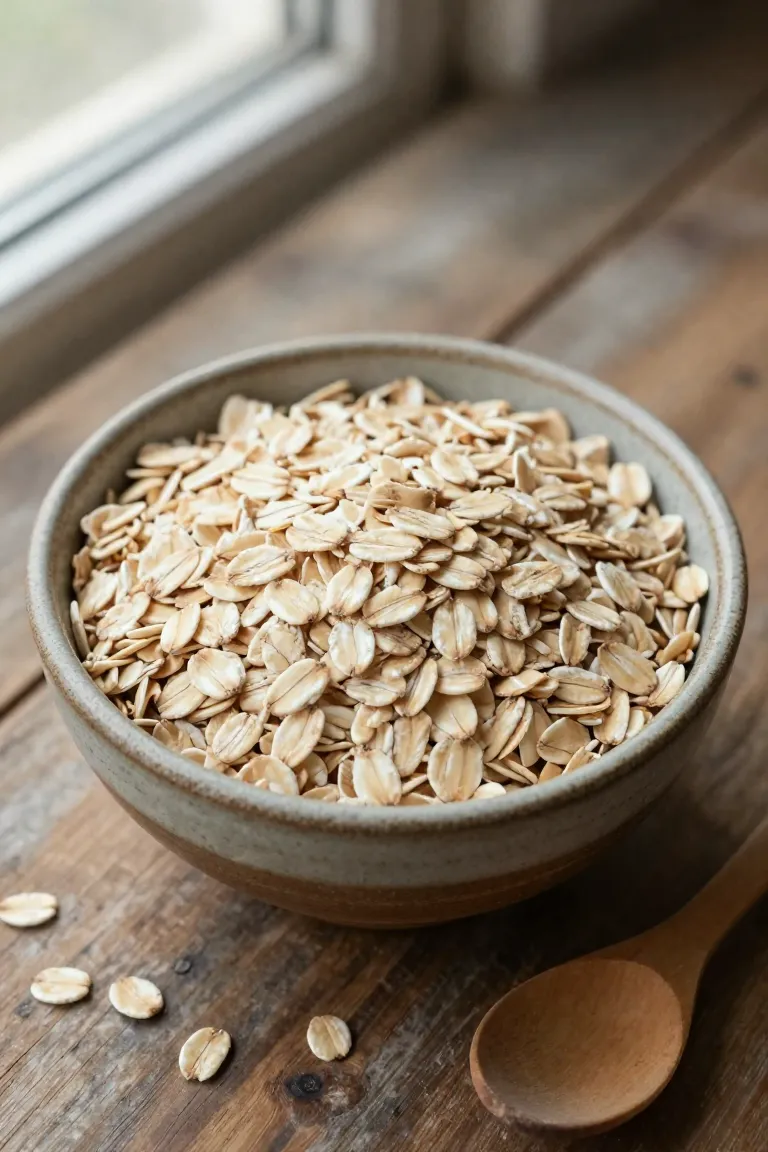
The digestive benefits of this grain come down to its balanced dual-fiber architecture. Rich concentrations of soluble fiber oats create a viscous gel inside the gastrointestinal canal, slowing transit time and helping regulate dog bowel movements during sudden bouts of loose stool.
The insoluble portion travels through the digestive tract largely intact, adding bulk to the stool and encouraging steady muscular contractions along the colon wall. These complementary fiber types maintain optimal stool consistency whether your companion is managing mild constipation or occasional diarrhea.
Gluten-Free Advantages for Allergies
While pure oats are naturally free from gluten, commercial harvesting and processing facilities frequently handle wheat, barley, and rye on shared equipment, creating cross-contamination risks. For pets managing a diagnosed or suspected dog wheat allergy, choosing certified gluten-free oats eliminates hidden gluten proteins that frequently trigger chronic intestinal inflammation and patchy skin irritation. Incorporating pure ingredients into your homemade gluten-free dog treats ensures you control every component in the mixing bowl, protecting your dog's sensitive digestive tract from unexpected allergens.
Step-by-Step Guide: Baking Sweet Potato Oat Cookies
Turning kitchen staples into crunchy snacks requires far less effort than most pet parents imagine. When you begin baking dog treats at home, you bypass artificial preservatives and excess sodium found on commercial shelves. A simple homemade dog cookie recipe calls for basic kitchen tools you already own, such as a mixing bowl and a standard baking sheet lined with parchment paper.
The entire process takes under thirty minutes of hands-on prep, making it an accessible routine for busy households. A predictable baking schedule allows you to create a nutrient-dense reward batch that supports your companion's gentle digestion.
Gathering the Right Ingredients
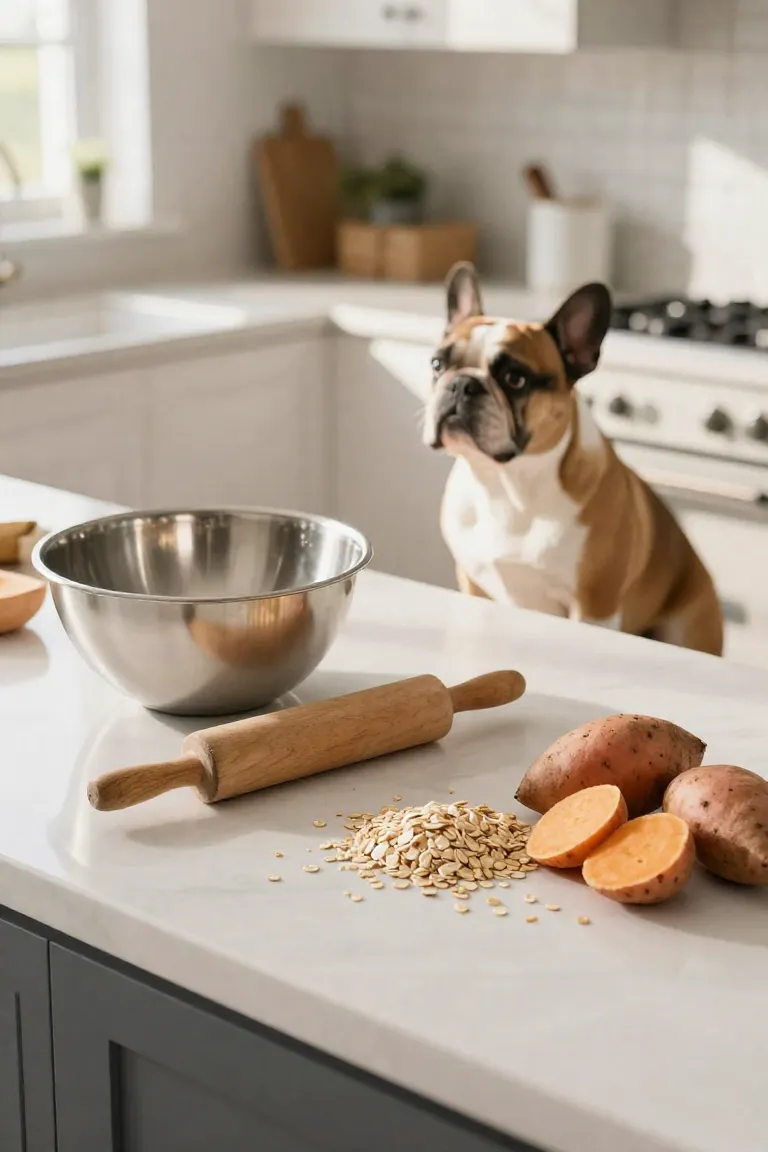
Creating gut-friendly snacks begins with selecting pure components that won't irritate your pup's stomach. Sourcing clean dog treat ingredients means checking labels for hidden additives or artificial sweeteners like xylitol, which are toxic to canines. Rolled whole oats and fresh orange-fleshed tubers combined with a splash of water form an easily digestible foundation.
Many mindful owners prefer certified organic pet food standards when selecting fresh produce to avoid synthetic pesticide residues on root skins. Plain, unsalted pantry staples guarantee that every crunchy bite delivers clean fiber without triggering food sensitivities or unexpected digestive upset.
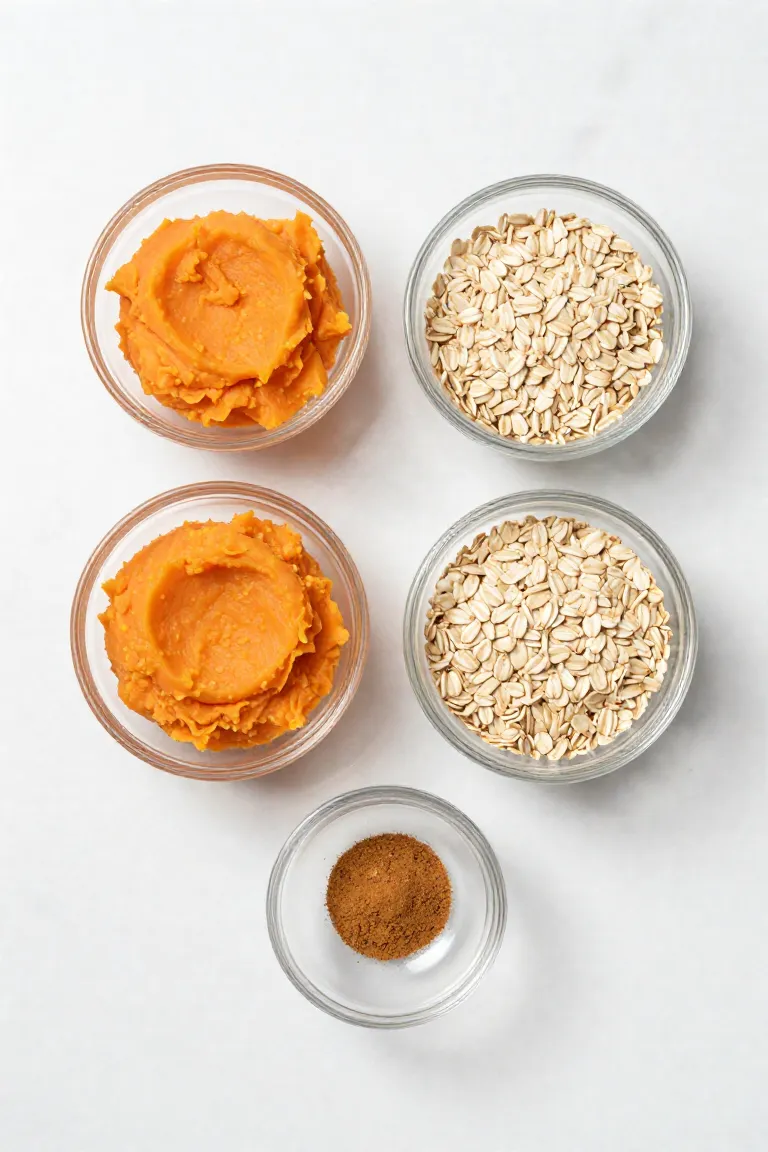
Preparing the Sweet Potato Mash
Steaming or oven-roasting whole tubers with their skins pierced locks in essential beta-carotene and water-soluble vitamins far better than boiling in water. When cooking sweet potato for dogs, leave out butter, cooking oils, and spices to keep the flesh gentle on delicate tummies. Once the flesh softens completely under a fork, scoop it out and press it into a smooth sweet potato mash that mixes easily into your dry oat flour to create an even, pliable dough texture.
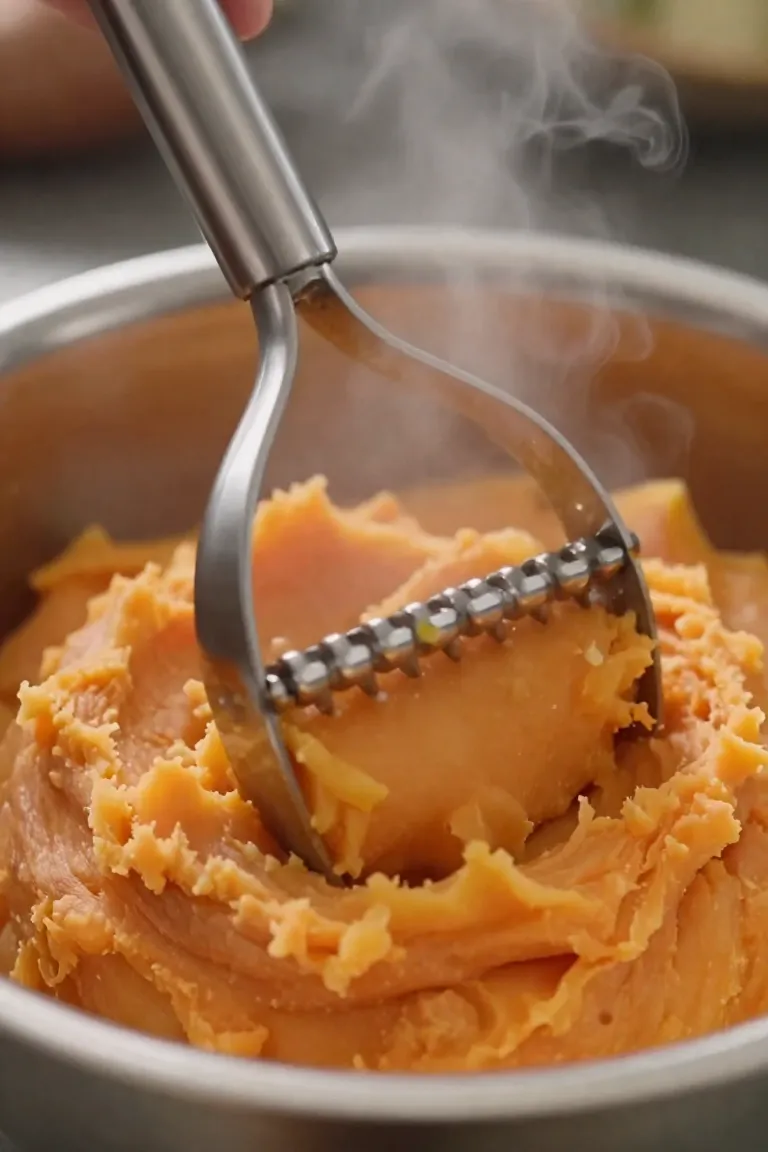
Mixing and Shaping the Dough
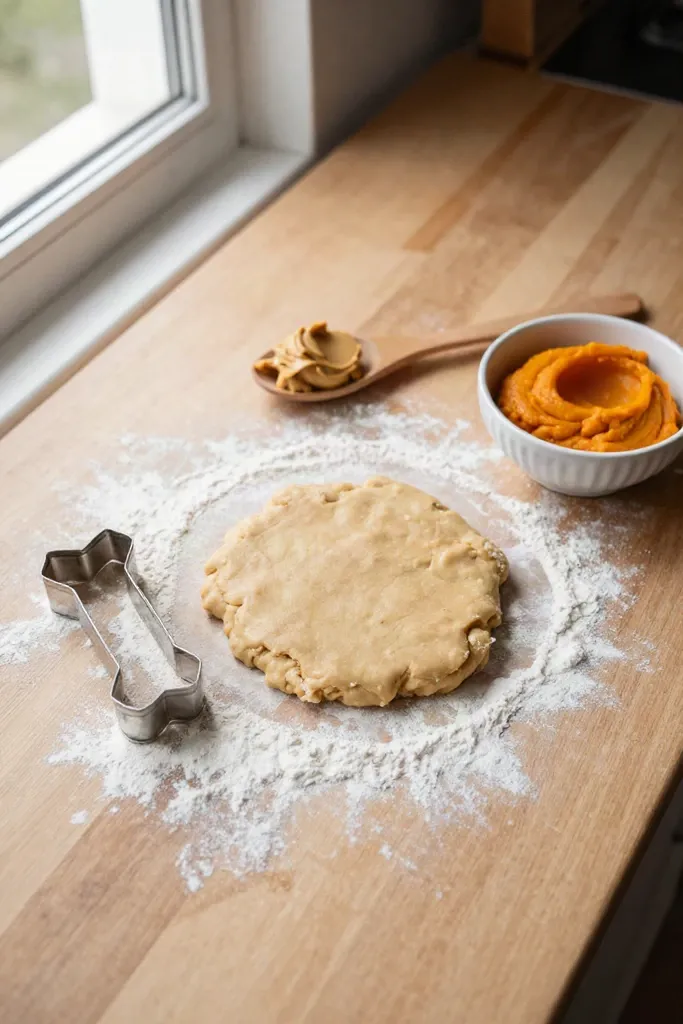
Transfer the warm puree into a large mixing bowl and gradually incorporate your ground rolled oats until a workable dog cookie dough forms. If the mixture feels slightly sticky on your hands, sprinkle an extra spoonful of oat flour across your counter before flattening the base to an even quarter-inch thickness.
- Dust your rolling pin lightly with oat flour to keep the top smooth and prevent tearing as you flatten the mixture.
- Press your cookie cutters firmly into the rolled base, spacing each cutout closely to minimize trimmings.
- Gather any leftover edges, press them together into a small ball, and roll out a second round to maximize the yield.
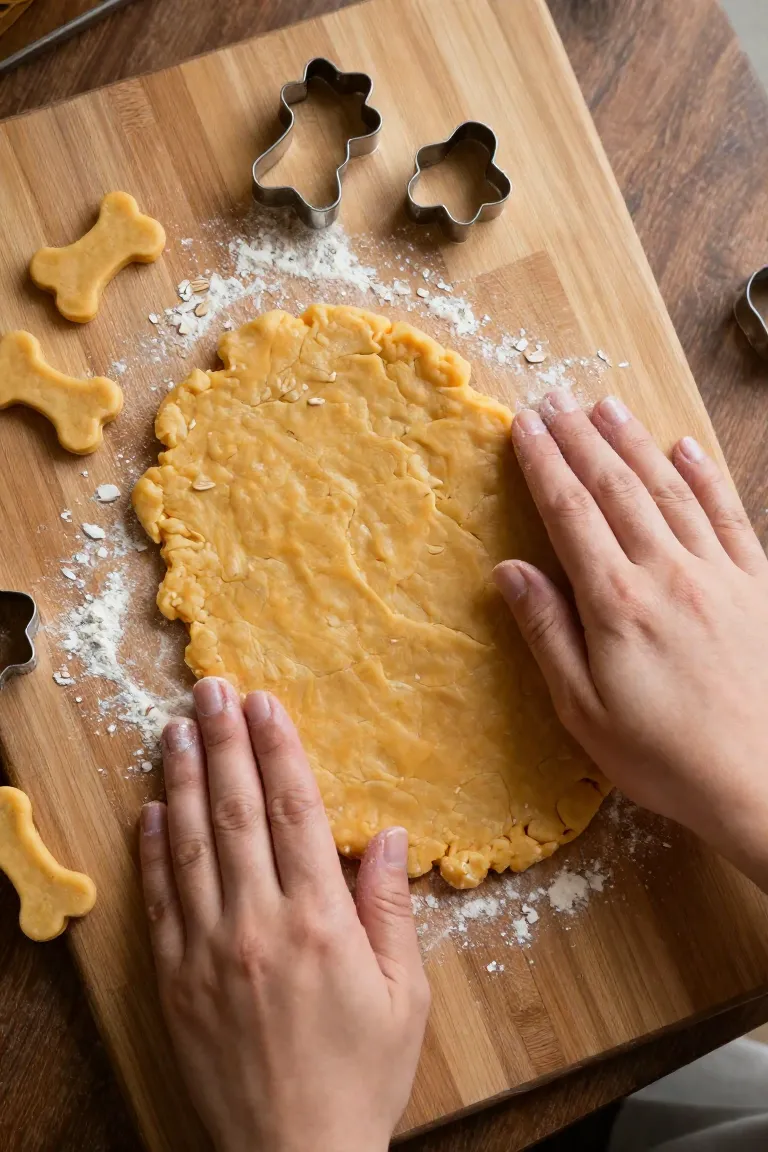
Baking for the Perfect Crunch
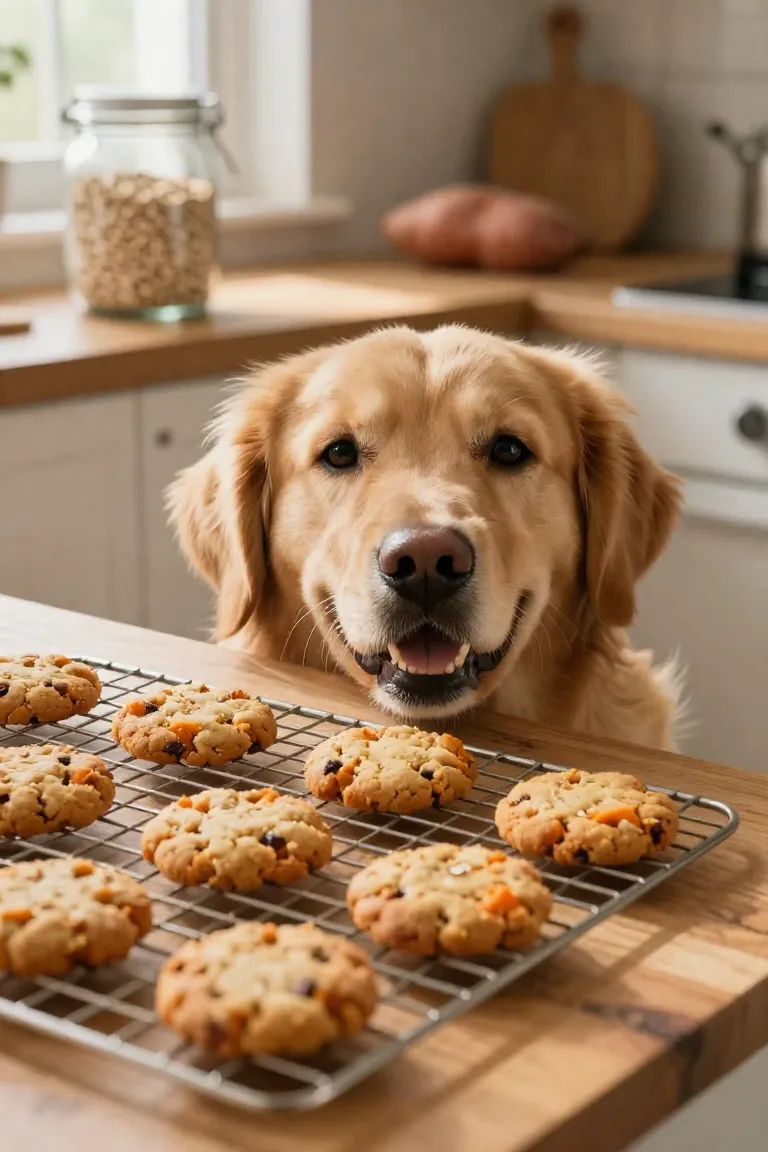
Preheat your oven to 350°F (175°C) and arrange the cut shapes evenly across a parchment-lined baking sheet with a half-inch margin between each biscuit. When baking dog cookies, maintaining a steady moderate temperature draws out deep moisture without scorching delicate edges. Keep the tray inside for twenty-five to thirty minutes, then turn the heat off and let the tray rest inside the warm oven for an extra ten minutes. This extended resting phase produces crunchy dog treats that help scrape away mild plaque deposits on teeth while remaining gentle on your pup's digestive tract.
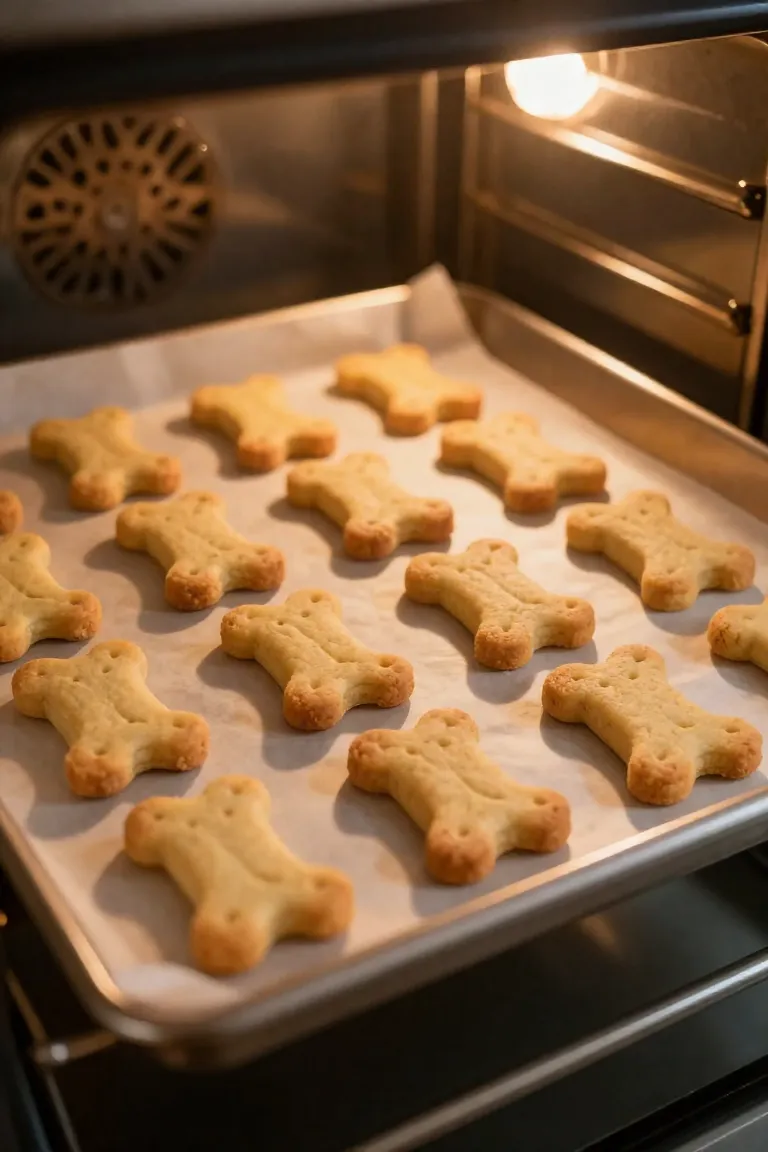
Feeding Guidelines and Portion Control
Treats should never replace a balanced daily meal, even when crafted from wholesome pantry staples. Standard feeding guidelines recommend keeping dog treat portions below ten percent of your pet's total daily caloric intake to support long-term weight management and optimal nutrient balance.
Owners of dogs with sensitive stomachs should introduce any new recipe gradually over several days to track individual tolerance. Start by offering half a biscuit to smaller breeds or a single piece to larger companions, monitoring their stool consistency before making these snacks a regular diet addition.
How Many Cookies Should Your Dog Eat?
Maintaining a balanced diet requires treating snacks as supplemental rewards rather than core meals. As a rule of canine nutrition, dog treat calories should never exceed ten percent of your pet's total daily caloric allowance, with the remaining ninety percent coming from complete and balanced dog food. For practical dog portion control, toy and small breeds under twenty pounds thrive on just half to one small biscuit per day, whereas medium dogs between twenty and fifty pounds can comfortably enjoy one to two whole cookies. Larger breeds weighing over fifty pounds can safely handle two to three pieces spread across training sessions or post-walk rewards. Keeping these proportions in check prevents unwanted weight gain.

Storing Homemade Treats Safely
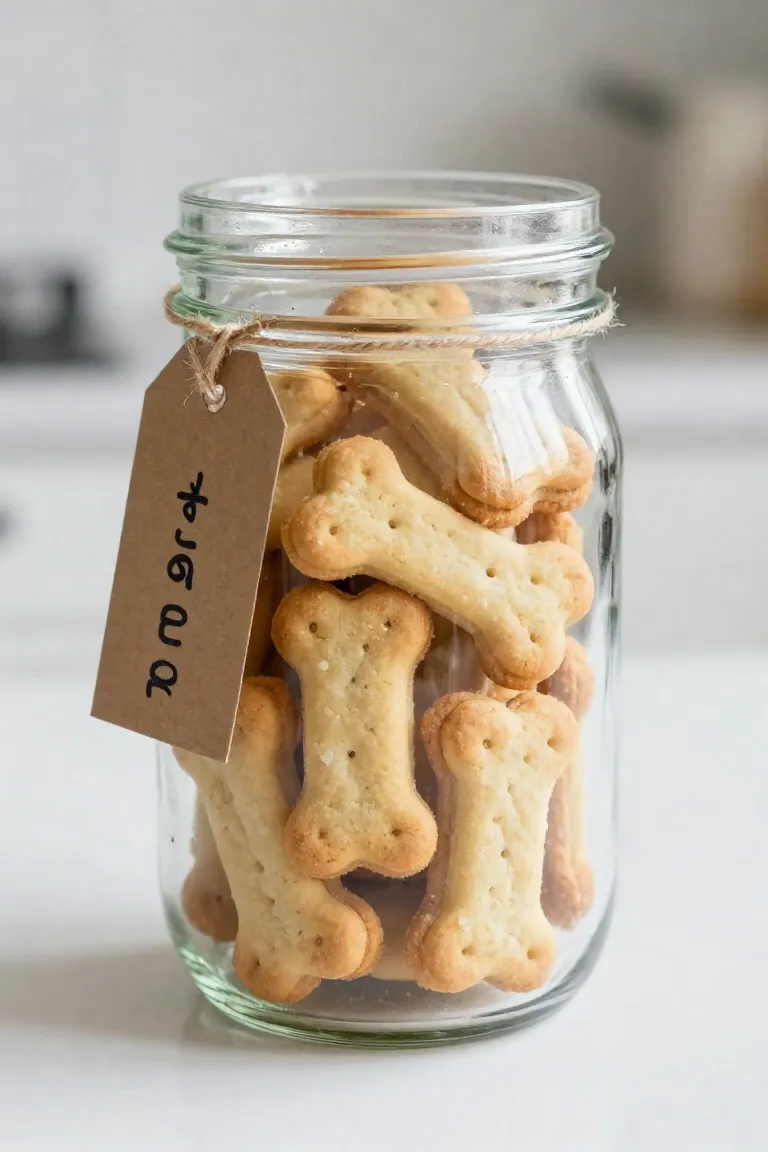
Because these kitchen-baked biscuits lack artificial preservatives, proper pantry management is necessary to keep them crisp and mold-free. Once the cookies cool down completely to room temperature on a wire rack, transfer them into an airtight glass jar or silicone container to lock out ambient moisture. When storing dog treats on a cool, dry kitchen counter out of direct sunlight, they will stay fresh and crunchy for up to one full week.
For extended storage, the refrigerator offers a reliable way to stretch your homemade treat shelf life up to three weeks without sacrificing nutritional value. In warmer climates or humid summer months, freezing remaining batches in sealed freezer-safe bags protects against spoilage for up to six months. Thaw an individual biscuit on the counter for ten minutes before treating your dog to bring it back to room temperature.