Summary
- Introduction to Perfect Training Treats
- Why Micro-Sized Sweet Potato Oat Treats are Perfect for Training
- Master the Bake: Portioning Your Dough for Training Treats
- Proper Cooling and Prep Before Storage
- Short-Term vs. Long-Term Storage Secrets
- Troubleshooting Common Homemade Treat Storage Issues
- Frequently Asked Questions
Introduction to Perfect Training Treats
Baking for your dog eliminates mystery fillers and lets you select pure ingredients directly from your pantry. Combining baked sweet potato with ground oats provides gentle soluble fiber along with steady energy that keeps your companion focused during skill-building sessions. Preparing these ingredients as rapid-reward pieces introduces specific kitchen challenges:
- Keeping portions small enough so your dog can swallow quickly without breaking focus.
- Preventing excess moisture buildup that causes soft biscuits to spoil within days.
- Maintaining an appealing crunch that holds its shape inside a bait pouch or pocket.
Why Micro-Sized Sweet Potato Oat Treats are Perfect for Training
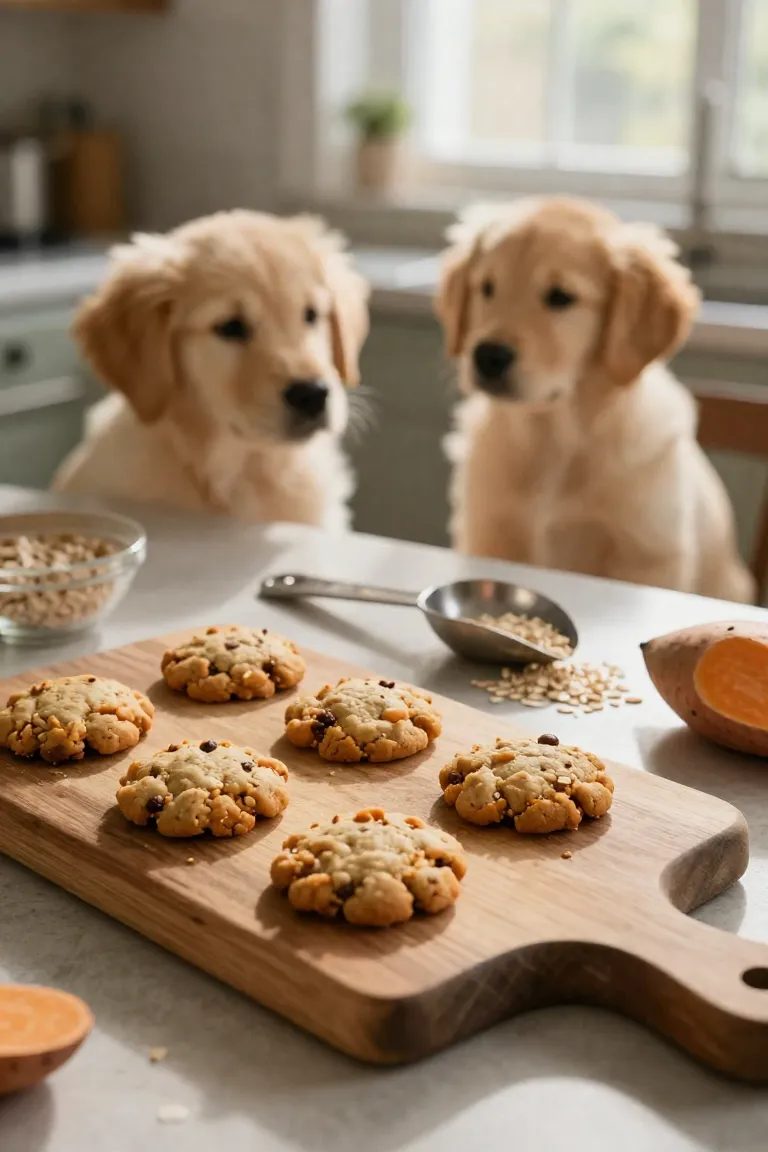
Keeping the morsels down to the size of a green pea ensures your dog swallows each reward in a split second, keeping their attention anchored on you rather than chewing on the floor. Fast-paced obedience drills demand dozens of rapid-fire repetitions, which stall out if a dog stops to crunch bulky biscuits or fills up before finishing the exercise. Tiny nibbles deliver the exact same sensory payoff as larger biscuits, letting you maintain rapid training momentum across an entire session without overloading your dog's stomach or dulling their working drive.

High-Value Reward Without the Extra Calories
When you deliver dozens of repetitions during a focused drill, standard store-bought biscuits quickly overload your dog's daily energy budget. Keeping each sweet potato oat piece down to the size of a green pea ensures that fifty successful marks equal only a fraction of a single meal. This rapid reinforcement cadence preserves training enthusiasm because your dog stays hungry to learn instead of growing sluggish from heavy fillers or rendered fats.
For active sessions, these lean morsels provide aromatic appeal and complex carbohydrates without the hidden syrups or excess calories typical of commercial soft chews. You can repeat complex sequences throughout the day, confident that your dog remains agile and stays well within a safe daily caloric balance.

Easy to Digest for Puppies and Sensitive Stomachs
Sweet potatoes provide soluble fiber and soothing prebiotic starch that steady the gut, while rolled oats offer slow-burning carbohydrates that are gentle on young or irritable intestines. Both ingredients break down smoothly without causing sudden sugar spikes or gas production, which keeps your canine partner calm and focused across long agility runs or crate work. Because these whole-food staples contain no artificial gums or dairy fillers, they rarely trigger loose stools or sudden dietary reactions.
During fast-paced obedience drills, rapid swallowing of large biscuits forces excess air into the gut and quickly triggers cramping or nausea. Tiny, pencil-eraser-sized portions dissolve rapidly with minimal chewing, so your dog can swallow each reward on the run without breaking stride or swallowing air. This controlled volume prevents mid-session bloating, leaving the animal comfortable enough to sprint and respond to verbal cues without physical distress.

Master the Bake: Portioning Your Dough for Training Treats
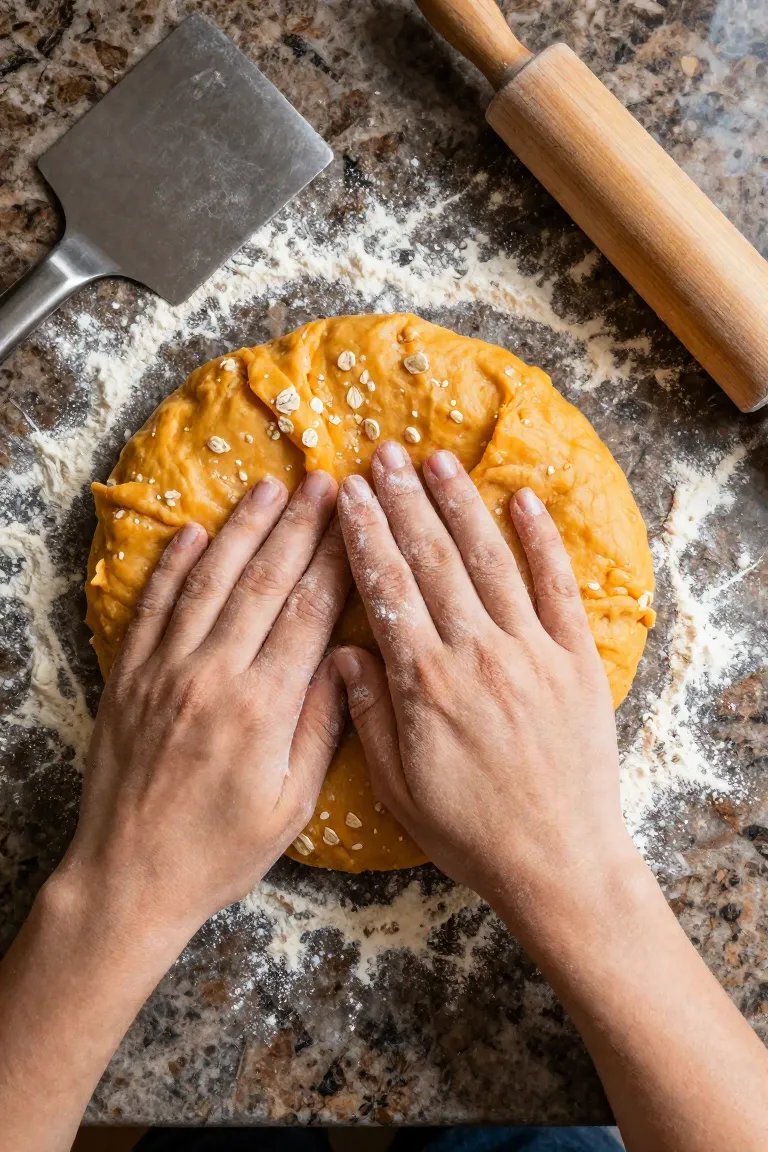
Maintaining that rapid reward pace requires individual pieces roughly the size of a green pea. Because sweet potato puree binds with ground oats into a dense, naturally tacky paste, handling the batch requires light prep so bits release cleanly onto your baking surface. Chilling the mixed bowl for fifteen minutes firms up the plant starches, making small separations far simpler to manage without dusting extra flour that could dry out the recipe.
A damp spatula or lightly oiled hands give you immediate control over the sticky mass, allowing you to choose between structured shaping tools or quick manual sheet methods. Each approach ensures every bite bakes at an even drying rate, preventing soft centers that spoil prematurely in your pouch during long sessions.
Using Silicone Molds for Perfectly Uniform Bites
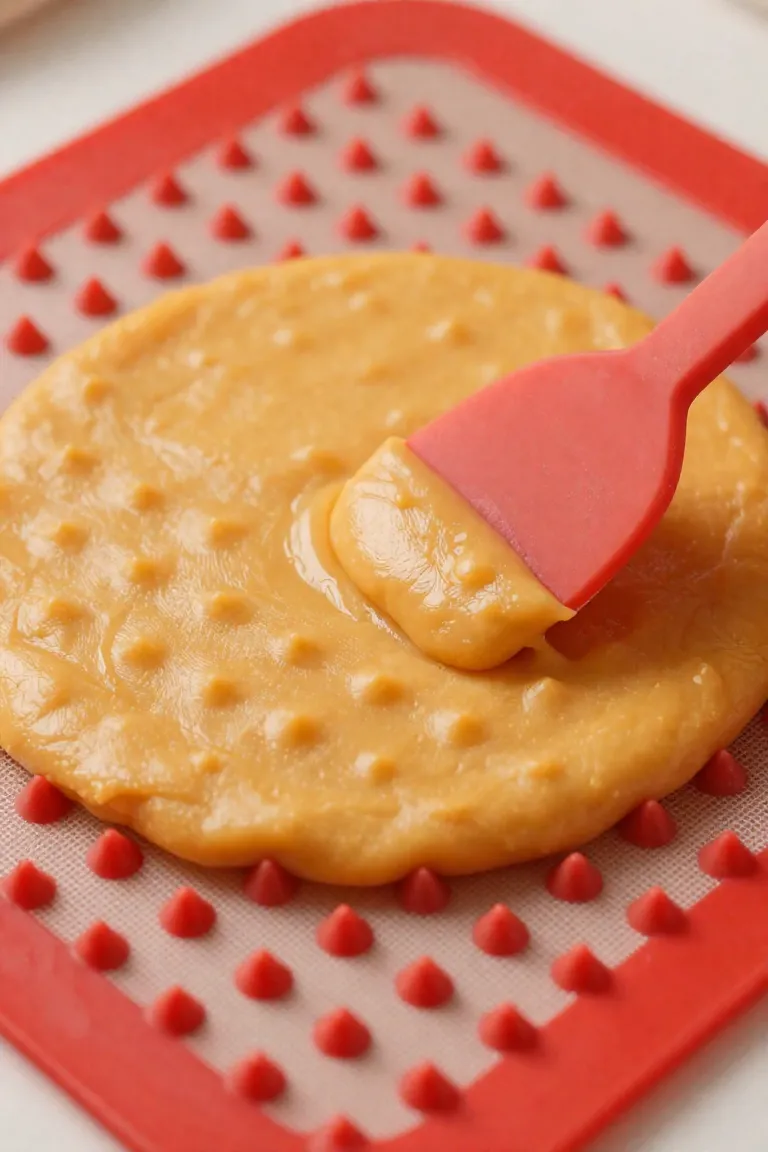
Miniature pyramid mats and tiny hemisphere sheets speed up prep time when you handle sticky pureed dough. Instead of shaping individual morsels by hand, you spread your pureed sweet potato and oat mixture directly across the cavities with a flat silicone spatula. The excess batter scrapes cleanly off the ridges, leaving identical portions that bake at the exact same rate.
- Thin your batter with a splash of warm water or unsalted broth so it settles into the tiny indentations without trapping air pockets.
- Press the flat edge of a bench scraper across the top of the mat to level each cavity before transferring the tray to your oven rack.
- Wait until the silicone cools slightly after baking so the tiny nibbles pop right out onto your work surface without tearing.
The Pinch and Roll Technique for Rustic Training Drops
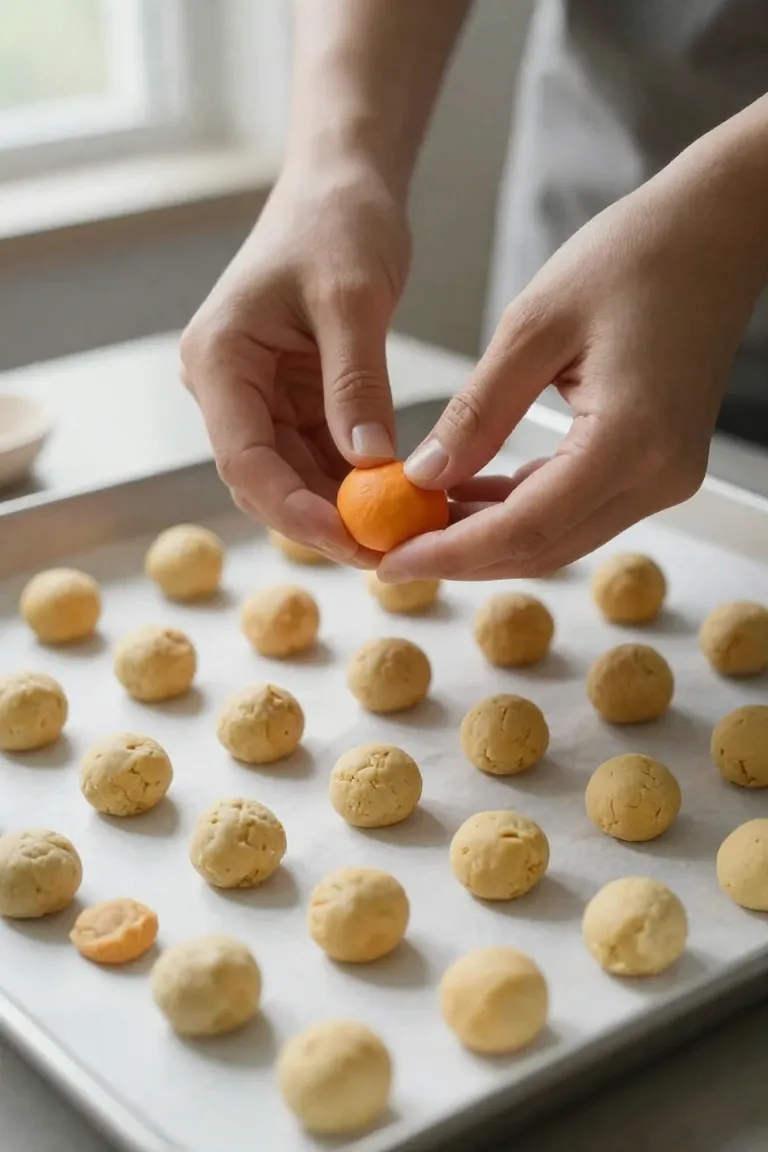
Working without specialty baking grids is simple when you shape the dough by hand. Pull off a tiny cluster of the sweet potato mixture, roughly the size of a dried pea, and rotate it between your palms until it forms a rounded pellet. Because cooked sweet potato and ground oats create a naturally dense texture, keep a small bowl of cool water right beside your prep board. Lightly dipping your fingertips into the water every few minutes creates a slick barrier that stops sticky starch from clinging to your skin.
On your parchment-lined baking sheet, space these hand-shaped nuggets a quarter-inch apart so warm air circulates freely around each piece. A gentle press with your thumb flattens the top slightly, preventing the rounds from rolling around when you slide the pan into the oven. This manual approach yields firm, bite-sized morsels that hold together well during high-repetition practice sessions.
The Score and Snap Method for Easy Baking
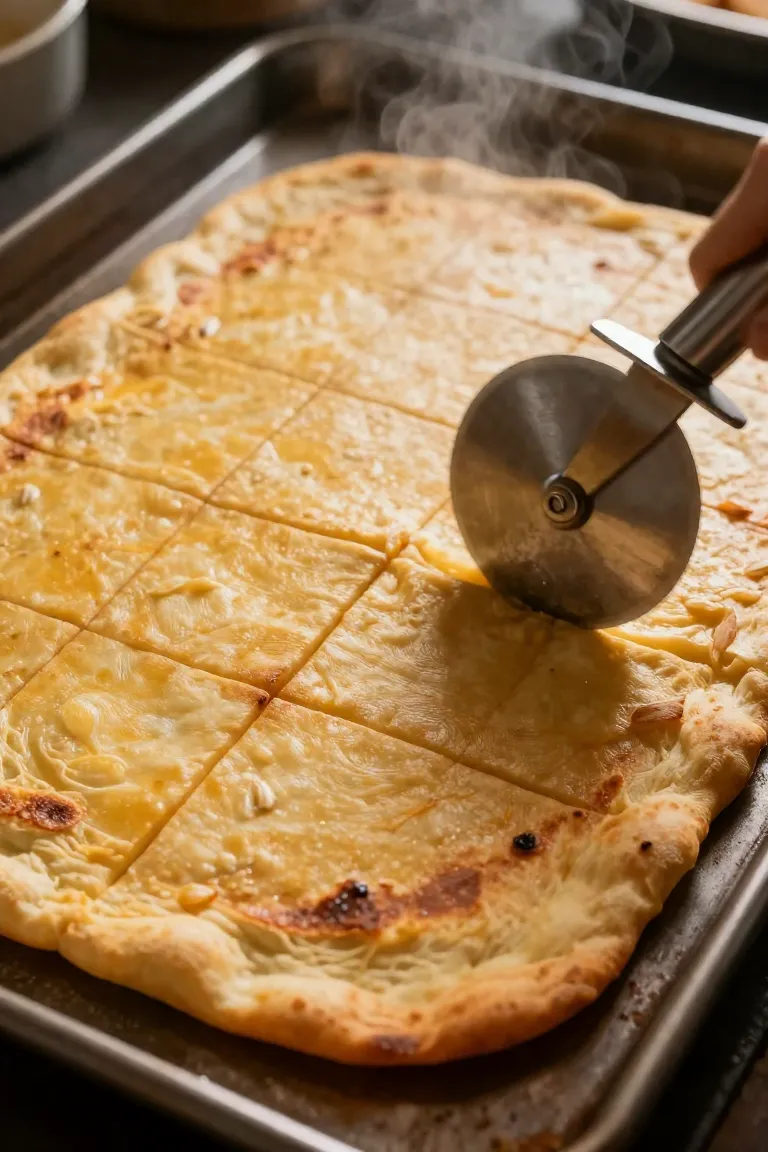
If you want to prepare hundreds of uniform rewards in a fraction of the time, flattening the entire batch across a parchment-lined sheet saves considerable prep work. Roll your sweet potato oat mixture between two sheets of parchment paper to an even thickness of about an eighth of an inch, then transfer the solid sheet directly onto your baking tray. Slide the whole slab into the oven until it sets and turns lightly firm to the touch. While the slab is still warm and pliable straight from the heat, run a pizza cutter across the surface in a tight checkerboard grid to create clear fracture lines. Once the slab sets, the etched grooves let you break the sheet apart cleanly into tidy, pencil-eraser-sized squares that hold their shape without crumbling in your pocket.
Proper Cooling and Prep Before Storage
Once those freshly baked pieces leave the oven, resisting the urge to pack them away immediately protects your entire batch from rapid spoilage. Trapped residual heat inside an enclosed container quickly releases steam, which condenses into moisture droplets along the lid and interior walls. Because sweet potato and oat dough holds dense inner hydration, sealing the bites while even faintly lukewarm creates a humid microclimate where mold spores multiply within days. Giving the batch sufficient time to reach room temperature allows that excess vapor to escape freely into the air, keeping each piece crisp and stable for long-term keeping.
The Importance of a Wire Cooling Rack
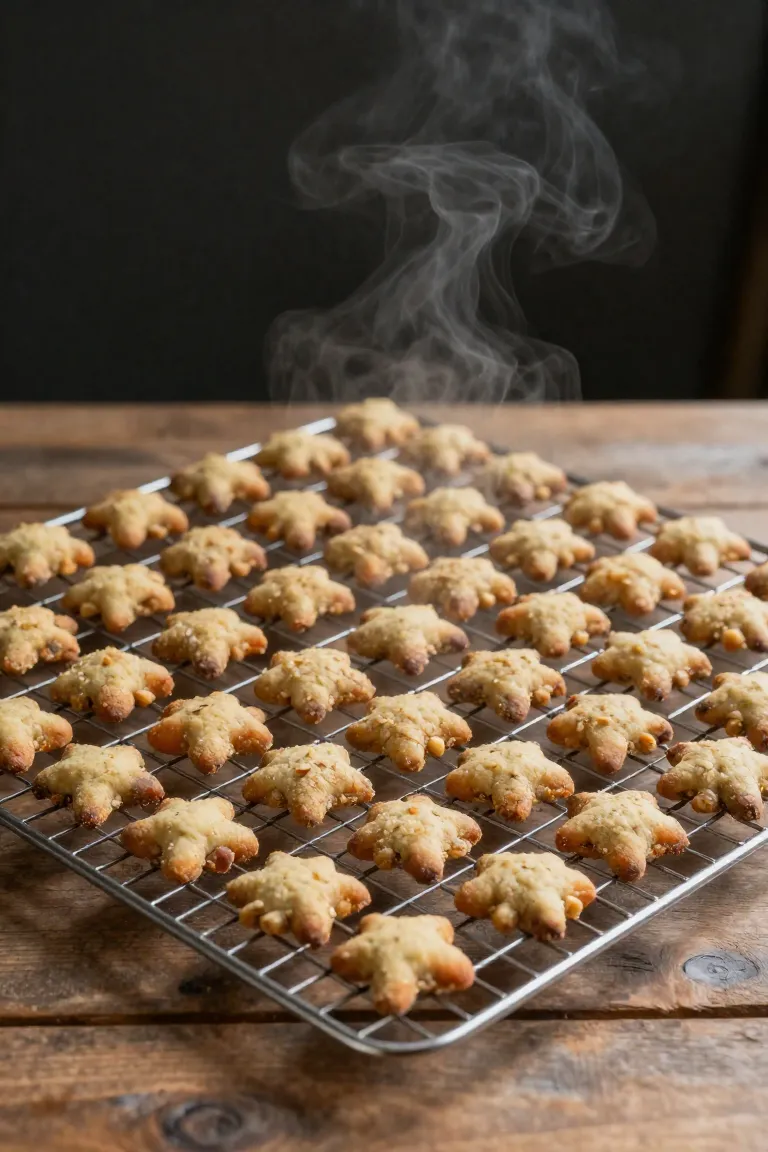
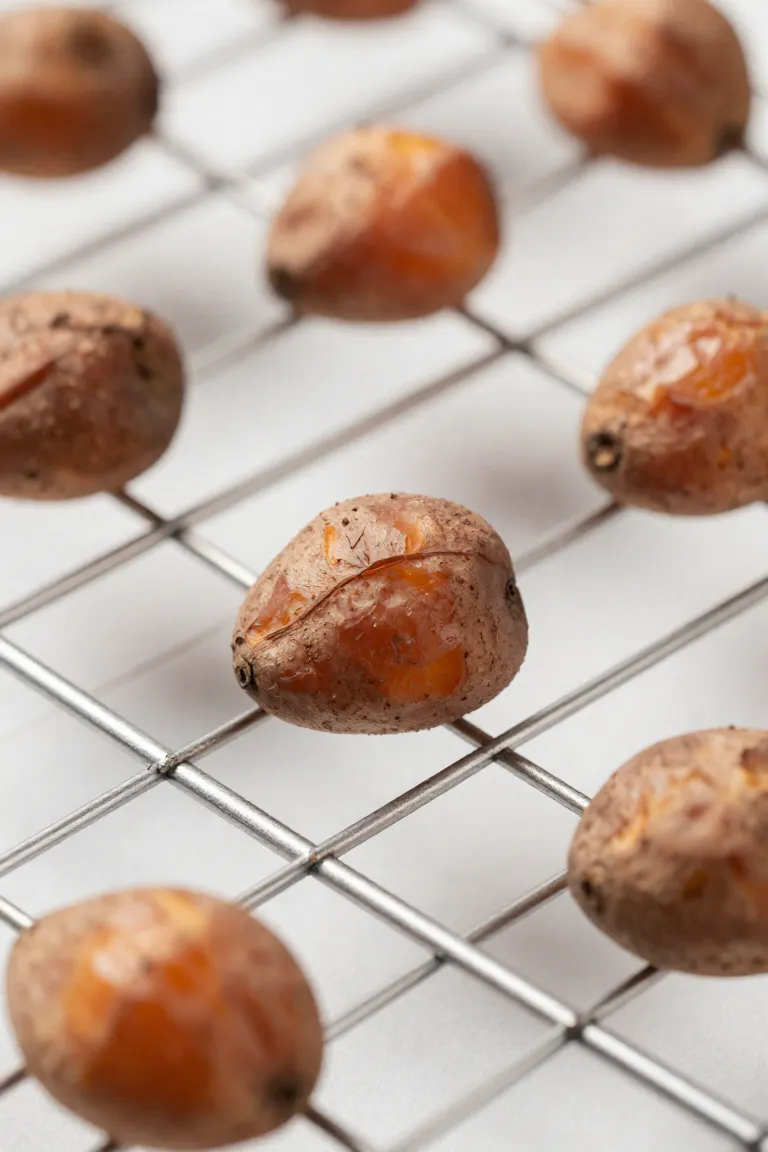
Leaving fresh batches directly on a solid flat sheet traps heat against the metal pan, causing condensation to collect underneath. Setting the bites across an open metal grid allows unrestricted airflow beneath the crust, so steam vents away evenly instead of settling back into the dough.
- Raised mesh designs let ambient air circulate beneath each morsel, preventing damp undersides.
- Quick heat dissipation locks in the crunchy texture you need for pocket-friendly training rewards.
- Uniform cooling eliminates hidden moisture pockets that could otherwise trigger spoilage once sealed in your storage pantry.
Moisture Check: Ensuring Your Treats are Bone Dry
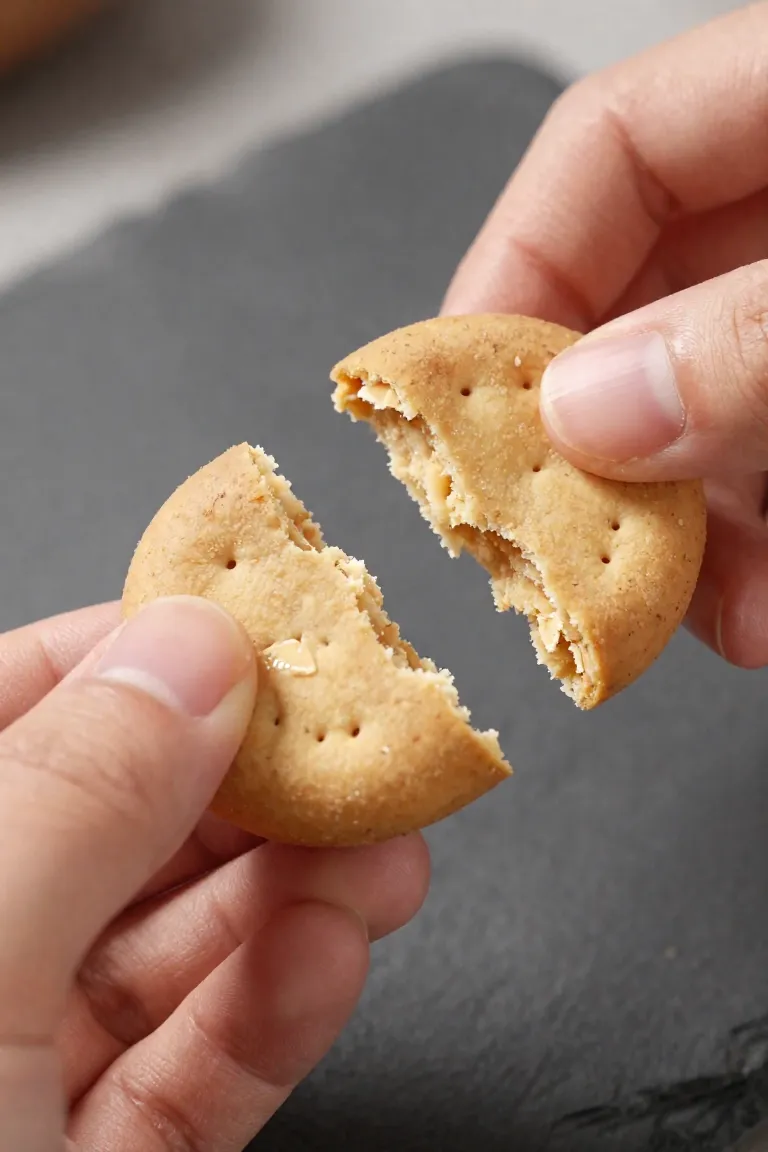
A clean break gives you immediate feedback on whether the batch has reached safe internal dryness. Pick up a cooled morsel and snap it in half between your thumbs, listening for a crisp crack rather than a soft bend. If the interior yields like a chewy cookie or reveals a darker, doughy core, lingering water remains trapped inside. Truly dry treats break cleanly across the center without crumbling into sticky dough or leaving damp residue on your fingertips.
A clear zip-top bag provides a reliable visual test before you commit to final storage. Place two or three broken pieces into the bag, press out excess air, and set it on the counter for twenty minutes away from direct heat. Clear, mist-free plastic confirms that ambient moisture has fully escaped, signaling the batch is ready for your pantry setup.
Short-Term vs. Long-Term Storage Secrets
Dividing your freshly baked yield based on your upcoming training routine prevents you from exposing the entire batch to air every single day. Because homemade dog biscuits lack artificial shelf-stabilizers, matching your preservation plan to your dog's training rhythm stops accidental spoilage before it starts.
- Daily training supply: Set aside a three-to-five-day portion for quick access during obedience drills and walks so you never risk compromising your main batch.
- Secondary weekly rotation: Hold an extra week of treats in a cool, controlled spot if your dog works through rewards at a moderate pace.
- Bulk backup reserve: Pack away the rest of the batch for extended preservation right after baking, locking in natural flavors until you need a refill.
Countertop Storage in Airtight Glass Jars
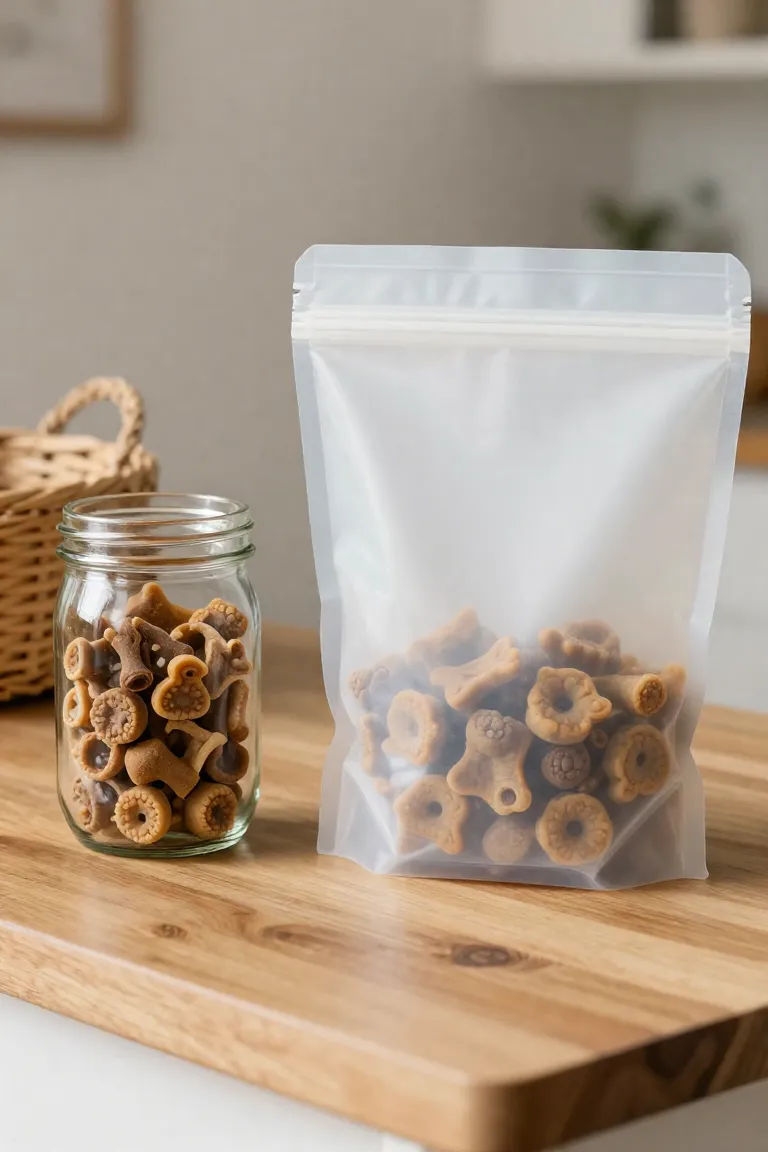
A small working stash kept near your training mat gives you instant access to rewards whenever your dog responds to a command. Clear glass containers fitted with a tight silicone gasket or wire clamp create a dependable seal against circulating humidity. Because dehydrated sweet potato and oat bits readily pull moisture from boiling pots and dishwashing steam, an impermeable seal stops your crisp bites from softening on the counter.
Direct sunlight heating up clear glass can create internal temperature swings, so set the vessel in a dry pantry nook or shaded corner away from the oven. Each time you open the lid to grab a handful for an afternoon recall drill, close the clasp promptly to keep ambient air out. When your counter supply runs low or you need to protect the remaining bulk of your bake, cooler storage options handle the overflow.

Refrigerating Freshly Baked Dog Cookies
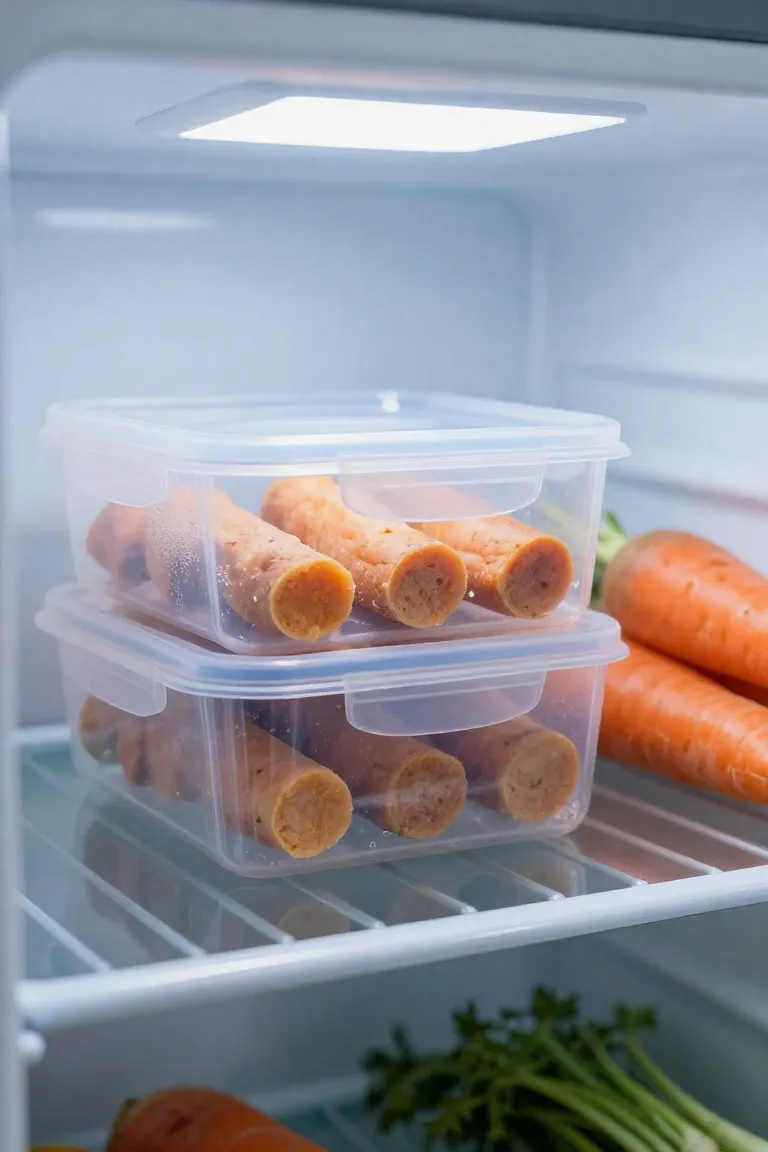
Sliding softer, moisture-rich bites into a cold chill compartment halts spoilage that typically threatens homemade recipes within days. Because sweet potato purée retains natural water content even after baking, keeping these tender rewards inside a sealed container in your fridge preserves their fresh texture for two to three weeks. Line the bottom of the container with a folded paper towel to capture stray condensation, which prevents soggy edges and stops mold spores before they start. The cool environment locks in the roasted root vegetable aroma your dog works for, while the oat base maintains a pliable consistency that breaks apart cleanly during daily practice sessions.
Freezing for Long-Lasting Freshness
When you bake in bulk to save time, sub-zero storage prevents moisture degradation and locks in flavor across several months of practice. Spreading individual nibbles across a parchment-lined baking sheet in a single layer for two hours lets each piece harden independently before you consolidate them. This quick flash-freeze step stops sticky starch from fusing small morsels into a stubborn solid clump, so you can easily grab the exact handful you need for a morning walk.
A heavy-duty freezer bag or airtight container protects the frozen rewards once you pack them together. Squeezing out excess air before sealing prevents ice crystals from forming on the surface and maintains the chewy texture of the sweet potato base. Small portions thaw on your counter in under ten minutes, though sudden temperature shifts during thawing can occasionally introduce unexpected moisture.

Troubleshooting Common Homemade Treat Storage Issues
That surface dampness is often the initial clue that your baked batches are reacting poorly to trapped humidity inside the container. Because preservative-free dog snacks carry zero chemical stabilizers, small environmental oversights quickly lead to either unchewable dryness from leaky seals or fuzzy white patches from lingering water vapor. If you open a jar and notice the biscuits have lost their crisp snap, a quick check of the container's silicone gasket usually reveals where ambient air is seeping through. Conversely, spotting damp spots or sour odors means internal steam got locked in before the biscuits cooled completely, requiring you to discard the affected batch immediately rather than risking your dog's digestive comfort.

How to Prevent Mold and Spoilage
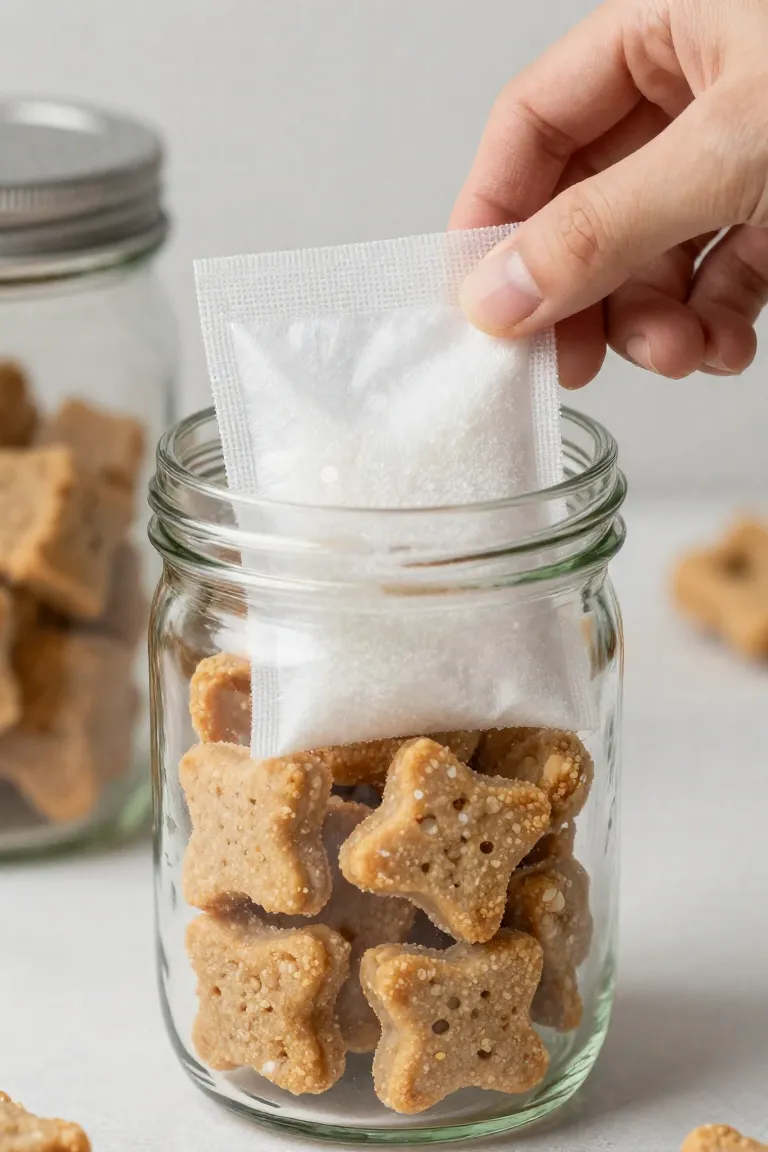
Stopping fungal growth before it starts comes down to driving out residual internal water and keeping the finished batch away from ambient kitchen steam. After your initial bake, leaving the biscuits inside an unheated oven with the door cracked for an extra twenty minutes gently evaporates any remaining core moisture without charring the sweet potato starch. Once dry, stash your container in a dark, climate-controlled cupboard well away from heat-producing appliances like dishwashers or sunlight-warmed countertops. Fluctuating temperatures generate internal condensation within sealed containers, creating the exact microclimate airborne spores need to colonize the surface. Tossing a food-safe silica packet into your container provides an added moisture barrier that traps stray humidity every time you open the lid for a quick training session.
Reviving Stale or Hard Treats
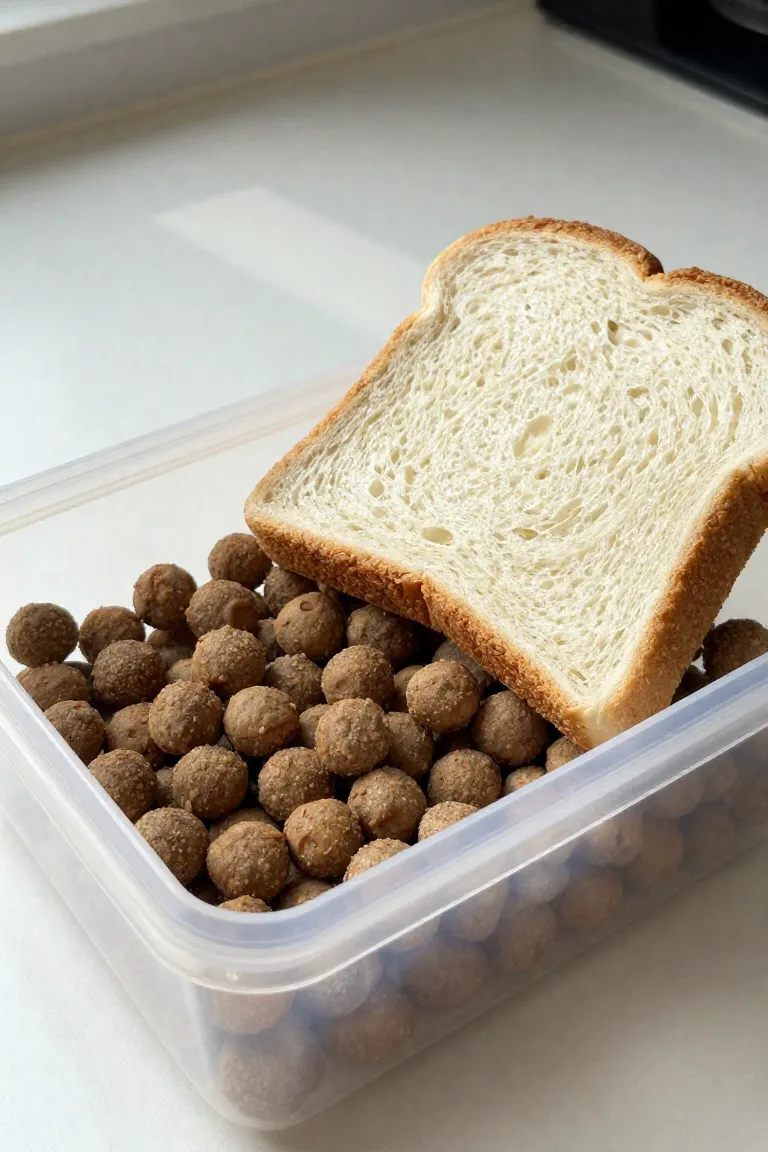
When batches turn too brittle for rapid swallowing, you can bring back a tender bite without turning on the oven. Slipping a single slice of bread into your sealed jar transfers ambient moisture back into the oat dough overnight. The biscuits pull hydration naturally from the soft crumb, leaving them pliable enough for quick repetitions without crumbling into powder inside your treat pouch.
In situations where you need a faster fix before heading out to class, a damp paper towel tucked under the jar lid works in roughly two hours. A clean piece of parchment between the moist paper and the treats keeps them from getting soggy, balancing the texture so you can stay focused on rewarding good behavior.
Frequently Asked Questions
Small variations in kitchen humidity dictate how long your training treats remain fresh. Moisture shifts happen quickly when containers sit near sunny windows or warm dishwashers, making cool, dark cupboards the safest spot for daily treat jars. Treats made with simple pureed tubers and rolled oats hold their firm bite best when sealed only after cooling entirely to room temperature. If you live in an especially humid climate or bake large quantities at once, dividing the batch into small weekly containers prevents warm air from entering your main reserve every time you reach inside for a reward. A quick test for freshness involves snapping a bite in half; a crisp, audible crack confirms zero trapped moisture remains inside, signaling the stash is ready for your training pouch.
How Long Do Sweet Potato Oat Treats Last?
Once cooled and packed away from ambient humidity, a thoroughly dried batch stays crisp on your pantry counter for one to two weeks. Moisture levels dictate this initial window, so any lingering softness in the center means you should transfer the jar to cooler storage after several days.
In the refrigerator, sealed batches remain fresh for up to three weeks without losing their structure or aroma. Sub-zero temperatures offer the longest timeline, keeping portions sound for four months when tucked into airtight freezer containers.
Can I Add Preservatives Naturally?
Certain household ingredients slow down fat oxidation and keep dry batches fresh for extra days in your pantry. Blending these gentle additions into wet sweet potato mash distributes them evenly before you fold in the oats:
- A drop or two of food-grade rosemary extract acts as a stable botanical inhibitor against rancidity.
- Liquid vitamin E oil introduces mixed tocopherols that shield batch oils from breaking down in warm kitchens.
- A tiny pinch of ground Ceylon cinnamon provides mild antimicrobial support while adding a warm aroma dogs enjoy.