Summary
- The Ultimate Guide to Budget-Friendly Grain-Free Dog Treat Ingredients
- Understanding the Benefits of a Grain-Free Diet for Dogs
- Top Budget-Friendly Grain-Free Flours for Dog Biscuits
- Sourcing Affordable Binders and Flavor Add-Ins
- Smart Shopping Strategies for Dog Treat Ingredients
- Storing Your Ingredients to Maximize Shelf Life
- Frequently Asked Questions About Grain-Free Dog Baking
- Conclusion: Bake Healthy, Save Money
The Ultimate Guide to Budget-Friendly Grain-Free Dog Treat Ingredients
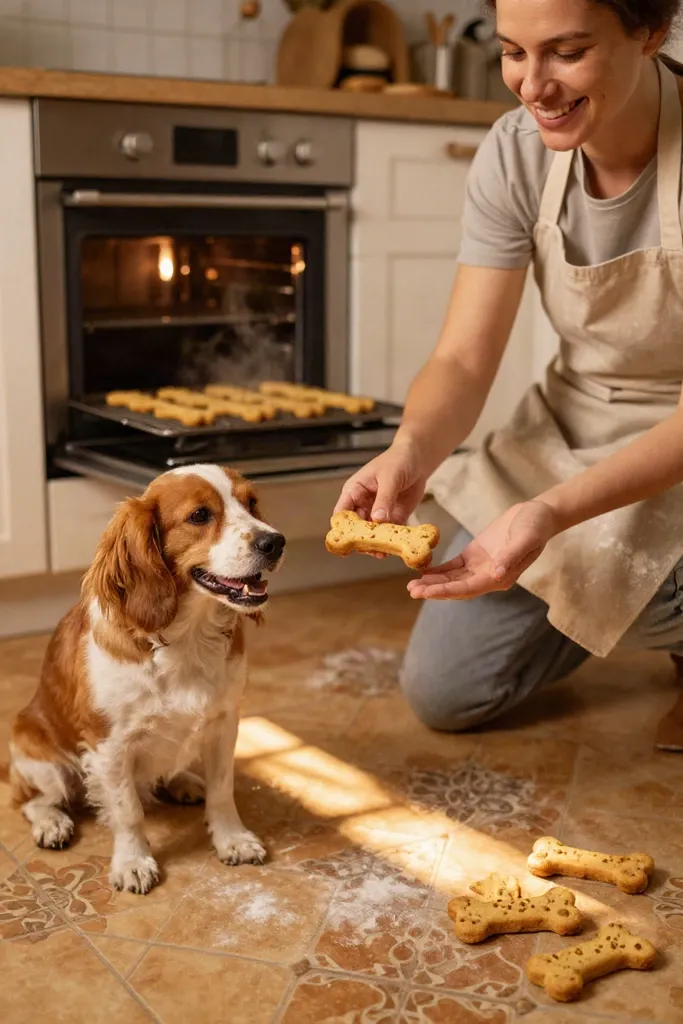
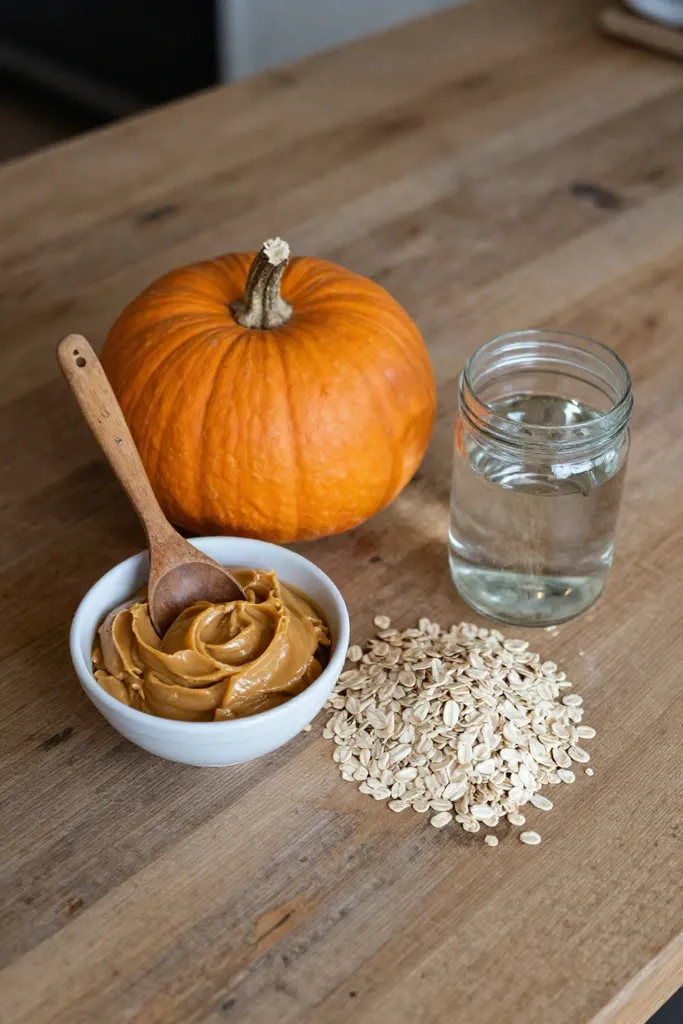
Walking down the pet food aisle often brings sticker shock, especially when a tiny six-ounce bag of specialty snacks with zero corn or wheat easily climbs past ten dollars. Making your own baked batches at home cuts those grocery expenses dramatically while giving you complete oversight over every allergen that enters your dog's bowl. Everyday pantry staples like unsalted natural peanut butter and canned pumpkin puree create a wholesome, easily digestible foundation packed with fiber and healthy fats without the retail markup. You can tailor moisture and texture directly to what your pup loves, bypass synthetic fillers, and keep a fresh supply of nutritious biscuits ready for training sessions.
Understanding the Benefits of a Grain-Free Diet for Dogs
Many dogs deal with chronic scratching and loose stools after snacking on commercial biscuits filled with wheat and corn. By removing these common triggers from your baking routine, you create gentle snacks that support sensitive systems while delivering steady daily energy.
- Fewer allergy flare-ups: Removing common cereal fillers helps calm itchy skin and recurrent ear redness linked to food sensitivities.
- Smoother nutrient absorption: Gentle alternatives like pure pumpkin puree provide soluble fiber that firms up stools and balances sensitive canine stomachs.
- Wholesome digestive comfort: Real pantry additions like unsalted natural peanut butter offer healthy fats and clean protein without triggering stomach cramps or sluggishness.

Top Budget-Friendly Grain-Free Flours for Dog Biscuits
Creating homemade baked snacks for a sensitive canine digestive tract begins with swapping conventional wheat for alternative ground seeds and legumes. Specialty supermarket aisles often attach premium price tags to packaged alternatives, but it's easy to keep home baking inexpensive when you buy staple varieties in bulk. Each wheat alternative behaves differently in dough, absorbing moisture at distinct rates and determining the crunch of the finished snack.
Accurate moisture management prevents sticky dough and wasted batches on your counter. Certain plant powders absorb substantial liquid, which means a single two-pound bag stretches across dozens of baking sheets. A clear grasp of how each grain substitute behaves helps you choose the right base before mixing your first batch.
1. Coconut Flour: High Yield and Cost-Effective
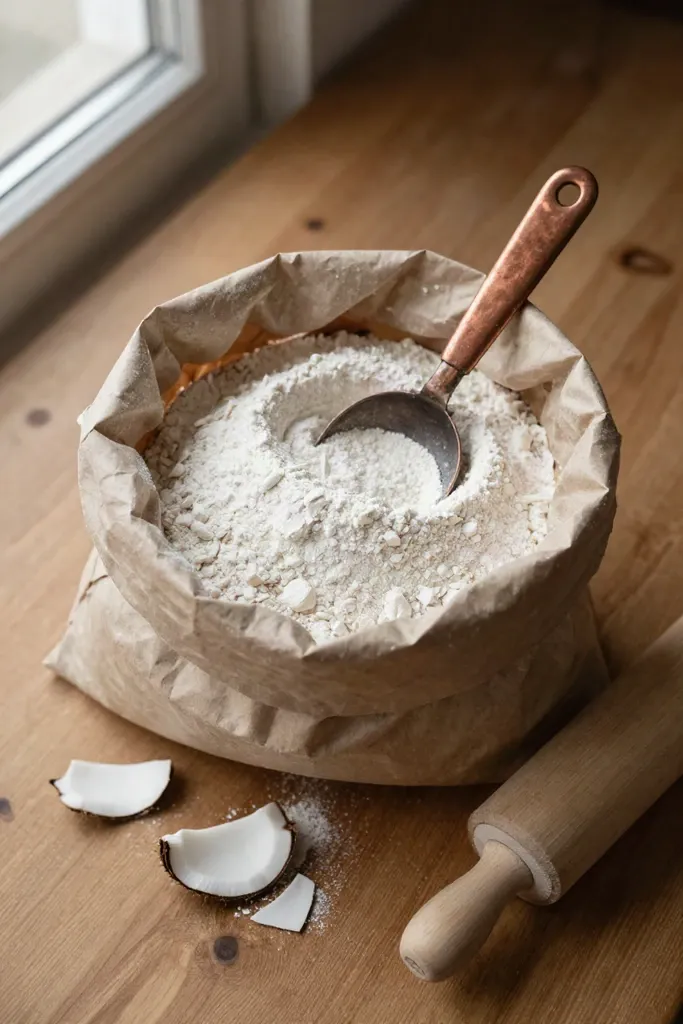
When working with dried coconut meal, the first property you notice is how rapidly it pulls moisture from surrounding liquids. Most biscuit recipes require only a quarter to a third of the volume called for by standard grain options, as the high-fiber particles swell immediately upon contact with wet binders. Because each batch demands such a small quantity, a single two-pound bag can easily supply your weekly baking sessions for months without running dry.
In your mixing bowl, this high liquid absorbency requires an extra splash of water or pureed pumpkin to prevent the dough from crumbling. Once hydrated, the mixture presses firmly into cookie cutters and bakes into a crisp, dry biscuit that resists splintering. The finished pieces hold their shape in treat pouches without turning into dust, making each batch practical for daily training rewards.
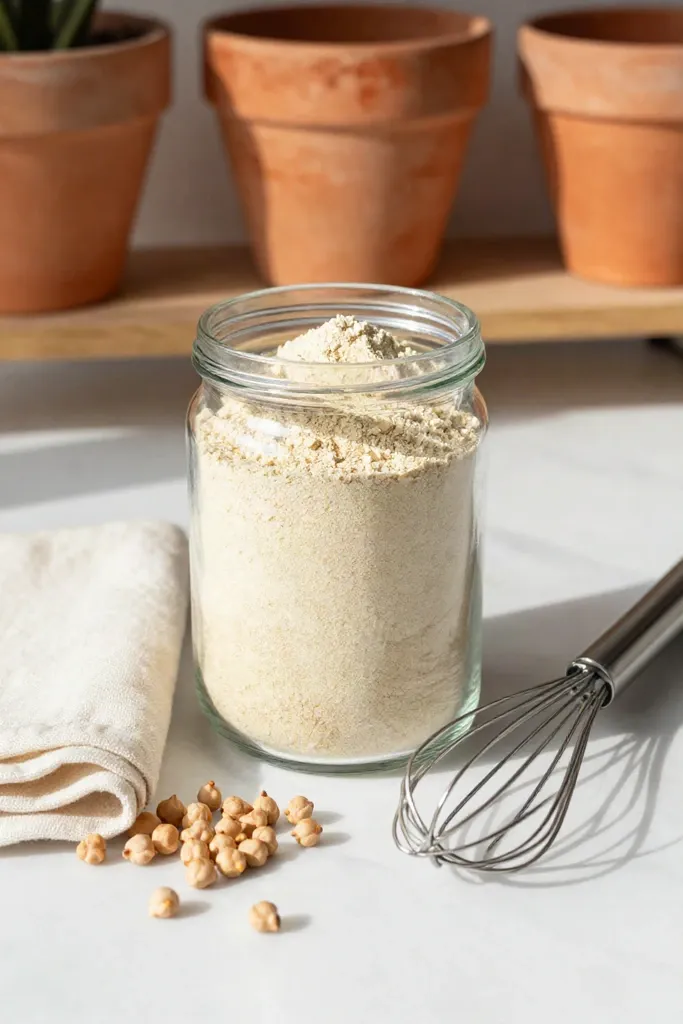
2. Chickpea Flour: Protein-Packed and Affordable
When you need a sturdy biscuit texture that adds clean plant protein for just pennies per batch, garbanzo bean flour delivers dependable structure in your mixing bowl. Milled from dried legumes, this economical staple creates a pliable dough with natural binding properties, which keeps cutout treats from cracking or crumbling on the baking sheet. Its subtle, earthy flavor blends easily with savory bone broths as well as rich peanut butter profiles, giving treats an aroma dogs readily accept. The finished biscuits bake into a firm, crunchy bite that resists moisture and holds up in treat bags throughout long walks.
3. Tapioca Starch: The Perfect Binding Agent
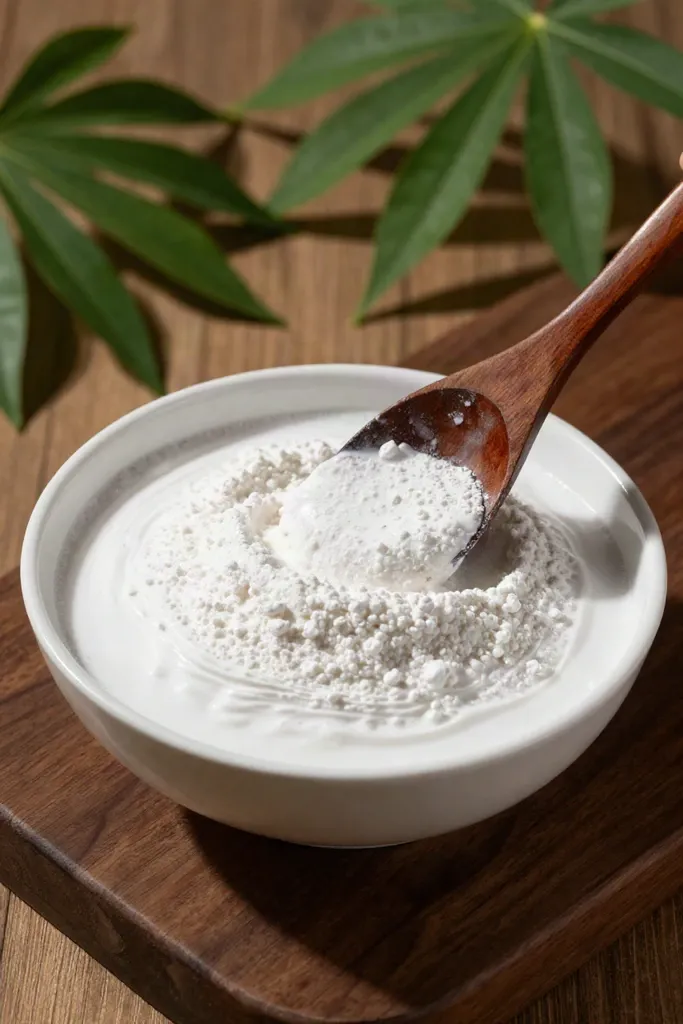
Without gluten to hold dough together, grain-free mixtures frequently crumble on the counter or fracture during rolling. Adding a small scoop of fine cassava root powder solves this structural problem without inflating your grocery receipt. The starch creates a pliable network when mixed with warm liquid, helping your dog biscuits hold sharp cutter shapes and bake with dependable firmness.
- It locks moisture into dense batters, preventing dry edges that break off before treats even reach the oven sheet.
- Biscuits cool into a sturdy, crisp bite that will not shatter into powder at the bottom of your pocket or treat jar.
- Standard bags found in international food aisles cost very little and last through dozens of baking trays since a single recipe needs only a few tablespoons.
Sourcing Affordable Binders and Flavor Add-Ins
Once you have your dry base measured, moisture-rich pantry staples step in to hold the crumb together while delivering the rich aroma dogs crave. Commercial dog biscuits rely on synthetic flavor sprays and artificial gums, but home kitchens can turn to simple, whole-food liquids that double as natural glues. Elements like pureed squash and nut butter create an elastic texture that rolls out smoothly between sheets of parchment paper without crumbling into dust.
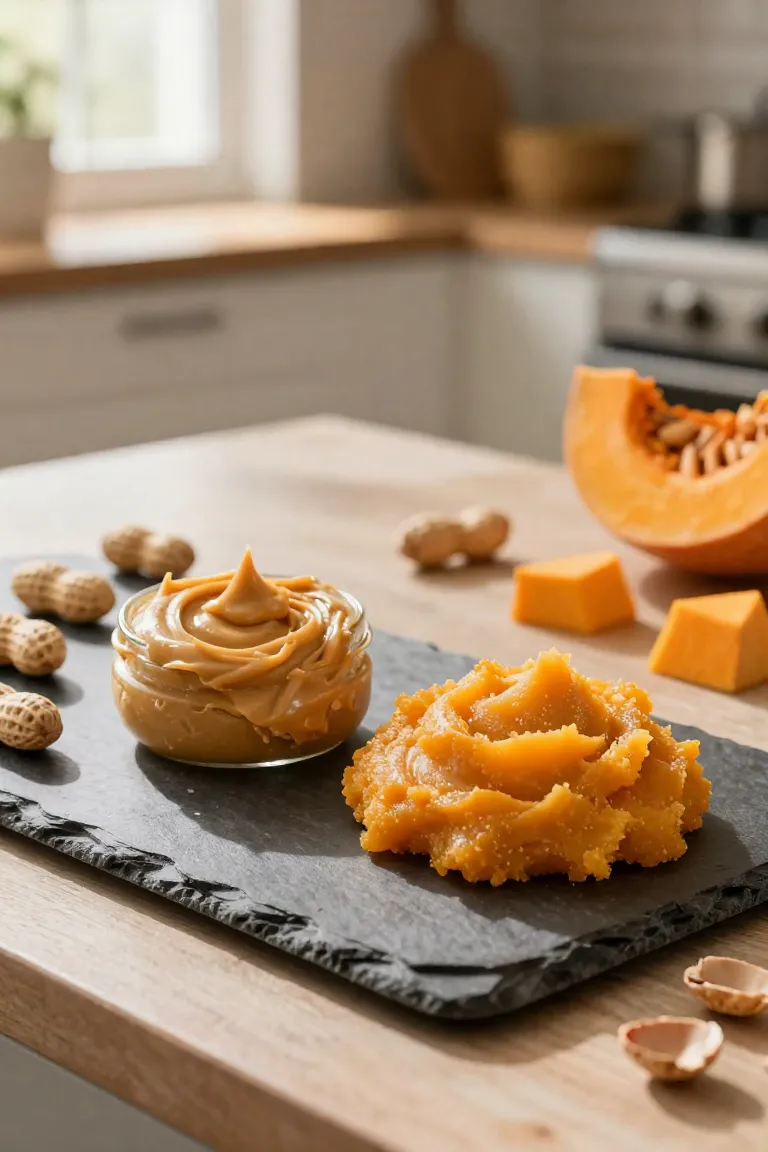
Kitchen staples like smooth peanut butter and plain pumpkin puree top the list of pup favorites, yet many pet owners pay premium prices for tiny, branded pet-store jars. By looking in human grocery aisles or picking up standard canned goods rather than pet-branded alternatives, you can cut the unit cost of these rich mixers down to pennies per bake. These aromatic bases also allow you to adjust the moisture balance of stiff alternative doughs on the fly, creating a pliable mix ready for stamping into bite-sized biscuits.
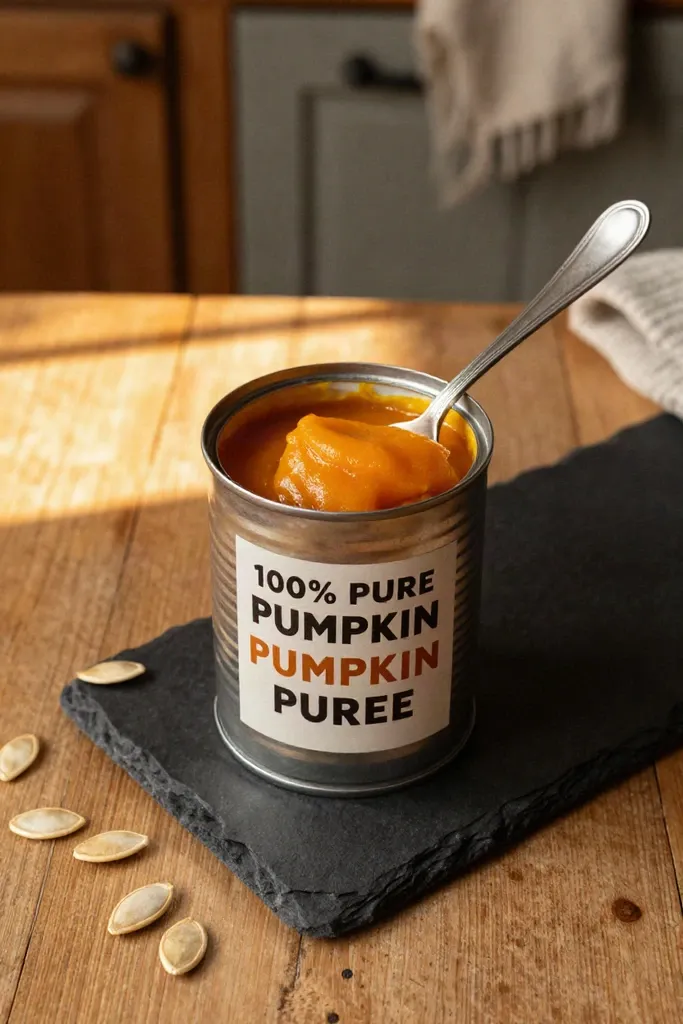
1. Bulk 100% Pure Pumpkin Puree
This orange staple adds instant moisture and natural binding power to dry alternative flours, pulling stiff grain-free dough together without greasy oils. Grabbing the larger 29-ounce cans in the grocery baking aisle substantially lowers your cost per ounce compared to buying smaller 15-ounce containers. Just check the ingredient list to ensure you purchase pure pumpkin rather than canned pie mix, which contains added sweeteners and spices like nutmeg that can harm dogs.
Leftover puree from an oversized can stores easily in the freezer so none of your savings go to waste. Spoon the remaining puree into silicone baking molds or standard ice cube trays, freeze until firm, and transfer the portions into an airtight container. Each frozen block thaws quickly on your counter whenever you want to mix up a fresh batch of crunchy biscuits.
2. Dog-Safe, Natural Peanut Butter
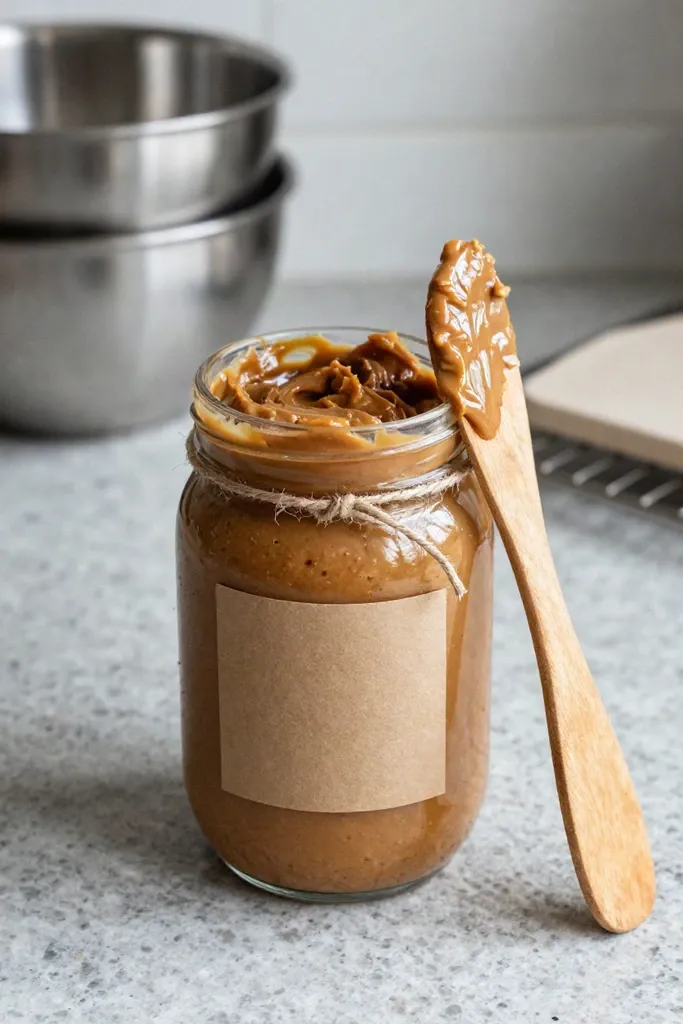
Pairing moisture-rich purees with a dense nutty spread gives your dough rich aroma and healthy fats that bind dry meal smoothly. Before tossing any jar into your cart, check the ingredient panel with eagle eyes. Many commercial spreads now swap sugar for birch bark sweeteners like xylitol, often listed as wood sugar or birch bark extract, which is toxic to canines even in minuscule quantities. Sticking strictly to jars containing only roasted peanuts (and perhaps a trace of salt) keeps your furry companion safe while cutting out hydrogenated oils that complicate baking consistency.
- Head to the bulk condiment aisle: Big-box membership clubs stock multi-pound tubs of single-ingredient peanut butter intended for food service or high-volume kitchens, dropping your cost per ounce dramatically compared to standard grocery jars.
- Store inverted before opening: Pure peanut butter naturally separates, and keeping heavy tubs upside down in your pantry allows natural oils to rise through the paste, making it much simpler to stir when bake day arrives.
- Divide and chill for baking: Cold peanut butter holds flour together firmly when rolled, so portioning half the tub into the refrigerator gives you an easy-to-handle paste that cuts cleanly with biscuit molds.
3. Flaxseed Meal for Omega-3s on a Budget
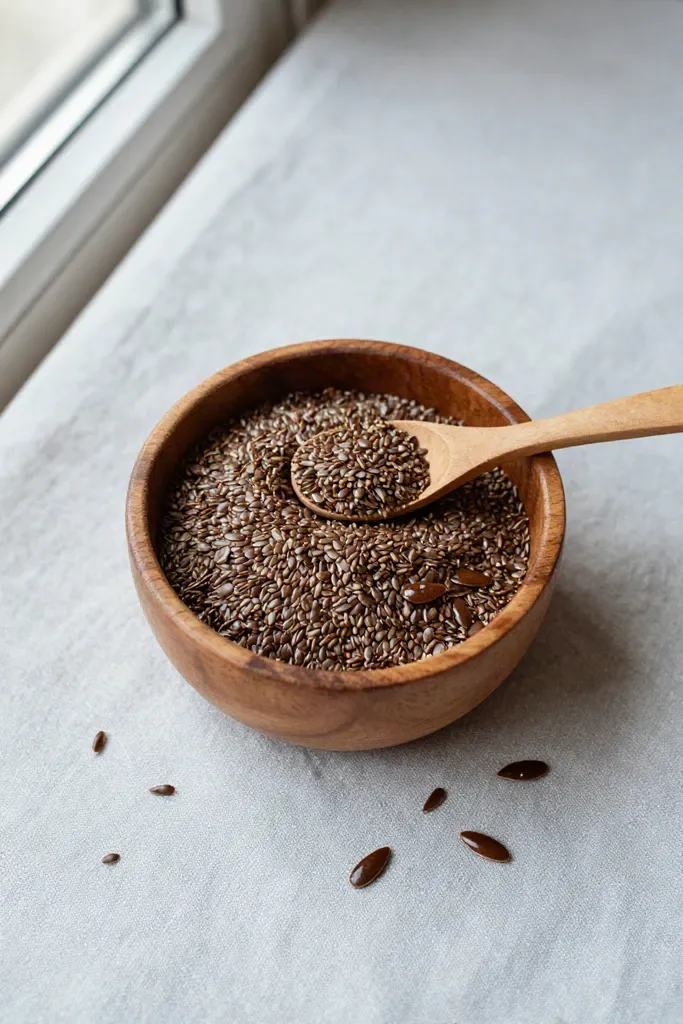
Ground golden or brown seeds give your homemade biscuits a concentrated nutritional boost without the price tag of specialty pet supplements. When you stir one tablespoon of ground flax with three tablespoons of warm water and let it rest for five minutes, the mixture thickens into a gelatinous slurry known as a flax egg. This simple mixture replaces whole eggs completely, acting as a sturdy binder that holds crumbly grain-free dough together while reducing your per-batch baking expenses.
The rich omega-3 fatty acids packed into these milled seeds nourish your dog's skin barrier and help bring out a glossy, healthy coat over time. A standard bag from the baking aisle costs only a few dollars and yields dozens of treat batches, since you only need a spoonful or two per recipe to keep the dough workable.
Smart Shopping Strategies for Dog Treat Ingredients
Once you have your core recipe components mapped out, keeping expenses down comes down to sourcing habits rather than formula tweaks. Standard grocery store markups on specialty dry goods add up quickly, but tracking unit price math before filling your cart helps you secure staple items for pennies per biscuit.
- Comparing price per ounce rather than package price to evaluate true volume savings.
- Checking international food aisles for flours and whole seeds packaged without premium health-food surcharges.
- Selecting human-grade pantry staples in standard grocery aisles to bypass pet-specific retail markups.
1. Buying in Bulk from Warehouse Clubs
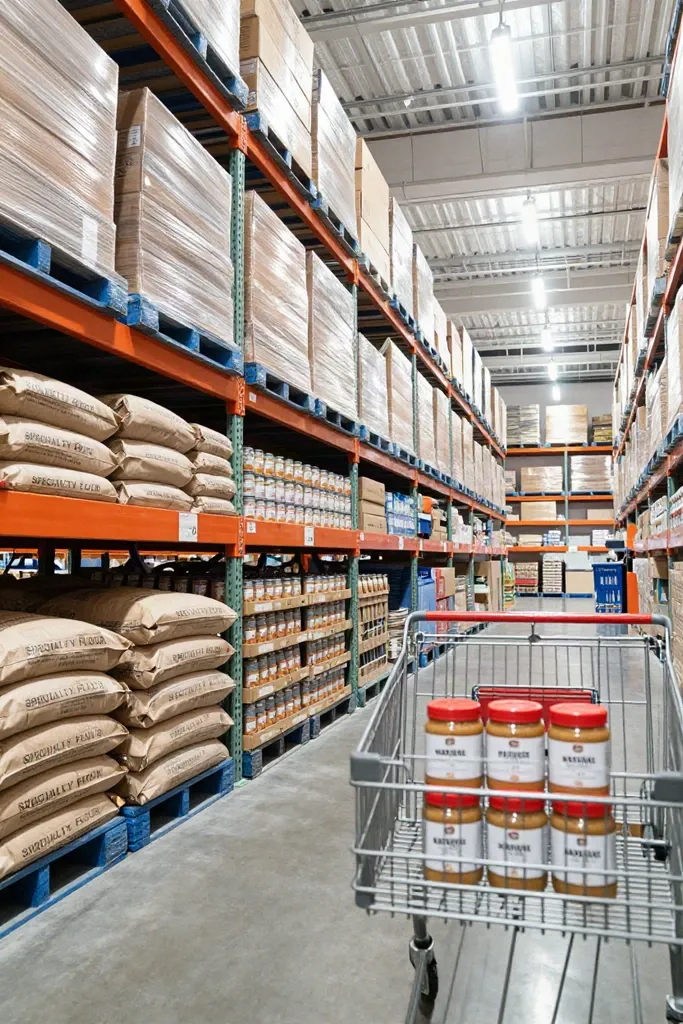
Wholesale retailers like Costco or Sam's Club drastically slash your unit costs on base ingredients because you bypass standard grocery markup. When you pick up oversized containers meant for food service or large families, you'll see the per-ounce cost drop to a fraction of standard retail prices, especially for long-lasting dry goods and baking foundations.
- The condiment aisle typically stocks two-packs of natural peanut butter made solely with peanuts and salt, giving you an economical binder free of xylitol or extra oils.
- Head to the international foods or institutional baking aisle to find multi-pound sacks of chickpea flour priced far lower than boutique grocery alternatives.
- Check the canned vegetable section for flat cases of pure pumpkin puree, which provide dozens of moisture-rich dough batches without the cost of single-can purchases.
2. Leveraging Online Pantry Retailers and Subscriptions
When local club stores carry limited specialty flours, digital health food outlets or bulk restaurant suppliers fill the gap at wholesale pricing. You can order recurring staples like coconut flour or tapioca starch through automated programs like Subscribe and Save, which routinely knock an extra five to fifteen percent off each shipment. Scheduling regular drop-offs around your typical baking rhythm locks in lower shelf rates without requiring large upfront spending, leaving only proper container prep between your delivery box and your mixing bowl.

Storing Your Ingredients to Maximize Shelf Life
Bulk bargains quickly turn into wasted money if moisture or warm air spoils your stock before bake day arrives. Protecting your supplies takes minimal effort, but keeping each item in the right environment ensures every batch of dog biscuits bakes up fresh and aromatic.
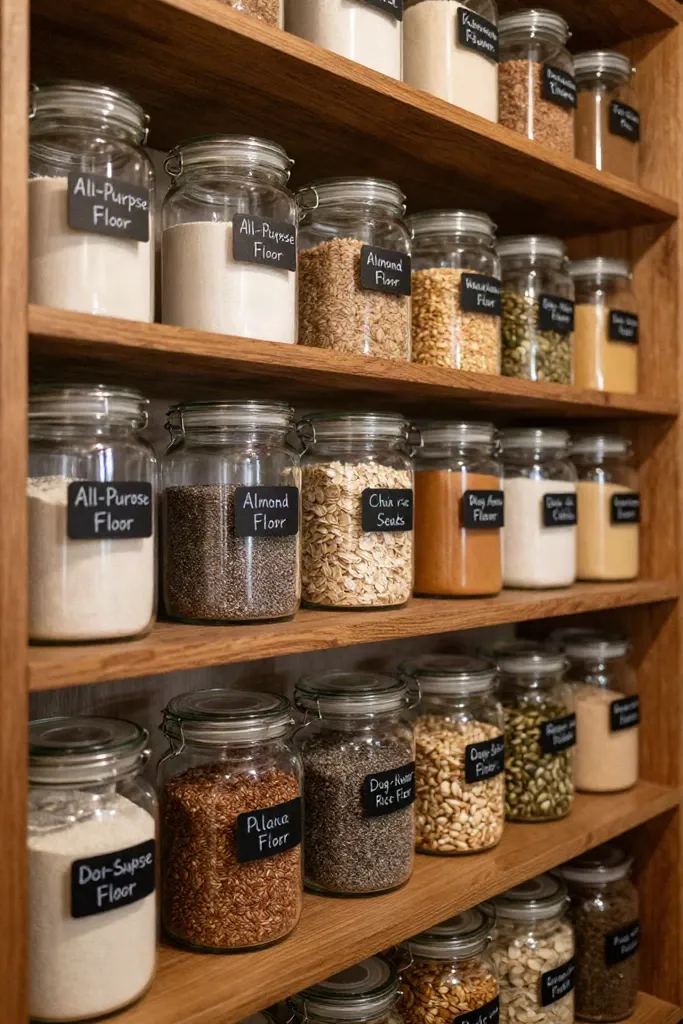
- Transfer chickpea and coconut flours into airtight glass jars or tight-sealing bins, keeping them in a dark cupboard or even the freezer to prevent sensitive plant oils from turning rancid.
- Spoon opened pumpkin puree into silicone ice cube trays, freeze solid, and then transfer the cubes into a heavy freezer bag so you can thaw single-recipe amounts whenever needed.
- Store unopened jars of natural peanut butter upside down so the separated oils redistribute naturally, then chill the jar in the refrigerator after stirring to maintain an even texture.
Frequently Asked Questions About Grain-Free Dog Baking
Once you have gathered your raw pantry staples and prepped your kitchen counter, working with alternative batters often brings a few surprises. Batters without wheat gluten react differently under oven heat, tending to absorb liquid rapidly or crumble if moisture levels swing even slightly off balance. You might notice that dough feels stickier on your rolling pin, or that trays take longer to crisp up into firm biscuits. These quirks can feel confusing when you first swap store-bought boxes for home-prepped snacks, but simple adjustments keep your batches consistent and tasty for your pup.
In most home kitchens, managing dough hydration and parchment lining solves the majority of beginner snags. Alternative bases lack traditional elasticity, so letting your mixed dough rest for several minutes helps moisture settle and keeps edges from fraying during rolling. A few practical troubleshooting habits help you navigate ingredient quirks before your trays ever enter the oven.
Can I substitute regular flour with grain-free flour 1:1?
Swapping traditional wheat flour for an alternative option at an even ratio rarely works in home-baked dog treats. Alternative flours lack gluten and absorb moisture at drastically different rates, which usually leaves you with a dry, crumbly dough that refuses to hold together on your baking sheet. Coconut flour, for example, draws in liquid rapidly, while dense chickpea or seed meals produce a heavy texture if you do not recalibrate the surrounding recipe fluids.
In most treat batches, balancing the mixture requires adding extra broth or beaten eggs to compensate for the higher thirst of the flour. Extra moisture and binding agents restore the elasticity that gluten normally provides, preventing your biscuit shapes from cracking during rolling. If your cutouts crumble before they reach the oven, working in an extra splash of liquid or a small spoon of puree quickly restores the pliable dough you need.
How long do homemade grain-free dog treats last?
Fresh batches come out of your oven without any artificial preservatives or chemical stabilizers, which makes moisture management your main priority. A sealed glass jar on the counter keeps completely dehydrated biscuits crisp for three to four days, but moisture-heavy recipes spoil quickly at room temperature. Transferring your freshly baked batch into an airtight container in the refrigerator preserves their freshness and texture for up to a full week.
For larger batches baked in advance, your freezer provides the safest long-term storage option. Lay the cooled biscuits on a flat baking sheet to freeze individually before transferring them into a heavy-duty freezer bag, where they will keep well for up to three months. You can pull a single treat out whenever needed, letting it thaw at room temperature for ten minutes before serving.
Conclusion: Bake Healthy, Save Money
A wholesome treat jar doesn't require overhauling your entire pantry in one afternoon. Starting small lets you figure out what your dog loves without wasting ingredients or overspending. Pick up a single bulk staple, like chickpea flour or a multi-pack of pure pumpkin puree, and test one simple baking sheet batch. You'll quickly see how simple it is to turn basic, affordable pantry items into crisp biscuits that keep tails wagging.
Consistent homemade batches put clean nutrition first while trimming noticeable costs from your monthly pet budget. A small supply in your pantry and a backup batch in the freezer ensure you always have dependable rewards ready for daily walks or training sessions. Pin your favorite grain-free biscuit recipe so you can pull up the ingredient ratios whenever your treat jar runs low.