Summary
- The Challenge Of Baking Tender Grain-Free Dog Treats
- Hydration Architecture And Grain-Free Dough Formulation
- Baking Mechanics And Chewy Crumb Stabilization
- Ingredient Ratio, Oven Temperature, And Yield Specifications
- Crumb Staling, Moisture Traps, And Texture Preservation Pitfalls
- Strategic Batch Planning For Consistent Soft Pet Nutrition
The Challenge Of Baking Tender Grain-Free Dog Treats
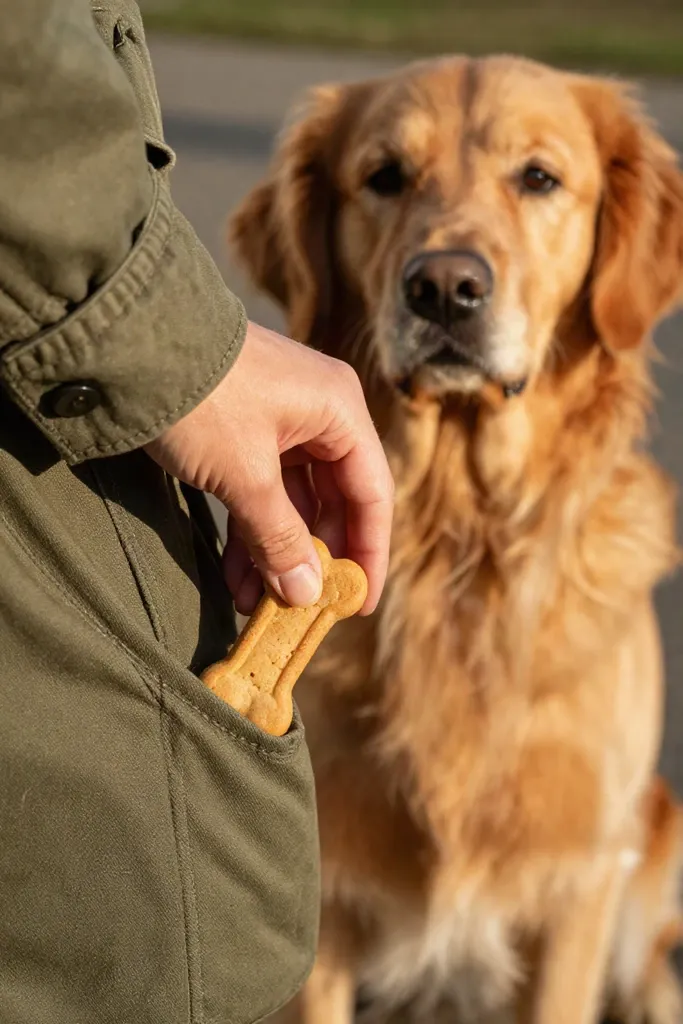
Most commercial biscuits prioritize indefinite shelf life over canine comfort, leaving dogs with rock-hard rewards that can fracture worn teeth. Baking grain-free dog treats at home changes that equation completely. By pairing a rich peanut butter dough with fresh blueberries, you bypass common filler allergens while creating genuinely soft, chewy rewards that stay tender without artificial humectants.
Hydration Architecture And Grain-Free Dough Formulation
Getting moisture levels right determines whether your grain-free dough turns brittle or stays pleasantly pliable. Alternative flours lack gluten networks to trap steam, so successful baking relies directly on fruit liquids and nut fats for structural elasticity.
Balanced ingredient ratios protect the mixture from drying out in the oven. A direct blend of rich peanut butter and fruit puree seals moisture inside the crumb, ensuring each piece stays tender rather than hardening on the cooling rack.
1. Pure Peanut Butter And Unsweetened Puree Base Emulsion
Whisking together a clean fat-and-fruit foundation is the essential first step for tender biscuits. To prepare the base safely, measure out your ingredients with care:
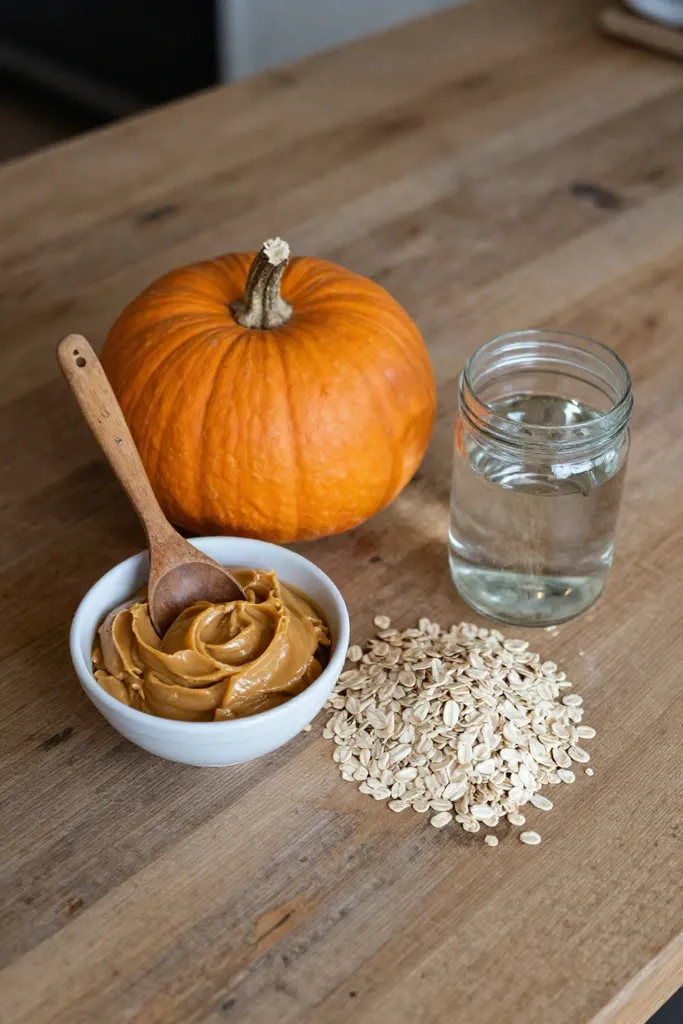
- Combine 0.5 cup (125 grams) of single-ingredient unsweetened peanut butter with 0.25 cup of unsweetened applesauce.
- Confirm you are using xylitol-free ingredients with zero added palm oil to protect sensitive canine digestion.
- Stir until glossy and thoroughly blended, which locks in moisture and prevents a chalky crumb.

2. High-Absorption Coconut Flour And Tapioca Starch Ratio
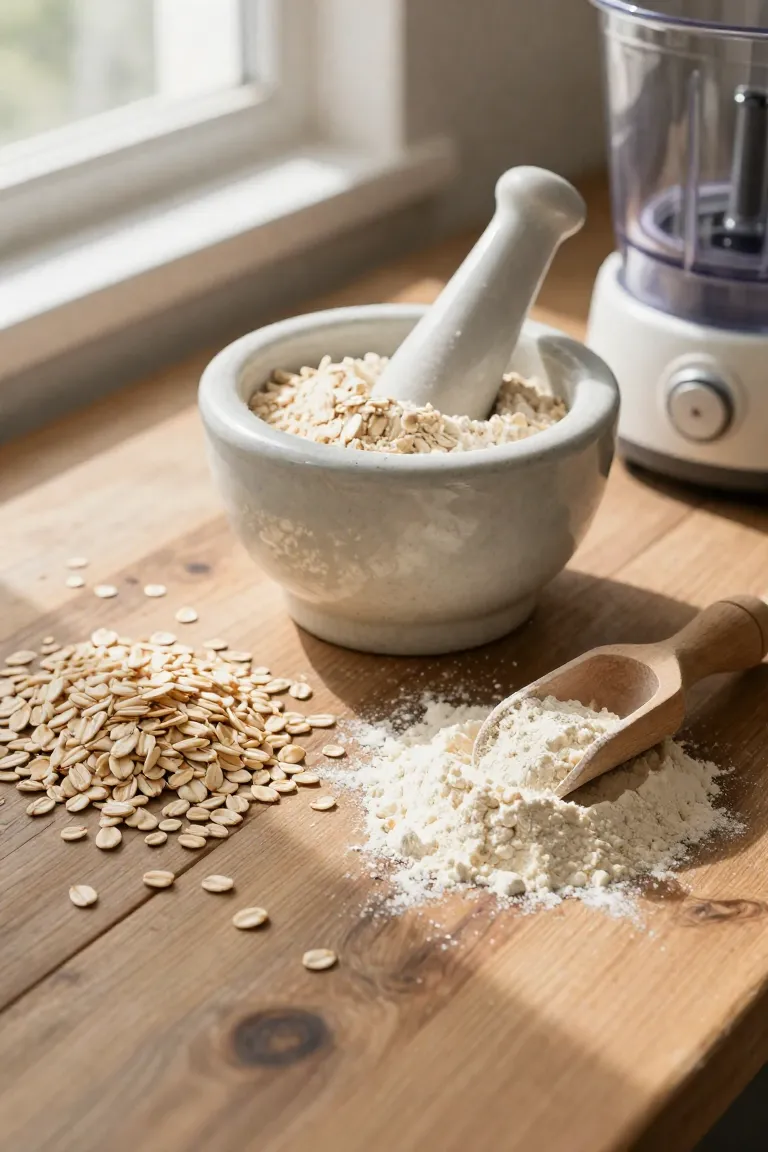
Once your wet emulsion is ready, balance the hydration by sifting three-quarters of a cup (85 grams) of fine coconut flour alongside a quarter cup (30 grams) of smooth tapioca starch into the bowl. Choosing the right grain-free flours requires careful balance because coconut flour behaves like an active sponge, pulling moisture rapidly from wet binders. If you exceed that three-quarter cup mark, your mixture will dry out quickly and develop brittle cracks as you shape it on the counter.
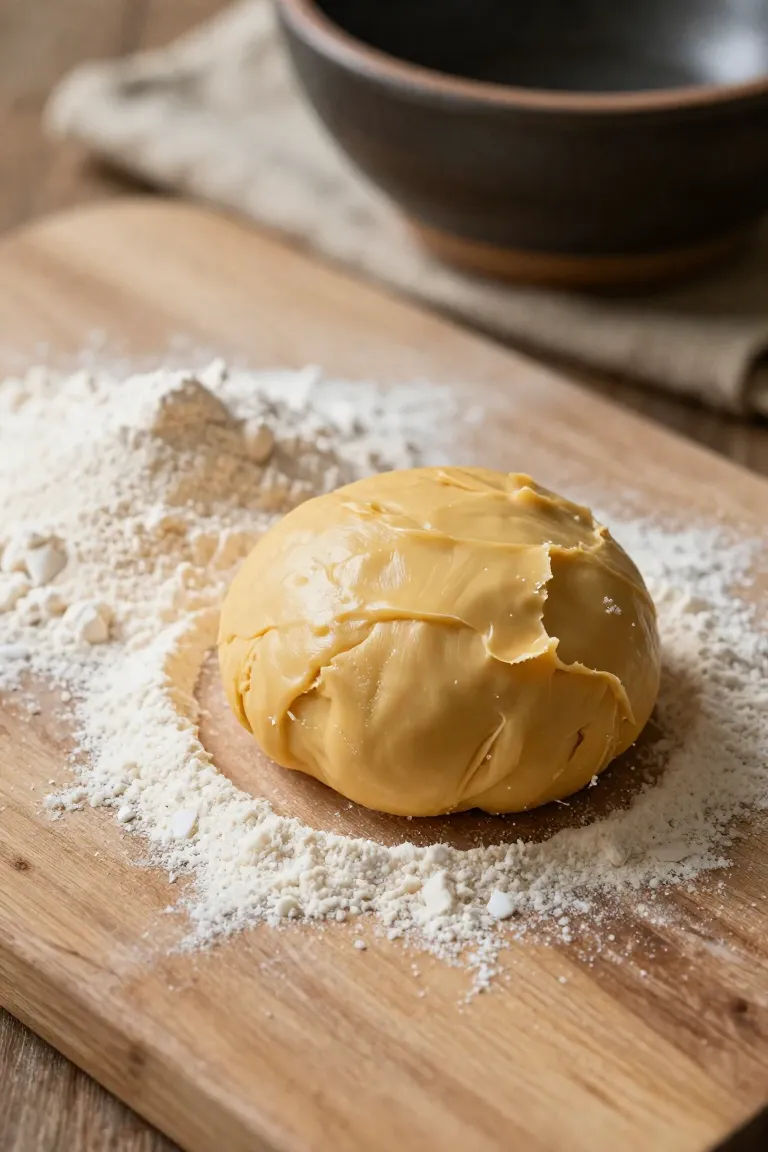
Tapioca starch provides the essential elasticity that wheat gluten normally supplies. This ratio gives your dough structural integrity without turning the interior into a gummy slab, yielding a tender, pliable texture that holds together cleanly during baking. When you mix both flours thoroughly, the resulting ball should feel soft and slightly springy under your fingers.
3. Gentle Wild Blueberry Folding And Moisture Dispersion
With the dough formed into a soft, cohesive round, add half a cup (75 grams) of whole wild blueberries using a wide silicone spatula. Work slowly and deliberately, sweeping the spatula along the bottom of the bowl and turning the mixture over itself until the berries sit evenly distributed throughout the golden dough.
Stylist Rule: Never use electric beaters or heavy-handed kneading here, because tearing the tender skins floods the bowl with juice and leaves you with sticky, unworkable paste.
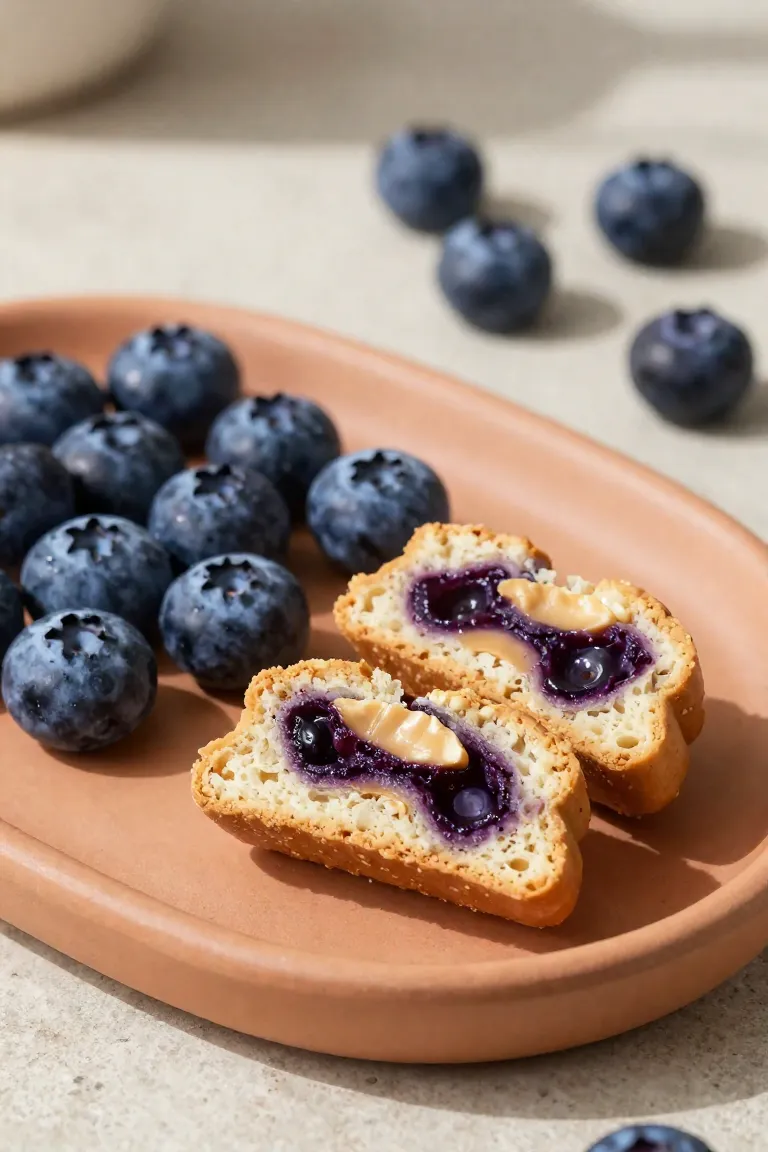
Intact berry skins let the fruit bake into isolated burst pockets of subtle sweetness throughout the biscuits. The dark berries deliver vibrant purple flecks against the warm peanut base, creating colorful treats that maintain a gentle chew in every bite.
4. Hydrated Flaxseed Slurry And Raw Honey Elasticity Binder
To lock in lasting softness without relying on commercial stabilizers, whisk two tablespoons of finely milled flaxseed meal into six tablespoons of warm water in a small ramekin. Let this rest undisturbed for about five minutes until the liquid thickens into an amber gel before blending it into your dough along with a single tablespoon of raw honey. This smooth flax mixture acts as a reliable natural binder, holding the crumb together and preventing brittle edges whenever your dog takes a bite.
Raw honey functions as an unrefined humectant that retains internal moisture during storage without refined sugars. Folding this flax slurry into your bowl helps the treats maintain their signature bend and tender bite after cooling on the rack.

Baking Mechanics And Chewy Crumb Stabilization
Tender grain-free baking relies on managing internal moisture rather than cooking out every drop of water. Unlike traditional flour doughs that form gluten networks to retain shape, starch-and-fruit mixtures risk turning brittle or chalky when heat hits the tray too fast.
By regulating heat transfer while your trays bake, you preserve the natural chew your dog loves:
- A moderate oven temperature prevents rapid surface crusting, allowing steam to escape gradually.
- Careful monitoring ensures the biscuits set without drying into hard, jagged shards.
- Baking at a steady, gentle heat keeps the crumb flexible and easy for sensitive mouths to chew.
5. Calibrated Low-Temperature Convection At 325 Degrees F
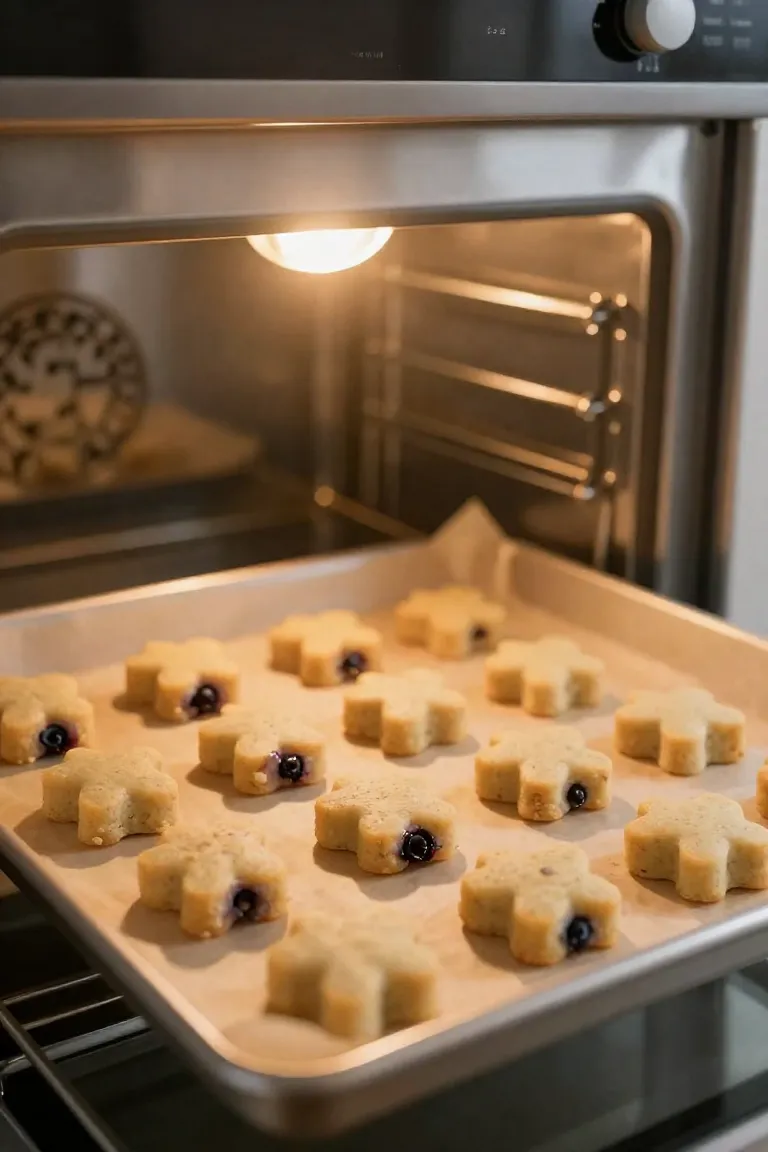
Slide your baking sheet onto the center wire rack and maintain an oven heat of 325 degrees F (163 degrees C). Pushing your oven above 350 degrees F rapidly caramelizes the natural sugars in peanut butter and honey, leaving scorched bottoms alongside an unbaked, pasty core.
Stylist Rule: Keep the heat low to preserve a pliable, tender crumb.
This gentle temperature range sets the emulsion without turning the biscuits rock-hard as they cool. Keep your baking time between 12 and 14 minutes, which produces soft biscuits that senior dogs and young pups can easily break apart.
6. Uniform Quarter-Inch Dough Sheet Gauge Rolling
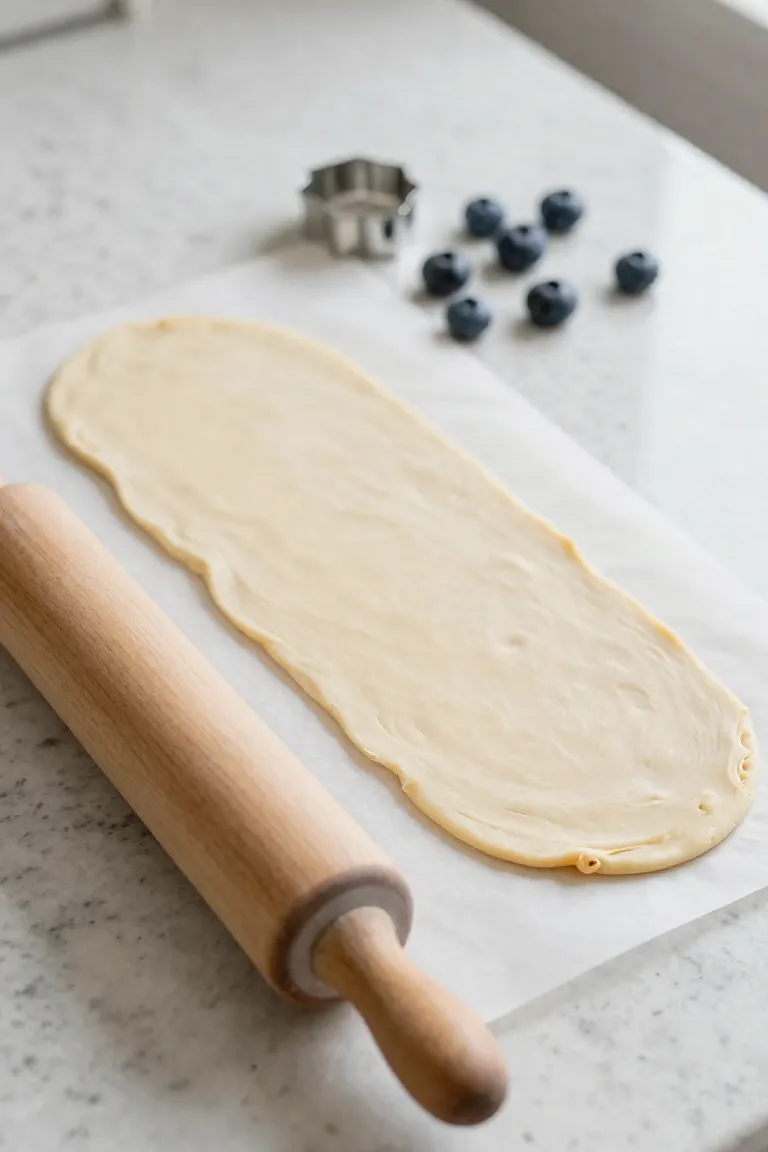
Sandwich your mixed dough between two sheets of parchment paper before grabbing your rolling pin. Working directly on an uncovered counter leads to torn fruit bits and sticky patches, while rolling dough between parchment gives you a smooth surface without extra dusting starch.
Aim for an even thickness of roughly a quarter inch across the whole slab. Consistent depth guarantees balanced heat transfer from edge to center, keeping your cutouts soft throughout without singed corners.
7. Controlled Steam-Venting Indentation And Perimeter Shaping
Once your rolled slab rests evenly on the counter, cut shapes using a compact two-inch cutter dusted lightly in tapioca starch. This dry barrier stops tacky coconut dough from dragging along the metal rim, so every perimeter releases cleanly onto the parchment without tearing or distorting the edges. The cutouts hold their form best when you space cuts close together, reducing the need to re-roll dough containing delicate fruit pockets.
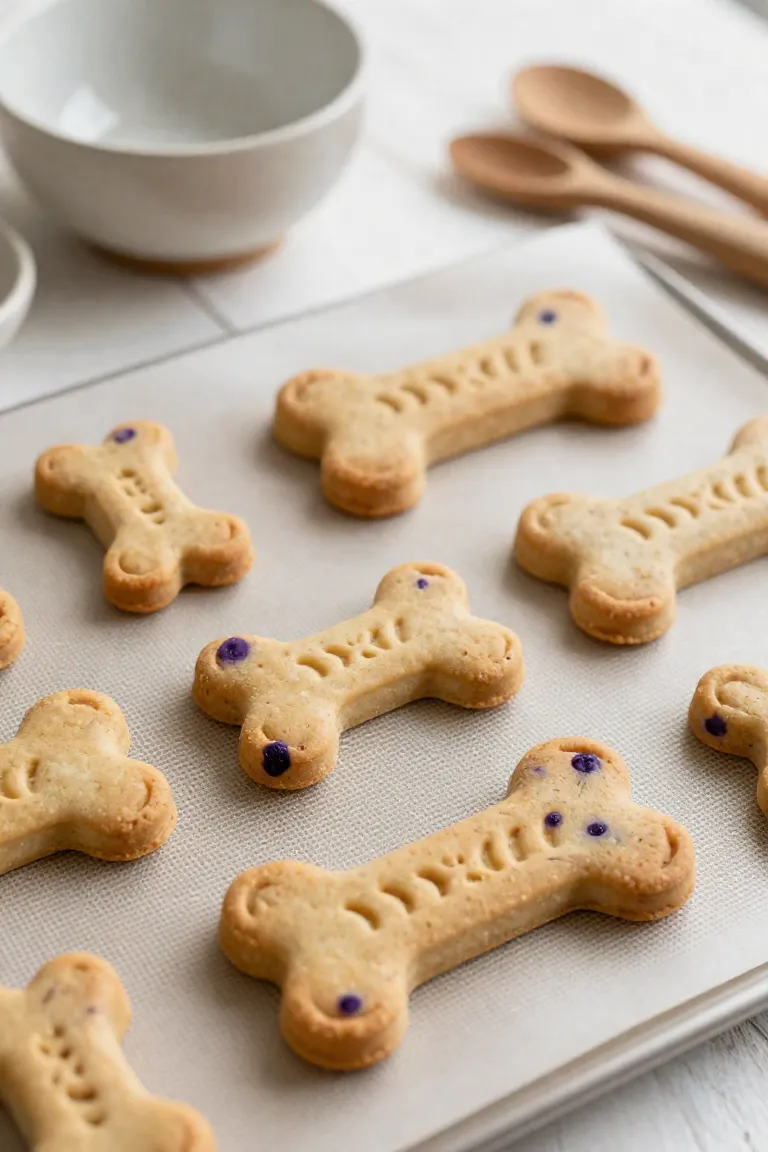
A pair of shallow fork tine impressions pressed right into the center provides vital relief channels for hot steam. If you skip this detail, moisture from warm fruit expands rapidly inside the dense dough, puffing the interior into fragile cavities that crumble rather than bend. Pricking the dough allows steam to escape smoothly, helping your biscuits settle into pliable, chewy morsels that stay soft long after cooling.
8. Pan-Residual Resting And Moisture-Locking Glass Enclosure
Pull the tray from the heat and let your biscuits rest untouched on the warm sheet for ten minutes. This pause allows residual pan warmth to finish setting the coconut flour base without parching the interior crumb. Moving warm cutouts too quickly causes structural cracks, making patient cooling on a flat wire rack essential for texture stability.
- Rest cutouts on the baking pan for ten minutes so the warm undersides firm up evenly.
- Shift pieces onto an open wire rack for twenty minutes of ambient ventilation.
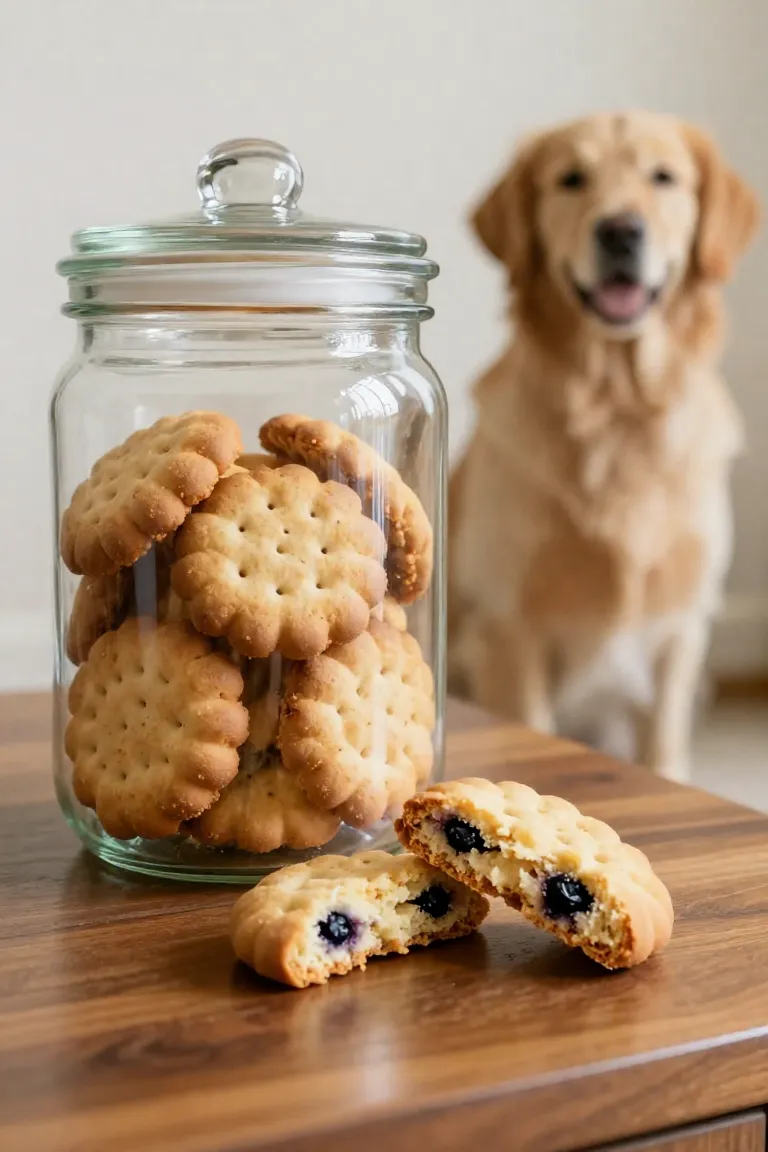
- Seal the cooled batch inside an airtight jar kept in a dry pantry.
Moisture traps remain the chief hazard when storing soft dog treats. Trapping steam inside a closed container encourages mold growth within forty-eight hours. A thoroughly cooled batch seals in chewiness while protecting freshness across five days of daily feeding.
Ingredient Ratio, Oven Temperature, And Yield Specifications
Accurate kitchen measurements ensure consistent chewiness while preventing dough from turning brittle. High-fiber coconut flour absorbs liquid quickly, which means tiny shifts in your liquid base alter dough elasticity. Following tested recipe ratios keeps your dry and wet ingredients balanced, trapping enough moisture to yield tender snacks without creating excess sogginess.
| Batch Metric | Formulation Target |
|---|---|
| Dry & Wet Base | 125g peanut butter, 85g coconut flour, 30g tapioca starch |
| Fresh Fruit | 75g wild blueberries |
| Oven Parameters | 325°F for 14 minutes |
| Target Output | 24 two-inch treats (>18% internal moisture) |
A steady heat of 325 degrees Fahrenheit for fourteen minutes stabilizes the crumb while holding internal moisture above eighteen percent. This reliable bake profile protects your batch yield of twenty-four biscuits, ensuring each piece bends easily without crumbling. Sticking to these tested targets delivers a batch that retains soft chewiness across five full days of room-temperature storage.
Crumb Staling, Moisture Traps, And Texture Preservation Pitfalls
Tender grain-free biscuits lose their chewiness quickly when exposed to cold temperatures. Chilling them in the refrigerator accelerates starch retrogradation, recrystallizing tapioca and turning soft morsels rock-hard in less than a day. Flour substitutions also compromise structural stability; replacing coconut flour one-to-one with almond flour creates a weak dough that shatters into dry powder because almond meal lacks high-absorption fibers.
- Keep daily portions in an airtight container at room temperature, away from direct sunlight.
- Freeze extra treats between sheets of parchment paper in silicone freezer bags if storing past three days.
- Thaw frozen biscuits on the counter for twenty minutes, restoring their soft, chewy bite without trapped surface moisture.
Strategic Batch Planning For Consistent Soft Pet Nutrition
Baking in bi-weekly rotations keeps your pantry stocked with wholesome rewards without risking mold or staling. When you prepare smaller pans at low heat, each peanut butter treat retains its moisture and berry antioxidants. This steady kitchen schedule protects sensitive canine stomachs from synthetic preservatives while giving you complete control over fats and starches.
A simple home-baking routine turns basic pantry staples into fresh snacks that support daily training. By pairing balanced flour ratios with gentle oven temperatures, you get tender treats that break cleanly between your fingers during afternoon walks. Save this recipe to your dog treat board on Pinterest so you always have the exact proportions on hand for your next weekend batch.