Summary
- Introduction to Soothing Canine Digestion
- Why Sweet Potato and Oats for Sensitive Stomachs?
- Essential Ingredients for Tummy-Friendly Dog Cookies
- Step-by-Step Sweet Potato Oat Dog Cookie Tutorial
- Proper Storage Tips to Maintain Freshness
- Frequently Asked Questions (FAQ)
- Conclusion: Happy Baking and Happier Tummies
Introduction to Soothing Canine Digestion
Watching your dog turn away from their bowl or endure recurring stomach rumblings leaves you feeling drained and anxious. Many store-bought treats contain artificial stabilizers, heavy fillers, and processed fats that irritate delicate intestinal linings, turning everyday reward moments into unpredictable digestive flare-ups.
A batch of gentle homemade cookies built on whole sweet potatoes and simple oats gives your companion reliable nourishment without triggering loose stools or nausea. Preparing these snacks in your kitchen lets you monitor every single component, keeping each bite clean and safe for tender stomachs.
Why Sweet Potato and Oats for Sensitive Stomachs?
Finding simple pantry foods that settle an upset bowel often comes down to choosing ingredients with complementary digestive functions. When a dog struggles with soft stools or occasional nausea, rich meats and heavy starches place unnecessary strain on an already inflamed gut lining. Pairing a mild, fiber-rich root vegetable with a soothing whole grain creates a gentle dual-action cushion that stabilizes gut motility while delivering easily absorbed nourishment. You give your pup a comforting treat that calms the digestive tract rather than forcing the intestines to work overtime.
Through this nutritional teamwork, soluble fibers work together to absorb excess fluid and steady gastric transit so the bowel can rest. Both items carry naturally hypoallergenic qualities that bypass common canine dietary triggers like wheat gluten and dairy additives. Because neither food causes rapid glucose spikes or irritates delicate intestinal walls, your dog receives steady energy alongside immediate physical comfort during digestive flare-ups.
The Digestive Benefits of Sweet Potatoes
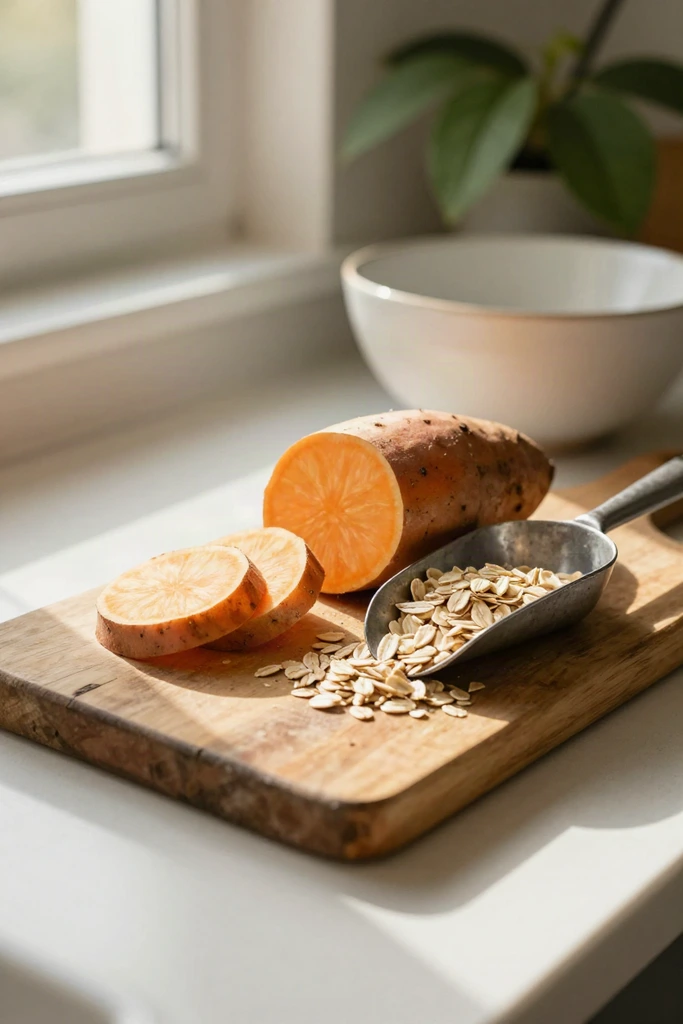
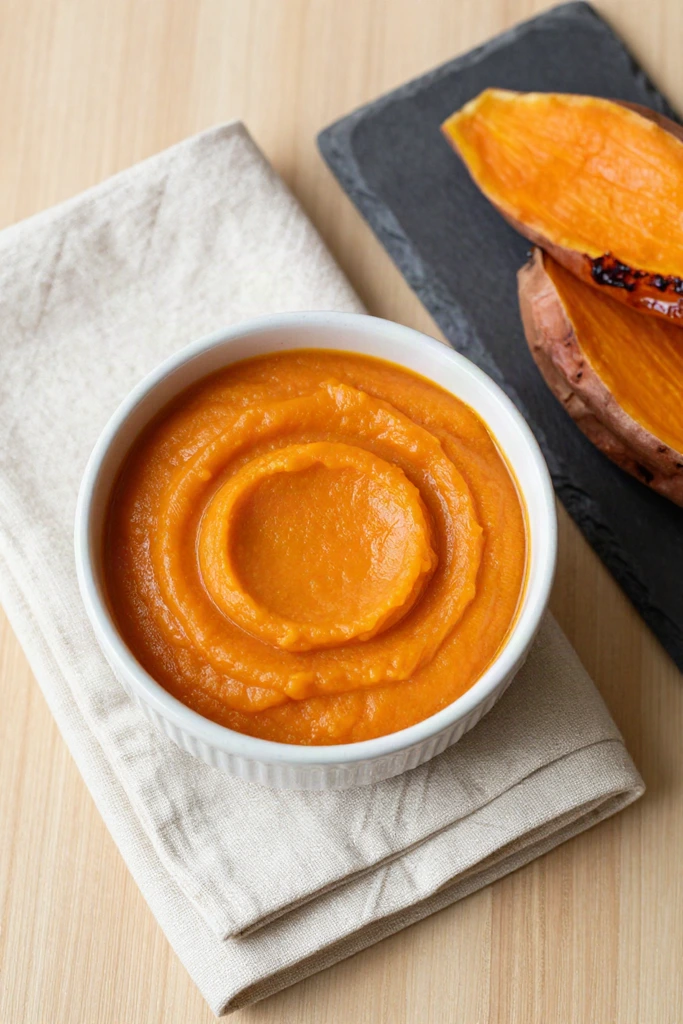
This humble root vegetable provides an abundance of soluble and insoluble fiber that actively stabilizes your dog's gut motility. The soluble fibers absorb excess fluid during bouts of loose stools, while the insoluble fibers add gentle bulk to ease constipation and encourage steady passing through the colon. In pureed form, the velvety flesh coats the stomach lining, creating a protective cushion that rests an irritated gastrointestinal tract without demanding heavy digestive work.
Generous stores of vitamin A and C deliver direct support for cellular tissue repair across damaged intestinal walls. Vitamin A helps maintain the protective mucosal layer that guards against unwanted pathogens, while natural vitamin C counters localized oxidative stress around inflamed tissue. Feeding this gentle root gives your dog clean nourishment that calms sensitive bowels while preparing their system for the wholesome grains that follow.
How Oats Soothe the Canine Digestive Tract
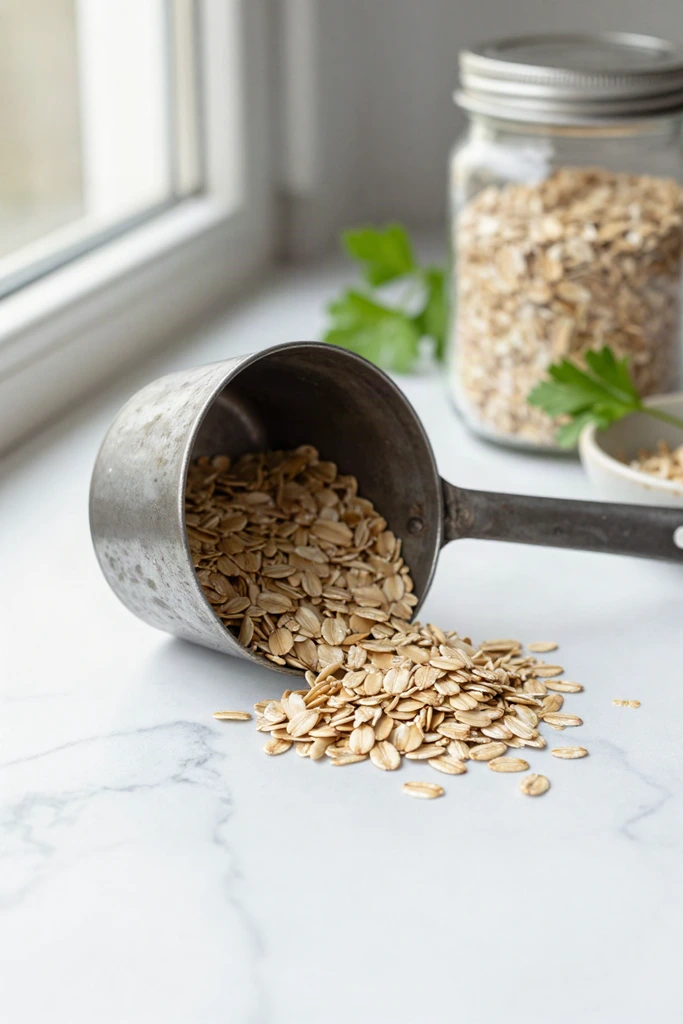
When paired with comforting roots, whole oats act as a reliable stomach buffer for dogs prone to digestive upsets. Rich in beta-glucan, this soluble fiber draws in excess water through the intestinal canal, transforming liquid waste into formed, firm stool without sudden irritation. Because this whole grain breaks down slowly and smoothly, your dog absorbs clean carbohydrate energy while avoiding the heavy fermentation that often triggers painful gas or bloating.
- Soluble fibers create a protective gel layer that shields the intestinal lining from harsh stomach acids during digestion.
- Natural starches absorb extra moisture in the lower bowel, which helps steady loose stool during unexpected stomach flare-ups.
- Low-fermentation carbohydrates break down smoothly to prevent uncomfortable pressure or intestinal gas buildup in sensitive systems.
Essential Ingredients for Tummy-Friendly Dog Cookies
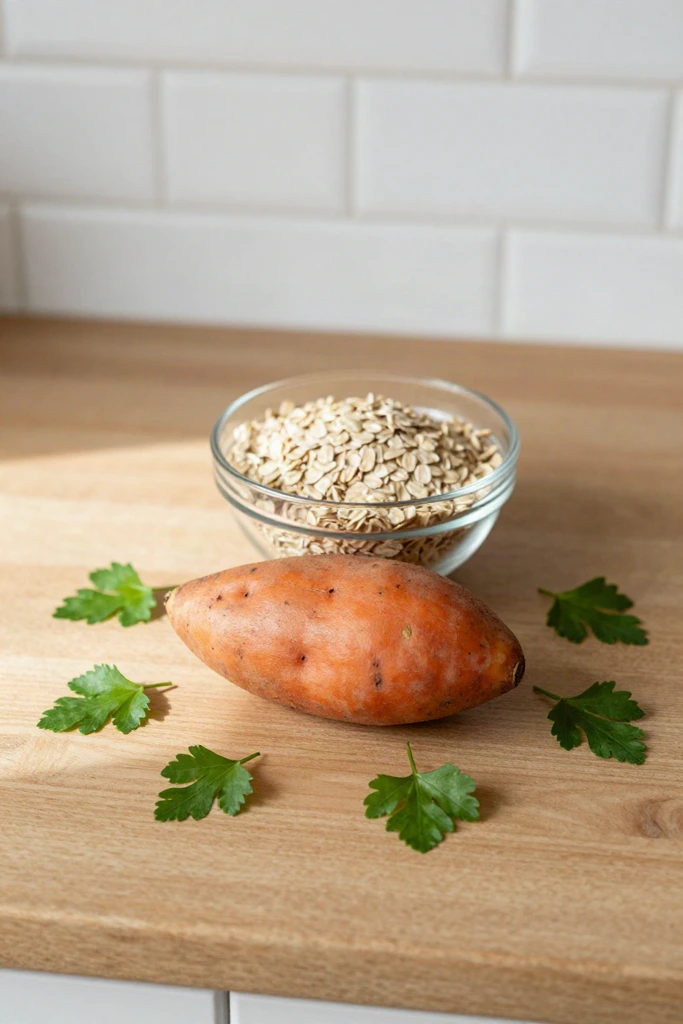
Keeping your dog's sensitive digestive tract balanced starts with a refreshingly short shopping list focused strictly on whole foods. When you head down the aisles, look for pure, single-ingredient staples where the label lists nothing beyond the raw item itself. Canned goods and packaged grains frequently hide chemical preservatives or hidden sweeteners like xylitol, all of which easily irritate an inflamed intestinal lining and trigger allergic flare-ups. You need fresh orange sweet potatoes and plain whole grain oats, along with a gentle moisture binder like unsweetened applesauce or raw pumpkin to bind the dough safely. Checking each package carefully ensures every bite stays hypoallergenic before you narrow down the exact variety of produce for your mixing bowl.
1. Choosing the Right Type of Sweet Potato
Walking through the produce aisle gives you full control over every ingredient, unlike canned purees that often contain added syrups or artificial sweeteners like xylitol. Picking whole, fresh organic tubers guarantees clean fiber without unexpected sodium or preservatives that could irritate sensitive canine digestion.
- Firm texture with taut skin free from soft dark spots or damp bruises.
- Rich copper or dark orange coloration across the entire surface without dull gray patches.
- Clean root ends without sprouts or green patches that indicate spoilage.

2. Selecting Oats: Quick vs. Rolled vs. Steel-Cut
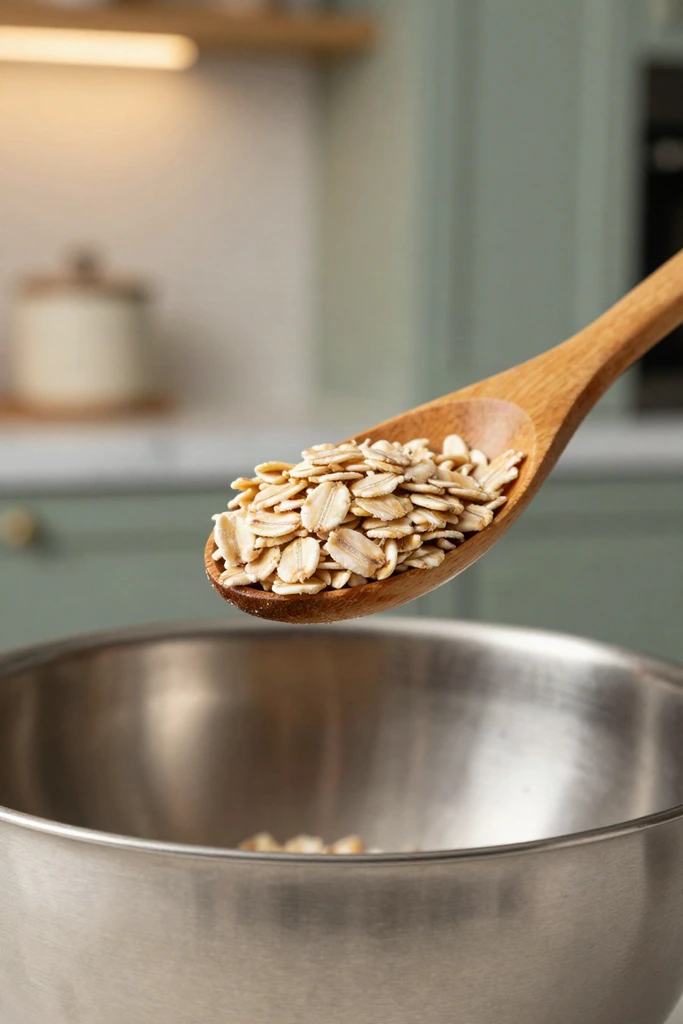
Once you have clean produce in hand, turning your attention to the dry base requires a careful look at whole-grain processing styles. Old-fashioned rolled oats remain the prime choice for homemade dog biscuits because their steamed, flattened flakes absorb moisture evenly and soften thoroughly during baking. If your dog prefers a uniform texture, pulsing these rolled flakes in a food processor turns them into a fine flour that binds wet dough without gumminess. In contrast, steel-cut groats are simply chopped raw kernels; they stay hard and gritty through the baking cycle, creating a choking hazard and irritating sensitive intestinal walls. Meanwhile, commercially packaged instant varieties frequently contain hidden preservatives or artificial sweeteners that upset sensitive stomachs. Choosing whole rolled oats or freshly ground oat flour gives you complete control over purity while keeping the cookie dough tender enough for easy chewing and gentle digestion.
3. Safe Binders and Flavor Enhancers
Holding that flour base together sometimes calls for a little extra moisture, particularly if your sweet potato puree leans on the drier side. You can introduce simple, whole-food additions that keep the texture workable without triggering digestive upset:
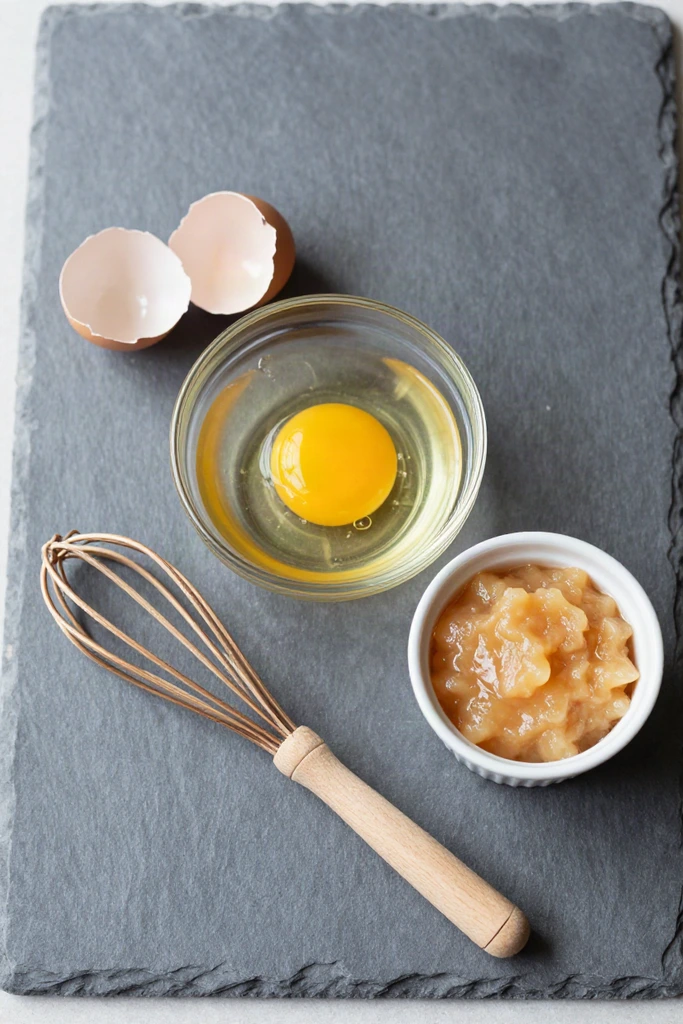
- A single whisked egg offers digestible protein and helps bind the mixture into a clean ball, though a spoonful of plain, unsweetened applesauce works just as reliably if your dog doesn't tolerate poultry products.
- Skip dairy additions such as cow's milk or shredded cheese, since many adult dogs produce very little lactase and can experience sudden gas or loose stools from dairy fats and sugars.
- Keep the bowl free of table salt and mixed baking spices; a light dusting of pure Ceylon cinnamon is fine, but spices like nutmeg contain myristicin, which is genuinely toxic to canine nervous systems.
Step-by-Step Sweet Potato Oat Dog Cookie Tutorial
With your safe ingredients ready on the counter, making a batch of wholesome dog biscuits is simple and approachable even if you rarely bake. The entire project takes roughly fifteen minutes of active hands-on effort and around thirty minutes in the oven, fitting easily into a relaxed afternoon. Because the steps are straightforward, you can focus on gentle preparation rather than complicated kitchen techniques, knowing every single bite supports your dog's sensitive stomach.
Basic tools like a standard rolling pin and a baking sheet lined with parchment paper are the primary supplies you need to get started. If you do not have festive cookie cutters, a simple butter knife or a clean pizza wheel works just as well to slice the dough into bite-sized squares suited for your dog's size. Setting these items on your counter keeps the workflow neat as you prepare the sweet potato base.
Step 1: Prepping and Cooking the Sweet Potato
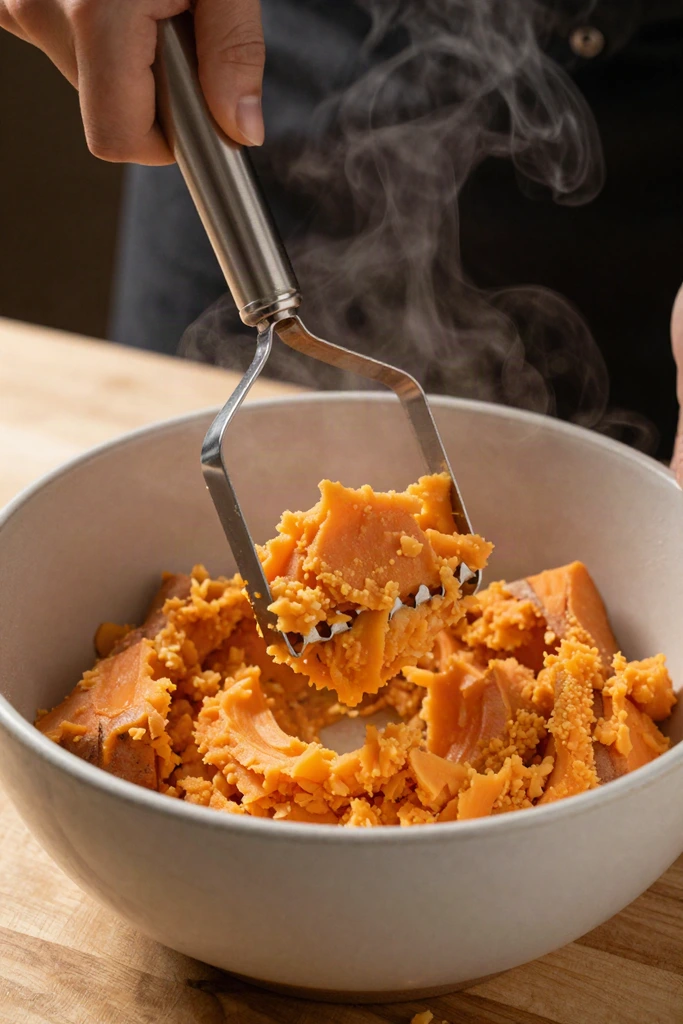
Rinse a firm tuber under cool running water to strip away residual soil, then peel away the tough skin with a swivel peeler. For quick preparation on the stovetop, cut the flesh into uniform one-inch cubes and simmer them in unsalted water for twelve to fifteen minutes until a fork slides cleanly into the center. You can also roast the vegetable whole at 400°F (200°C) after poking several steam vents across the surface, scooping out the tender interior once it cools enough to handle. Transfer the warm flesh into a wide bowl and mash it thoroughly with a hand masher or pulse it in a food processor to produce a lump-free puree without coarse fibers. Once you achieve an even consistency, allow the mash to cool down to room temperature so it incorporates smoothly when you begin assembling your dough.
Step 2: Mixing the Dough to the Perfect Consistency
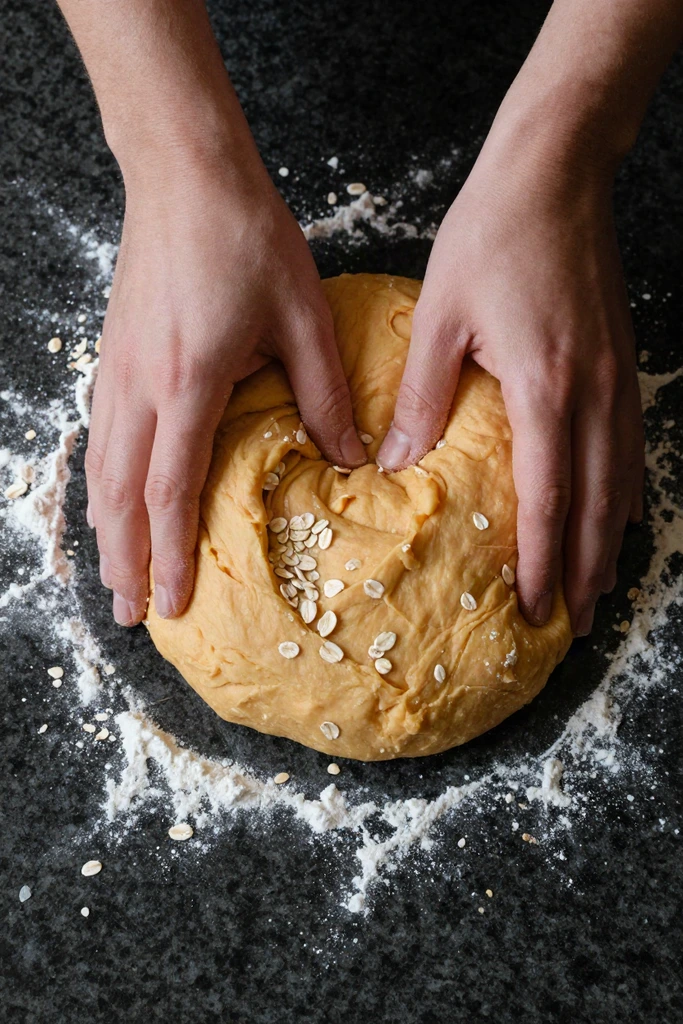
Transfer your cooled mash into a wide bowl, then fold in the measured oats alongside your binder using a sturdy silicone spatula. Work the dry flakes into the wet base with steady, circular motions so the grains absorb moisture evenly without crushing their texture. A balanced batch should come together into a pliable, uniform mass that feels lightly tacky against your fingers without leaving wet residue on your palms. When pressed with a thumb, it ought to hold its form cleanly rather than crumbling at the edges or clinging to your skin like wet paste.
In the kitchen, natural moisture levels in root vegetables vary widely, so you may need small adjustments to dial in the texture. If the mixture feels excessively wet or sticks to the sides of your bowl, scatter an extra tablespoon of oat flour over the surface and knead it in gently. If the batch appears dry or separates into crumbly clumps, drizzle in a teaspoon of warm water or unsweetened applesauce to restore suppleness. Once the texture feels smooth and pliable under your hands, you're ready to move to your flat preparation surface.
Step 3: Rolling, Cutting, and Shaping the Cookies
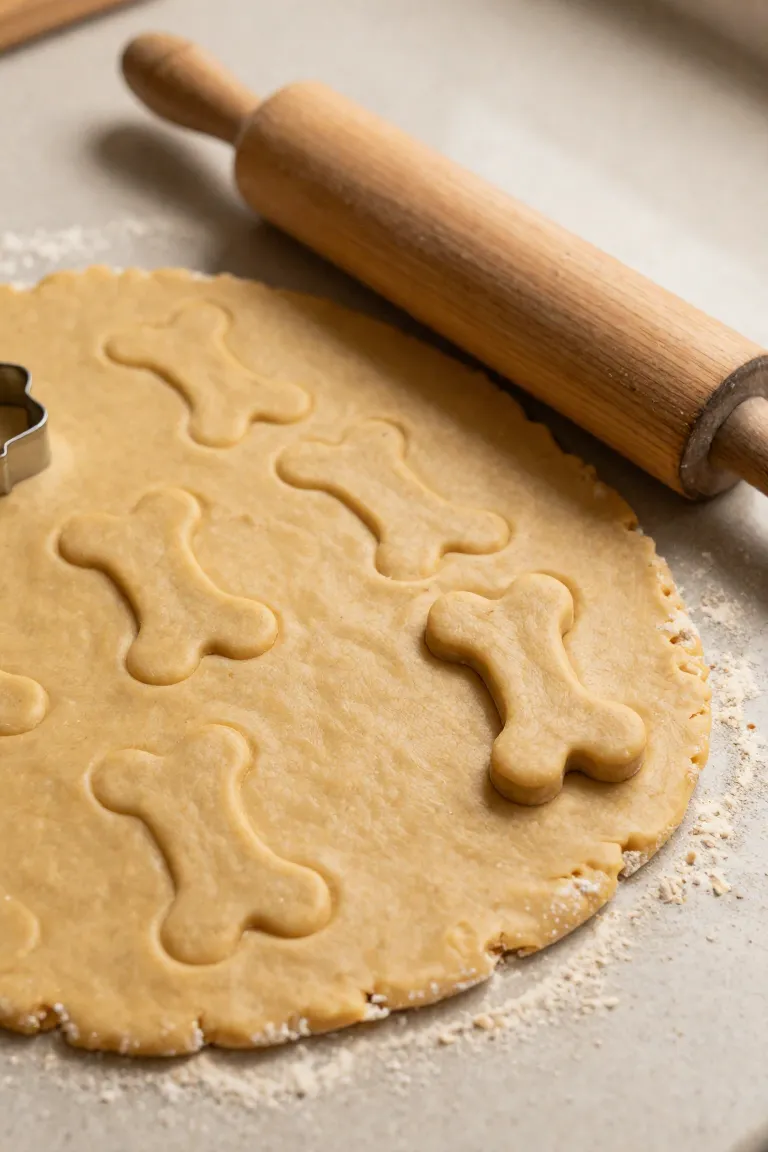
Dust a clean counter lightly with oat flour or place your dough ball between two sheets of parchment paper to prevent any sticking. Press down evenly with a rolling pin until the slab reaches an even quarter-inch thickness across the board. Pressing bone-shaped or paw-shaped cutters firmly into the dough creates charming treats for your pup while ensuring consistent heat distribution across every piece. Gather the leftover scraps into a fresh ball and stamp out the remaining shapes so nothing goes to waste before your tray heads toward the oven.
Step 4: Baking for the Ideal Crunch
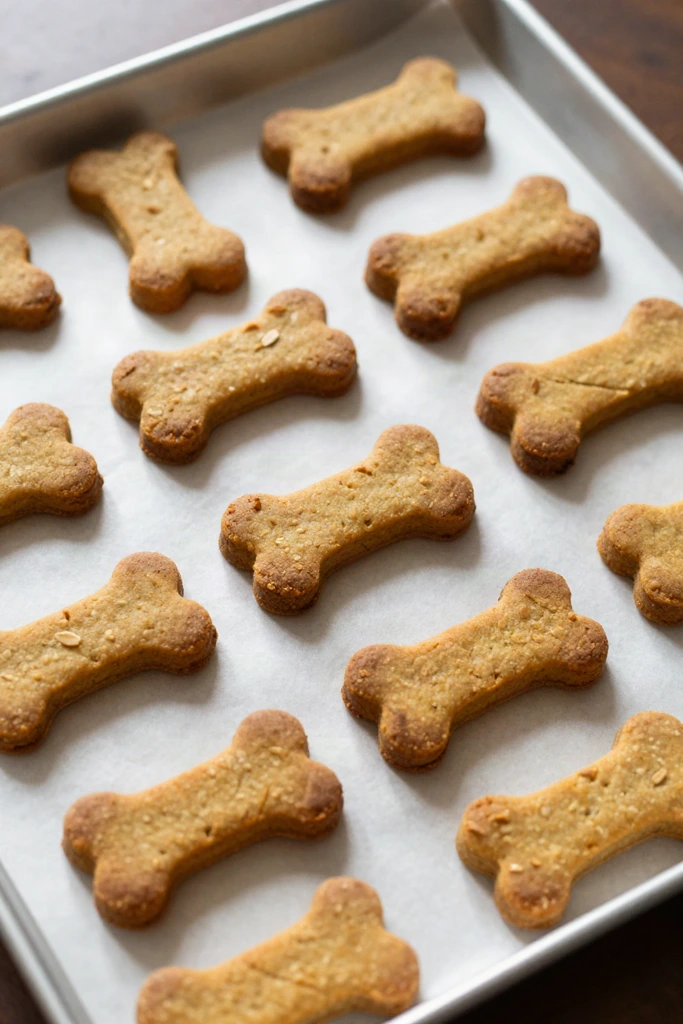
Slide the prepared tray into an oven preheated to 350°F (175°C) for roughly 25 to 30 minutes until the bottom rims take on a light golden hue. Tailoring the final texture depends entirely on your pup's age and chewing habits. If you have an older companion with worn teeth or tender gums, pull the biscuits out around the 20 to 22-minute mark so the core retains a soft, pliable consistency that breaks apart with gentle jaw pressure. For dogs that need extra mechanical friction to help scrape away surface tartar, keep the sheet in for the full half-hour, then switch off the heating elements and leave the tray inside the closed oven for an additional 20 minutes to dehydrate. This gradual drying phase creates a sturdy, satisfying snap that holds its shape, setting up the batch to rest on a wire cooling rack.
Proper Storage Tips to Maintain Freshness
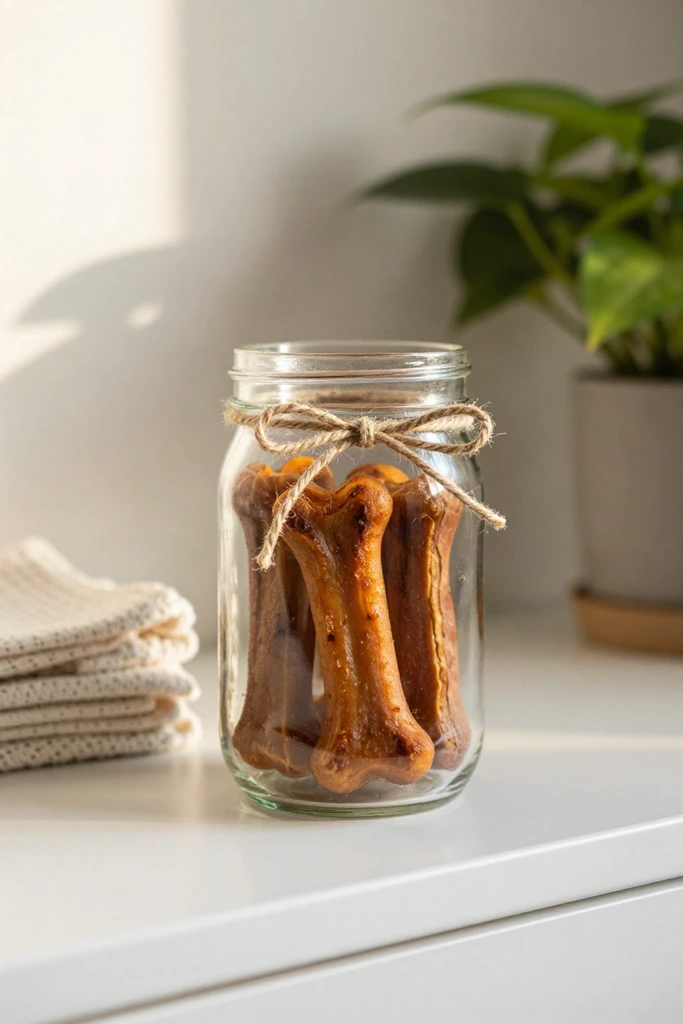
Because these treats lack chemical preservatives, any trapped moisture can spoil a batch quickly if left out on the counter. Once the pieces cool completely to room temperature, packing them properly protects that crisp bite and prevents moisture buildup inside your jar.
- Store daily servings in an airtight container inside the refrigerator, where they stay crisp for up to two weeks.
- Freeze extra batches in sealed freezer bags layered with parchment paper to keep them fresh for up to four months.
- Thaw individual pieces on the counter for ten minutes before treat time so your dog enjoys the original crunch.
Frequently Asked Questions (FAQ)
Pre-packaged instant oatmeal packets for humans should stay out of your dog's bowl, as they often contain added sugars or toxic artificial sweeteners like xylitol. Instead, plain rolled or quick oats with zero additives keep your pet's stomach safe and settled. If you run out of sweet potatoes, pure canned pumpkin puree makes an easy one-to-one swap without changing the dough's texture. Just ensure the can lists only pumpkin on the label, avoiding canned pie fillings packed with spices and sugar that can irritate sensitive canine digestive systems.
Daily treat portions should stay within ten percent of your dog's total caloric intake to maintain balanced nutrition. For a small pup under twenty pounds, one cookie a day delivers plenty of crunch without upsetting their digestion. Medium and large dogs can comfortably enjoy two to four pieces spread throughout the day as training rewards or midday snacks. When introducing these treats for the first time, offer half a cookie and monitor your companion's response over twenty-four hours to make sure the dietary fiber agrees with their belly.
Conclusion: Happy Baking and Happier Tummies
Taking charge of what goes into your dog's treat jar gives you clear visibility over every ingredient that enters their bowl. Preparing fresh batches at home cuts out mysterious fillers and artificial preservatives that often trigger gastrointestinal flare-ups in sensitive dogs. You'll quickly see the benefits in your dog's calm digestion and steady energy, making the simple routine of mashing cooked sweet potatoes and stirring rolled oats genuinely rewarding. Keep a fresh batch stored in an airtight container for daily training rewards, ensuring you always have a safe, gut-friendly snack ready for your companion.