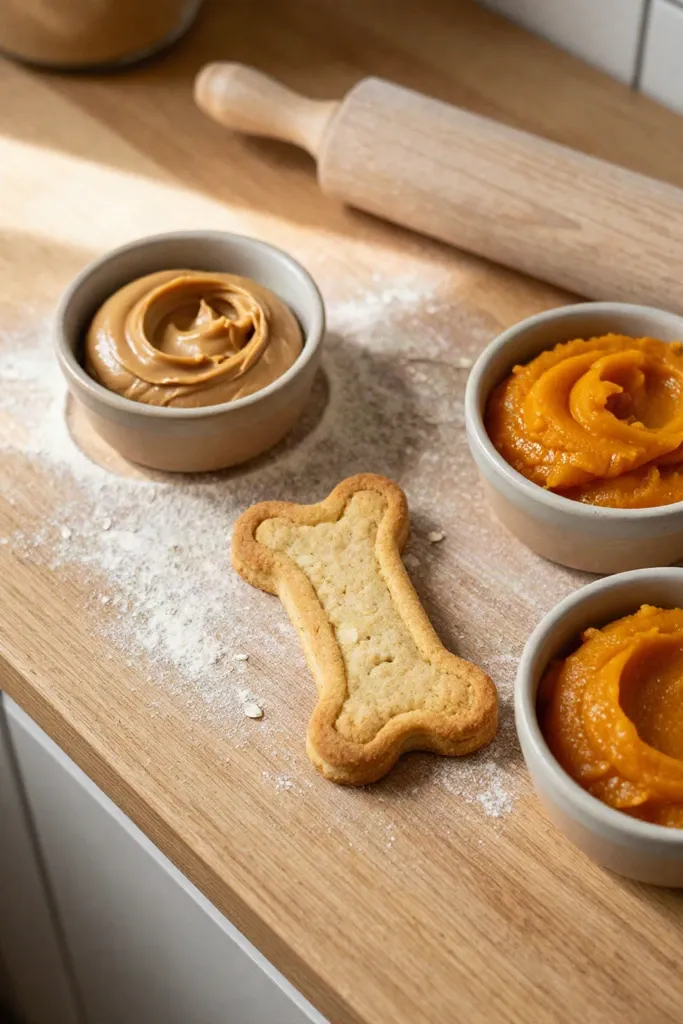
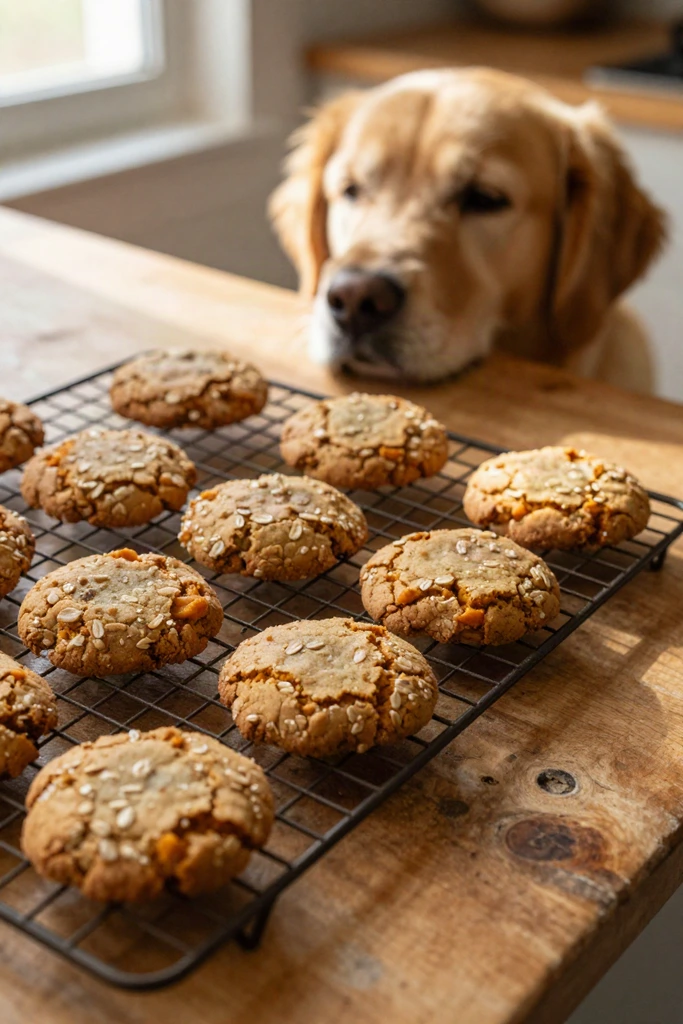
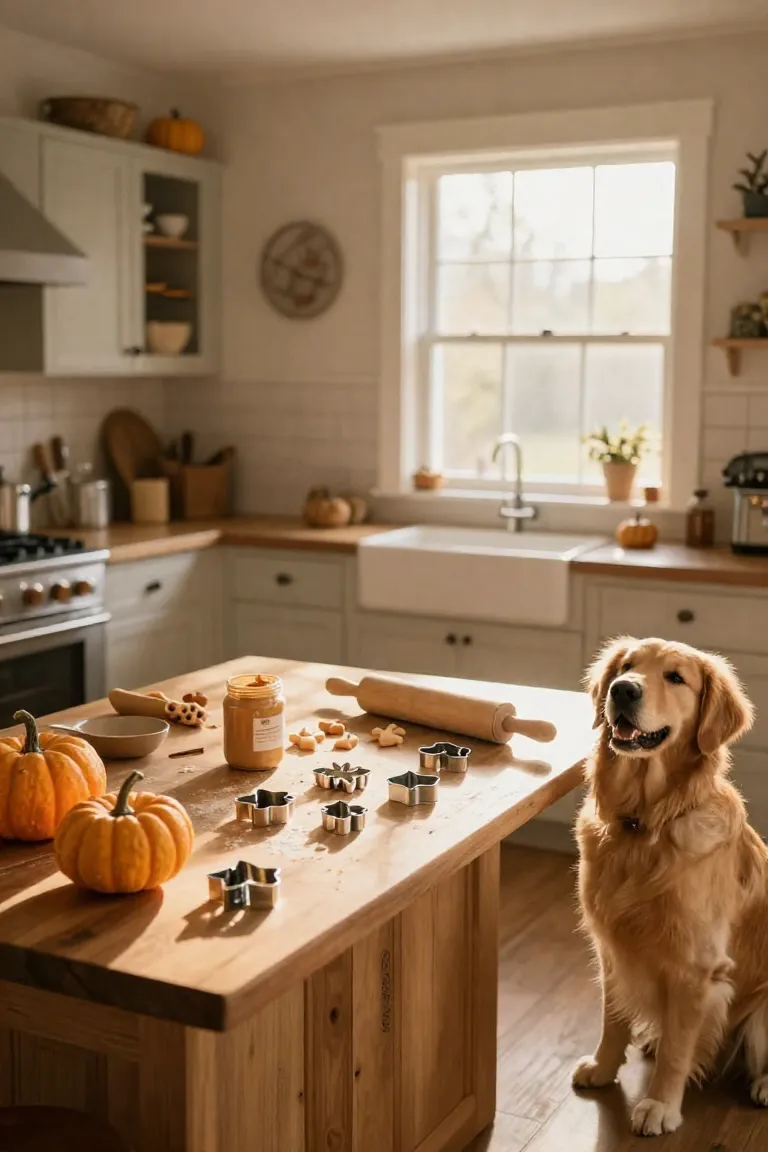
The Importance of High-Quality Ingredients for Homemade Dog Treats
Baking a batch of sweet potato and oat biscuits gives you total control over what enters your dog's food bowl. When you skip commercial fillers and artificial binders, each ingredient provides direct nutritional value. Canines thrive on simple food, making careful grocery shopping essential for avoiding stomach discomfort and allergic reactions.
- Selecting pure pantry staples prevents itchy skin flare-ups and unexpected food intolerances.
- Nutrient-dense additions supply soluble fiber and healthy fats that protect canine digestive health.
- Scrutinizing product labels keeps toxic sweeteners and chemical stabilizers out of your mixing bowl.
Sourcing the Best Sweet Potatoes for Dogs
Whole root crops provide a gentle, nutrient-dense base for homemade snacks, making them a staple in canine nutrition. They pack a generous amount of soluble dietary fiber to regulate stool consistency and nourish beneficial gut bacteria. Beyond digestive support, these golden tubers supply bioavailable beta-carotene, which converts to vitamin A to sustain eye health, alongside essential vitamins B6 and C for ongoing metabolic and immune function.
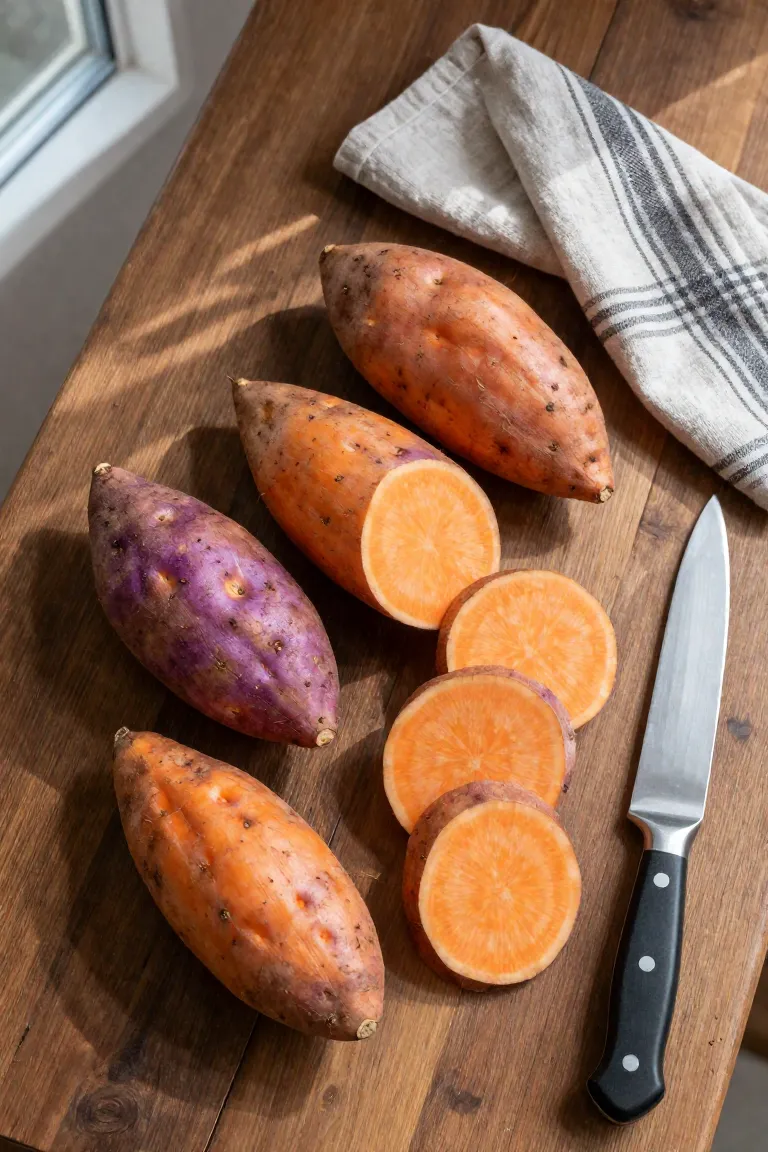
In the produce aisle, focus on tubers that feel heavy for their size and completely firm under light thumb pressure. Smooth, unwrinkled skin signals proper moisture retention, whereas squishy spots or green sprouts point to decay that can cause stomach upset. Picking uniform, medium-sized roots ensures balanced starch content and straightforward kitchen prep before evaluating growing methods.
1. Organic vs. Conventional Sweet Potatoes
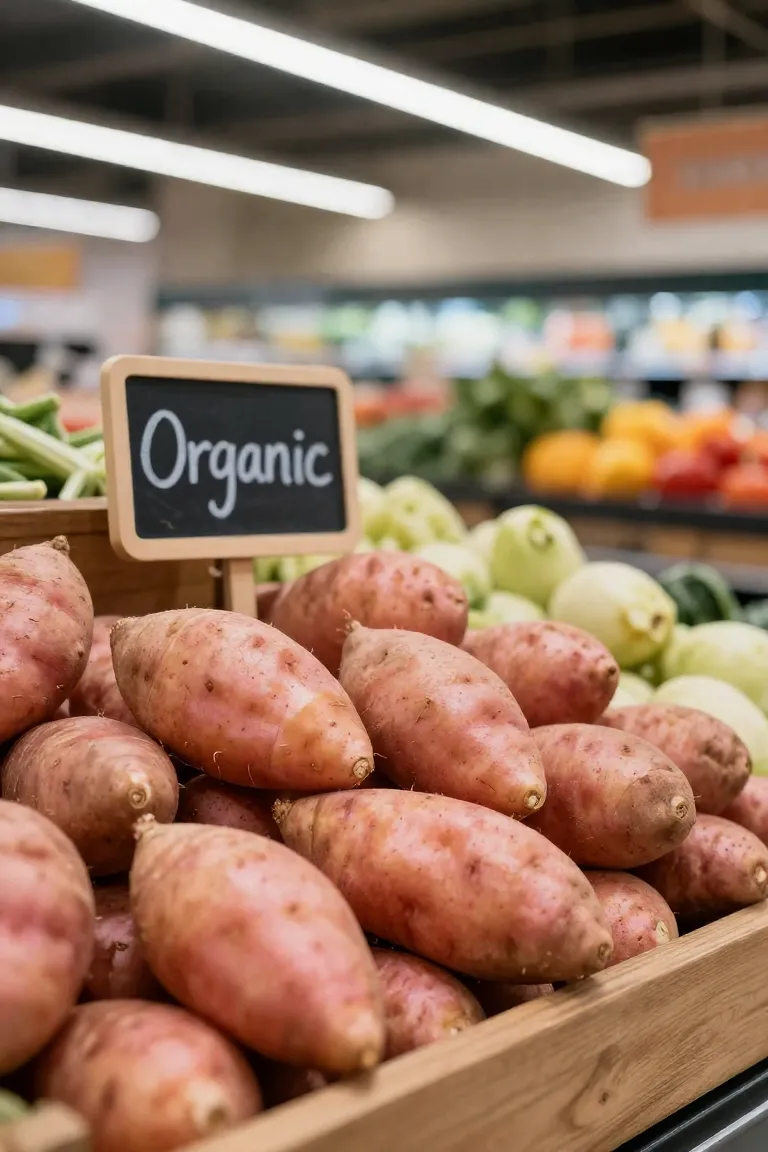
Farming practices directly influence what stays on the outer peel, making your choice between crop types depend on how you plan to prepare the tubers. If you wash and peel the thick outer skin before boiling or mashing, standard grocery store roots work well because the inner flesh remains shielded from chemical sprays. Paying a premium for certified organic produce makes practical sense when you slice and dehydrate whole slices with their skins intact, where valuable dietary fiber and minerals concentrate. Root vegetables grow submerged in soil that absorbs synthetic fertilizers, and coarse outer coats often trap surface residues even after thorough scrubbing with a vegetable brush. Using conventional tubers keeps treat-making economical when you remove the exterior layer, but leaving the jackets on for crunch and digestion requires clean, unsprayed crops.
2. Pre-Cooked Purees vs. Fresh Tubers
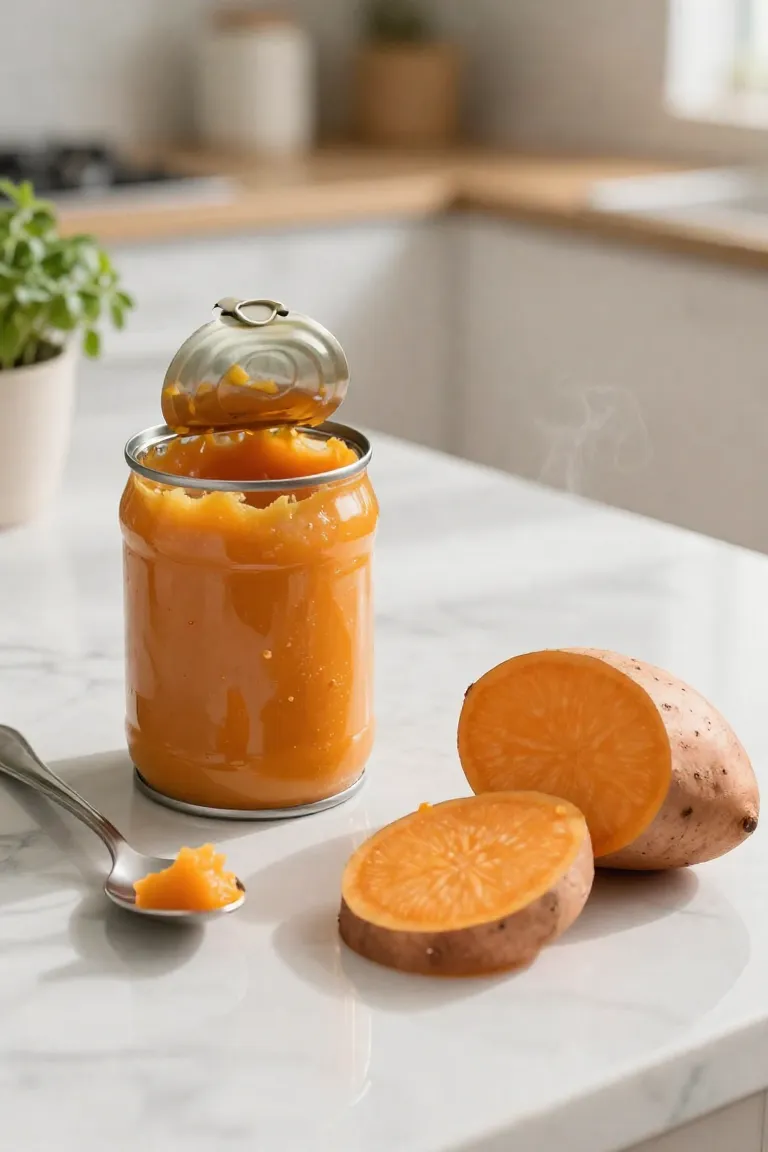
Grabbing a ready-to-use can cuts your prep time down to seconds, eliminating the half-hour spent steaming and mashing root vegetables on a busy afternoon. Roasting or boiling whole produce right on your stove gives you total control over moisture levels and dough consistency, but canned alternatives work just as well when you need quick assembly. If you take the pantry shortcut, flip the tin over and scrutinize the ingredient list before heading to checkout. Many commercial pie fillings hide added sugars or seasonal spices like nutmeg, which can irritate a canine digestive tract or cause genuine toxicity. You want an ingredient panel that lists only one component, sweet potato, so the final treats stay gentle on your dog's stomach while you gather the dry binding ingredients.
Selecting the Right Oats for Canine Digestion
Whole grain pantry staples provide the structural backbone your dough needs to form clean, cuttable shapes without relying on heavy commercial wheat flours. Oats act as a reliable, stomach-soothing binding agent, blending easily into the pureed sweet potato to absorb excess moisture. The soluble fiber, particularly beta-glucan, helps settle sensitive canine stomachs and promotes regular bowel movements, making it an ideal carbohydrate base for dogs prone to digestive upset.
The natural presence of linoleic acid and B-complex vitamins supports your dog's skin barrier and promotes a healthy coat. Unlike fast-burning simple starches, these complex carbohydrates digest slowly, supplying steady energy throughout your afternoon walks rather than causing sudden glucose spikes. Selecting the correct oat cut and grind determines how easily the dough forms in your mixing bowl.
1. Rolled Oats vs. Quick Oats
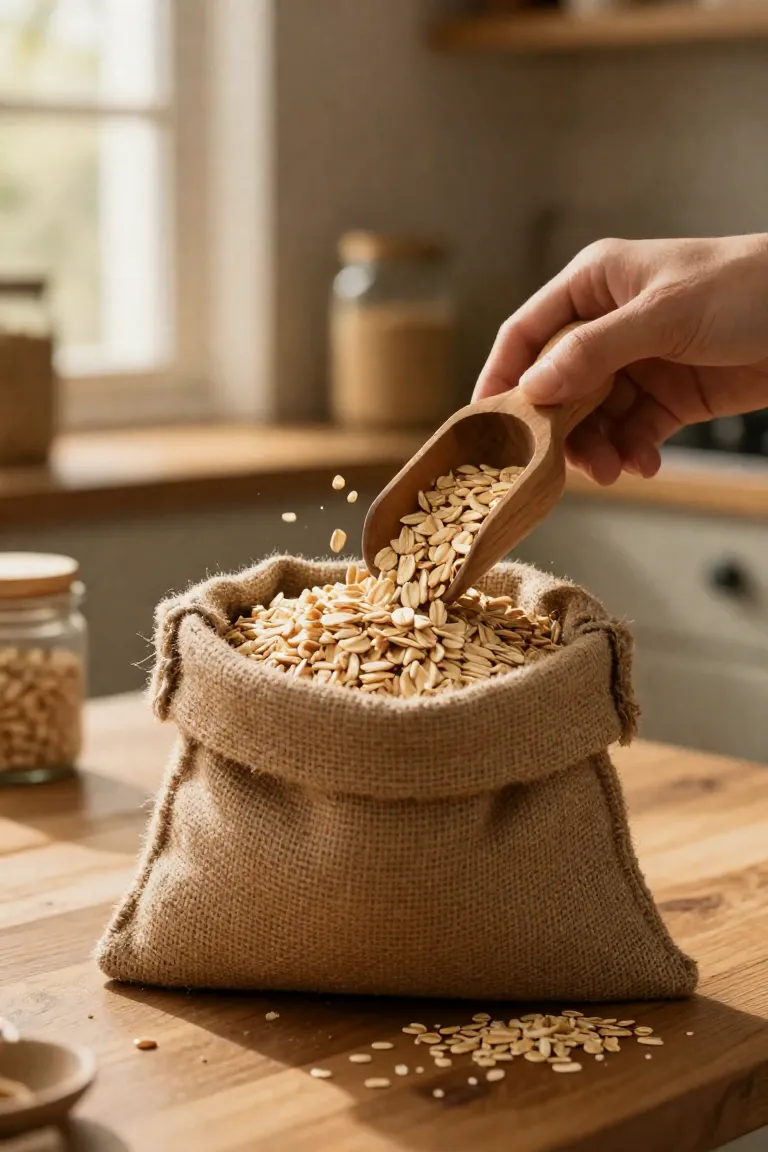
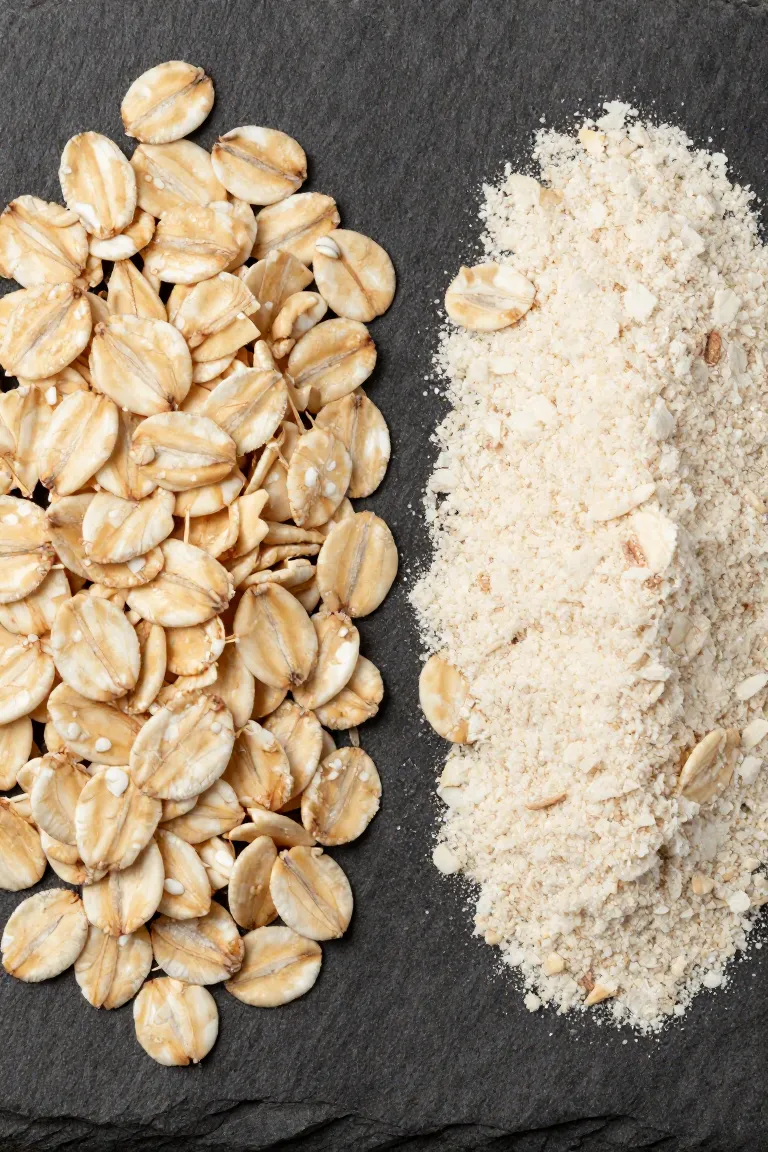
Whole oat groats steamed and flattened into thick, sturdy flakes retain their fibrous structure throughout the baking process. In contrast, quick varieties undergo additional steaming and are pre-chopped into tiny fragments so they absorb liquid rapidly. That extra physical processing breaks down the oat starch, producing a mushier texture that turns dough sticky while digesting substantially faster in a dog's stomach. Using traditional whole rolled flakes gives your biscuits a satisfying crunch while maintaining a lower glycemic profile for steady energy.
Commercial instant oatmeal packets belong nowhere near your baking bowl due to their formulation. These single-serve pouches frequently conceal high sodium levels and harmful artificial sweeteners. Pure rolled oats from a standard bulk tub keep the ingredient list clean, giving your dog the digestive benefit of whole fiber without the risk of unwanted chemical additives.
2. Ensuring Certified Gluten-Free Oats
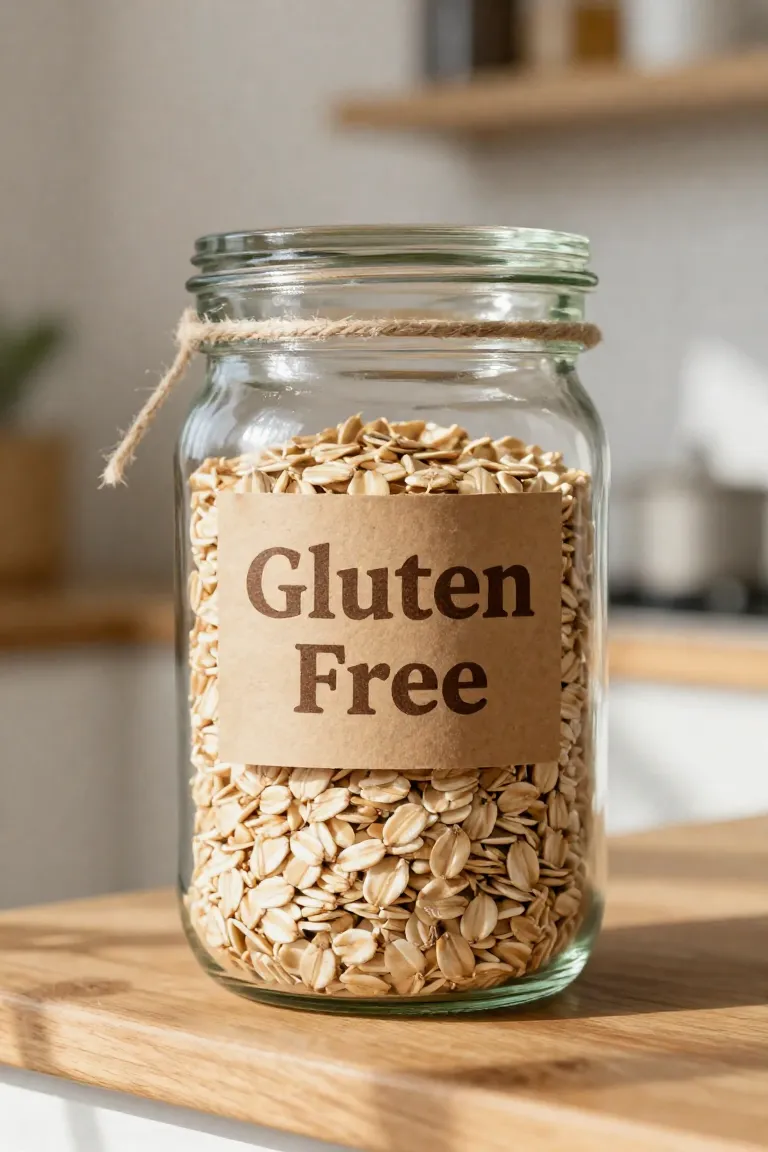
Even naturally wholesome grains can harbor hidden triggers if they share harvest machinery or storage silos with wheat or barley. Commercial mills frequently process multiple crops on identical lines, which allows stray wheat dust to settle into ordinary grain batches. If your dog deals with sensitive digestion or grain allergies, tiny traces of stray gluten can cause unwanted flare-ups long before treat batches come out of the oven.
- Look for recognized third-party certification seals on the bag, which verify that the grains test well below strict gluten thresholds.
- Read the allergen statement on the back label to ensure the facility does not package the grains on lines shared with wheat or barley.
- Select purity-protocol brands that harvest and mill their grains in completely isolated, grain-specific facilities.
Choosing a Dog-Safe Peanut Butter
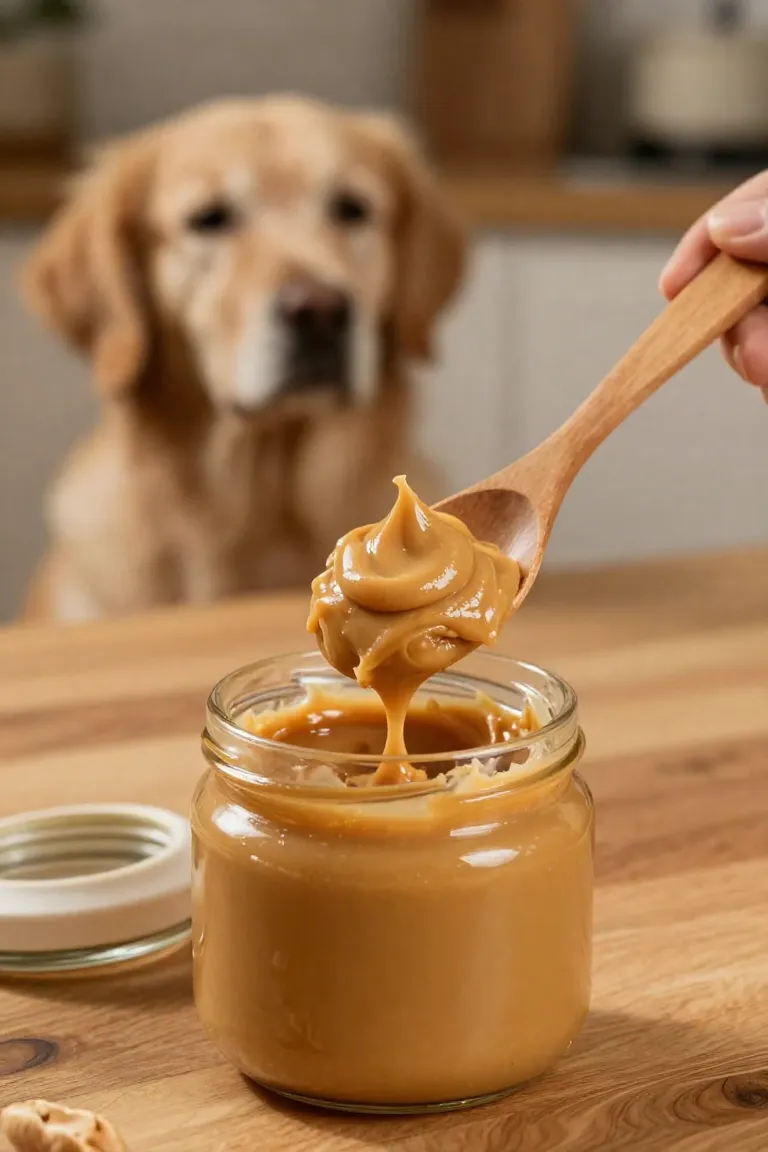
Once your dry oat base is ready, adding a rich aromatic binder turns simple baked biscuits into appealing treats. Creamy peanut paste provides healthy fats and plant protein that work wonders for eager pups. Beyond its taste appeal, the thick texture helps bind dry grains and vegetable purees together, creating a pliable dough that holds its shape on the baking sheet.
Grocery store shelves carry dozens of everyday spreads, but very few meet strict canine safety standards. Many household brands pack their jars with hydrogenated fats or artificial sweetening agents that can trigger severe medical emergencies. You must inspect the fine print on the nutrition panel every single time, because even familiar manufacturers can alter their ingredient formulas without warning on the front packaging.
1. The Dangers of Xylitol and Artificial Sweeteners
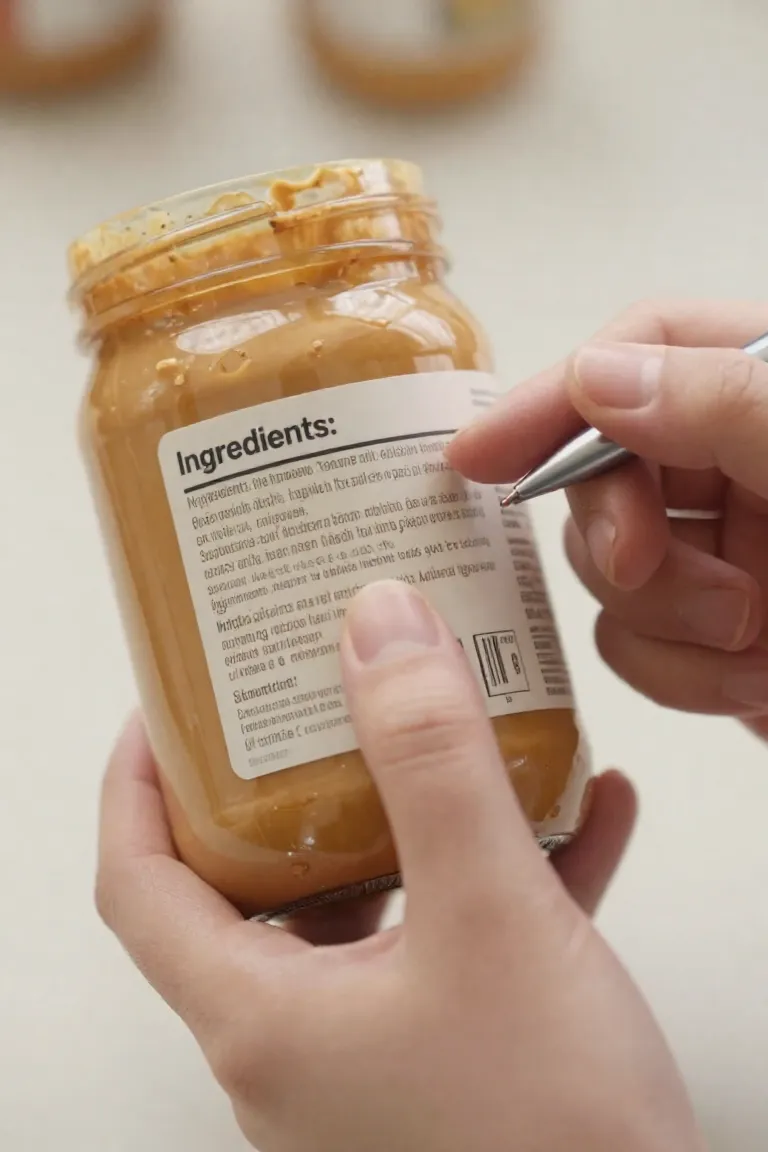
A quick glance at the label protects your dog from substances that trigger rapid insulin release and acute liver damage. Birch sugar, an increasingly common alternative name for xylitol, lurks in many commercial spreads marketed as keto-friendly or sugar-free. In canines, even tiny amounts of this compound cause a dangerous drop in blood sugar within thirty to sixty minutes. If you spot words ending in the suffix itol, such as sorbitol or xylitol, put the jar back on the shelf immediately.
Under the ingredients list, the safest jars list only one or two items: peanuts and salt. Specialty nut butters frequently blend in erythritol or stevia to enhance sweetness without actual cane sugar, none of which belong in a dog treat. When checking unfamiliar brands in the grocery aisle, turn the container around and scan the text beneath the nutrition grid, verifying that no syrups or sugar alcohols sneak past your cart.
2. Natural vs. Roasted Peanut Butter
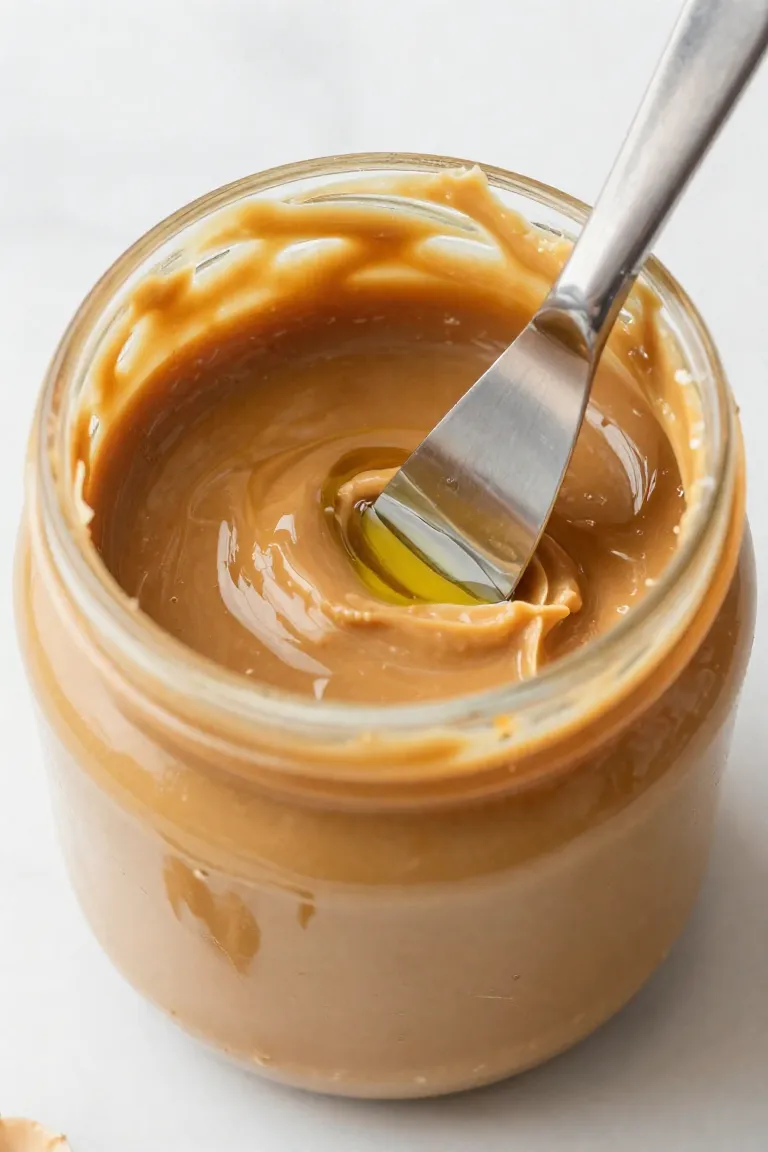
Once you clear the sweetener checkpoint, the ingredient deck should shrink to a single item: peanuts. Many standard commercial spreads use intense heat and added fillers to keep the paste permanently uniform, whereas simple jars grind the whole nut directly into a rich paste. A distinct layer of liquid oil resting on top when you twist off the lid proves you found a clean batch, signaling that no artificial binders were blended into the jar.
- Single-ingredient formula: A jar containing only peanuts ensures your dog receives pure legume protein and healthy fats without fillers diluting the nutritional profile.
- Roasting differences: Lightly roasted options produce a rich aroma that entices selective dogs, while raw versions skip high heat to keep native nutrients untouched.
- Visible oil separation: A floating slick of peanut oil confirms the absence of hydrogenated fats that commercial brands use to fake a smooth texture.
3. Examining Sodium and Palm Oil Content
Beyond basic hydrogenated fats, mass-market spreads frequently introduce table salt for flavor and palm oil to maintain a smooth consistency at room temperature. Excess sodium strains canine kidneys and causes fluid retention, while palm oil injects dense saturated fats that trigger loose stools and unwanted weight gain. You can sidestep these additives by seeking single-ingredient jars where the label lists nothing other than dry-roasted peanuts and shows zero milligrams of added sodium. In-store bulk grinder stations at natural food markets offer another clean solution, letting you mill whole, unsalted nuts into a pure paste ready for mixing.
Essential Baking Tools and Storage Solutions
Once you measure and combine your wholesome dough, how you bake and protect each batch matters just as much as what goes into the mixing bowl. Homemade biscuits lack the synthetic preservatives found in commercial kibble, meaning lingering moisture or humid air can quickly turn a crisp reward soft and stale. Setting up your workspace with practical gear ensures reliable heat distribution during the oven cycle and locks in quality once the treats cool down.
- Heavy wire cooling racks allow air to circulate freely beneath the biscuits, preventing trapped steam from softening the base.
- Uniform rolling guides keep dough thickness consistent across the sheet, helping every piece crisp at the exact same rate.
- Moisture-blocking pantry vessels keep ambient humidity away from dried treats until your dog enjoys them.
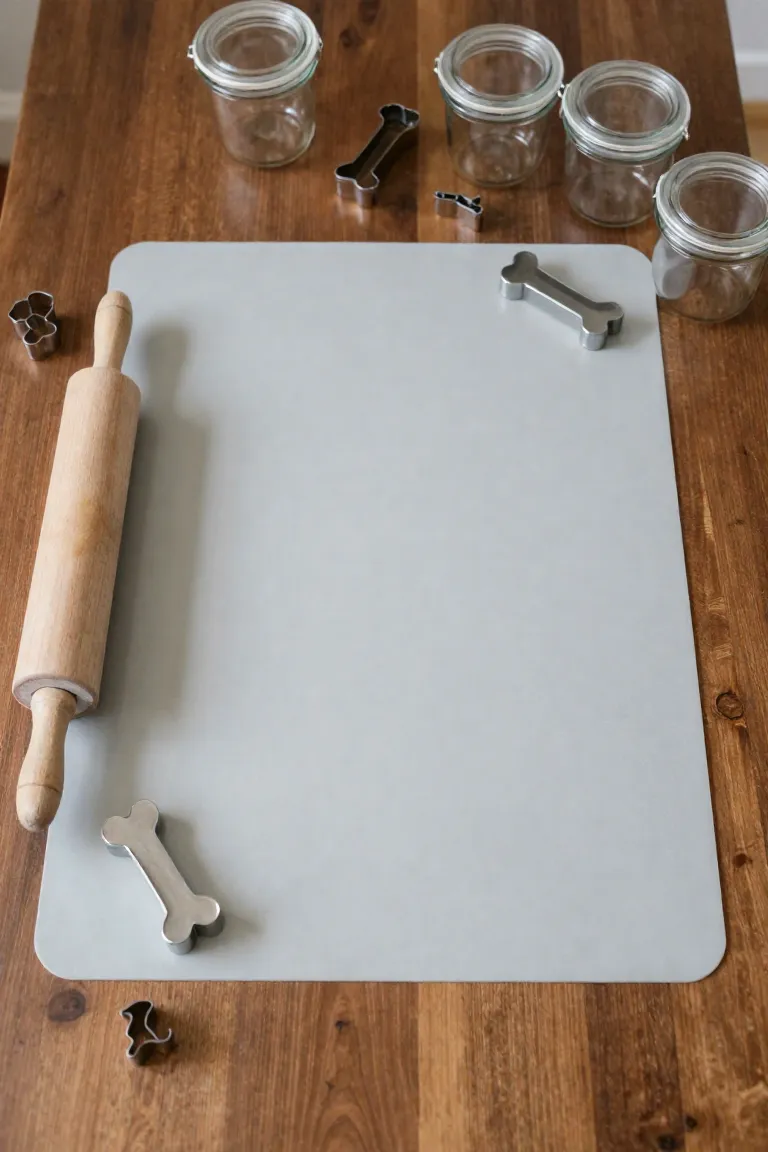
1. Food-Grade Silicone Baking Mats
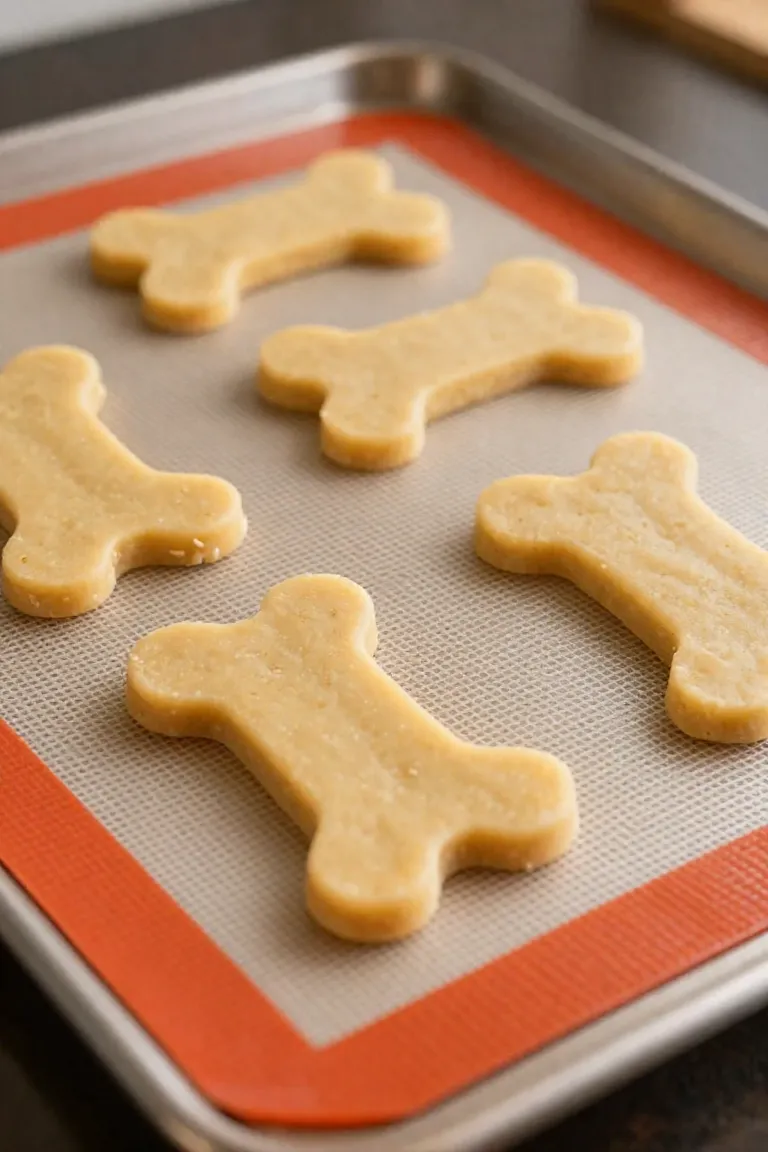
Reusable oven liners create a dependable barrier on your metal trays, replacing disposable bleached paper rolls and aerosol cooking sprays packed with synthetic propellants. When preparing dense dough made with mashed sweet potato and rolled oats, food-grade silicone distributes oven heat evenly across the base of the pan, preventing natural plant sugars from scorching before the centers dry out. The non-stick material lets sticky cutouts lift off cleanly without adding grease to your dog's diet, ensuring a consistent crisp throughout the entire batch.
2. Airtight Glass Storage Containers
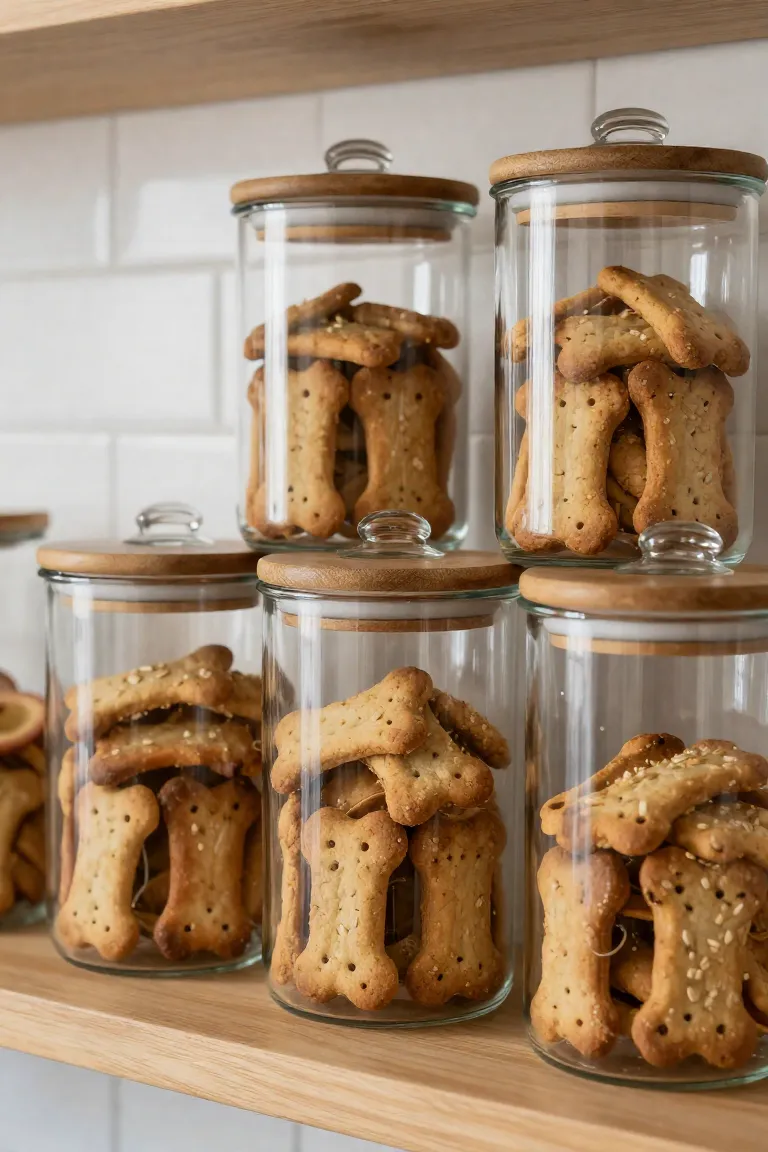
Once your fresh biscuits cool completely on the counter, protecting them from ambient moisture is critical since homemade recipes lack synthetic preservatives. Non-porous glass jars fitted with silicone gaskets block humidity far better than plastic bins, which easily trap residual oils and harbor off-flavors over time. A secure latch maintains that satisfying snap you baked into every bite and stops mold spores from taking hold on the shelf.
In the refrigerator, a week's supply stays crisp and dependable, as chilled air slows down spoilage without drying out the center. For longer storage, the freezer offers an easy solution for batch bakers who want a continuous rotation of healthy snacks. Simply arrange the biscuits on parchment before freezing them solid, then seal them into cold-rated jars so you can pull out individual pieces whenever training calls.
Frequently Asked Questions About Treat Ingredients
Beyond basic batch storage, raw pantry staples like rolled oats and unopened natural peanut butter generally keep their peak freshness for up to six months when tucked into cool, dry cupboards. If your dog has grain sensitivities, you can swap oat flour for canned pumpkin puree or mashed butternut squash to retain binding moisture without triggering digestive flare-ups. Pure sunflower seed butter works equally well if you need an alternative to nuts, provided the label lists zero xylitol or added sweeteners. Checking bulk ingredient dates before each mixing session ensures the final biscuits remain gentle on sensitive stomachs.