Summary
Introduction: The Importance of Canine Gut Health
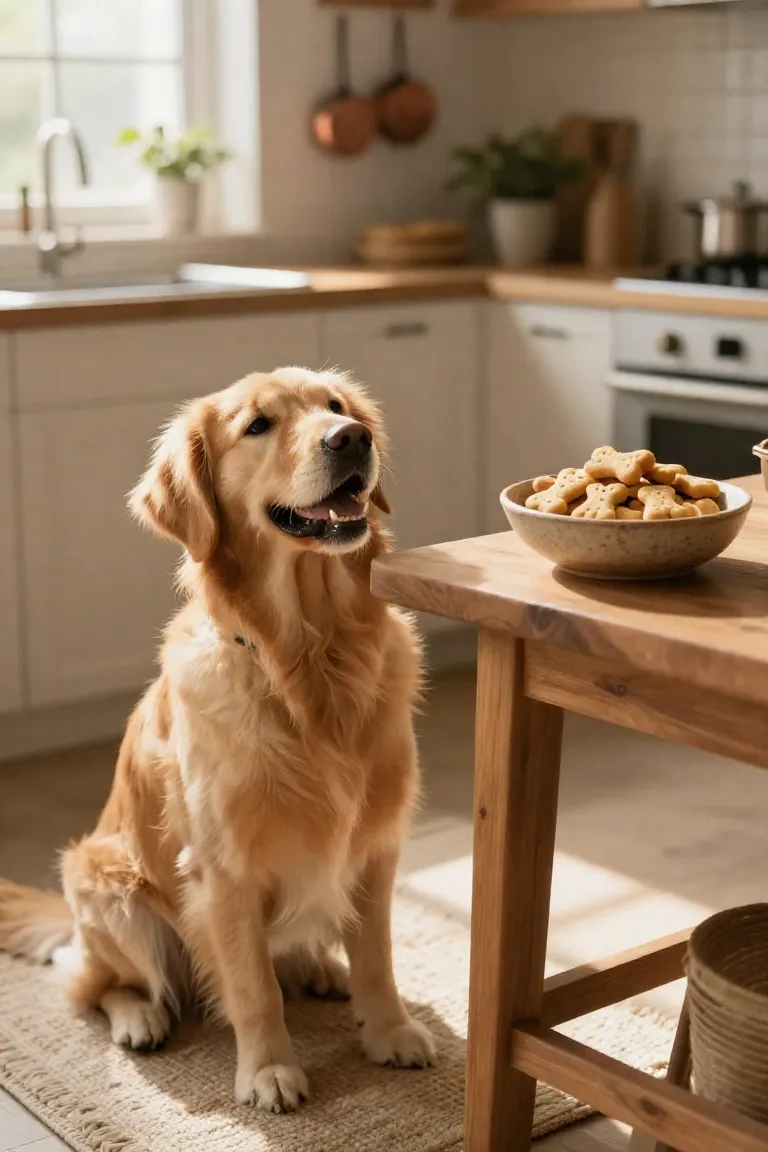
A resilient immune system and steady daily energy start directly in your pet's digestive tract. When you nourish canine gut health with whole, nutrient-dense ingredients, smooth dog digestion follows naturally. Baking simple homemade dog treats with sweet potatoes and rolled oats gives your pup clean, gentle nourishment without artificial additives or harsh fillers.
Why Sweet Potatoes? A Nutritional Powerhouse
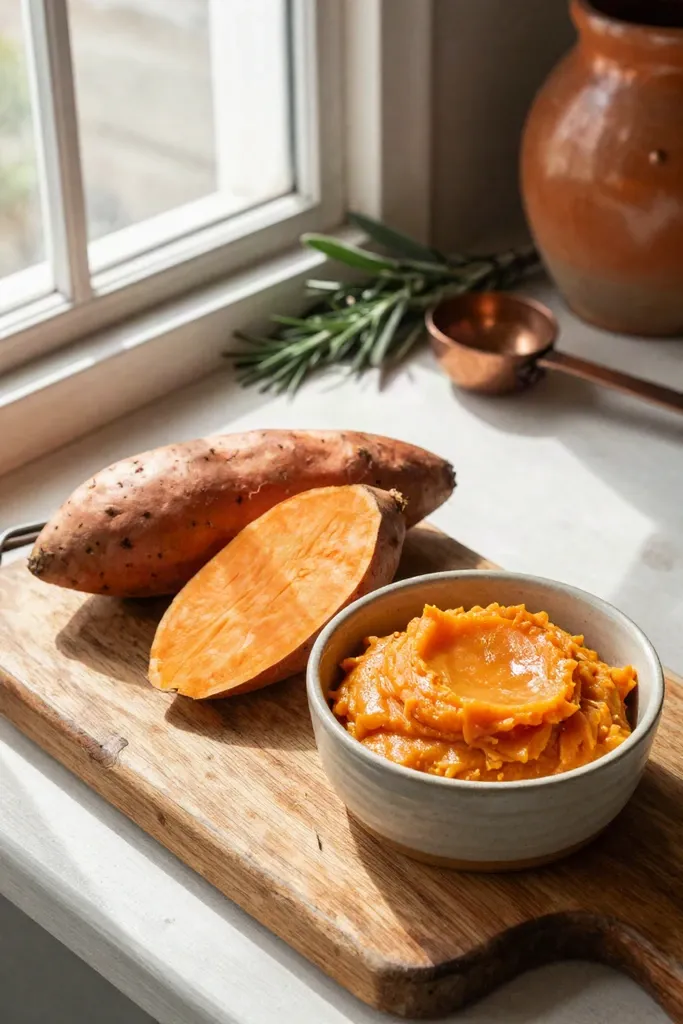
Root vegetables provide a clean, slow-burning fuel source that commercial dry kibbles often lack. Packed with bioavailable beta-carotene and essential potassium, sweet potatoes for dogs deliver sustained vitality while remaining exceptionally gentle on sensitive canine stomachs.
Unlike wheat flours or processed corn starch that trigger rapid blood sugar spikes, this nutrient-dense dog superfood features a naturally low glycemic index. The smooth, digestible starches break down slowly during digestion, helping maintain balanced glucose levels and steady energy throughout your dog's active day.
Dietary Fiber for Stool Consistency
Proper gastrointestinal balance relies on the unique sponge-like action of plant-based roughage. The natural soluble and insoluble fiber for dogs found in cooked tuber flesh binds moisture in the bowel, adding healthy bulk to loose waste while softening overly firm stools.
Regular inclusion of this gentle roughage supports optimal dog stool consistency and encourages predictable, stress-free bathroom routines. By feeding the beneficial microflora in the lower colon, these wholesome plant fibers help shield your companion against sudden bouts of diarrhea and constipation.
Essential Vitamins and Antioxidants
Sweet potatoes also deliver a dense spectrum of natural micronutrients that actively calm mucosal inflammation across the entire intestinal tract. Rich natural stores of beta-carotene convert directly into bioavailable vitamin A, reinforcing the cellular lining of your pup's stomach while maintaining strong mucosal defenses against common pathogens. Paired with pyridoxine (vitamin B6) for healthy protein metabolism, these wholesome vitamins for dogs work in synergy with potent dog antioxidants like anthocyanins to neutralize cellular oxidation before it irritates sensitive bowels. Incorporating freshly baked orange mash into homemade snacks gives your companion an unrefined immune shield, keeping their digestive tract balanced and resilient against everyday environmental stressors.
The Role of Oats in Dog Digestion
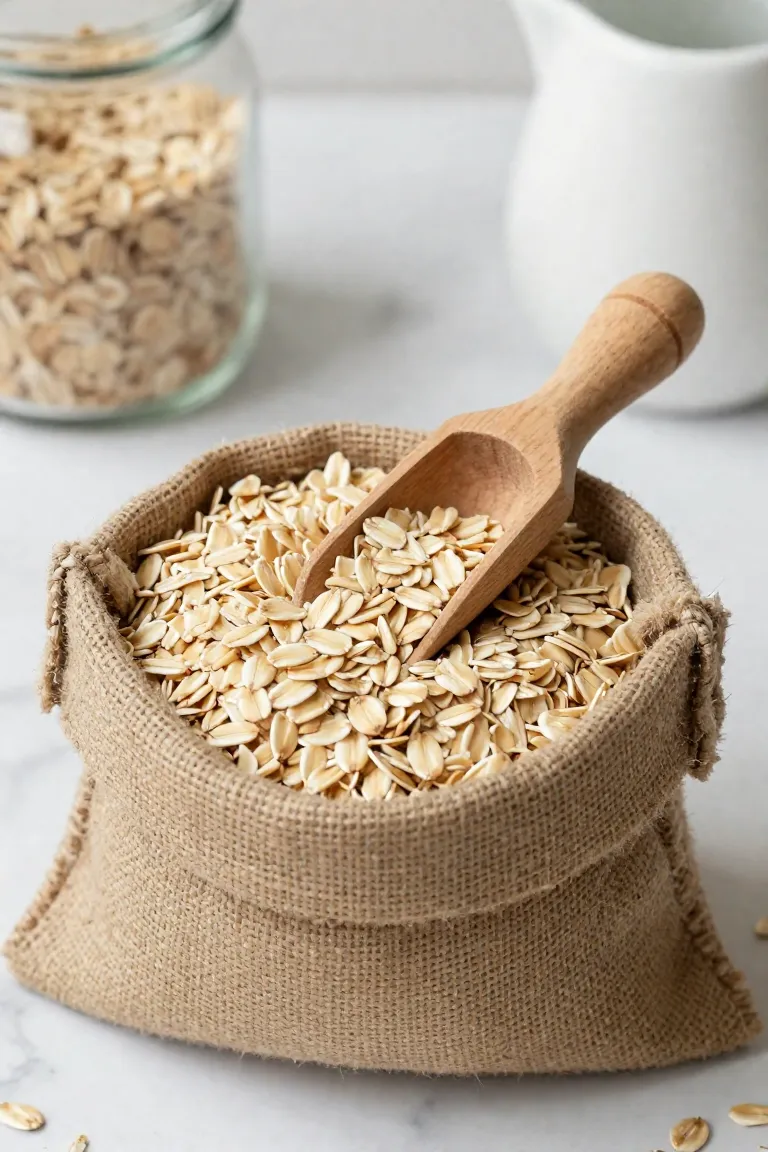
Alongside nutrient-rich roots, whole rolled grains supply the gentle carbohydrate foundation needed for balanced intestinal motility. Pure, certified oats for dogs offer an easily digestible alternative to harsh wheat or corn fillers, delivering slow-burning fuel without triggering uncomfortable abdominal bloating. Their mild profile makes them remarkably soothing for pets prone to food sensitivities or rumbling bellies after mealtime.
In home-baked recipes, ground rolled oats act as a natural binding agent that combines smoothly with pureed root vegetables. This whole-food pairing creates wholesome gluten-free dog treats that keep blood sugar levels steady and satisfy hungry appetites between regular meals. Your four-legged friend enjoys a comforting crunch that breaks down gently in the stomach, minimizing acid buildup and supporting regular daily digestion.
Soluble vs. Insoluble Fiber Benefits
The distinct digestive power of whole oats lies in their dual-action fiber structure, which balances transit speed and waste bulking inside the canine colon. Insoluble fiber adds gentle volume to the stool and sweeps debris through the lower intestines, while soluble fiber for dogs dissolves into moisture to calm irritated digestive tissues. Special non-starch polysaccharides known as beta-glucans create a soothing, viscous gel throughout the intestinal tract, effectively slowing carbohydrate absorption and allowing the bowel wall to absorb vital minerals more thoroughly. This controlled transit time prevents rapid glucose spikes and ensures your dog extracts complete nutritional value from their diet.
Soothing Sensitive Stomachs
When your pup experiences bouts of nausea or loose stools, the gut lining becomes inflamed and requires gentle, non-irritating fuel to recover. Cooked whole oats provide a mild, easily digestible base that coats the stomach wall, functioning much like specialized sensitive stomach dog food designed for clinical recovery. The mucilage created during cooking binds excess gastric acid, effectively soothing dog digestion without overtaxing a weakened pancreas or sluggish liver.
For dogs coping with ongoing dietary intolerances, this gentle grain delivers steady calories and vital micronutrients without triggering allergic flare-ups. In your daily feeding routine, introducing warm oat mash during flare-ups helps stabilize stool consistency quickly while giving the gastrointestinal tract the peaceful rest it needs to rebuild healthy intestinal flora.
How to Bake Sweet Potato and Oat Dog Cookies (Step-by-Step)
Transforming wholesome kitchen staples into functional canine snacks requires mindful temperature control and thoughtful preparation steps. While commercial pet food manufacturing often relies on aggressive high-heat extrusion that destroys heat-sensitive vitamins, gentle at-home methods keep vital beta-carotene and soluble fiber completely intact. When baking dog treats in your own kitchen, maintaining a steady, moderate oven temperature prevents the dough from scorching on the outside while thoroughly drying the interior for lasting shelf stability. Taking the time to master this controlled routine guarantees your batch of homemade dog cookies provides maximum nutritional value along with a satisfying crunch that naturally scrapes plaque off teeth.
Step 1: Preparing the Raw Ingredients
Start by thoroughly washing a fresh sweet potato and piercing the skin with a fork before roasting it at 400°F until completely tender. When preparing sweet potato bases for canine treats, never add butter, salt, brown sugar, or nutmeg, as plain roasted flesh delivers ample natural flavor without triggering gastrointestinal distress. Once the cooked root cools to room temperature, scoop out the soft golden interior and mash it into a smooth puree. In a separate bowl, pulse rolled oats in a high-speed blender to produce fine oat flour, because using freshly milled oat flour for dogs guarantees a silky, uniform dough that rolls out cleanly on your counter.

Step 2: Mixing the Dough for Optimal Texture
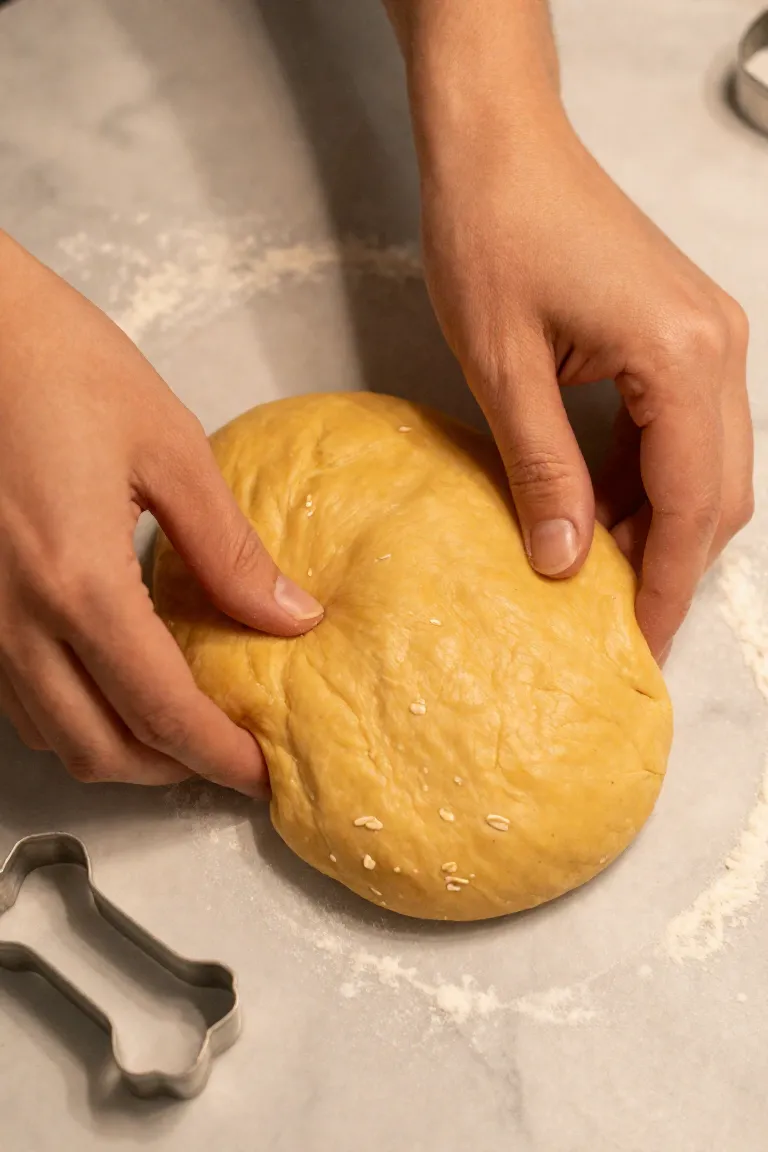
Gently fold the cooled puree into your dry ingredients until the mixture pulls away from the bowl edges. When mixing dog treats, the moisture content of root vegetables naturally varies, so focus on how the ingredients bind rather than strictly measuring down to the drop. A well-balanced dog cookie dough should feel pliable and slightly tacky to the touch without sticking to your fingers or crumbling apart under gentle pressure.
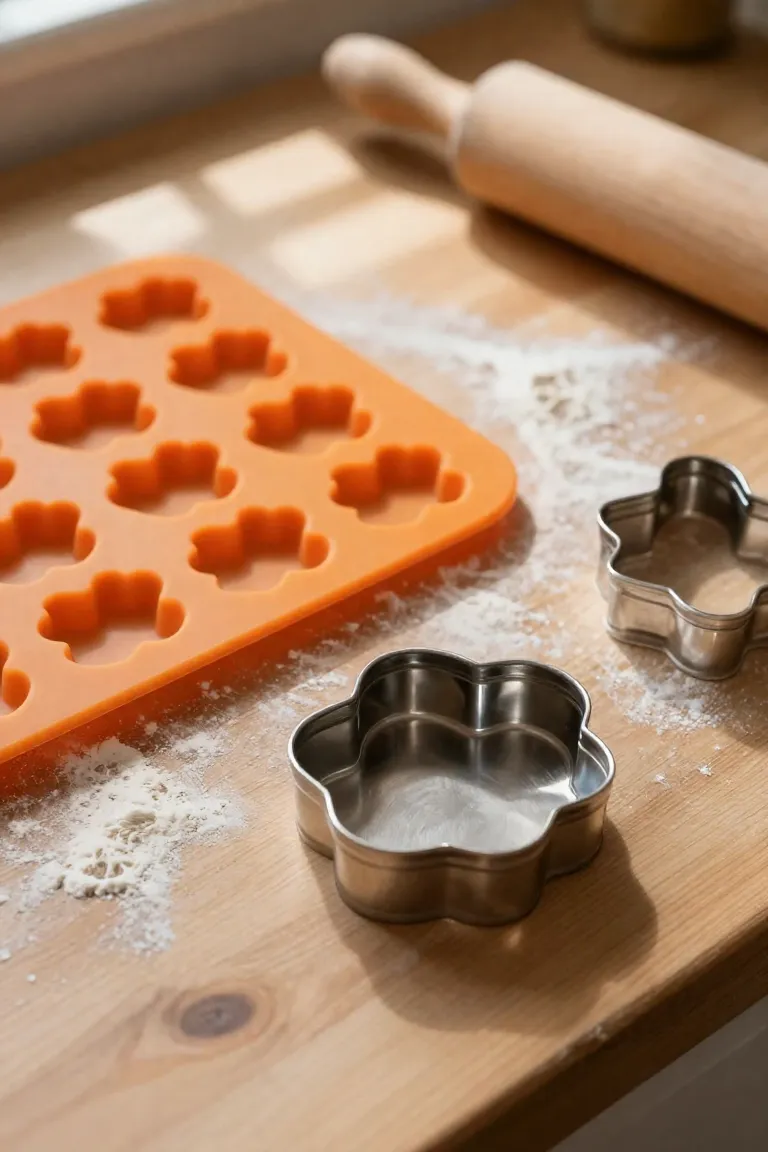
For dry or flaky mixtures, incorporate lukewarm water one teaspoon at a time to restore elasticity. If the mixture feels overly wet, lightly dust your counter with extra oat flour before rolling it out to a quarter-inch thickness. This balanced consistency keeps every cut shape intact when transferring biscuits onto your baking sheet.
Step 3: Baking and Cooling for Safe Consumption
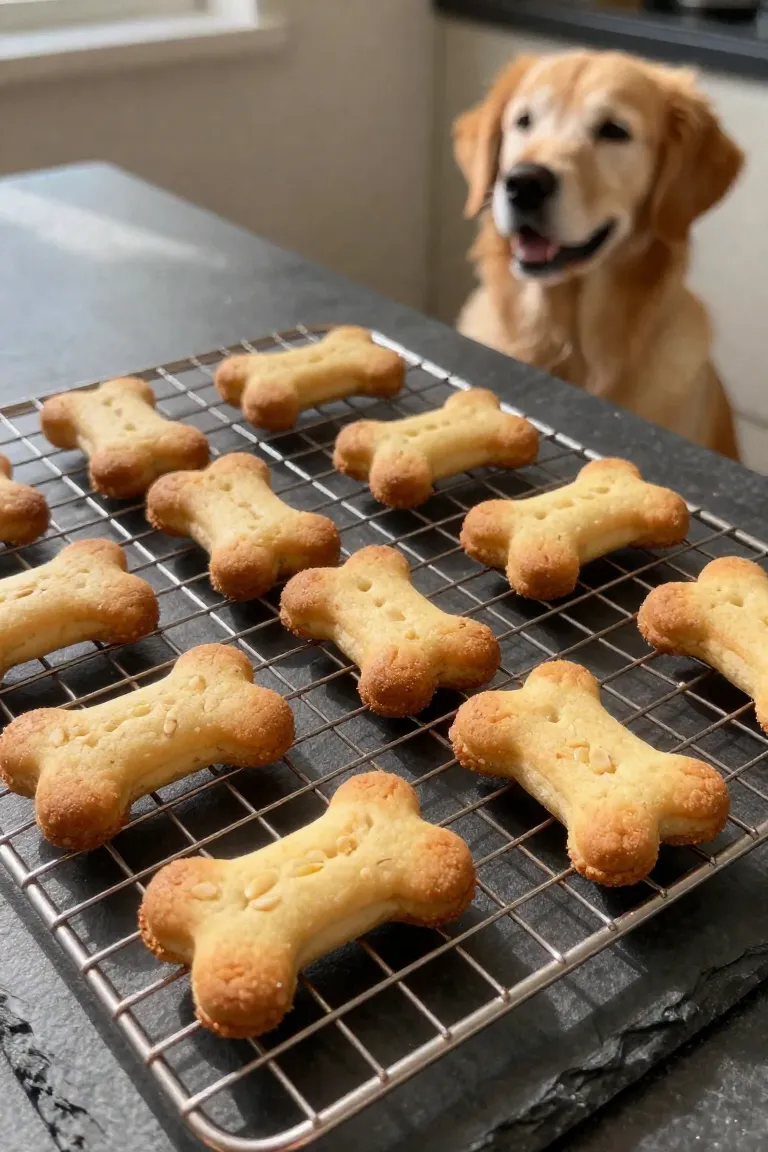
Slide your lined baking sheet into an oven preheated to 350°F (175°C) to lock in nutrients while gently drawing out internal moisture. The exact baking time dog treats require depends on biscuit thickness, but allowing them to dry out slowly produces crunchy dog cookies that naturally scrape plaque from canine teeth during chewing.
- Bake for 25 to 30 minutes until the edges turn light golden brown, then turn off the heat and leave the oven door cracked for 10 minutes to finish the crisping process.
- Transfer the biscuits to a wire cooling rack and let them rest for at least 45 minutes to prevent any trapped steam from burning your dog's mouth or softening the crisp exterior.
- Verify that the centers feel completely rigid and cool to the touch before offering the first sample to your pup.
Frequently Asked Questions About Homemade Dog Treats
Managing daily treat portions and keeping batches fresh ensures your pup gets wholesome digestive support without unnecessary calories. Because these snacks contain zero artificial preservatives, practicing smart dog treat storage protects both flavor and nutritional value over time.
- Standard homemade dog treat shelf life reaches up to one week when kept in an airtight glass container at cool room temperature, provided the biscuits are baked completely dry.
- Refrigeration extends freshness for up to three weeks, while freezing sealed portions in silicone bags preserves crunch and aroma for up to three months.
- Treats should never exceed ten percent of your dog's total daily caloric intake, so adjust main meal portions slightly on training days to keep body weight balanced.
Conclusion: Elevating Your Dog's Diet with Homemade Care
Baking fresh batches at home gives you complete oversight of every ingredient entering your canine diet. Combining beta-carotene-rich root vegetables with slow-burning whole oats supports steady digestion, firmer stools, and sustained energy without unnecessary additives or artificial binders.
- Gentle prebiotic support: Naturally soothing fibers nourish beneficial gut microbes and promote balanced bowel movements.
- Clean nutrient density: Whole food vitamins fortify your companion's daily bowl while keeping calories manageable.
- Simple kitchen routine: Save this recipe to your pet care board for your next baking day to ensure you always have a reliable, gut-friendly reward ready for your dog.