Summary
- Introduction: Why Sweet Potato and Oats for Dogs with Allergies?
- Understanding Poultry Allergies in Dogs
- The Nutritional Powerhouse: Sweet Potatoes and Oats
- Essential Ingredients and Substitutions
- Step-by-Step Guide: Baking Sweet Potato Oat Dog Cookies
- Proper Storage to Maximize Freshness
- Frequently Asked Questions (FAQ)
Introduction: Why Sweet Potato and Oats for Dogs with Allergies?
Watching your dog scratch persistently after eating commercial biscuits is frustrating, especially when chicken or egg derivatives trigger chronic flare-ups. Whole food pantry staples offer a reliable alternative. Combining baked sweet potatoes with rolled oats yields nourishing dog treats for poultry allergies, giving your pet delicious homemade baked dog treats without the risk of an allergic reaction.
Understanding Poultry Allergies in Dogs
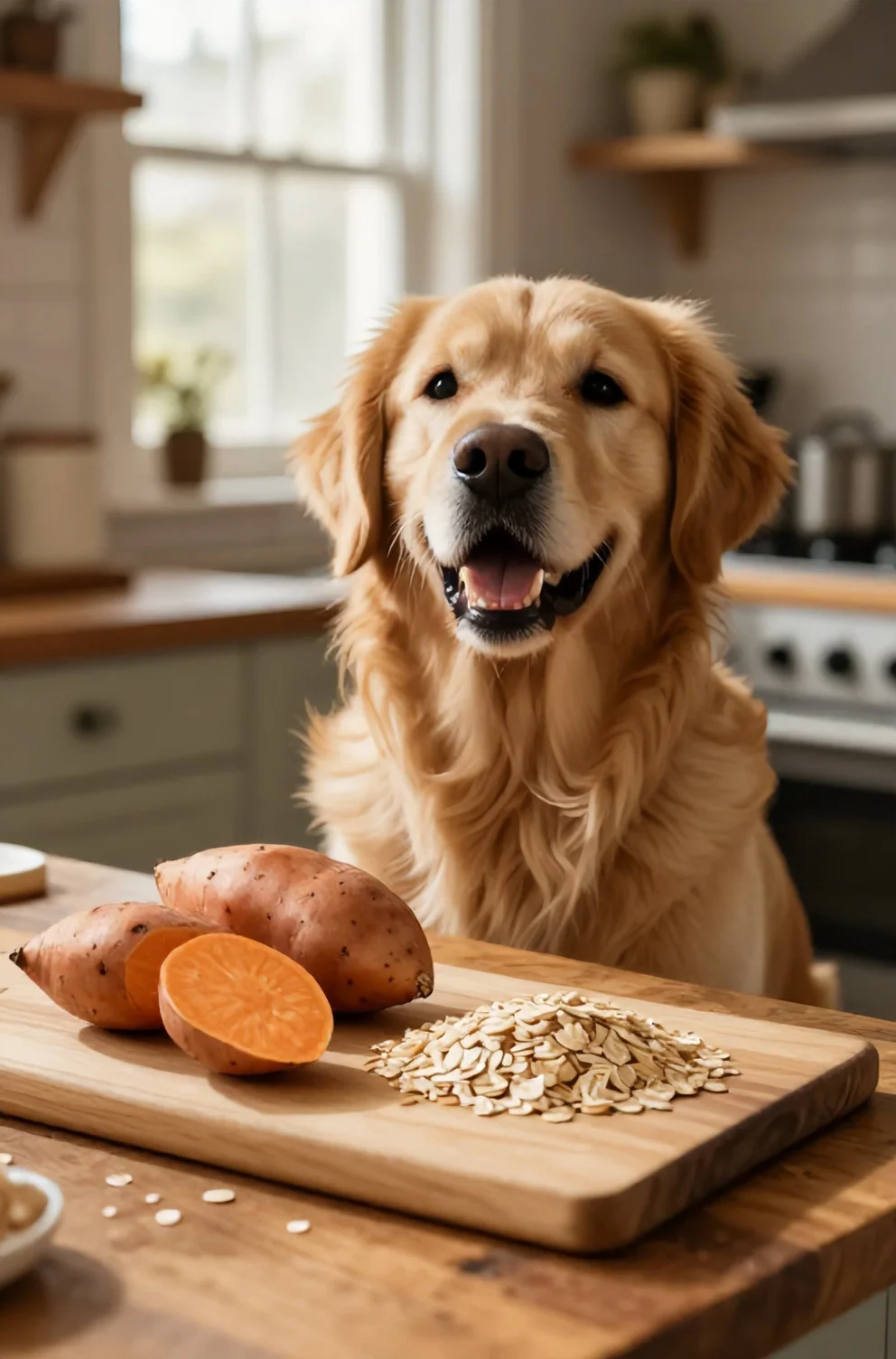
A dog's immune system can misidentify familiar dietary proteins as foreign threats, triggering histamine release after repeated exposure. Because chicken meal, turkey fat, and egg derivatives appear in many commercial diets, poultry allergy in dogs occurs more frequently than most owners suspect. Even trace amounts of dried albumin or poultry hydrolysate in processed treats can sustain low-grade inflammation in sensitive pets.
Single-source carbohydrates and gentle plant starches remove this dietary trigger. Pure plant ingredients allow you to craft gentle egg free dog treats that provide steady dietary fiber while sparing sensitive immune systems from unnecessary stress. Managing every ingredient in your mixing bowl ensures zero cross-contact with hidden avian byproducts.
Identifying Common Allergy Symptoms
Recognizing a dietary reaction early helps prevent chronic skin damage and frequent veterinary visits. Canine food sensitivities typically manifest through dermatological and gastrointestinal symptoms rather than sudden respiratory distress. Paying close attention to daily grooming habits often reveals recurring signs linked directly to ingredient intolerances.
- Constant chewing and red, itchy dog paws after routine meal times
- Recurrent yeast buildup and dark discharge inside the ear canals
- Flaky, inflamed skin patches along the belly, armpits, and muzzle
- Intermittent loose stool, gas, or mild stomach gurgling within hours of snacking
If you observe several of these classic dog allergy symptoms occurring together, replacing commercial poultry snacks with simple homemade biscuits provides immediate diagnostic clarity.
The Hidden Eggs in Commercial Dog Treats
Reviewing ingredient labels in the pet aisle often explains why chronic flare-ups persist even after switching main protein sources. Manufacturers frequently use dried whole egg powder or egg albumin as economical binders, introducing poultry allergens into everyday store bought dog treats. Because these proteins improve shelf life and keep biscuits intact during extrusion, they appear in grain-free biscuits, jerky treats, and training rewards alike.
Stylist Rule: Check ingredient panels for terms like ovoglobulin, dried egg product, or lysozyme, which frequently mask hidden egg ingredients in beef or fish formulas.
Retail shelves rarely offer biscuits that omit both poultry meals and egg derivatives without extensive label screening. Preparing treats at home eliminates this guesswork, ensuring your dog receives rewards free from accidental cross-contamination.
The Nutritional Powerhouse: Sweet Potatoes and Oats
Replacing processed commercial snacks with whole-food kitchen staples offers an easy way to nourish sensitive dogs. Baking homemade sweet potato oat dog cookies combines slow-burning complex carbohydrates with gentle dietary fiber. Instead of relying on artificial hypoallergenic fillers, this combination supplies clean energy for daily activity while keeping reactive immune systems calm.
Both ingredients supply practical, healthy dog superfoods for companions with dietary intolerances. Cooked sweet potatoes provide antioxidant carotenoids that support cellular health, while rolled oats supply soluble beta-glucan along with minerals like zinc and magnesium. Combined, they produce a cohesive dough that binds naturally without requiring eggs or animal fats.

Digestive Benefits of Sweet Potatoes
The orange flesh of sweet potatoes functions as a gentle prebiotic, nourishing beneficial intestinal bacteria and encouraging firm, regular stools. A primary advantage among sweet potato benefits for dogs is a balanced blend of soluble and insoluble fiber, which moderates digestion and supports steady nutrient absorption.
- Soluble fiber absorbs excess liquid in the digestive tract to firm up loose stools.
- Beta-carotene converts to vitamin A, supporting skin barrier integrity and coat condition.
- Vitamins B6 and C support daily metabolic function and natural immune defenses.
For dogs recovering from poultry-related gut irritation, this gentle root vegetable provides immediate digestive comfort while delivering bioavailable micronutrients in every serving.
Soothing Oats for Sensitive Stomachs
Whole rolled oats pair naturally with root vegetables, providing a dependable source of soluble fiber that helps settle sensitive stomachs. Containing beta-glucans and avenanthramides, oats for sensitive dogs supply plant compounds that calm intestinal irritation while offering steady, sustained energy throughout the day.
This mild grain turns simple baked snacks into soothing anti-inflammatory dog treats that digest easily without causing blood sugar spikes. Soluble oat fibers absorb excess stomach acid and protect delicate mucosal linings, making oats a reliable carbohydrate source for dogs recovering from food intolerances.
Essential Ingredients and Substitutions
You do not need specialized powders or commercial binders to bake wholesome biscuits at home. This simple dog cookie recipe relies on basic pantry staples readily available at any grocery store, making preparation quick and budget-friendly.
- Old-fashioned rolled oats or store-bought oat flour
- Canned or freshly cooked sweet potato puree free from added sugar and spices
- Unsweetened applesauce or warm water to adjust dough hydration
- A light pinch of ground Ceylon cinnamon for subtle aroma
A modest supply of these basic ingredients lets you bake nutritious pantry ingredient dog treats on short notice, protecting your dog from accidental poultry exposure.
Choosing the Right Sweet Potato Puree
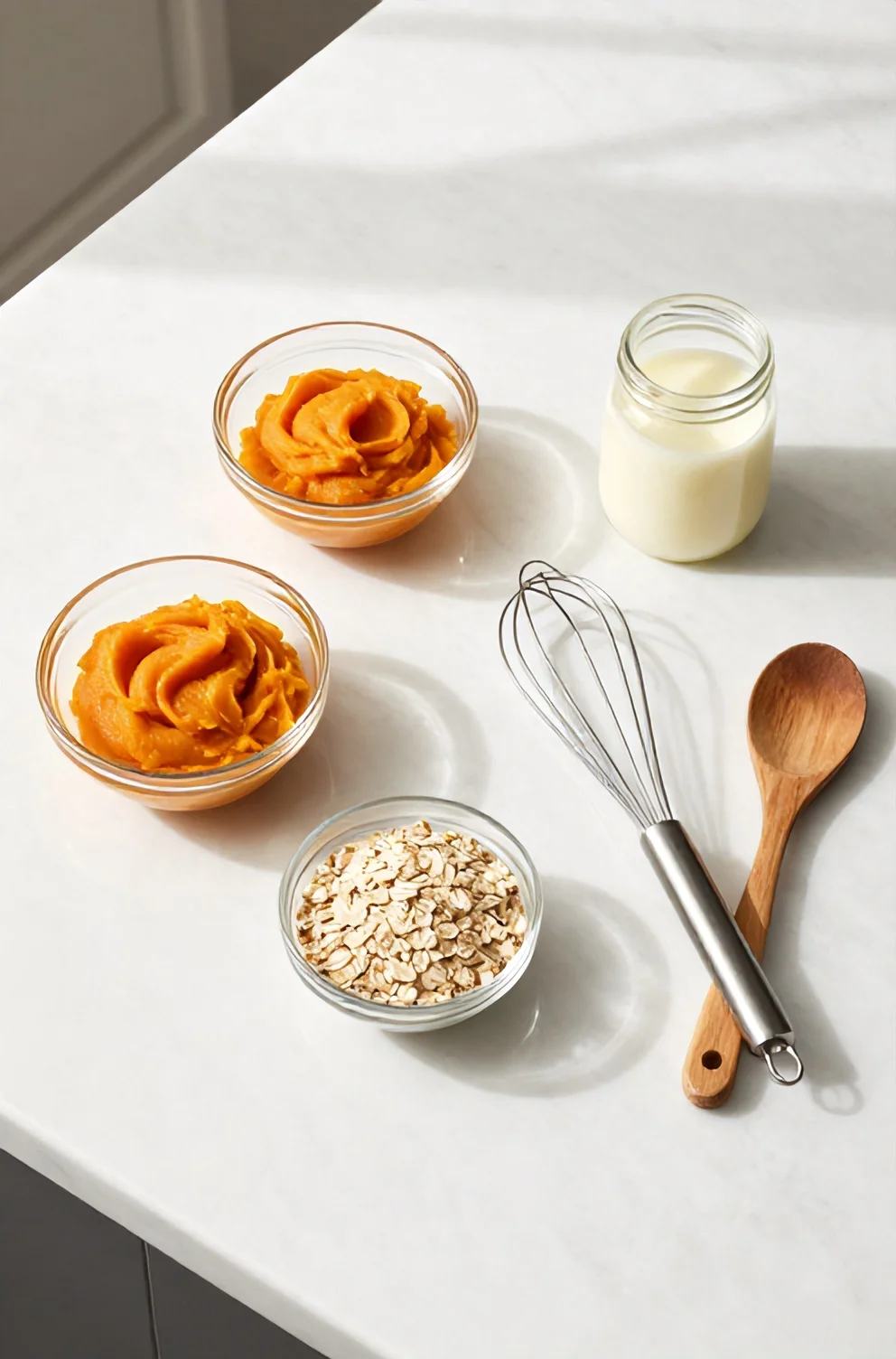
Choosing the right puree is essential when baking for dogs with delicate digestive systems. Always examine grocery store ingredient labels to confirm the can contains only 100 percent sweet potato, avoiding pie fillings that include added sugars, nutmeg, allspice, or artificial sweeteners such as xylitol.
Stylist Rule: Check labels for single-ingredient purees to prevent unnecessary sugar intake and stomach upset.
If you prefer fresh preparation, pierce a whole sweet potato with a fork and roast it at 400°F (200°C) for 45 minutes until fork-tender, then blend the cooled flesh until smooth. Preparing the puree at home guarantees zero added sodium or preservatives and yields a smooth texture that blends easily with oat flour.
Gluten-Free vs. Regular Oats
Although oats are naturally gluten-free, cross-contact frequently occurs in commercial milling facilities that process wheat, barley, and rye on shared equipment. For dogs experiencing severe gastrointestinal distress or inflamed skin, selecting certified gluten free oats for dogs prevents trace grain contamination that could confuse allergy elimination efforts.
Conventional rolled oats suit most canine diets, but strict allergy-friendly baking benefits from certified gluten-free oats tested under dedicated purity protocols, such as those from Bob's Red Mill. Grinding whole rolled oats in a blender for 30 seconds produces a fine flour that mixes smoothly with sweet potato puree and digests easily.
Egg Replacements That Work
Standard dog biscuit recipes rely on chicken eggs to bind dry ingredients, but preparing safe no egg sweet potato treats requires no commercial gums or chemical binders. The gelatinized starches and dietary fibers in cooked sweet potato puree serve as a natural binder, holding moisture and knitting the oat flour into a pliable dough.
Stylist Rule: If your dough feels slightly crumbly, fold in one extra tablespoon of warm water rather than adding liquid oils or starches.
As the dough bakes, this natural starch matrix firms up under dry heat to create a crisp, durable snap. This simple method eliminates all poultry protein risk while delivering beneficial fiber in every biscuit.
Step-by-Step Guide: Baking Sweet Potato Oat Dog Cookies
Turning everyday pantry staples into allergy-safe snacks takes less effort than baking a standard batch of cookies. Baking dog treats at home gives you complete oversight of every ingredient, keeping filler additives out of your dog's diet while filling the kitchen with pleasant, warm aromas.
This easy dog cookie recipe requires only three basic tools: a mixing bowl, a rolling pin, and a parchment-lined baking sheet. With less than 30 minutes of hands-on prep, you can shape and cut uniform biscuits that hold their edges cleanly without sticking to work surfaces.
Set out your cookie cutters and clear a small prep area, and you are ready to bake a fresh batch your companion can enjoy safely.
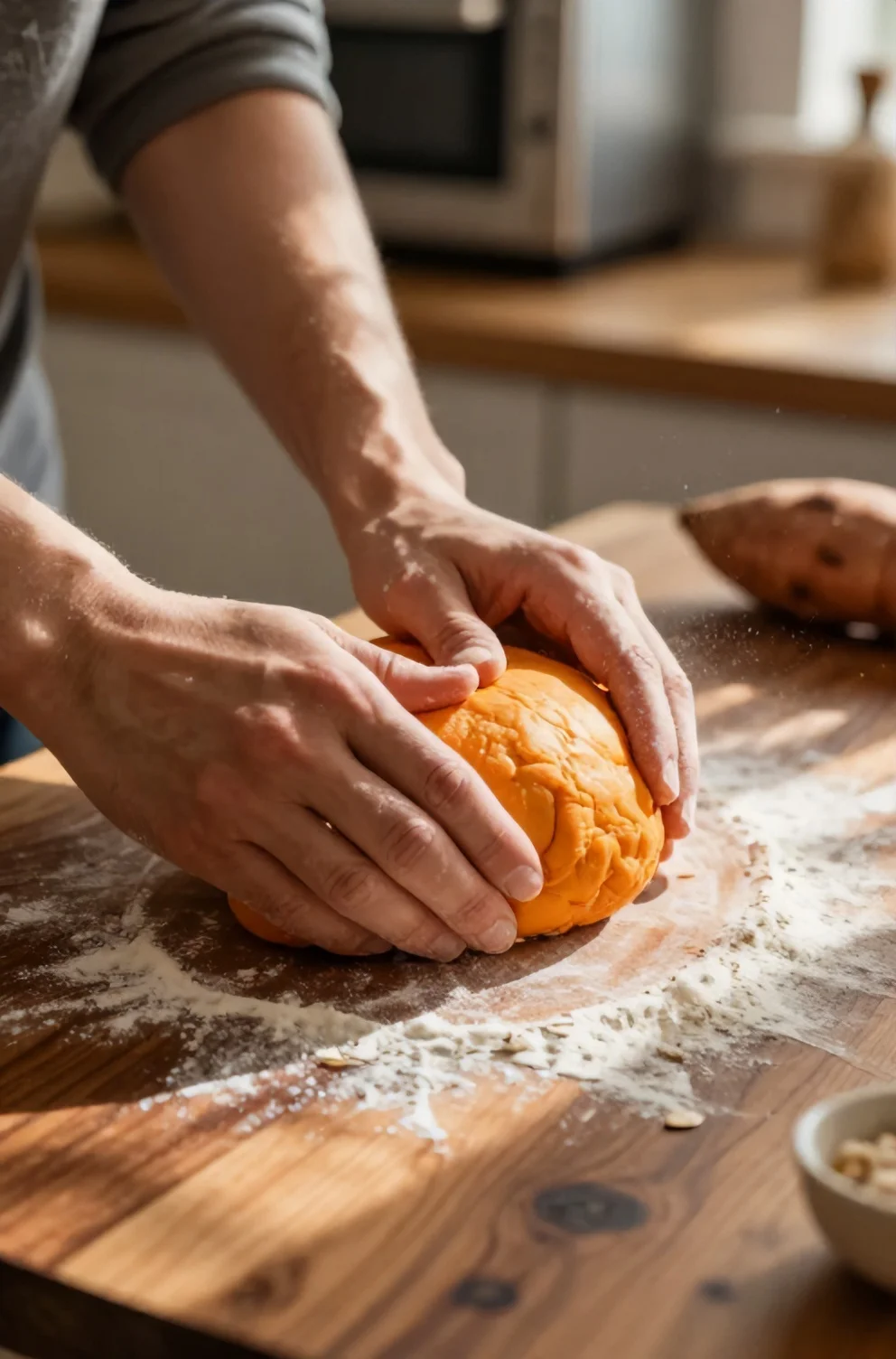
Step 1: Prepping the Ingredients and Oven
Position your oven rack in the center and preheat the oven to 350°F (175°C). Line a large rimmed baking sheet with parchment paper or a silicone baking mat to prevent sticking and simplify cleanup. Preparing the baking sheet in advance protects the biscuits from excessive bottom browning while baking.
Fresh oat flour takes only seconds to make using whole rolled oats from your pantry. Place two cups of oats into a blender or food processor and pulse on high for 30 to 45 seconds until finely ground. A few remaining coarse flakes are completely fine, as they add pleasant texture to the finished treats.
Step 2: Mixing the Perfect Dough
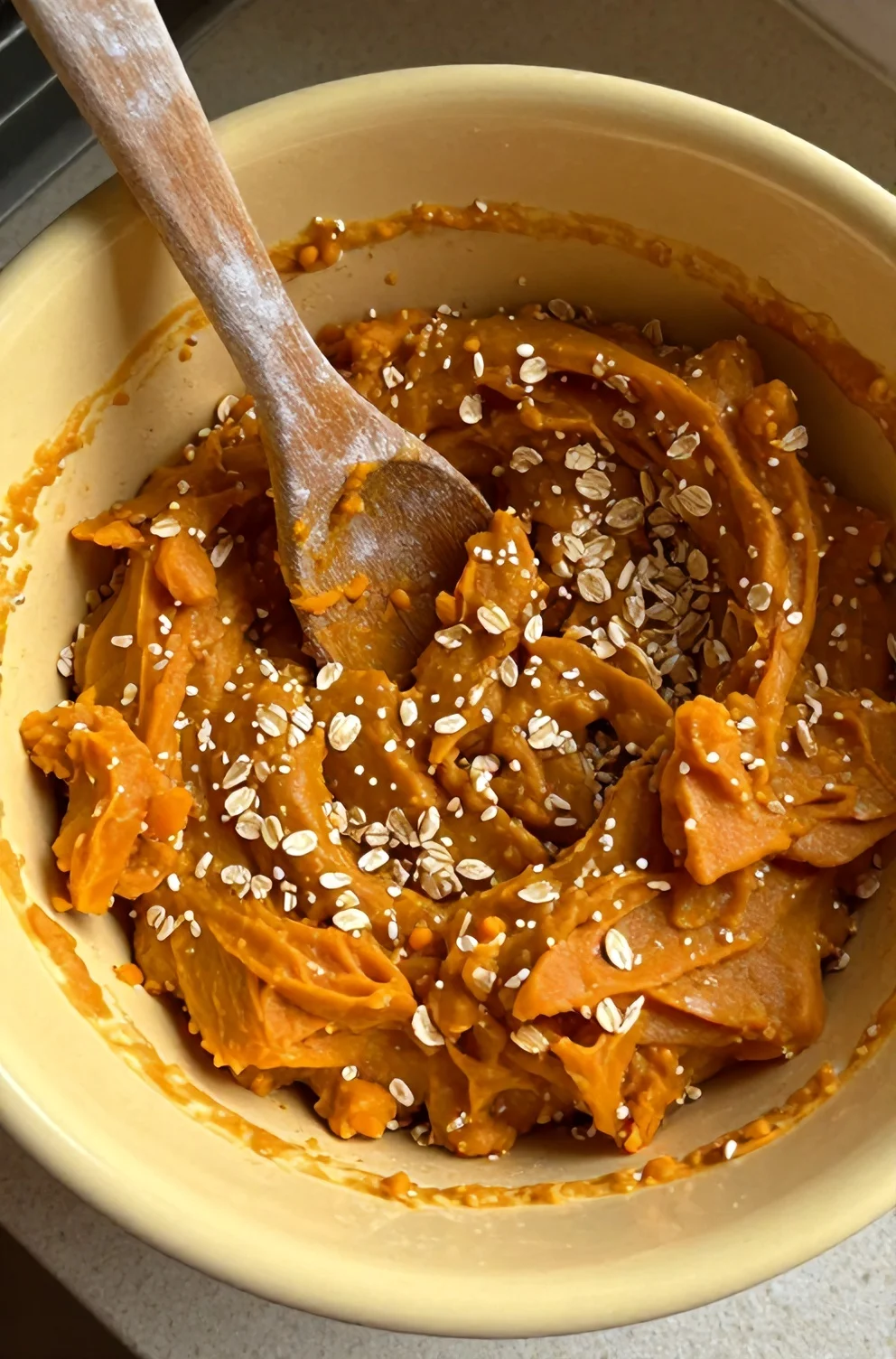
In a large mixing bowl, combine one cup of pure sweet potato puree with the freshly ground oat flour. Stir with a sturdy wooden spoon or silicone spatula, incorporating the flour into the puree until a shaggy dough forms. If the sweet potato dough feels crumbly because the puree is dense, add one tablespoon of lukewarm water at a time until the mixture comes together.
The finished dough should feel pliable and slightly tacky without sticking to your fingers. Knead the mixture inside the bowl for approximately one minute, pressing loose crumbs into the center. If the dough feels overly sticky, dust in an additional tablespoon of oat flour until it handles cleanly.
Step 3: Rolling and Cutting Fun Shapes
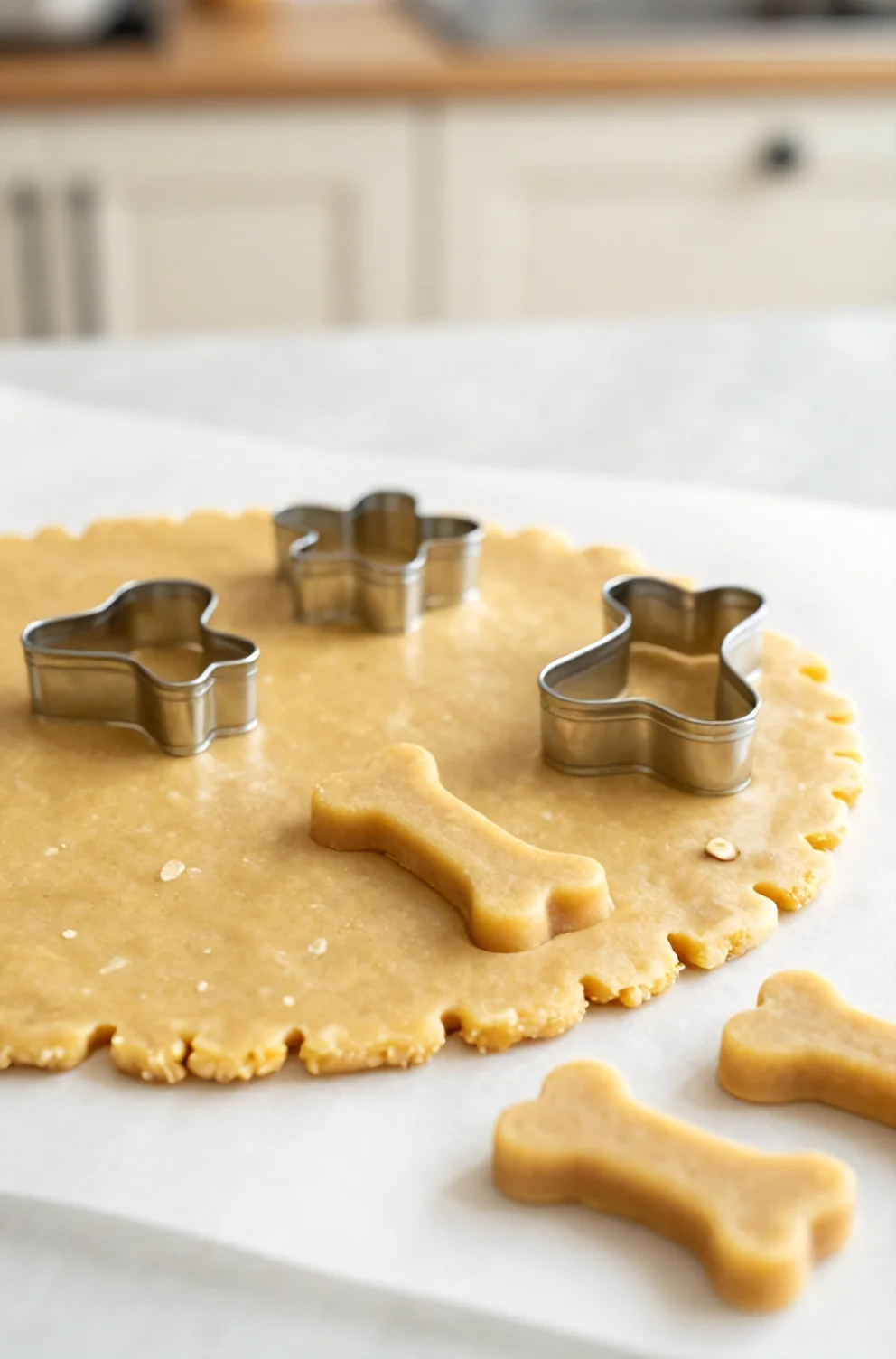
Lightly dust a clean countertop or silicone baking mat with oat flour and place the dough ball in the center. Flatten the dough with your hands, then roll it evenly to a quarter-inch thickness. Maintaining uniform thickness across the slab ensures every piece bakes evenly without thin edges overbrowning.
Press a dog bone cookie cutter into the dough and transfer the cutouts onto your prepared baking sheet using a thin spatula. If you want to save time, cutting dog cookies into one-inch squares with a pizza cutter speeds up preparation and avoids leftover dough scraps. Arrange the biscuits half an inch apart on the sheet, as oat dough maintains its shape without spreading during baking.
Step 4: Baking to the Perfect Crunch
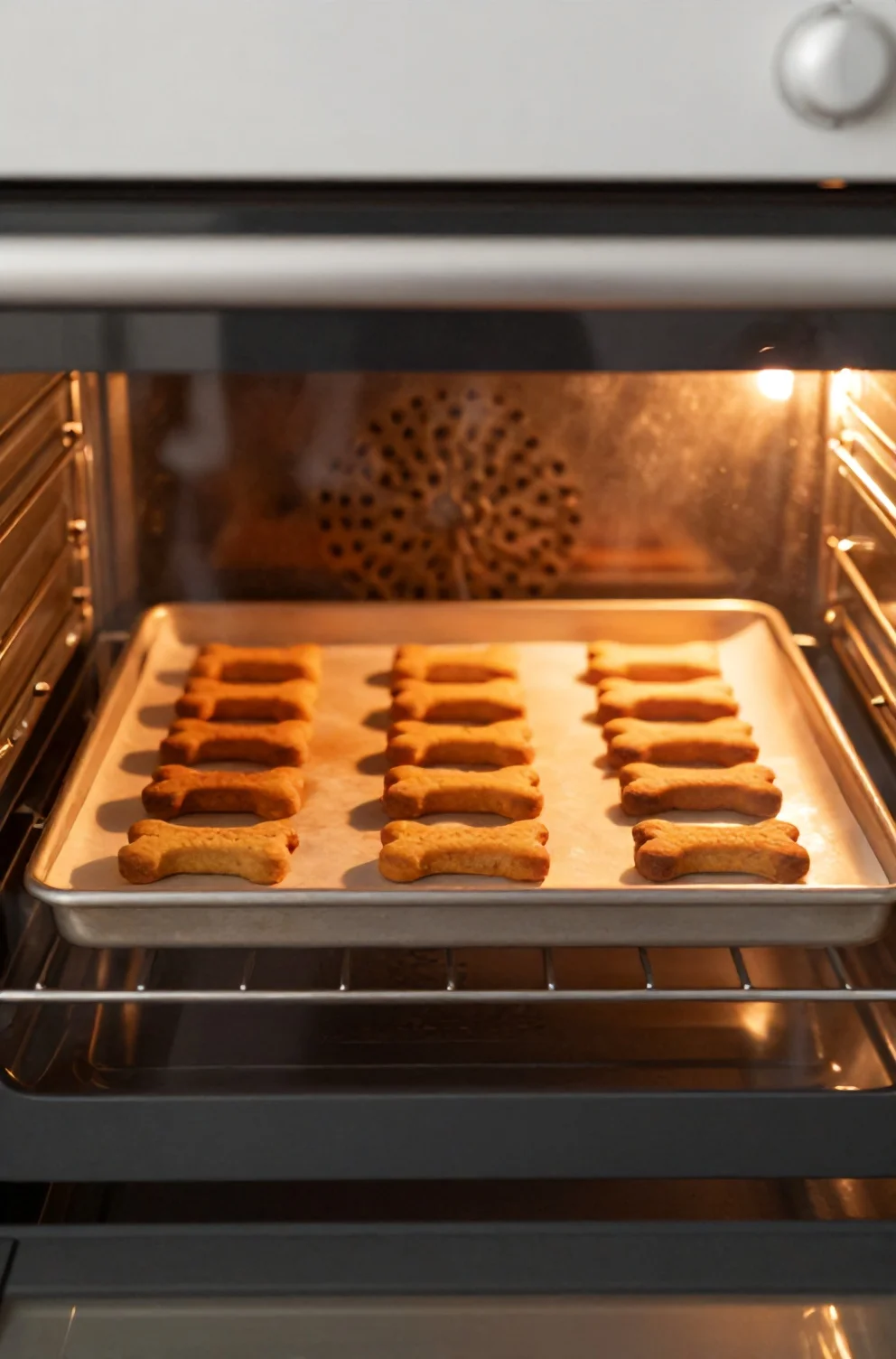
Place the baking sheet on the center rack of your preheated 350°F (175°C) oven. The optimal dog treat baking time depends on the texture your dog prefers. For senior dogs or pets with sensitive teeth needing a softer chew, bake the biscuits for 20 to 25 minutes until the bottoms turn golden while the centers stay slightly tender.
To bake crunchy biscuits that support dental hygiene, extend the baking time to 35 minutes. Turn off the oven and leave the sheet inside with the door propped slightly open for an additional 30 minutes. This slow dehydration step creates a crisp snap without charring the sweet potato.
Proper Storage to Maximize Freshness
Allow the biscuits to cool completely on a wire rack for at least one hour before storing. Trapped residual heat creates condensation inside containers, introducing moisture that leads to mold growth on preservative-free treats. Once cooled, selecting the appropriate storage method depends on the moisture level of your batch.
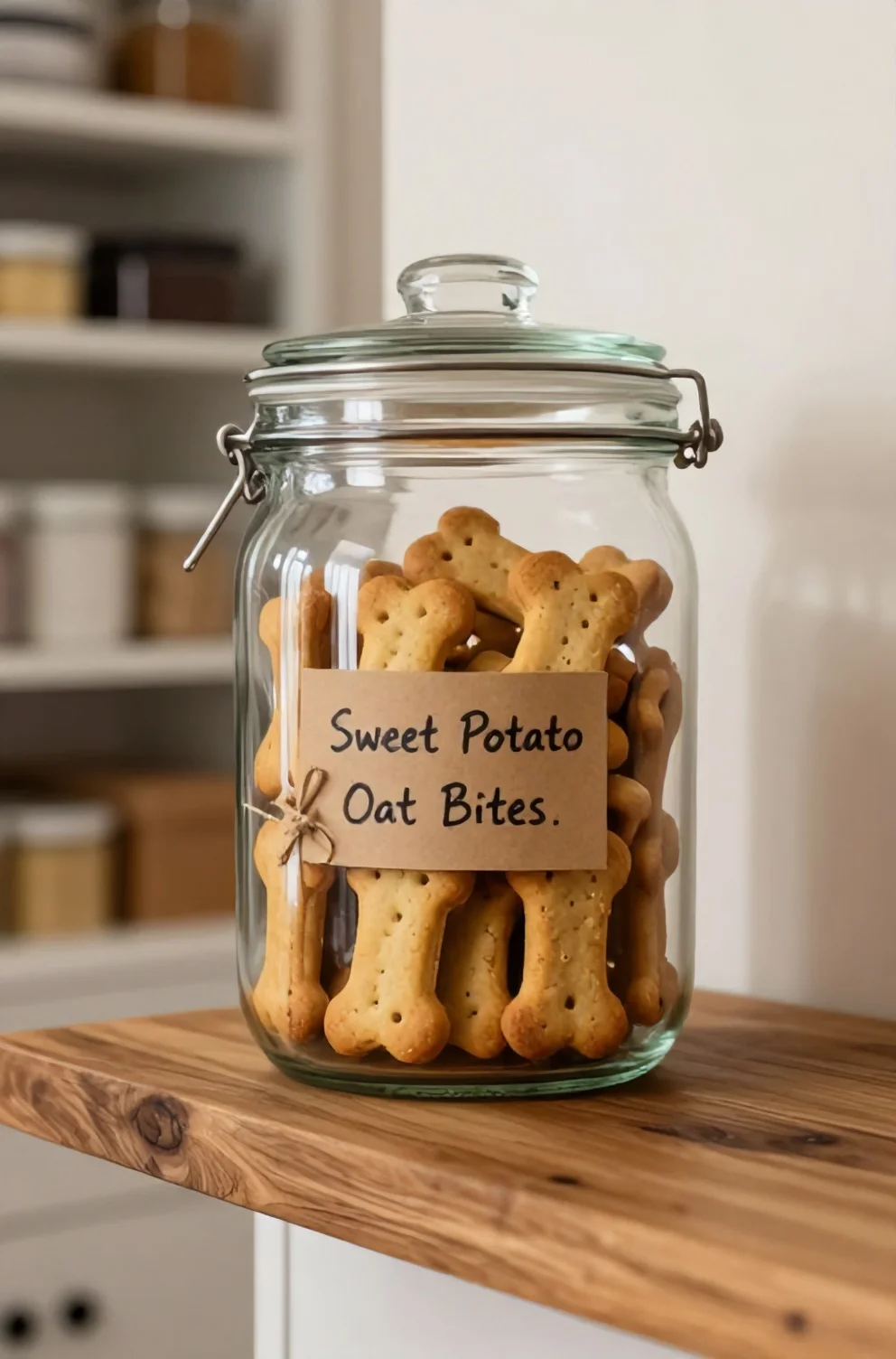
- Room temperature storage: Keep thoroughly dried, crisp biscuits in an airtight glass jar for up to two weeks in a cool, dry pantry. Softer, chewy treats should be consumed within three to four days if kept at room temperature.
- Refrigerator storage: Keep soft or chewy batches in an airtight glass container lined with a paper towel for seven to ten days.
- Freezer storage: Store extra batches in heavy-duty freezer bags for up to three months, thawing individual portions at room temperature for 15 minutes before serving.
Consistent habits for storing homemade dog treats protect your investment of time and ensure your dog receives wholesome snacks without risk of mold or spoilage.
Frequently Asked Questions (FAQ)
Making treats at home gives you complete control over every ingredient, providing reassurance when managing food intolerances. Pet owners frequently ask about safe ingredient substitutions, texture adjustments, and storage timelines when tailoring recipes to avoid poultry and egg allergens.
Clear guidelines for substitutions and storage make it easy to adapt the recipe to your dog's individual needs while keeping every batch wholesome and safe.
Can I add peanut butter to this recipe?
You can easily mix a spoonful of peanut butter into the dough for extra flavor. When making peanut butter dog treats, check the ingredient label carefully to ensure you use a xylitol-free spread made solely from peanuts and optional salt. Artificial sweeteners like xylitol (often listed as birch sugar) are toxic to dogs, so single-ingredient options from stores like Trader Joe's or Target keep the recipe safe.
Because natural peanut butter adds oils to the dough, stir in one to two extra tablespoons of oat flour to maintain proper dough consistency. Dusting your work surface lightly with oat flour prevents sticking and helps cutouts release cleanly before baking.
How long do these egg-free treats last?
Preservative-free dog biscuits behave much like fresh bakery goods. Managing homemade dog treat shelf life depends primarily on moisture level, baking time, and room temperature.
| Storage Method | Target Duration | Best Practice |
|---|---|---|
| Sealed Pantry Jar | 3 to 4 Days | Store away from direct stove heat. |
| Airtight Chiller Tub | 7 to 10 Days | Line the base with parchment paper. |
| Heavy-Duty Freezer Bag | Up to 3 Months | Separate layers to prevent frost binding. |
When using treats stored in the freezer, thaw individual biscuits at room temperature for 15 minutes before serving. Inspect stored batches periodically and discard any pieces showing signs of moisture accumulation or mold.