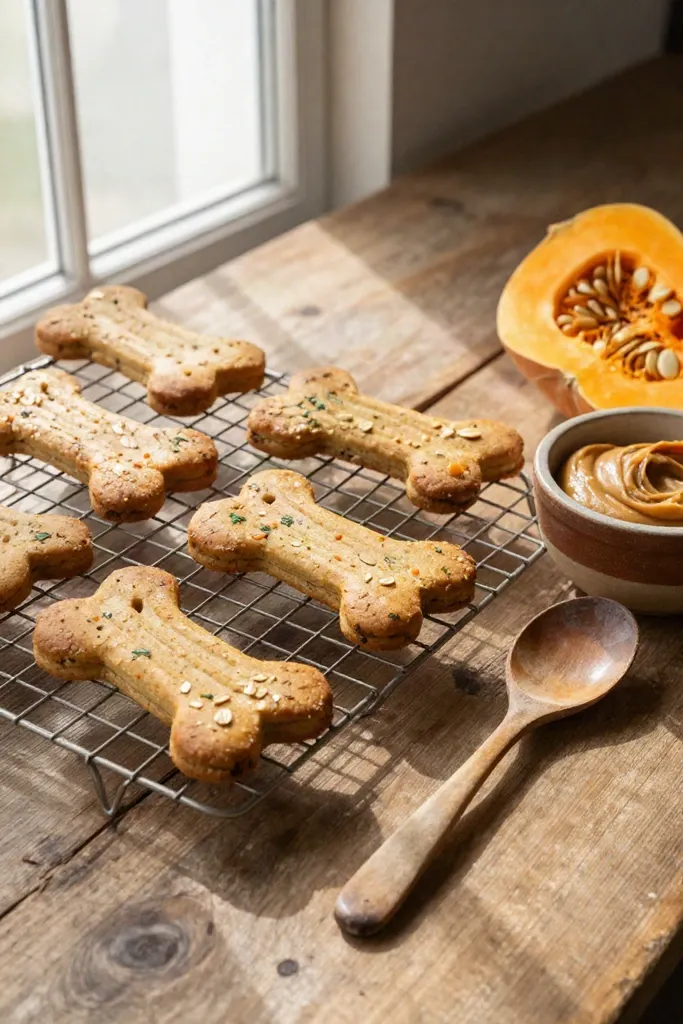
Introduction: The Rise of Wholesome Homemade Dog Treats
More pet parents are stepping away from mystery-ingredient biscuit aisles and heading straight to their kitchen counters. When you bake snacks from scratch, you gain full ingredient transparency, eliminating the artificial preservatives and hidden fillers common in commercial bags. Knowing every single item that lands in the mixing bowl gives you peace of mind, especially if you manage a dog with sensitive digestion or strict dietary boundaries. Baking these biscuits turns simple pantry staples into a reliable daily reward with known ingredients.
Why Choose Sweet Potato, Oats, and Peanut Butter?
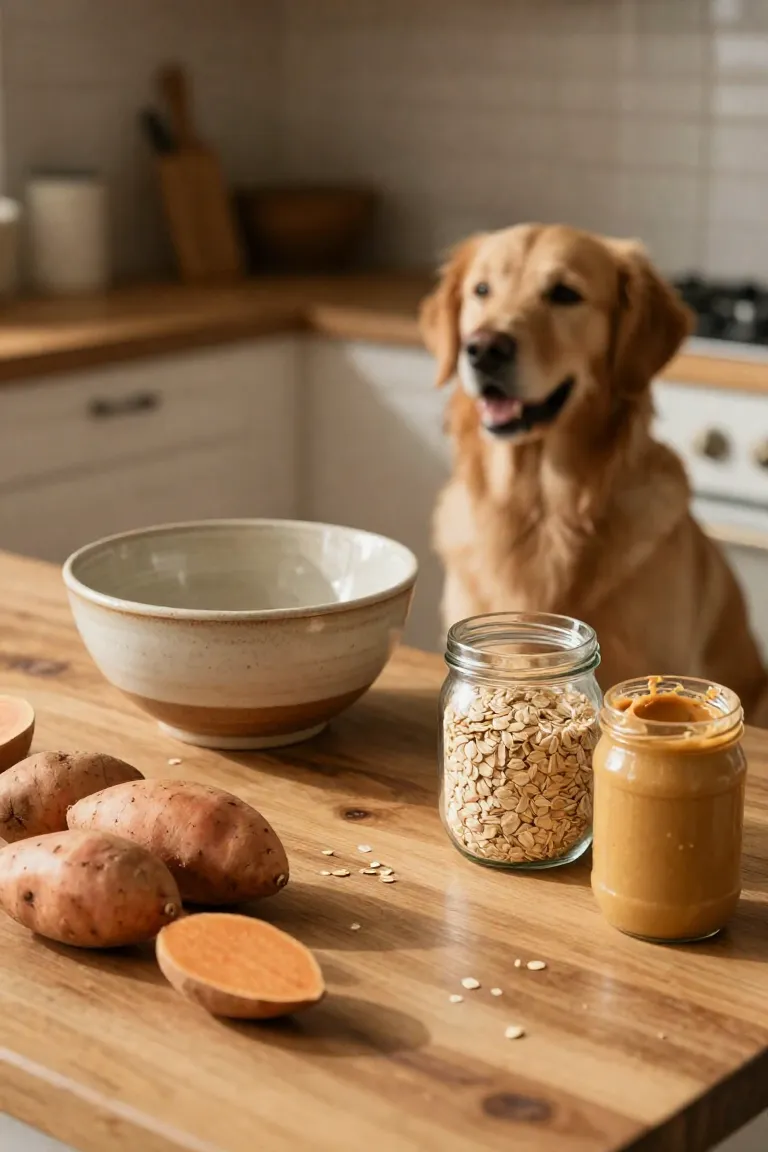
Combining simple kitchen staples allows you to control exactly what enters your dog's bowl while delivering a texture that bakes into a satisfying crunch. These three components provide natural moisture and gentle fiber, making dough easy to handle on your counter while creating treats your pet will eagerly anticipate.
- The starchy puree binds the grains, which eliminates the need for extra oils.
- A nutty aroma masks the mild root base to tempt selective eaters straight from the oven.
- Clean energy and gentle fiber digest comfortably in everyday diets.
Understanding the Health Benefits of Each Ingredient
While your dog only cares about the rich aroma and satisfying crunch, what happens after snack time matters just as much. Treats do more than reward good behavior during training sessions; they act as small daily supplements that supply essential micronutrients. When you bake with whole pantry staples, every bite delivers active vitamins and minerals that support canine muscle tone and coat luster without mystery additives.
Each raw component in this recipe carries a specific functional purpose for your dog's body. Standard commercial treats often rely on refined starches and artificial preservatives that add calories without real nutritional value. In contrast, unrefined kitchen staples supply bioavailable vitamins and clean fats that work together to maintain steady energy levels and a calm stomach.
Sweet Potato: A Digestive Superfood for Dogs
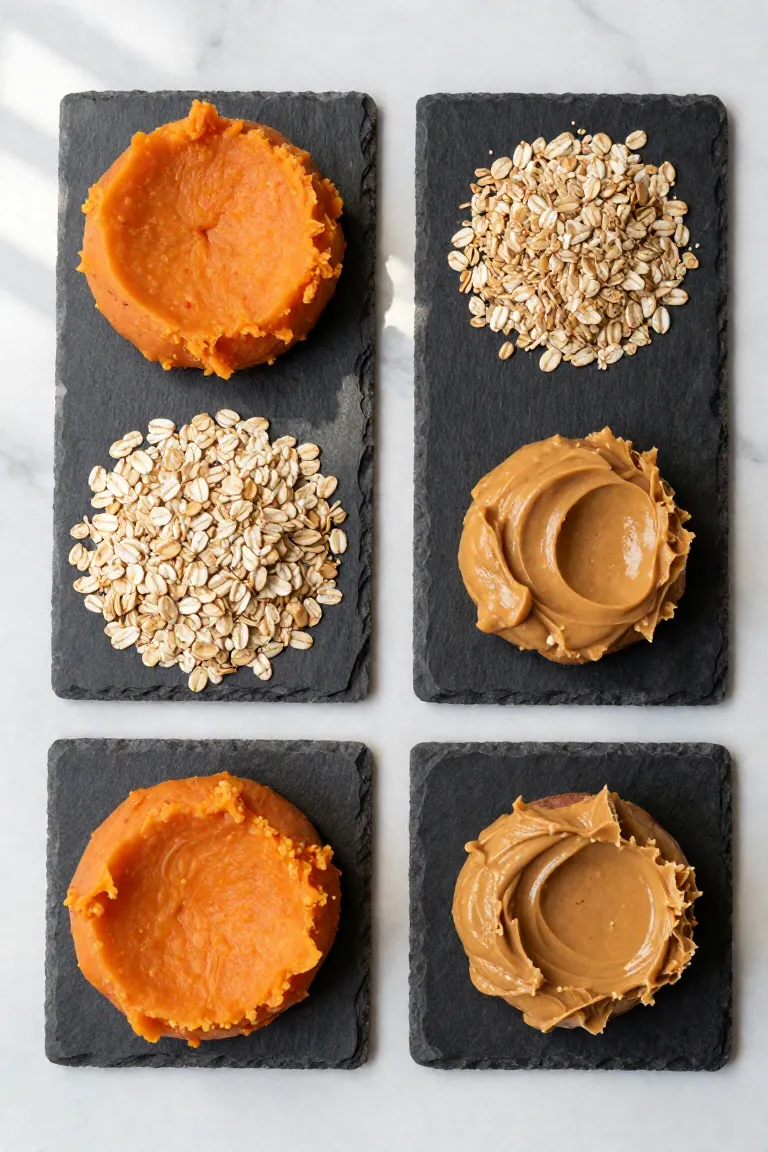
This orange root vegetable anchors the dough by supplying generous amounts of soluble dietary fiber to soothe gut irritation and regulate daily bowel movements. Because the cooked flesh breaks down gently in the stomach, it acts as an effective prebiotic that nourishes beneficial gut flora. Your pup absorbs water-soluble nutrients with minimal metabolic effort, which keeps energy levels even throughout an active afternoon.
A rich concentration of beta-carotene converts directly into vitamin A, helping to shield dry skin from flaking and encouraging a glossy coat. Alongside vitamins C and B6, these antioxidants combat cellular oxidation and support normal immune responses through seasonal coat sheds.

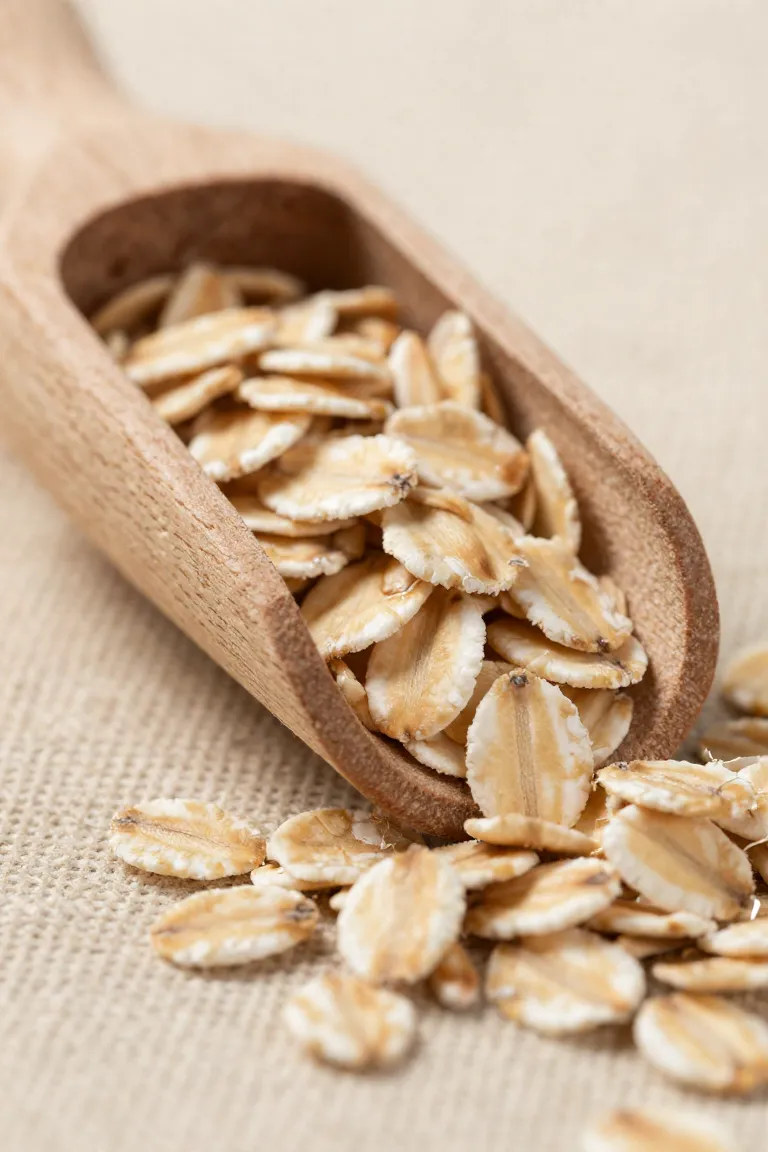
Rolled Oats: Hearty, Gluten-Free Energy
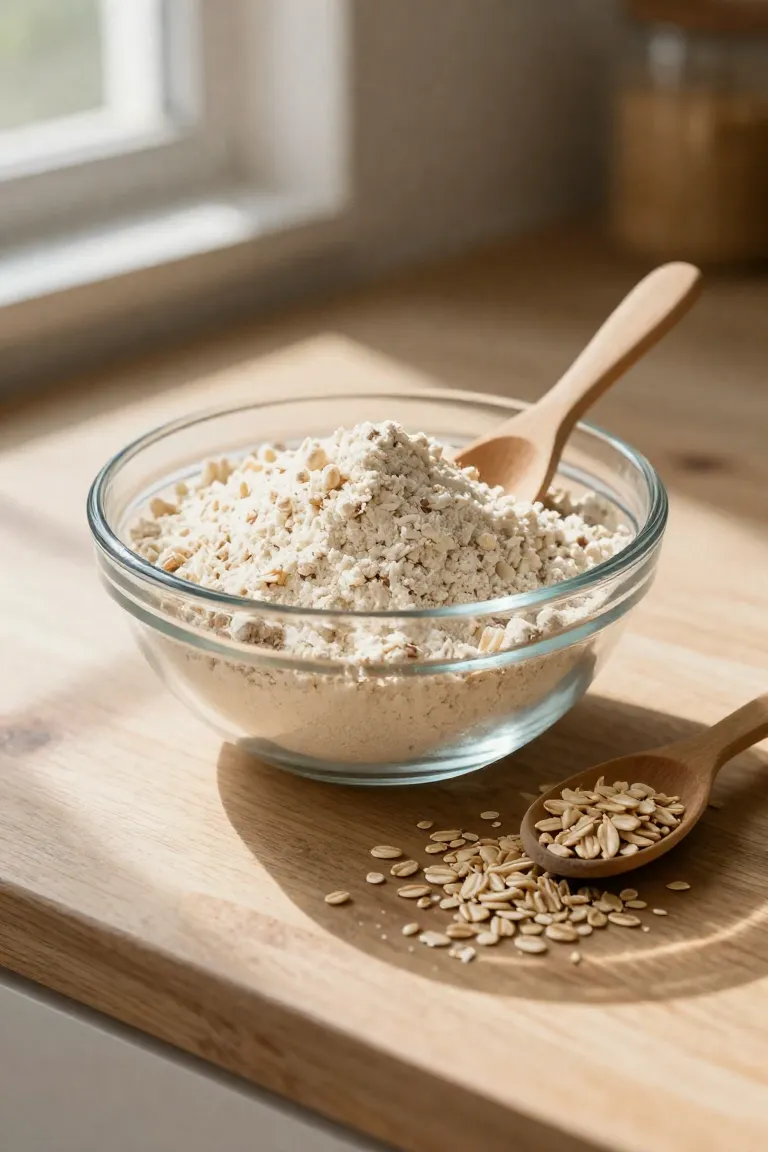
Swapping out traditional wheat flour keeps the biscuit dough gentle on sensitive canine stomachs while supplying slow-burning fuel for active days. Because dogs break down these complex carbohydrates gradually, your pup enjoys steady stamina without the sharp blood sugar spikes caused by refined fillers. The soluble fiber inside rolled oats, particularly beta-glucan, creates a mild protective layer along the intestinal tract to calm loose stools and support balanced digestion. Pulsing the flakes into a rustic flour gives your dough a firm texture that binds well with richer ingredients without requiring commercial gums or artificial stabilizers.
Peanut Butter: Protein and Healthy Fats
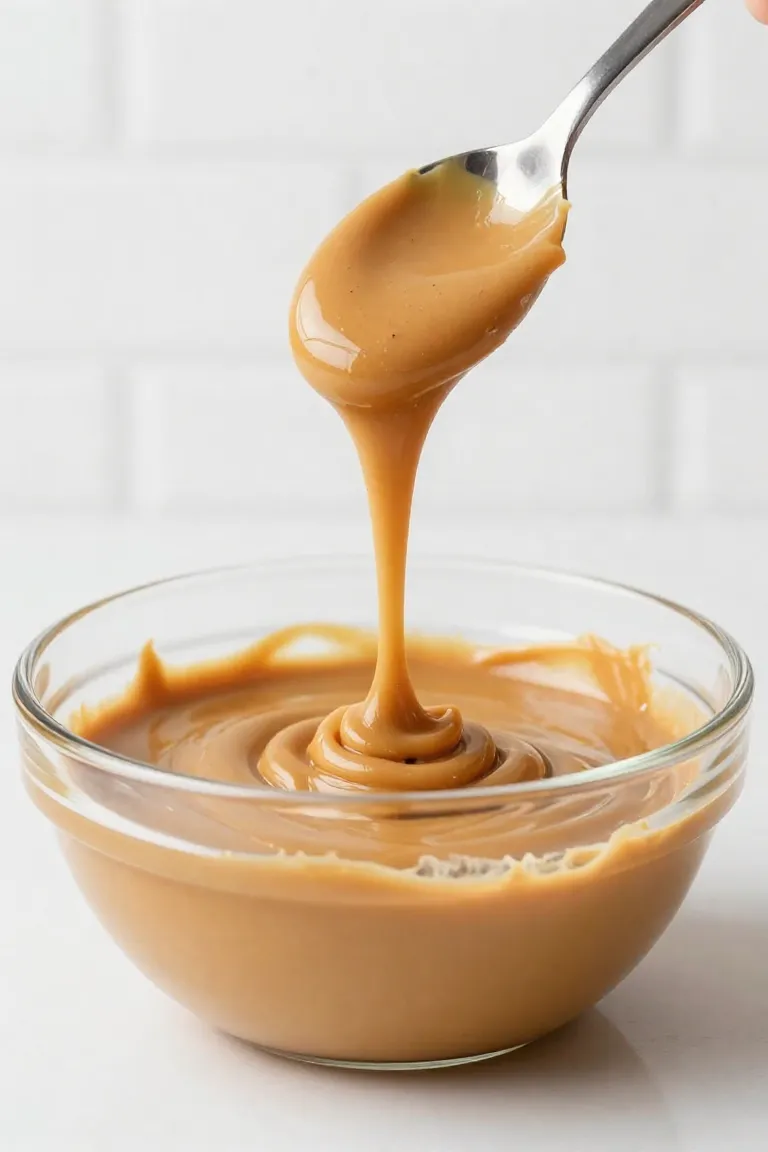
Stirring a thick, unsalted nut spread into the mixture supplies concentrated plant-based amino acids that repair muscle tissue after long walks. Monounsaturated dietary lipids in the paste cushion developing joints and nourish the lipid barrier of your dog's skin to prevent dry, flaky patches under seasonal shedding. These natural oils also bind dry oats and root puree into a pliable dough while giving each baked biscuit an enticing roasted aroma dogs recognize instantly.
A strict rule for your shopping list is reading the jar label to ensure it contains nothing beyond roasted nuts. Some manufacturers sweeten creamy spreads with xylitol, a birch bark extract that triggers severe hypoglycemia and acute liver damage in canines even in tiny amounts. Checking that your pantry jar remains free of added salt or synthetic sweeteners keeps every baked reward safe.
Essential Equipment for Baking Homemade Dog Cookies
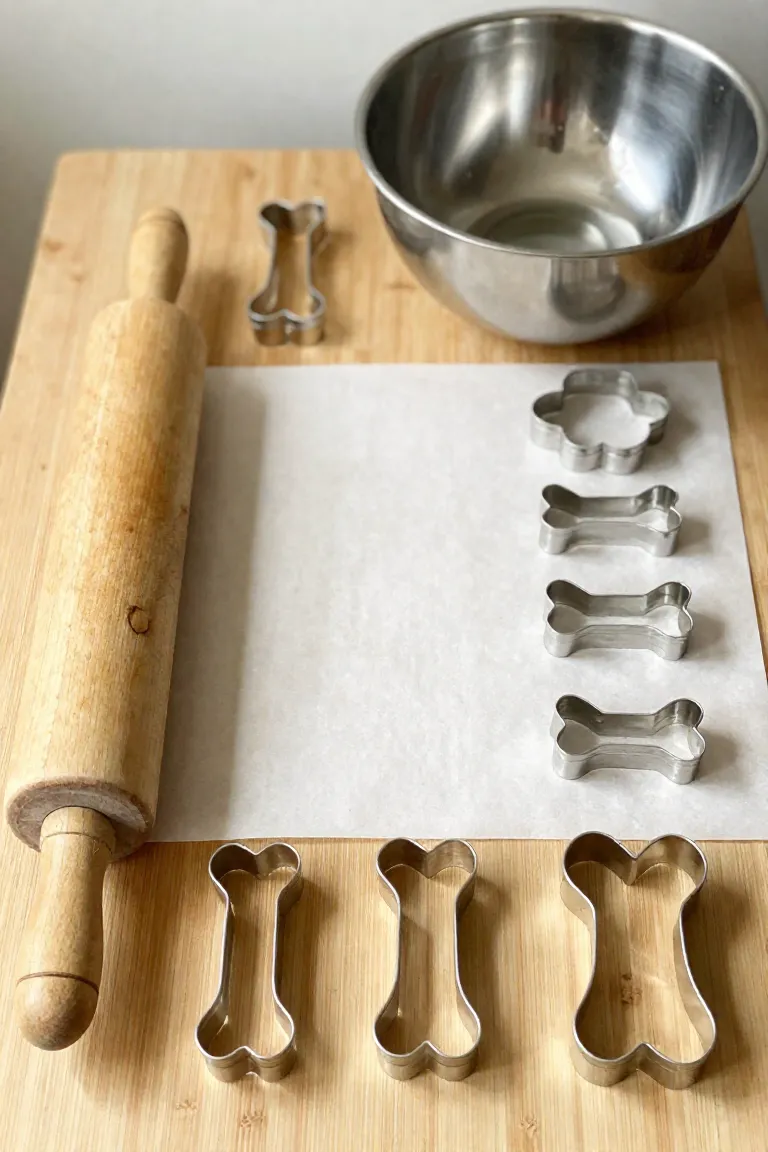
You likely have everything ready in your kitchen drawers right now without needing specialized pet gadgets. Everyday cookware handles the dense texture of root vegetables and pure oats comfortably, keeping prep work straightforward from start to finish.
- A sturdy fork or potato masher to break down cooked tubers into a smooth puree.
- A large mixing bowl paired with a wooden spoon for blending heavy wet and dry ingredients.
- A rolling pin and standard parchment paper alongside a basic cookie cutter to portion out clean shapes before baking.
Step-by-Step Guide to Baking Sweet Potato Oat Dog Cookies
Once you have your tools arranged on the kitchen counter, bringing these three wholesome ingredients together feels refreshingly simple. You don't need professional pastry skills to turn nutrient-dense staples into crunchy biscuits your pup will eagerly wait for, and the natural aroma of roasted tubers and warm nutty butter makes your kitchen feel cozy. Moving through the process in distinct phases helps you manage moisture levels accurately while keeping cleanup down to a single bowl and sheet pan. The process begins by transforming whole roots into an easily workable base.

Step 1: Prepping and Mashing the Sweet Potatoes
A thorough rinse under cold water followed by several fork pricks across the skin prepares the roots for even heat distribution, whether you bake or steam them. Roasting whole sweet potatoes on a lined baking sheet at 400°F (200°C) for forty-five minutes concentrates their natural flavor, whereas peeling and steaming them in cubes for fifteen minutes offers a faster route with higher moisture retention. Once the flesh turns fork-tender, let the pieces rest until comfortable to handle and excess steam escapes. Press the warm pulp against the bottom of a wide bowl using a sturdy potato masher or the back of a heavy fork, breaking down every fibrous pocket until you achieve a uniform puree ready to combine with your dry ingredients.
Step 2: Mixing the Dough to the Perfect Consistency
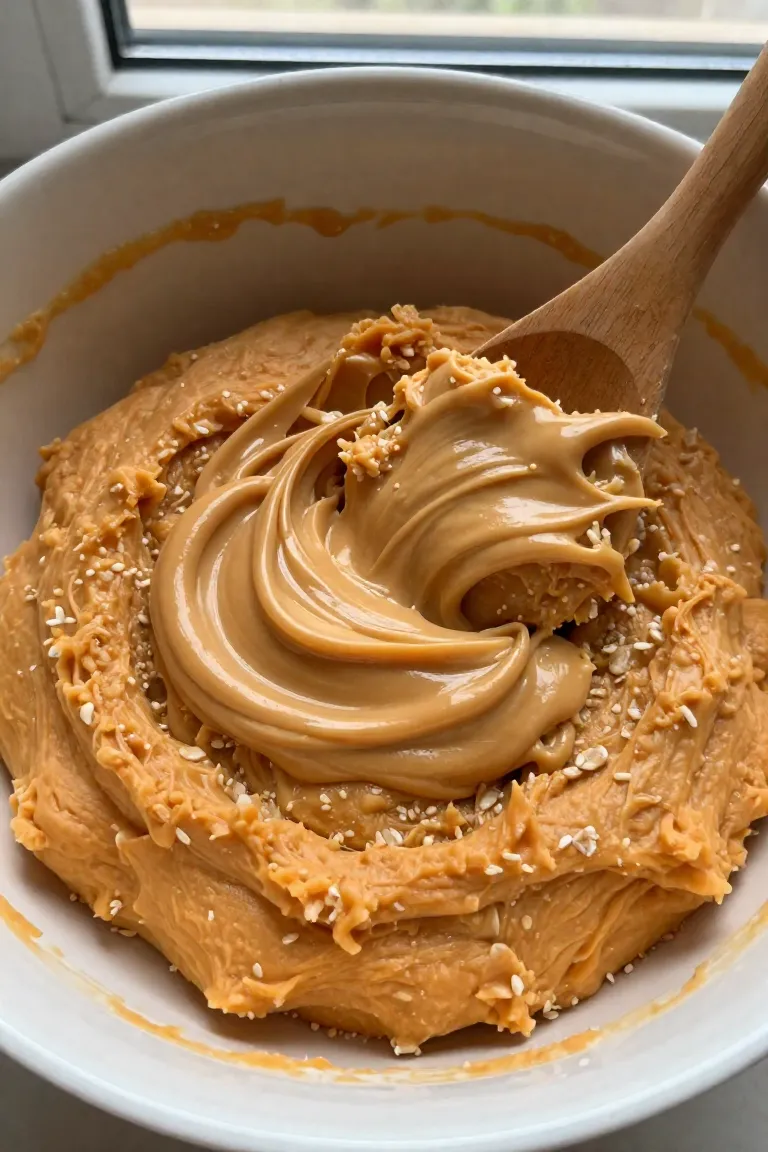
Pour the warm puree into a spacious bowl and stir in your dog-safe peanut butter until the mixture turns evenly blended. Once those wet components meld together, gradually fold in the rolled oats with a sturdy wooden spoon. You want the oats to absorb the moisture steadily rather than dumping them all at once, which can leave dry pockets at the bottom of the bowl. As the spoon meets resistance, switch to your hands and press the mixture into a compact ball that holds together without crumbling apart.
A properly balanced batch feels pliable like chilled modeling clay, firm enough to hold its shape without clinging to your fingers. If the mass feels tacky and leaves wet residue on your skin, work in an extra tablespoon of whole oats at a time until it smooths out. When the mixture seems crumbly or fractures under light pressure, you just need to sprinkle in a teaspoon of warm water or a dab of peanut butter to restore proper moisture balance. Once the dough feels cohesive, it rests easily on your counter and stands ready for the rolling pin.
Step 3: Rolling, Cutting, and Baking
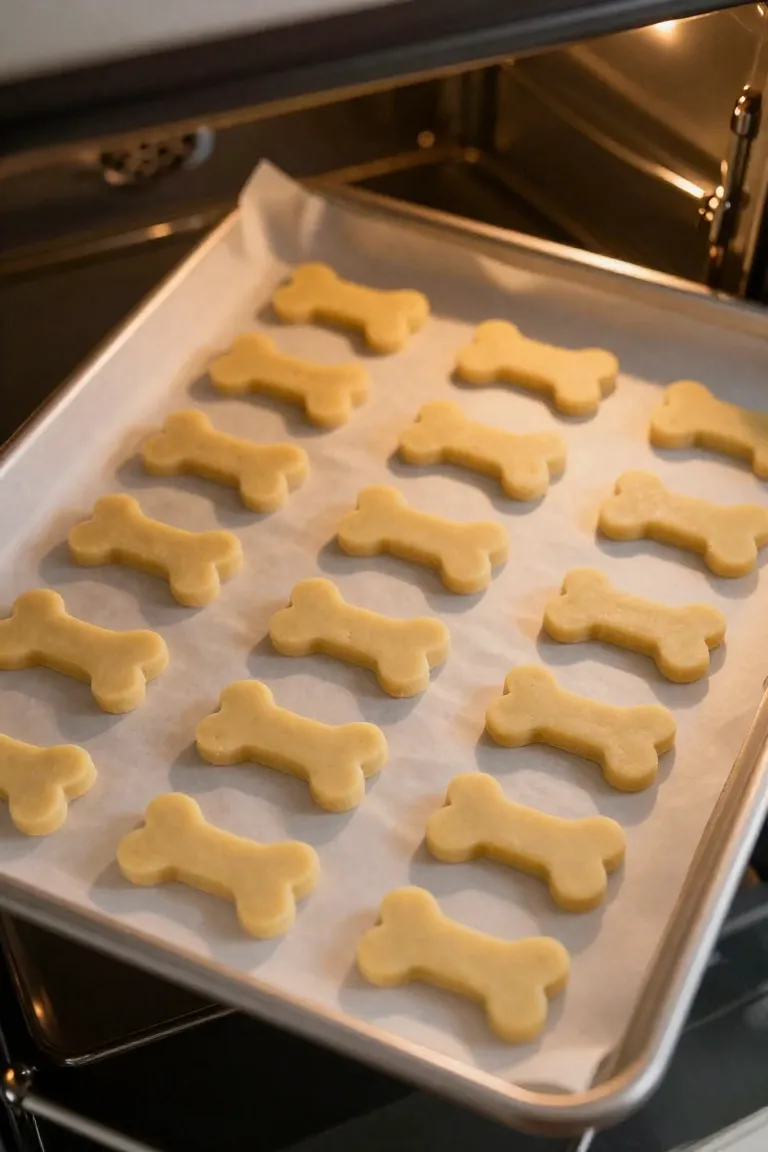
Dust a clean work surface with extra oat flour, flattening your dough evenly to a quarter-inch profile so your snacks dry thoroughly into a satisfying crunch. Press a classic bone-shaped cutter firmly into the sheet, arranging each piece across a lined tray with small gaps since the mixture holds its form without expanding. Slide the tray into an oven preheated to 350°F (175°C) for twenty-five to thirty minutes until the undersides take on a gentle golden hue and the centers turn firm to the touch. Leaving the hot biscuits inside the turned-off oven with the door cracked slightly pulls out any remaining moisture, giving every biscuit a firm snap as the batch cools to room temperature.
Important Safety and Storage Tips
Once your biscuits cool completely, handling them with care keeps your dog safe and prevents premature spoilage. Commercial snacks stay stable on pantry shelves for months because industrial brands pack them with synthetic chemicals and humectants. Your oven-baked treats rely on real food, which means they carry zero artificial preservatives to hold off mold or bacterial growth. Any residual warmth trapped inside an airtight container quickly creates condensation, which will ruin the crisp texture you worked hard to achieve.
A quick inspection before each serving gives you peace of mind while protecting your dog's sensitive stomach. Always double-check that your peanut butter contains no trace of xylitol or birch bark sweetener, since even tiny doses cause severe toxicity in dogs. If you ever notice soft spots or an off smell in the batch, discard the batch immediately to keep treat time safe.
How to Store Fresh Dog Treats for Maximum Shelf Life
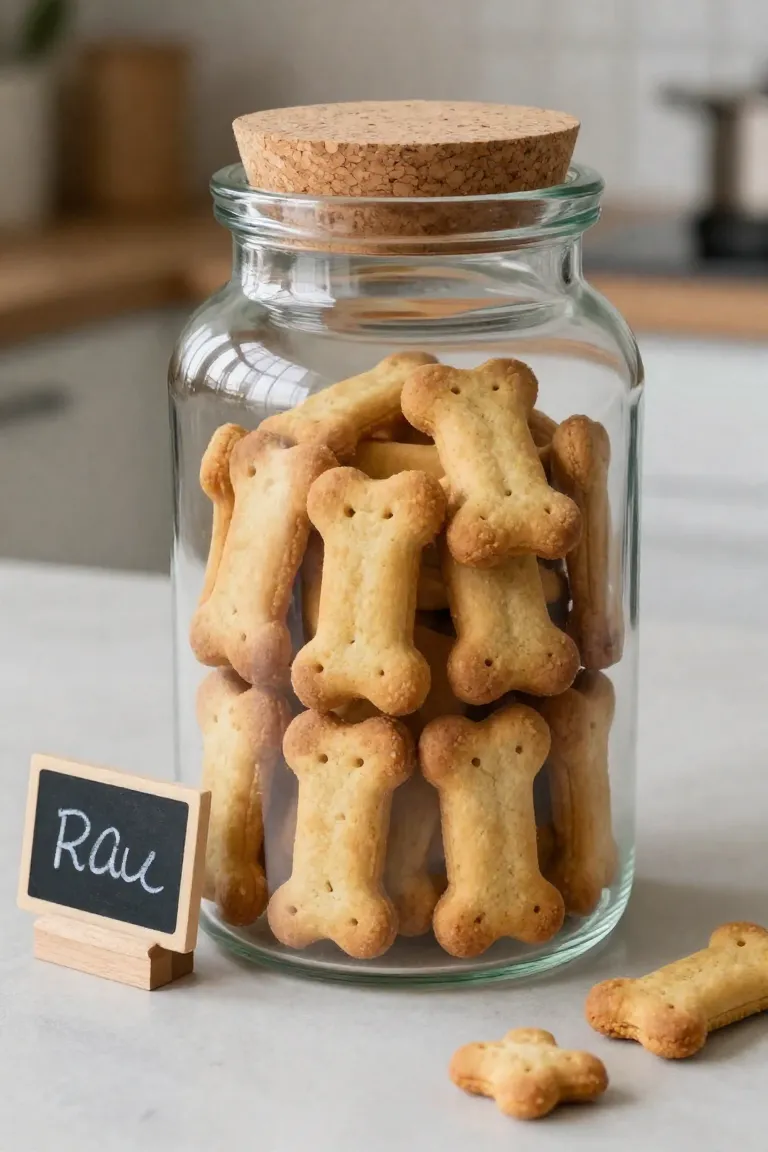
Once the baked cookies cool completely on a wire rack, keeping moisture and air away is your main focus. Proper containment preserves both the crunchy texture and the natural aroma of sweet potato and peanut butter, giving you several reliable options depending on how quickly your pup goes through snacks.
- Countertop storage: Place the cooled cookies in a sealed glass jar or airtight container. They keep their dry snap for five to seven days in a cool cupboard away from direct sunlight.
- Refrigerator storage: Tuck the container into the fridge if you want to stretch the batch up to three weeks. Cold storage prevents the natural oils in peanut butter from turning stale.
- Freezer storage: Stack extra batches in a freezer-safe bag with parchment paper between layers for up to four months. Set a single cookie on the kitchen counter for ten minutes to thaw before handing it to your pup.
Frequently Asked Questions (FAQ)
Adjusting portion sizes and ingredient swaps helps tailor these batches to your dog's specific dietary routine.
- Can you swap rolled oats for oat flour? Yes, an equal weight of store-bought or blended oat flour creates a smoother dough that rolls out evenly with crispier edges.
- Are these baked snacks safe for young puppies? Puppies over twelve weeks can enjoy small bite-sized pieces, provided their digestive systems tolerate solid food and peanut butter.
- How many treats can you feed your companion each day? Keep extras within ten percent of their daily caloric intake, which usually equals one medium biscuit for smaller dogs or two to three for larger breeds.