Introduction: Big Flavor in Tiny Bites
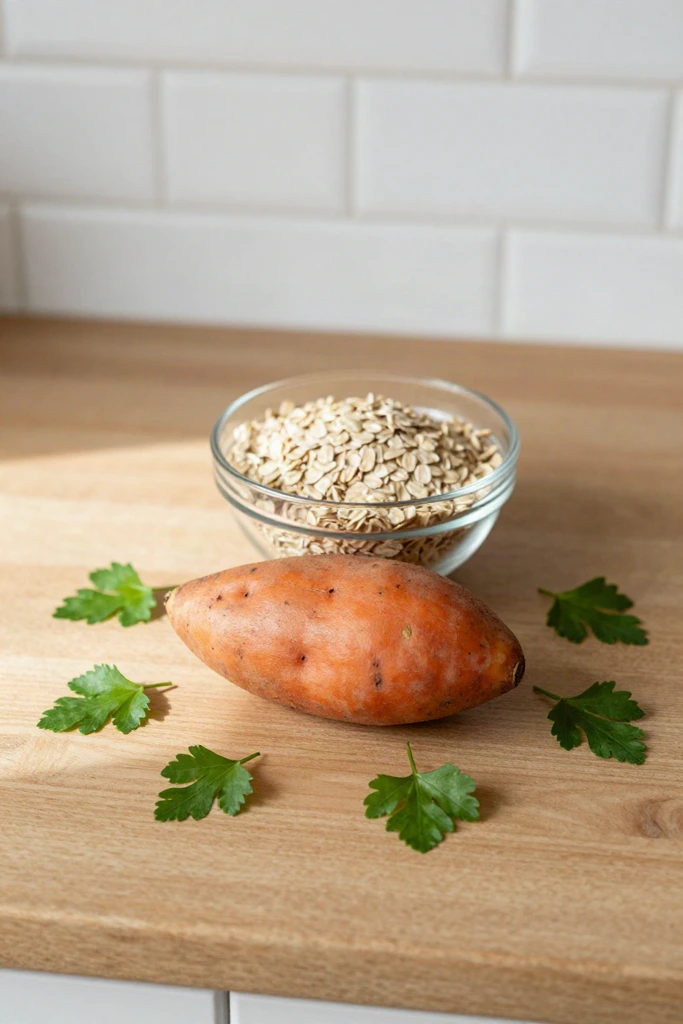
Baking homemade dog treats lets you turn simple pantry staples into satisfying rewards your pup genuinely enjoys. Sweet potato oat dog cookies deliver a naturally sweet aroma and satisfying snap, but standard bone cutters easily overwhelm petite pups. Scaling down to micro silicone cavities creates charming small breed treats with controlled daily portions that look bakery-fresh on your counter.
Why Mold Size Matters for Small Breeds
A biscuit scaled for a Golden Retriever poses immediate mechanical challenges when handed to a Pomeranian or Maltese. Toy breed safety hinges on matching canine oral anatomy with sensible dimensions, as narrow dental arches struggle to crush dense, thick-baked dough without risking tooth fractures or sudden airway blockages.
- Proper dog treat size allows rapid chewing and smooth swallowing without dry throat irritation.
- Intentional portion control keeps delicate digestive systems balanced between standard meals.
- Crisp micro bites yield cleanly under light jaw pressure instead of fragmenting into sharp shards.
1. Calorie Control for Toy Breeds
For a five-pound Yorkie or Chihuahua, a single conventional milk bone can easily represent thirty percent of their recommended daily caloric limit. Shifting your baking strategy toward micro-cavity molds transforms healthy sweet potato dough into reliable, low calorie dog treats that support steady canine weight management.
High-repetition obedience practice requires frequent marking without packing on unwanted weight before dinner. Using quarter-inch training treats ensures your pup receives enthusiastic positive reinforcement for every successful heel or sit, keeping focus sharp while protecting their delicate waistline balance.
2. Choking Hazards and Chewing Mechanics
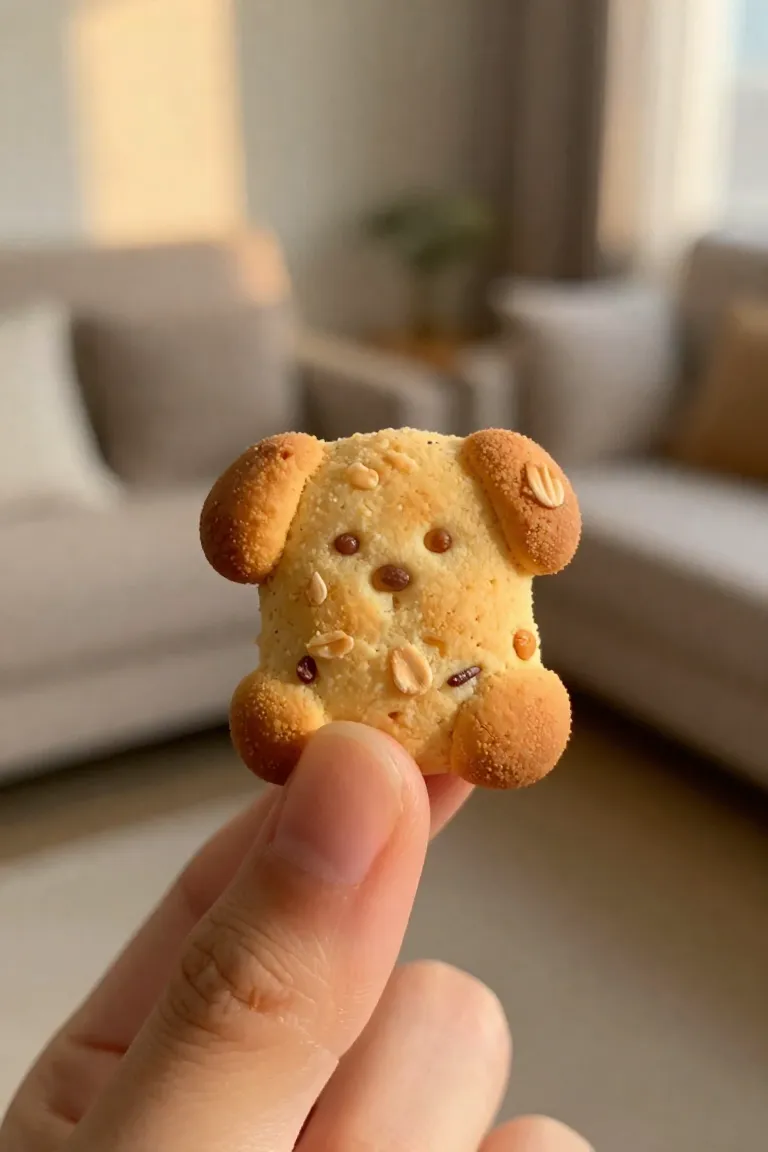
A brittle, oversized biscuit snaps into jagged shards under sharp puppy teeth, posing a sudden airway risk when swallowed in haste. Toy breeds like Chihuahuas and Yorkies have compact jaws with limited crushing surface, so they often gulp larger chunks whole rather than grinding them down. Baking safe dog treats that measure under a half-inch removes that danger, letting tiny jaws fracture each morsel with a single, clean bite.
Stylist Rule: Match treat thickness directly to small dog chewing habits so brittle edges crumble into dust instead of sharp splinters.
When you reduce the crumb profile to match their natural bite span, your dog processes each bite quickly during walks or training sessions. Dense starch from pureed sweet potato binds tightly with rolled oat flour, yielding a crisp, snap-apart texture that breaks down cleanly without lodging in a narrow throat.

The Best Molds and Cutters That Actually Work
Moving from basic hand-rolled balls to crisp silhouettes requires kitchen hardware designed specifically for dense, tacky doughs. Because sweet potato puree holds natural pectin and moisture, it clings aggressively to standard cookie stamps and dull metal edges. Upgrading your baking tools turns treat prep from a sticky frustration into an efficient, predictable routine.
Different materials interact with oat starch in distinct ways, dictating how clean your edges look once baked:
- Food-grade silicone treat molds offer non-stick flexibility, releasing baked shapes cleanly without tearing fine paw details.
- Tinplate and stainless steel dog biscuit cutters slice through chilled dough sheets to produce sharp geometric silhouettes.
- High-density polymer cutters prevent sticking when lightly dusted with fine oat starch prior to stamping.
The right surface material prevents ragged borders while locking in that photogenic, golden-amber crust your pup finds irresistible.
1. Micro-Dot Silicone Baking Mats
Baking uniform rewards for daily training does not mean stamping out dough pieces one by one for two hours. Inverting a textured pyramid pan directly onto a rimmed Nordic Ware half-sheet tray lets you produce 500 bite-sized morsels in a single thirty-minute bake cycle. Raised micro-cavities act like miniature cookie molds, allowing circulating oven heat to crisp each base evenly without hand-flipping.
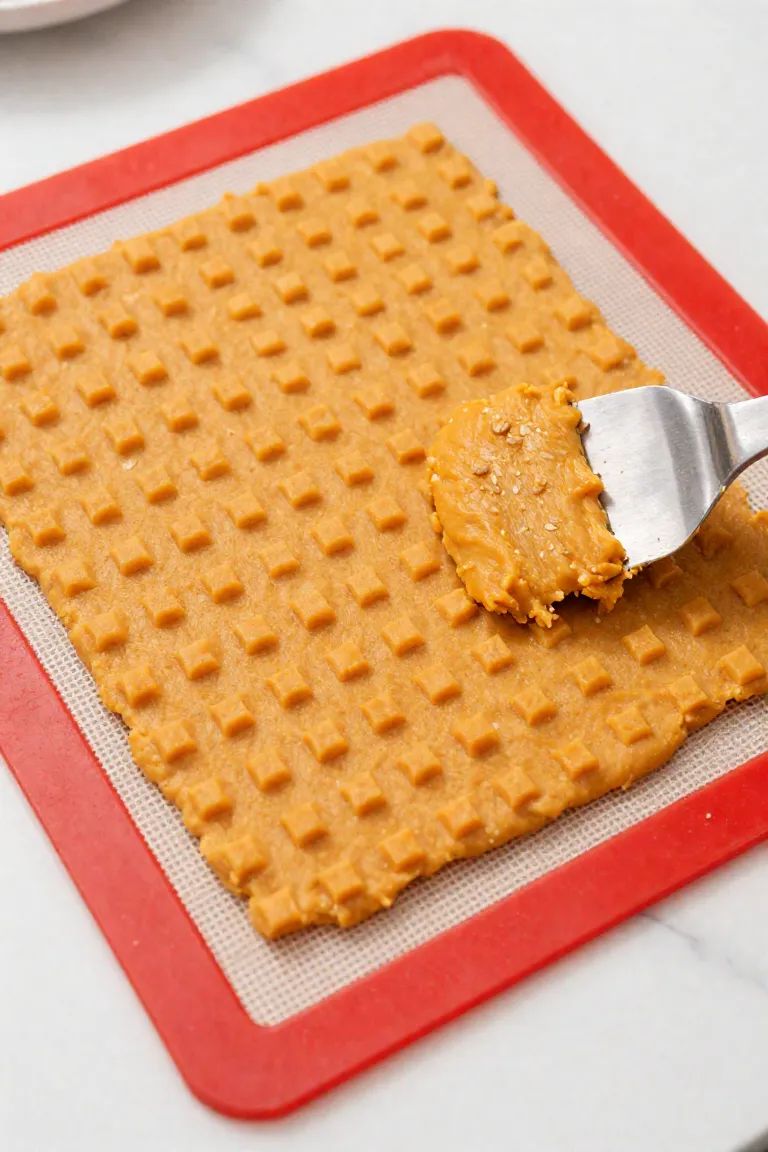
- Blend your cooked sweet potato and ground oat flour into a warm, spreadable paste with the consistency of thick natural peanut butter.
- Dollop the mixture across the silicone baking mat and firmly sweep a wide bench scraper across the surface to fill every pocket flush.
- Bake at 350°F until the tops pull away slightly, then invert the mat over parchment paper to turn out your batch of bulk dog treats.
These tidy geometric pyramids slide cleanly into treat pouches, offering a non-greasy pocket reward that will not crumble during agility runs or neighborhood walks.
2. Mini Paw and Bone Silicone Trays
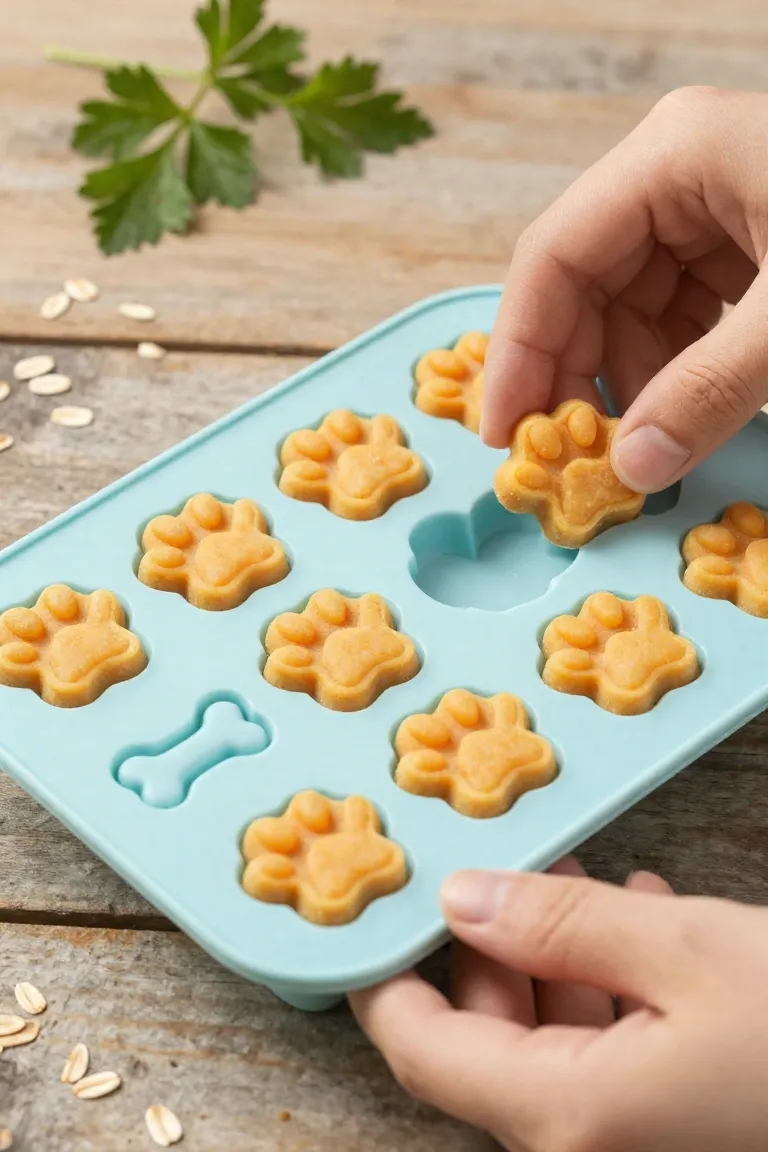
Miniature novelty cavities bring classic boutique bakery charm directly to your kitchen counter. Tiny indentations in a flexible paw print mold or mini bone mold produce instantly recognizable shapes that look polished lined up in glass pantry jars. Crisp definition with rolled oats relies on thorough compaction. Because pureed sweet potato binds with dense oat flakes, loosely spooned dough leaves hollow gaps around delicate toe pads or bone ridges.
A flat silicone spatula or the back of a measuring spoon lets you drive the mixture firmly into every crevice before baking. For pristine definition, chill the packed sheet in your refrigerator for ten minutes prior to sliding it into a 325°F oven, ensuring the crisp edges hold their silhouette upon cooling.
3. Teeny-Tiny Metal Fondant Cutters
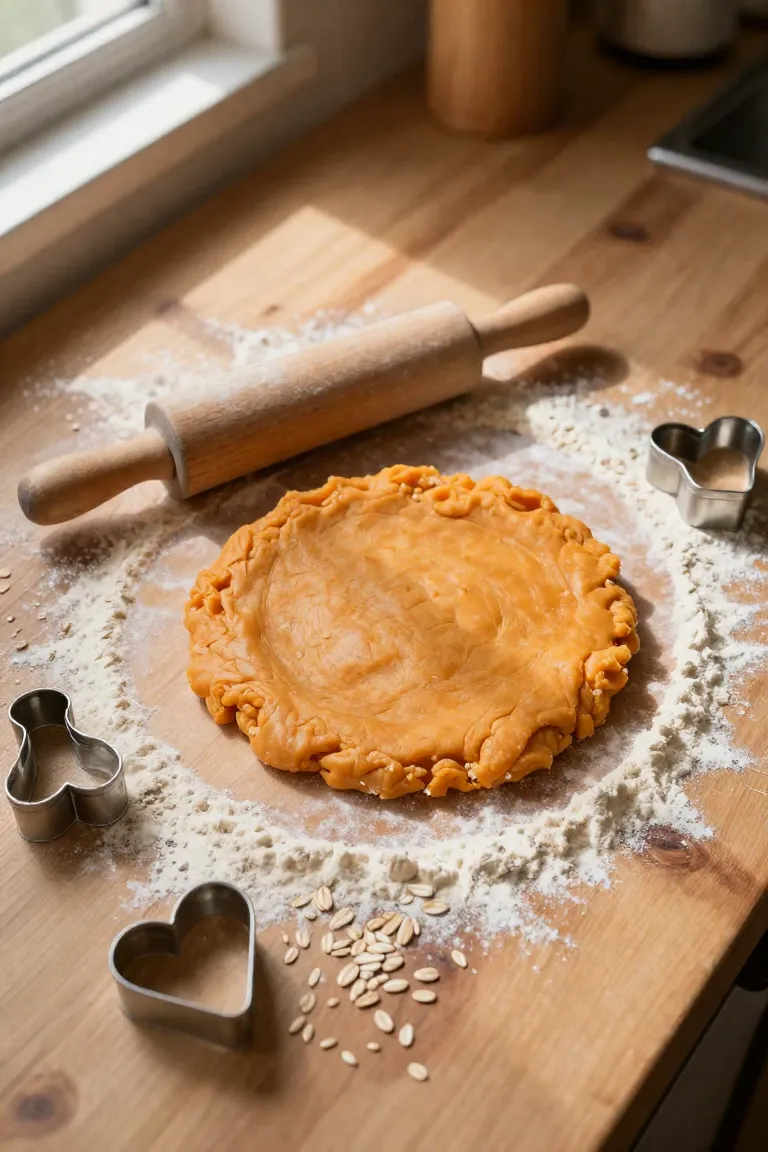
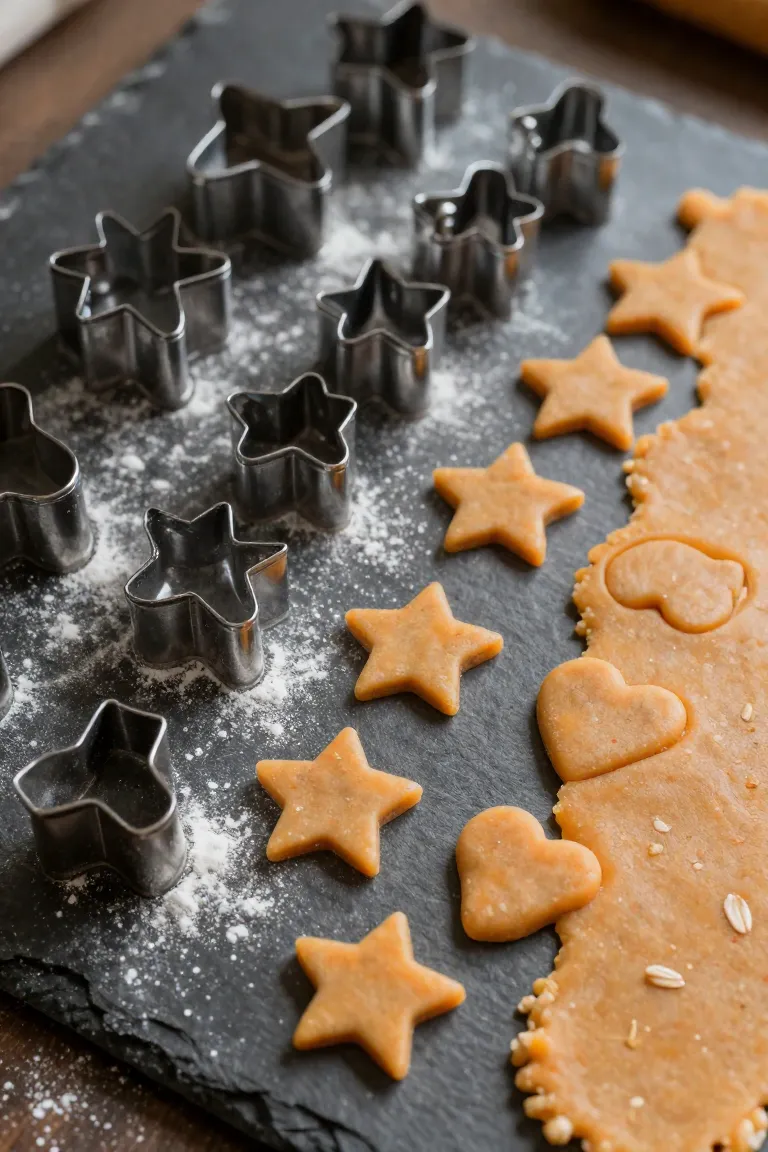
When you want crisp geometric silhouettes rather than molded dimensional drops, pastry tools from the cake-decorating aisle offer remarkable precision. Miniature stainless steel fondant cutters cleanly shear through stubborn rolled oat fibers that would otherwise snag and warp against dull plastic edges. Investing in sturdy metal cookie cutters ensures clean release and prevents sticky oats from dragging across your cutting board. Roll your sweet potato dough to a uniform quarter-inch thickness between sheets of unbleached parchment paper to produce bakery-grade, detailed dog treats in shapes like micro stars, teardrops, and half-inch hearts.
- Spring-loaded plunger models eject delicate cutouts directly onto your baking sheet without tearing soft dough borders.
- Dipping the cutting rims into arrowroot powder or extra oat flour prevents moisture buildup between stampings.
- Chilled dough cutouts maintain clean, sharp angles during baking without puffing or losing structural definition.
4. Custom 3D Printed Micro Cutters
Artisan makers on platforms like Etsy and local craft markets now produce specialty stamps tailored specifically to petite pet snacks. Sourcing bespoke 3D printed cookie cutters allows you to stamp breed outlines, monogram initials, or micro holiday icons for custom dog treats. Before pressing these pieces into sweet potato dough, verify that the seller uses food-safe PETG or food-grade PLA filament, as standard workshop plastics can harbor chemical residues or heavy metal pigments.
Maintenance requires gentle handling to protect fine dimensional ridges and thin stamping walls. Hot dishwasher cycles will warp thermoplastic edges instantly, ruining the clean alignment needed for micro stamping. Wash these artisan baking tools by hand in lukewarm water with mild dish soap and a soft-bristled brush, then allow them to air dry completely on a microfiber towel before tucking them into your storage tin.

Pro Styling and Dough Management Techniques
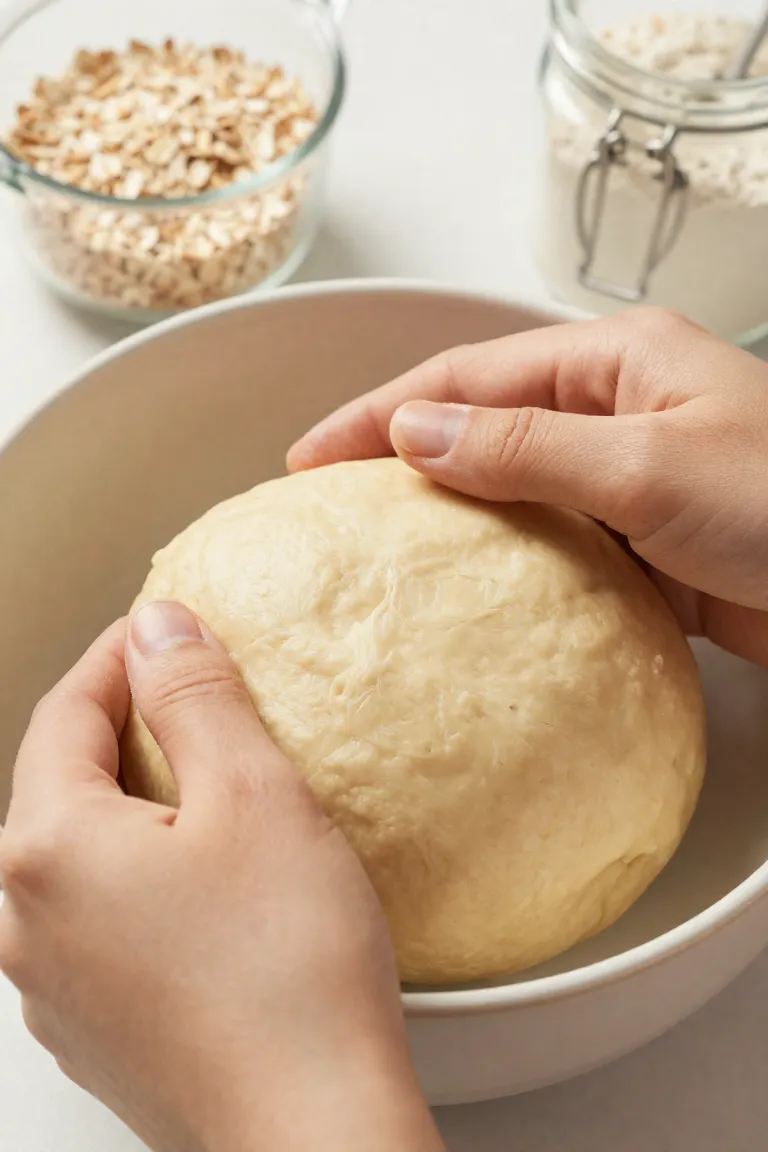
Working with miniature cavity shapes demands far greater tactile precision than standard cookie baking. Pureed tubers carry natural sugars and moisture that cling stubbornly to fine silicone grooves, creating sticky dough if your base hydration drifts even slightly off balance. You need an elastic, firm dough consistency that yields under finger pressure without leaving a tacky film across your work surface.
A brief twenty-minute rest in the refrigerator tightens the rolled oat starches, absorbing excess surface liquid before you press the blend into your micro trays. When following these practical baking tips, aim for the pliable feel of classic modeling clay rather than drop-cookie batter, giving you crisp, cleanly defined canine silhouettes that release cleanly after baking.
1. Balancing Moisture for Clean Release
Managing your hydration balance is the secret to capturing every delicate paw line without spreading in the oven. Canned or freshly baked sweet potato puree varies widely in water content, meaning a rigid recipe often leads to blurred, puffy edges that lose their imprint entirely. You want a balanced sweet potato to oat flour ratio that holds a clean, sculptural ridge when pressed with a fork tine.
- Whisk one cup of fine whole-grain flour with a half cup of cooled puree to assess initial moisture absorption.
- Fold in additional flour one tablespoon at a time until the mixture pulls cleanly away from the glass bowl edges.
- Test the dough texture by pinching a marble-sized ball; it should compress smoothly without cracking or clinging to your fingertips.
2. Proper Greasing and Dusting Strategies
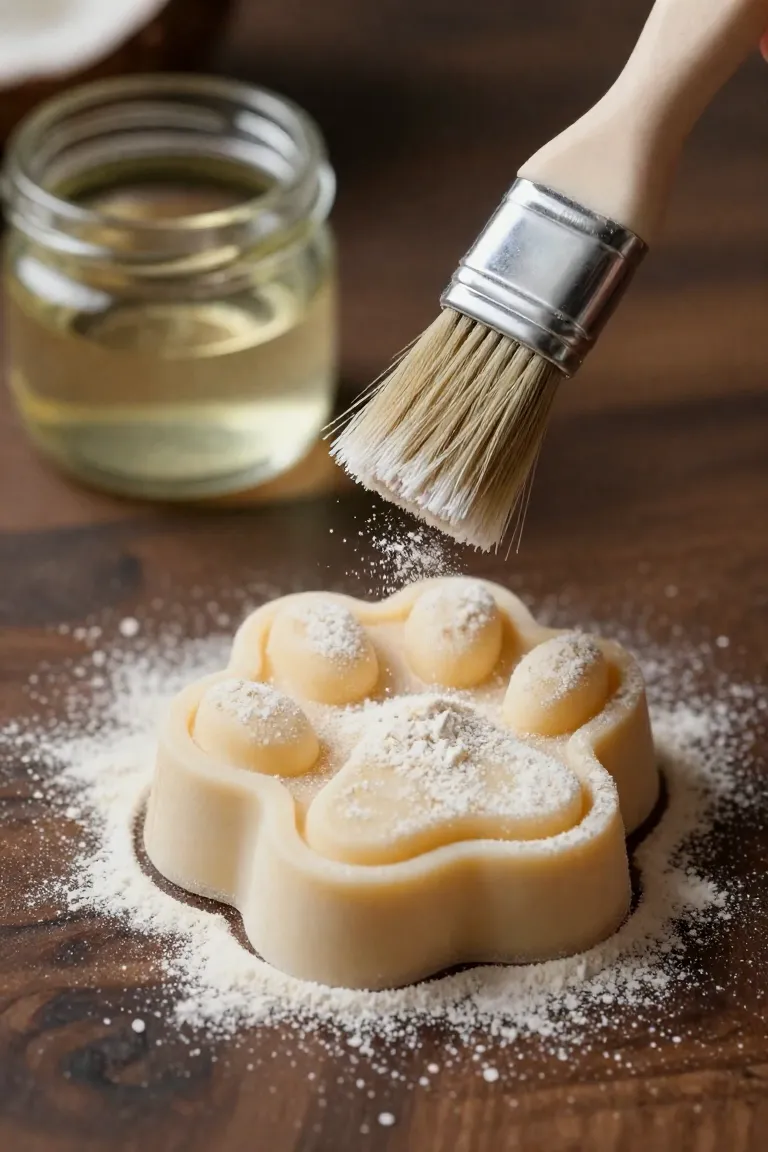
Even the most compliant mixture can grab tiny silicone crevices if your prep routine leans too heavy-handed. The goal is to prevent sticking while preserving the crisp, oven-baked snap your pup loves, avoiding wet pooling that softens delicate edges into a soggy mess. Rather than using cooking spray that can leave a gummy residue, dust fine flour through a tea strainer directly over your prep board.
Stylist Rule: Use virgin unrefined coconut oil for dogs with extreme restraint: a single drop rubbed across a paper towel coats an entire fifty-cavity tray, as excess oil will shallow-fry micro edges instead of gently dehydrating them.
For detailed metal stampers, lightly dusting cutter rims with oat flour before pressing yields a clean, sharp release every single time.
Presentation and Storage for Tiny Treats
Once your petite batches cool completely on wire racks, showcasing their distinct shapes turns simple baking into countertop decor. Clear glass treat jars with rubber silicone gaskets offer the most practical dog treat storage, locking out ambient pantry humidity while keeping those miniature shapes visible beside your coffee station. Because dehydrated sweet potato and oat biscuits contain zero commercial preservatives, placing a small food-safe silica gel packet beneath parchment paper on the jar floor keeps every single piece crisp for up to four weeks.
For thoughtful dog gift ideas, divide the cookies into mini windowed kraft pouches sealed with simple cotton baker's twine and a stamped paw emblem. A petite four-ounce amber glass jar tied with linen ribbon also makes a charming housewarming token for fellow puppy parents. Whichever vessel you choose, keep the batches stored away from direct afternoon sun on your countertops so the warm sweet potato hue stays fresh and inviting.