Understanding Your Puppy's Delicate Digestive System
Welcoming a young dog into your home brings excitement, but their developing gastrointestinal flora requires careful meal choices. In their earliest stages of growth, a puppy sensitive stomach reacts quickly to rich commercial fillers, leading to sudden loose stools or lethargy. When transitioning away from a strictly maternal milk routine, every single-ingredient treat should actively nurture developing gut bacteria rather than testing its fragile limits.
Careful meal planning makes introducing new puppy food a smooth milestone. By prioritizing gentle, nutrient-dense whole foods over processed store-bought biscuits, you establish steady digestive harmony and reinforce their fragile intestinal lining during peak development.
Why Sweet Potatoes Are the Perfect First Ingredient
Golden root vegetables offer a solid foundation when crafting wholesome, homemade puppy rewards. The natural sweet potato benefits for dogs center on a high concentration of soluble and insoluble dietary fiber, which regulates bowel motility and absorbs excess liquid in the colon. Because their baked flesh delivers a rich, earthy sweetness, your pup gets an enticing culinary experience without any added sugars, syrups, or artificial palatants.
From a nutritional standpoint, these vibrant tubers are among the safest digestible puppy ingredients for home baking. Packed with beta-carotene, potassium, and vitamins A and C, cooked sweet potato provides smooth, sustained energy that supports active play without spiking blood glucose or causing afternoon slumps.

The Soothing Power of Rolled Oats for Puppies
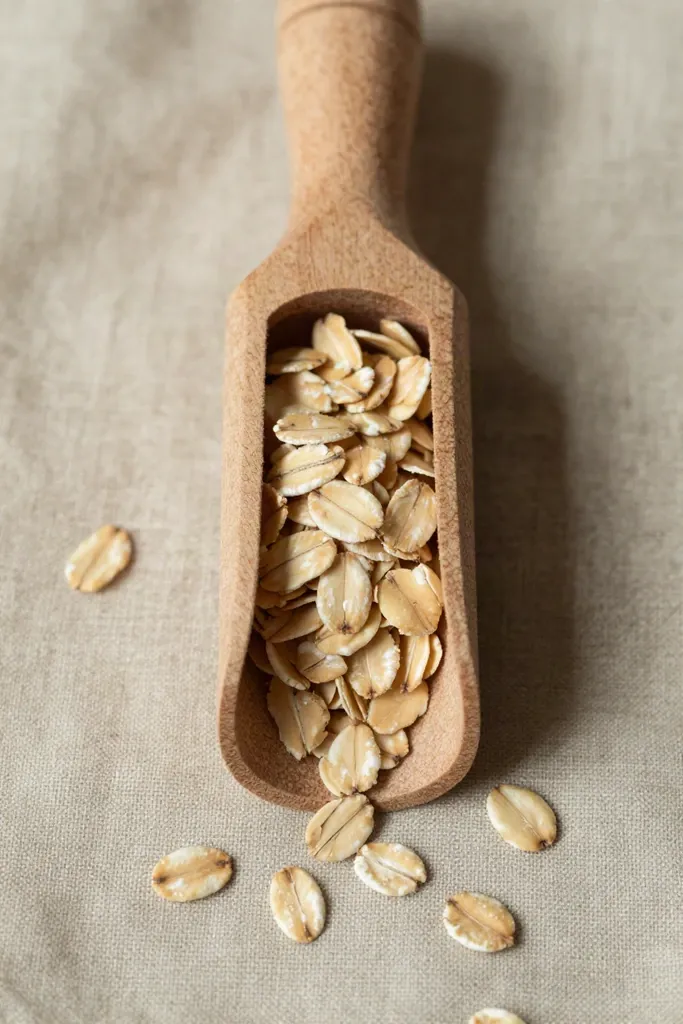
Whole grains often receive mixed reviews, yet incorporating finely ground oats for dogs provides a soothing carbohydrate matrix for weanling tummies. Rolled groats serve as naturally hypoallergenic binders that make dependable, low allergen puppy treats, especially for breeds prone to gluten sensitivities or skin flare-ups. Their soluble beta-glucan content forms a gel inside the intestines, absorbing excess fluid to firm up soft stools while gradually releasing energy to sustain active training sessions. For young puppies still adjusting to solid nourishment, this gentle grain provides vital B-vitamins and gut-friendly bulk without straining underdeveloped digestive enzymes.
When Is It Safe to Give Your Puppy Baked Treats?
Most young canines transition smoothly to solid food around eight weeks of age, yet their developing stomachs require careful pacing before sampling crunchy oven-baked rewards. Knowing when can puppies have treats comes down to observing their chewing confidence and jaw strength, particularly during the teething window between twelve and sixteen weeks. Firmly baked biscuits create resistance against tender gum lines, providing natural mechanical relief as incoming adult molars break through.
- Developmental readiness begins once your pup comfortably crunches dry kibble without gagging or hesitation.
- Baking homemade puppy teething snacks to a golden, semi-crisp density offers satisfying chewing pressure that numbs swelling gums safely.
- Early introduction works best during brief training windows rather than free-feeding sessions.
Essential Ingredients and What to Avoid
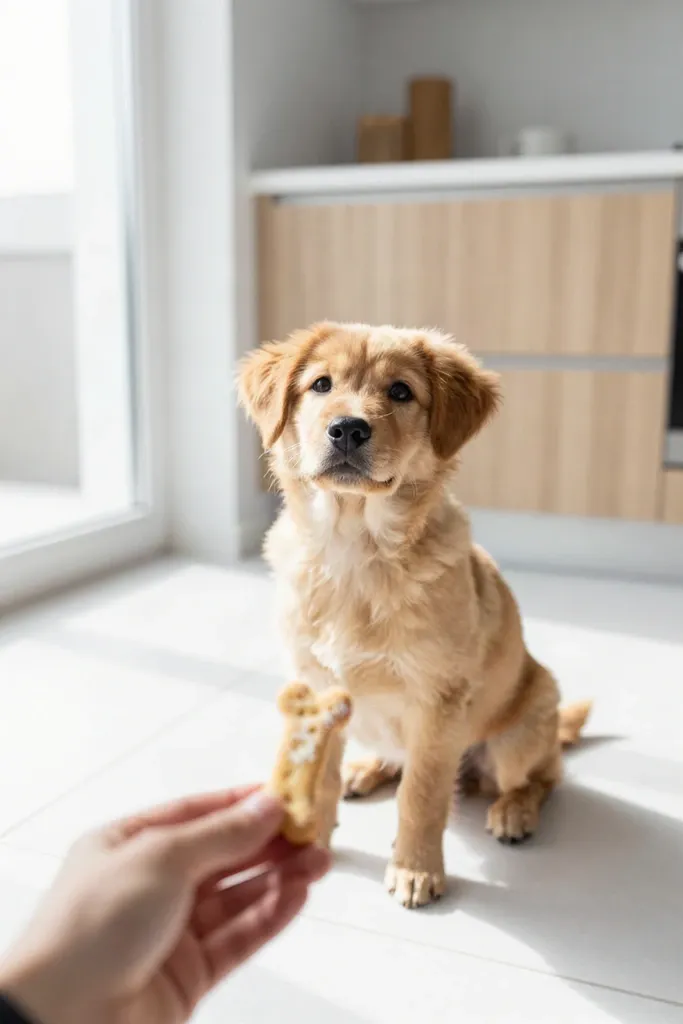
Crafting a clean snack starts with whole-food staples: steamed sweet potato puree, coarse rolled oat flour, and a dash of warm water or unsweetened applesauce for moisture. Selecting safe dog cookie ingredients means scrutinizing every pantry item down to the base harvest level, ensuring zero hidden preservatives or synthetic colorants slip into the mixing bowl. A two-ingredient foundation gives your young pet clean carbohydrate fuel without irritating their sensitive gastrointestinal lining.
Dangerous additives lurk in many standard human goods, so check what not to feed puppies before mixing your dough. Artificial sweeteners such as xylitol pose immediate toxicity risks even in trace dustings, while heavy pinches of salt and chemical flavor enhancers place strain on immature kidneys. By sticking strictly to unseasoned sweet potatoes and plain grains, you eliminate hidden hazards while keeping each bite gentle on tiny digestive tracts.
Choosing the Right Type of Oats
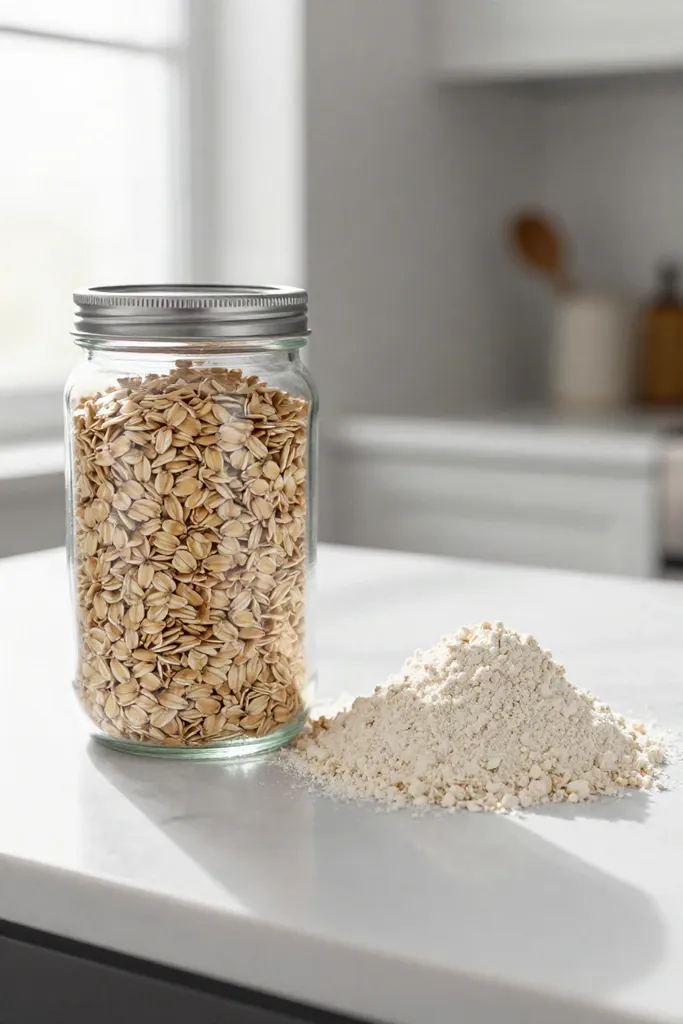
Avoiding flavored breakfast packets is necessary when stocking up on healthy dog treat ingredients for your kitchen baking days. Pre-packaged quick oats frequently conceal powdered milk solids, brown sugar crystals, and artificial flavorings that disrupt a young canine's delicate gut microbiome. Instead, reach for unflavored, old-fashioned plain rolled oats for dogs, which preserve the natural bran layer, germ, and slow-burning complex starches intact. These whole groats grind down into a silky, nutrient-dense flour in any standard blender, yielding a dependable dough that rolls smoothly and bakes evenly. Taking this extra step ensures your pup receives dietary soluble fiber and prebiotic nourishment without added sweeteners during crucial growth spurts.
Step-by-Step: Baking Sweet Potato Oat Cookies for Puppies
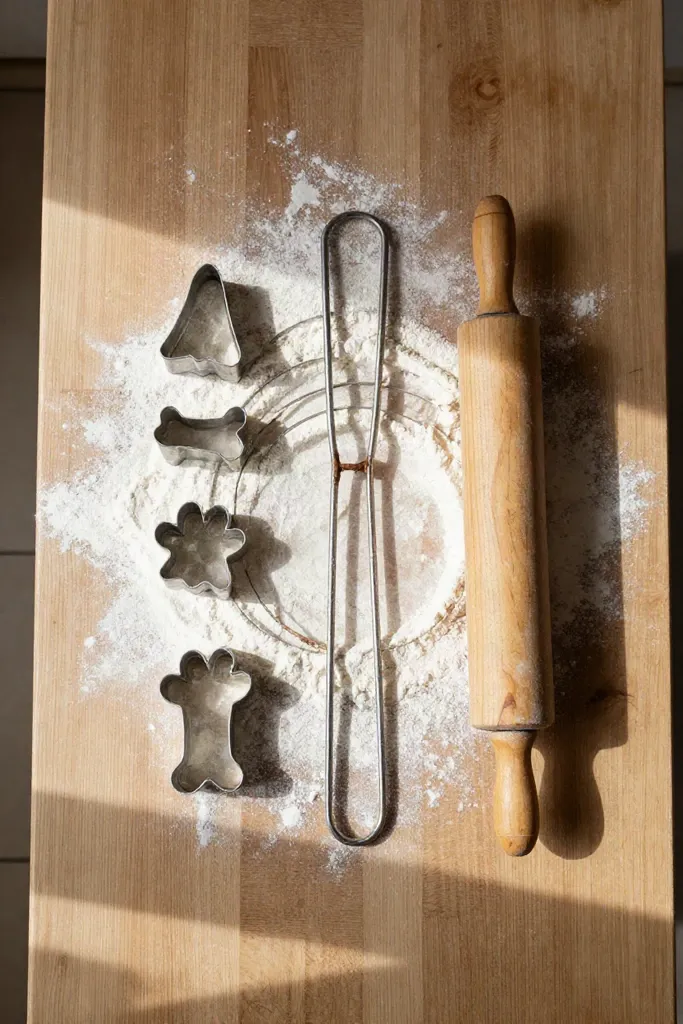
This easy dog treat recipe requires minimal equipment and time. Even if you have never turned on an oven for your pet before, the entire baking routine requires just a mixing bowl, basic pantry staples, and twenty minutes of active prep time. The process avoids complicated culinary techniques and messy rolling pins. You combine unprocessed ingredients to craft homemade dog cookies that nourish sensitive puppy stomachs. Keeping the kitchen process straightforward removes stress and guarantees consistent results.
1. Preparing the Sweet Potato Base
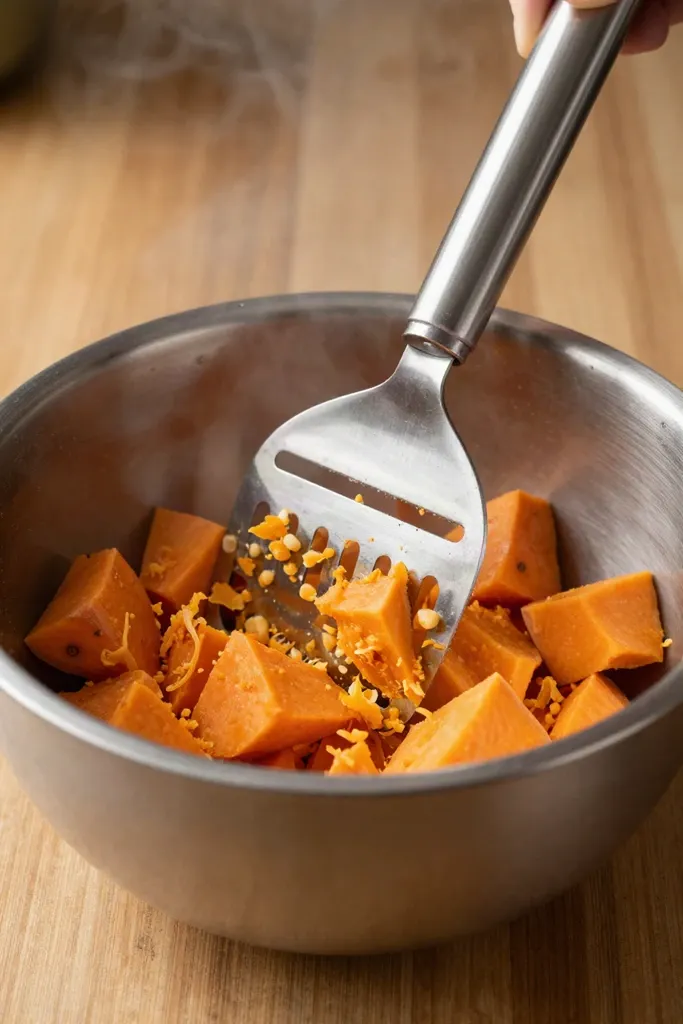
Begin by scrubbing a medium garnet or jewel sweet potato under cold water before either steaming or baking it whole until fork-tender. Piercing the skin several times with a fork allows steam to escape during a forty-minute roast at 400°F, or you can cube the flesh and boil it in plain water for fifteen minutes. Once cool enough to handle, peel away the fibrous skin completely, as coarse outer skins can irritate a developing puppy gastrointestinal tract. Transfer the warm orange pulp to a ceramic bowl and work it with a sturdy fork or potato masher. Mashing sweet potatoes to a uniform puree eliminates tough chunks that could create a choking hazard. Taking extra time to whip the puree guarantees a safe, easily digestible foundation that binds the dough.
2. Mixing and Shaping the Dough
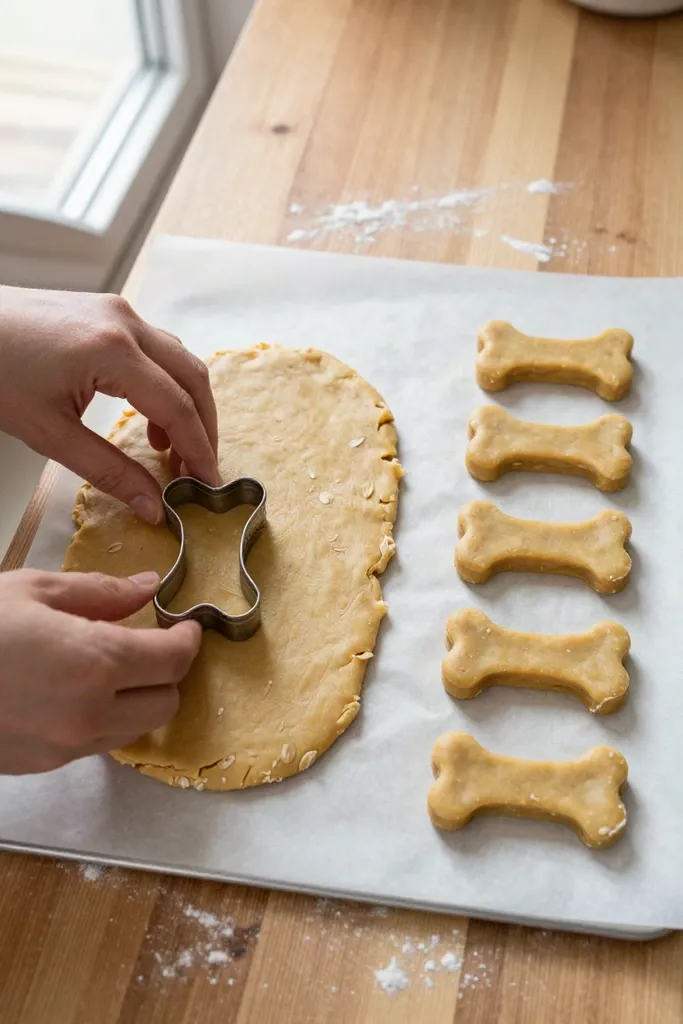
With your warm puree ready in the mixing bowl, gradually incorporate your pre-ground oat flour half a cup at a time using a silicone spatula. The mixture will quickly transform from a wet, sticky mash into a pliable dog cookie dough with a soft, clay-like consistency. If the blend feels a bit sticky on your fingers, fold in an additional tablespoon of rolled oats until it easily pulls away from the edges of the bowl without crumbling apart.
A standard teaspoon or melon baller works well for portioning the mixture into bite sized puppy treats for miniature jaws. Press each tiny round between your palms into a flat, coin-sized disc roughly a quarter-inch thick so the heat penetrates evenly across the baking tray. Making small indentations with a fork prevents uneven puffing in the oven and gives tiny milk teeth an easy groove to grip during training sessions.
3. Baking for the Perfect Teething Texture
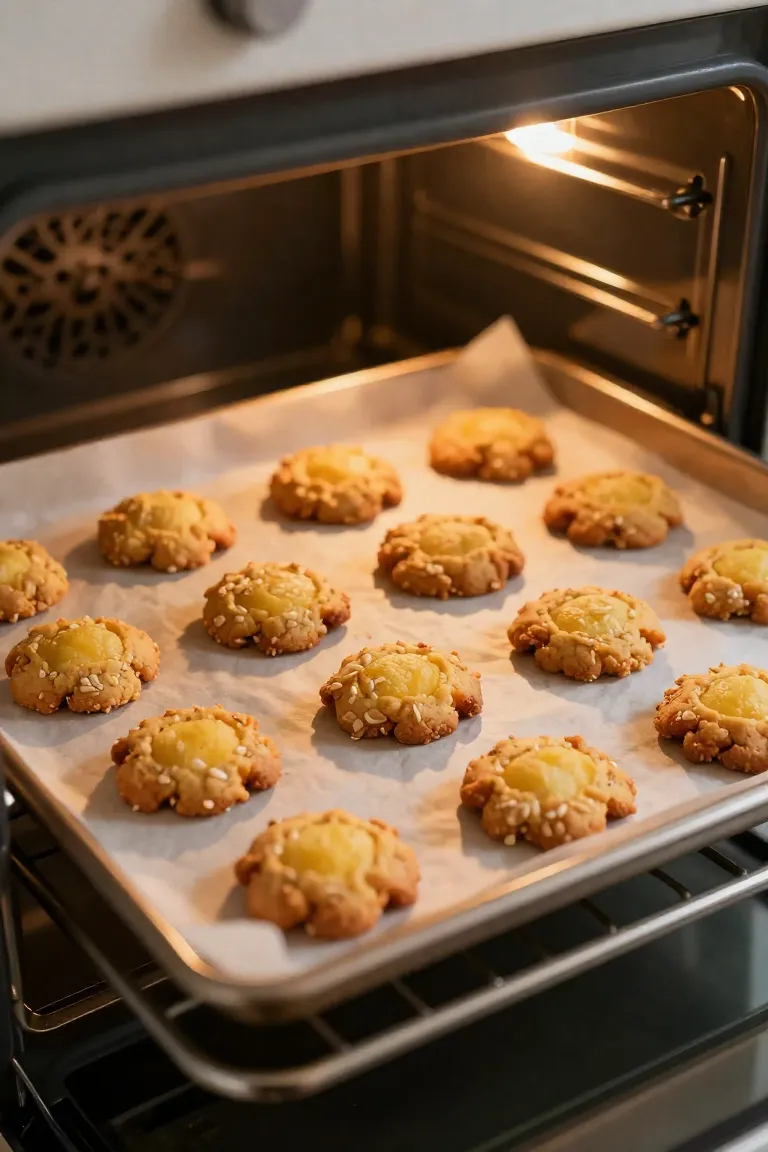
Slide your baking sheets into an oven preheated to 300°F (150°C). When baking dog treats for young pups, a low-and-slow approach slowly dehydrates the dough rather than crisping it into sharp shards, producing teething friendly dog cookies that massage inflamed gums without splintering.
- Bake time: Keep the tray in the oven for 30 to 35 minutes until the edges take on a golden hue while the core stays slightly springy.
- Cooling phase: Turn off the heat and crack the oven door open for 15 minutes, allowing ambient warmth to firm the centers into a satisfying chew.
- Texture test: Press your thumbnail into the bottom edge; it should leave a slight dent without crumbling or breaking apart.
How to Safely Introduce the Treats to Your Puppy's Diet
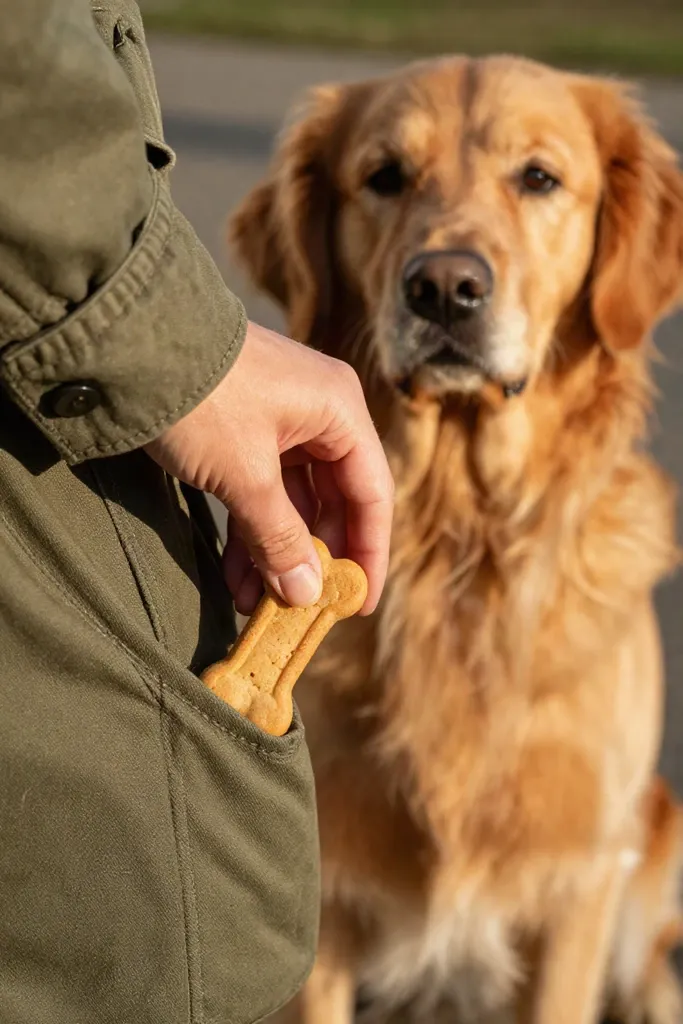
Any new homemade recipe represents a shift for a juvenile stomach accustomed to consistent kibble. When introducing treats to puppies, start with just a single postage-stamp-sized piece broken directly from a baked cookie rather than offering the whole biscuit. Observe your puppy over the next 24 hours to ensure their stool stays firm and their energy remains steady before offering another bite.
Strict puppy treat portion control keeps curious puppies enthusiastic without triggering stomach distress or gas. On the second or third day, you can offer two small fragments during short crate training or recall drills, always pairing each nibble with praise. If you notice softer stools or hesitation at mealtime, pause all extra snacks for two days to let their developing gut flora rebalance naturally before trying again.
Following the 10% Treat Rule
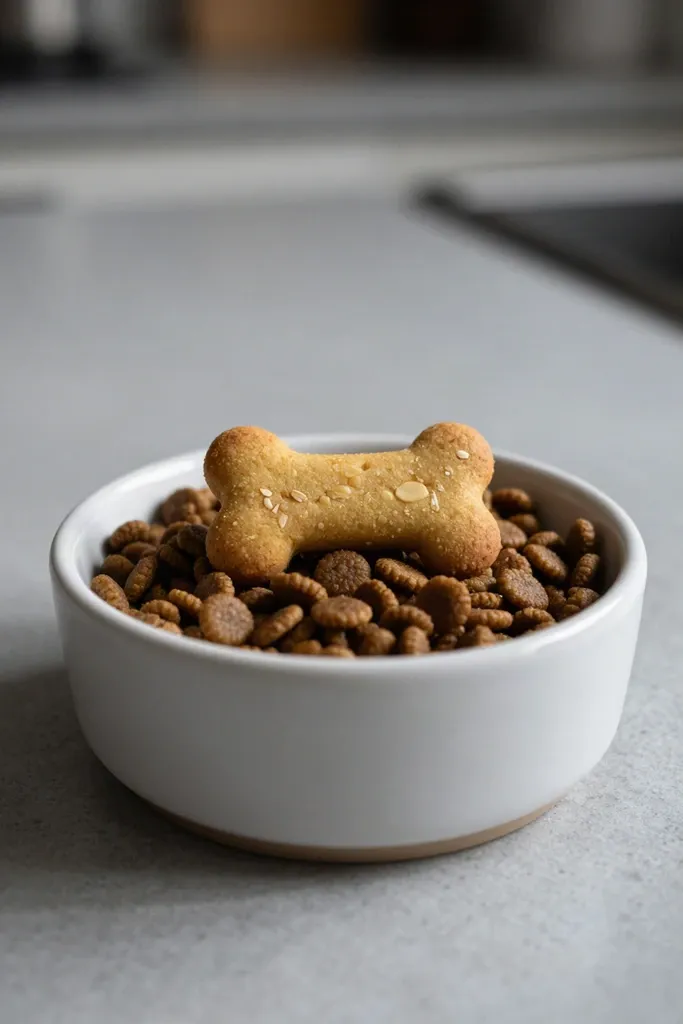
The 10 percent rule dog treats guideline protects your companion's health during growth spurts. Snacks and training rewards should never supply more than a tenth of your pup's total puppy calorie intake, leaving the remaining ninety percent to complete, life-stage-specific commercial food. Because sweet potatoes and oats provide concentrated starches and carbohydrates, tallying these wholesome snacks into your puppy's daily meal allowance prevents unwanted weight gain and guards against nutritional deficiencies. You can easily stay within this healthy threshold by snapping one biscuit into pea-sized bites throughout the afternoon, reserving these nutrient-dense tidbits for rewarding calm focus and successful outdoor potty trips.
Monitoring for Allergic Reactions or Tummy Upsets
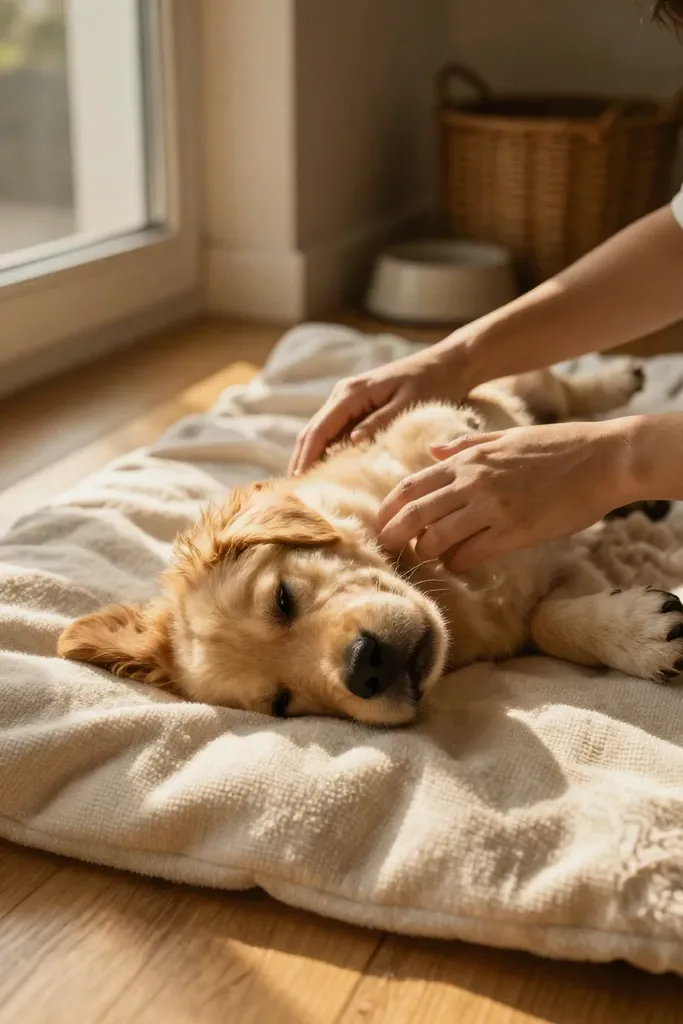
Even when using gentle whole foods, introducing any novel snack requires a cautious approach. Offer just a single crumb-sized sample during morning hours and observe your pup for a full twenty-four hours before serving another piece. This waiting window gives their developing digestive tract ample time to process new fiber without overwhelming their delicate gut. Keep a close eye out for early behavioral shifts or subtle indicators of a puppy upset stomach.
- Sudden changes in stool consistency, ranging from mild softening to watery bowel movements within hours of snacking.
- Persistent scratching, excessive paw licking, or redness along the inner ear flaps, which often indicate common dog food allergy signs.
- Audible intestinal gurgling accompanied by sudden lethargy, belly bloating, or a surprising loss of interest in regular meals.
Frequently Asked Questions (FAQ)
Bakers often have questions about moisture control and ingredient swaps when baking dog treats. Reviewing this homemade dog treat FAQ ensures every tray remains safe and easy for young teeth to chew.
- Cool every biscuit completely on a wire rack before packing. When storing homemade dog cookies on your counter, keep them sealed in an airtight jar for up to five days, or stash extra trays in the freezer for three months.
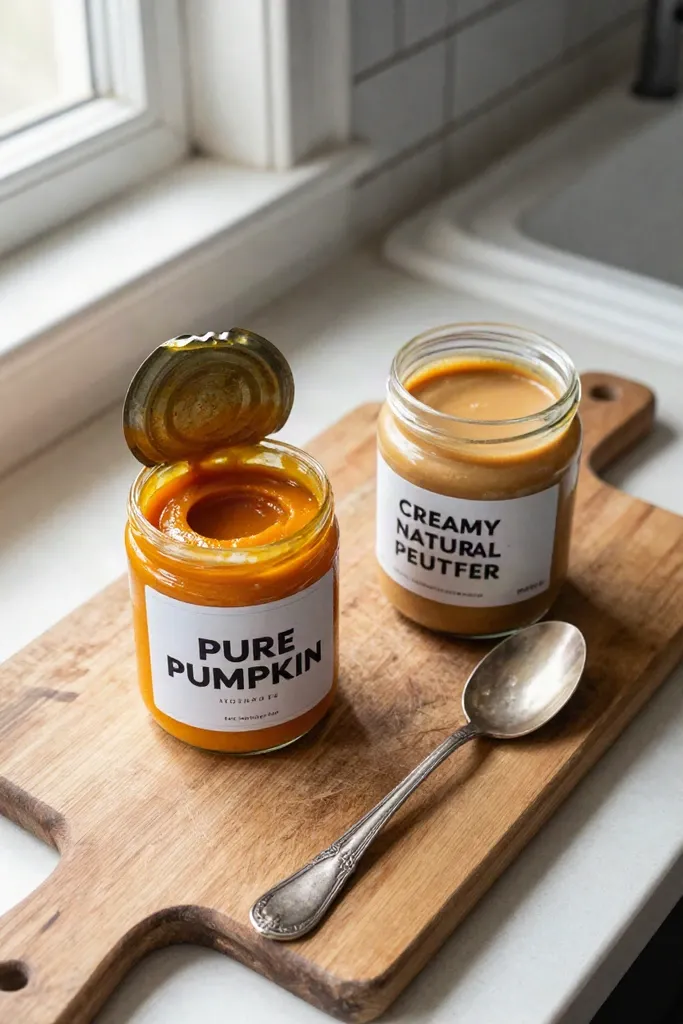
- Plain unsweetened pumpkin puree works as an easy one-to-one replacement if you run out of baked sweet potatoes, delivering identical binding moisture without disrupting delicate puppy tummies.
- Leaving baked treats inside a turned-off oven with the door cracked slightly draws out lingering moisture, yielding a firm teething crunch that massages tender gums without fracturing.