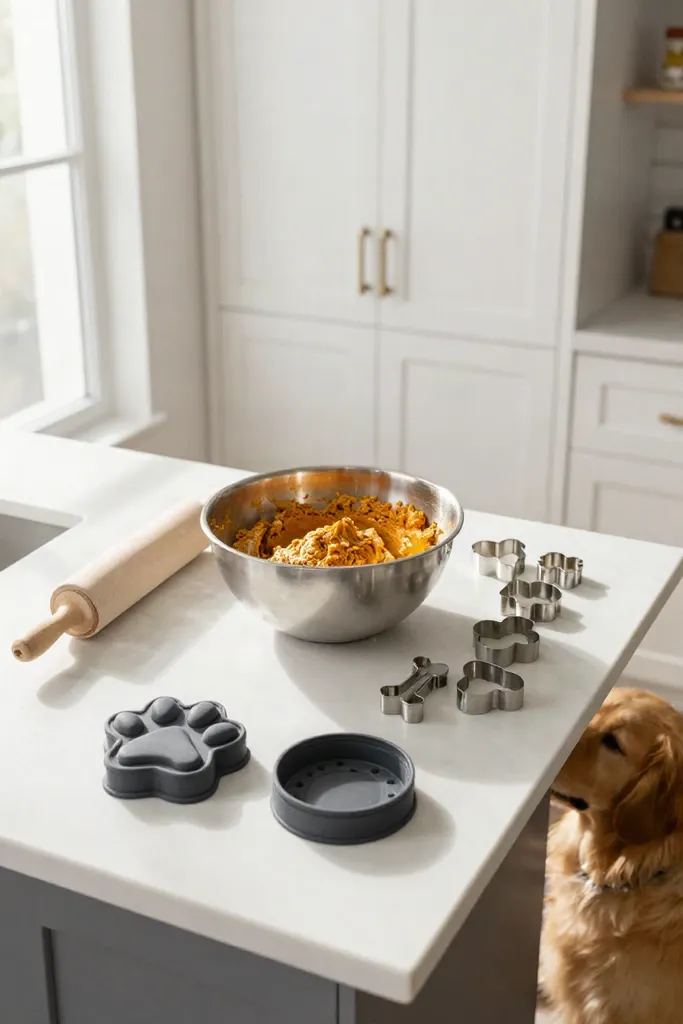
Introduction: Why Senior Dogs Need Extra Care
Watching your companion hesitate before climbing the porch steps or taking longer to stand up after a long nap is one of the clearest signs that cartilage wear is setting in. As connective tissue thins over the years, daily walks and backyard strolls create stiffness across hips and elbows. Daily mobility chews and powders provide noticeable comfort, yet coaxing a hesitant pet to swallow chalky tablets or medicated kibble toppers often creates unnecessary mealtime stress.
A batch of homemade cookies crafted from mashed sweet potato and rolled oats creates an enticing, moisture-rich base that tucks away targeted joint supplements without suspicion. The tender crumb remains easy on sensitive teeth, while the natural root sweetness hides medicinal odors that usually prompt pets to turn away. This wholesome foundation provides a reliable way to deliver joint support without the usual daily struggle.
The Benefits of Sweet Potato and Oats for Older Dogs
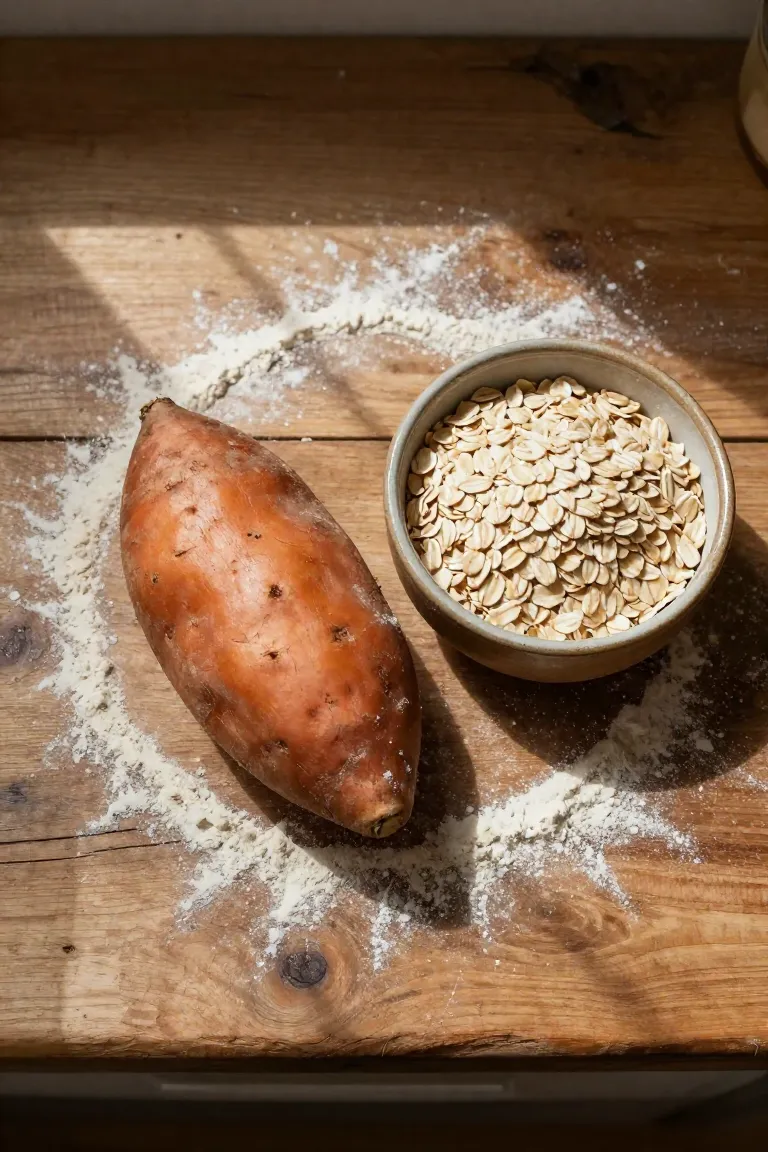
Steamed sweet potatoes deliver a generous supply of vitamins A, B6, and C in a form that older companions absorb without digestive strain. As dogs age, their intestinal motility often decreases, making dietary fiber essential for smooth bowel movements and consistent nutrient absorption. The natural prebiotic fibers found in the orange flesh nourish beneficial gut bacteria, helping soothe sensitive stomachs prone to sudden bouts of loose stool.
Whole rolled oats complement this gentle profile by providing easily digestible complex carbohydrates alongside plant-based iron and B vitamins. Unlike heavy wheat flours or artificial fillers, finely ground oats digest cleanly and rarely trigger food sensitivities in delicate older systems. This combination forms a mild base that stabilizes gut flora and binds the supplement dough without added synthetic fats.
Choosing the Right Joint Supplement
When you pair that gentle foundation with daily mobility support, look for veterinary-approved formulas built around glucosamine hydrochloride, chondroitin sulfate, and methylsulfonylmethane (MSM) to soothe stiff cartilage and ease daily movement. Because high oven temperatures can degrade delicate active compounds, choosing heat-tolerant preparations ensures the active ingredients survive the baking process. Stick to pure formulas free from artificial binders, excess sodium, or toxic additives like xylitol, while paying close attention to how different physical formats disperse into homemade dough.

1. Liquid vs. Powder Supplements
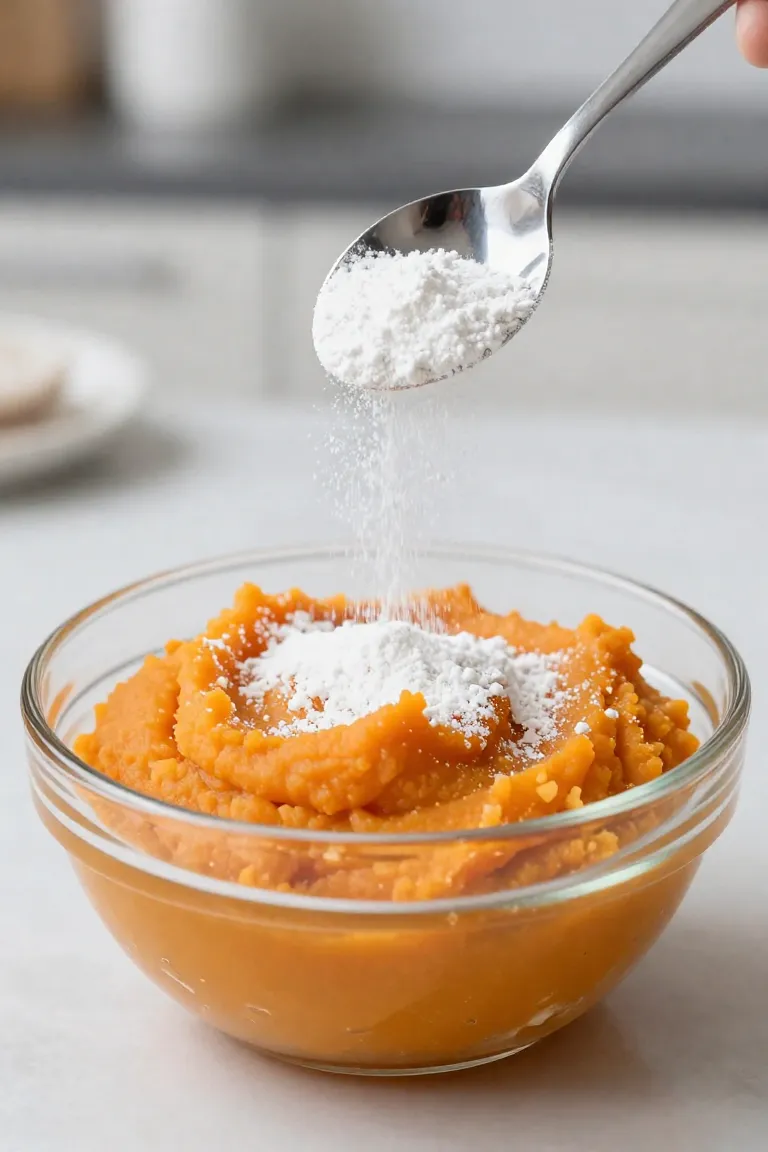
Both options integrate well, but they interact with heavy sweet potato mash in distinct ways that affect the final treat consistency. Liquid additives blend quickly into warm mashed sweet potato, distributing active nutrients evenly across the batch without creating clumps. If you use oil-based or watery drops, you may need to add an extra tablespoon of oat flour to keep the mixture from turning sticky during shaping. Powders, such as ground green-lipped mussel or glucosamine complexes, absorb ambient moisture from the puree, which can dry out the dough if you work it too long. To counteract this, fold the powder in gently with a splash of water so the baked result retains a tender, pillowy crumb that senior dogs with fragile teeth or sensitive gums can break down comfortably.
2. Consulting Your Veterinarian
Before measuring active compounds into a homemade batch, you need exact clinical guidance rather than standard label estimates. A licensed veterinarian calculates daily milligram targets around your senior dog's scale weight, breed frame, and the precise stage of joint wear they face. Bringing the supplement container to a routine checkup allows your clinic to review several practical factors:
- Precise milligram targets for active joint compounds matched directly to your pet's current body condition score and bloodwork.
- Potential interactions with existing prescription pain relievers, anti-inflammatory drugs, or specialized renal diets.
- Safe daily intake thresholds so extra treat rewards never accidentally exceed the recommended daily allowance.
Step-by-Step Recipe: Sweet Potato Oat Supplement Cookies
With clear dosage guidelines in hand, turning those supplement measurements into a homemade snack gives you full control over every ingredient. Older dogs often struggle with dry, hard treats that strain sensitive gums or worn teeth, which makes a customized baking approach necessary. Planning the batch around moisture and texture ensures the food breaks down easily under light pressure while preserving the nutritional value of each therapeutic additive.
Traditional commercial biscuits require substantial chewing power, but this recipe produces a tender consistency tailored for aging jaws. A softer crumb protects sensitive mouths and allows your companion to eat comfortably without painful crunching.

1. Preparing the Base Dough
Fresh sweet potatoes provide natural moisture and healthy fiber that binds the mixture without added fats. Cook the peeled tubers until a fork slides cleanly through with zero resistance, then let them cool slightly so the steam clears before you begin mixing.
- Steam, boil, or bake your sweet potato cubes at 375°F until the flesh turns fork-tender and thoroughly yielding, which ensures every chunk breaks down without leaving hard lumps behind.
- Mash the warm flesh with a sturdy potato masher or fork until you achieve a silky, uniform puree that easily coats the back of a spoon.
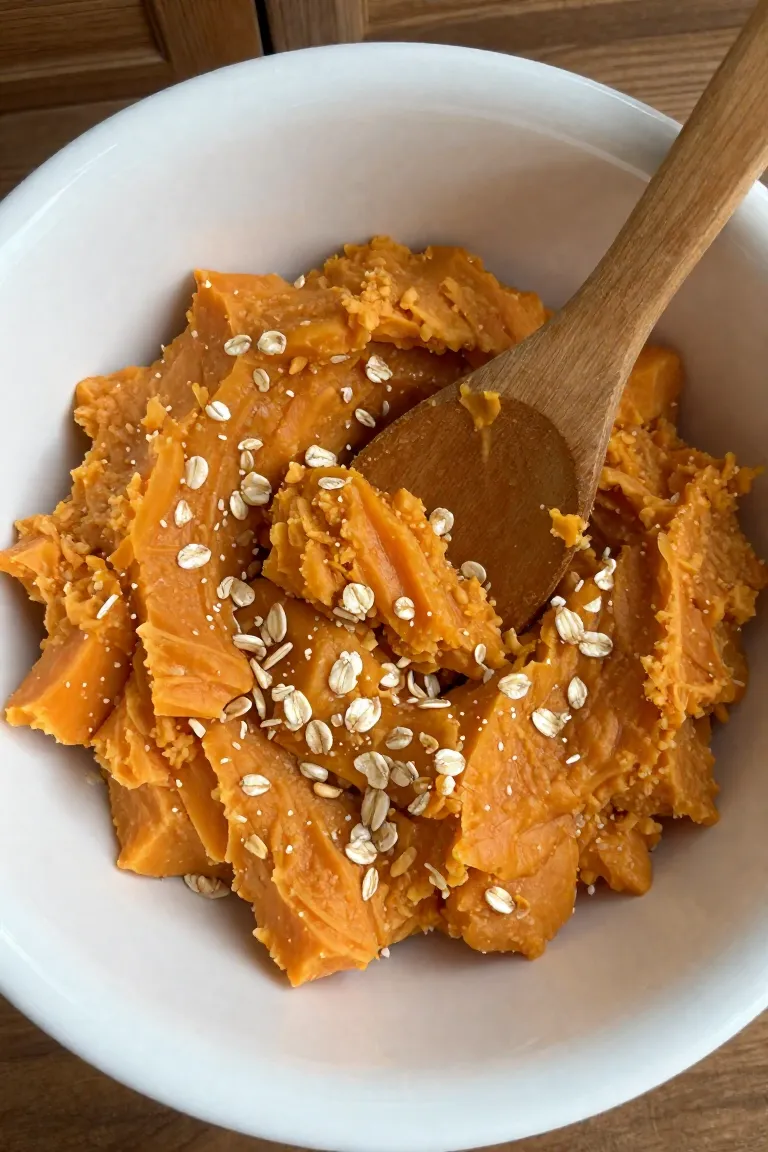
- Fold in the rolled oats gradually, working the mixture by hand until the flakes absorb the excess moisture and form a pliable, cohesive dough that holds together without sticking to your fingers.
2. Integrating the Supplements Safely
Work with the dough only after the mashed sweet potato cools completely to room temperature, which shields heat-sensitive compounds like glucosamine and fatty acids from early degradation. Folding in your measured additions right before shaping ensures consistent distribution so each treat delivers an accurate, predictable amount.
- Flatten the dough into a broad sheet on your parchment paper, then dust powder supplements evenly across the entire surface rather than dumping them into a single pile.
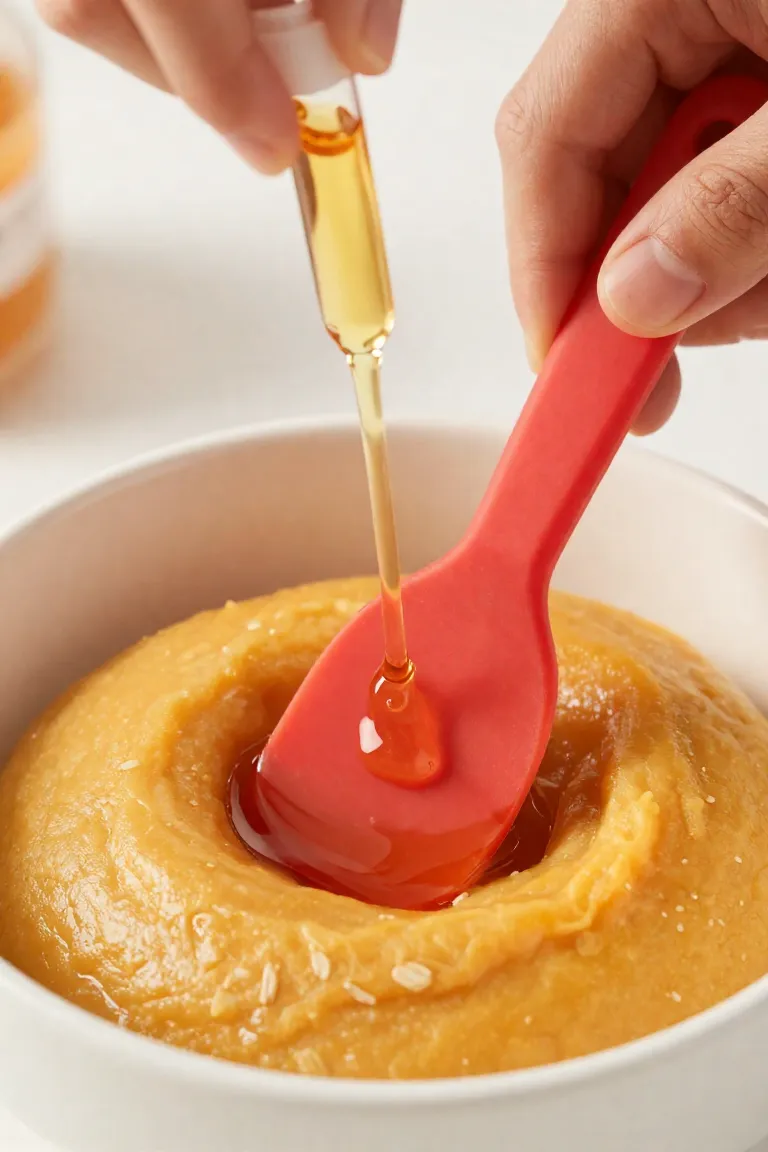
- Drizzle liquid or oil formulas in thin zigzags over the dough, pressing small amounts into the surface so the liquid bonds with the oat fibers rather than pooling at the bottom.
- Fold the dough over onto itself in quarters, pressing gently five to six times by hand to blend the ingredients throughout without creating excess friction.
3. Baking for a Softer Texture
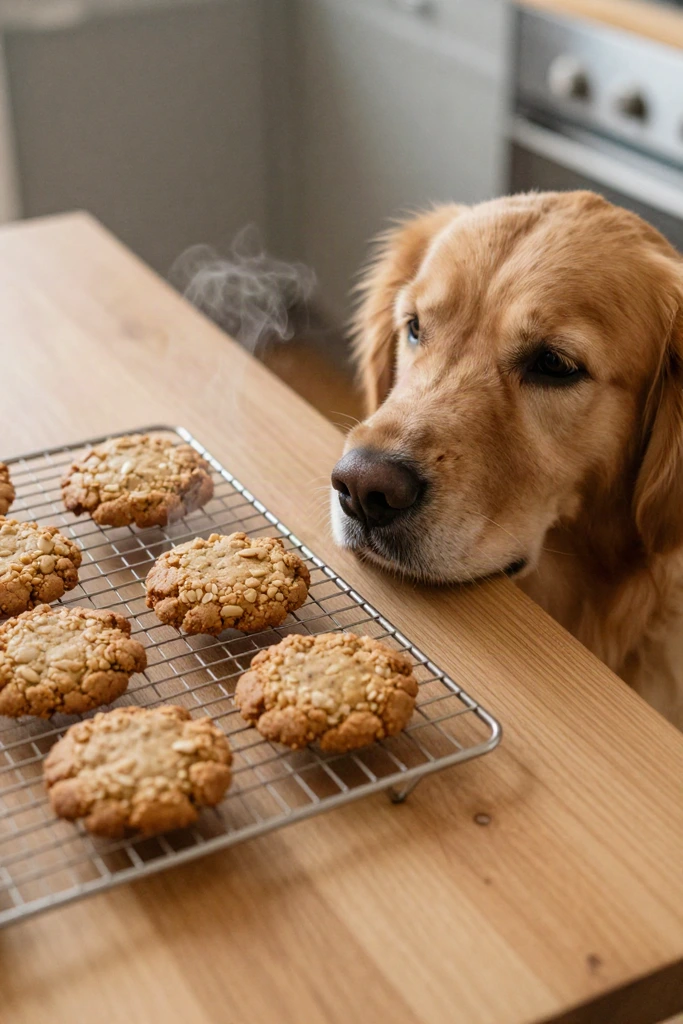
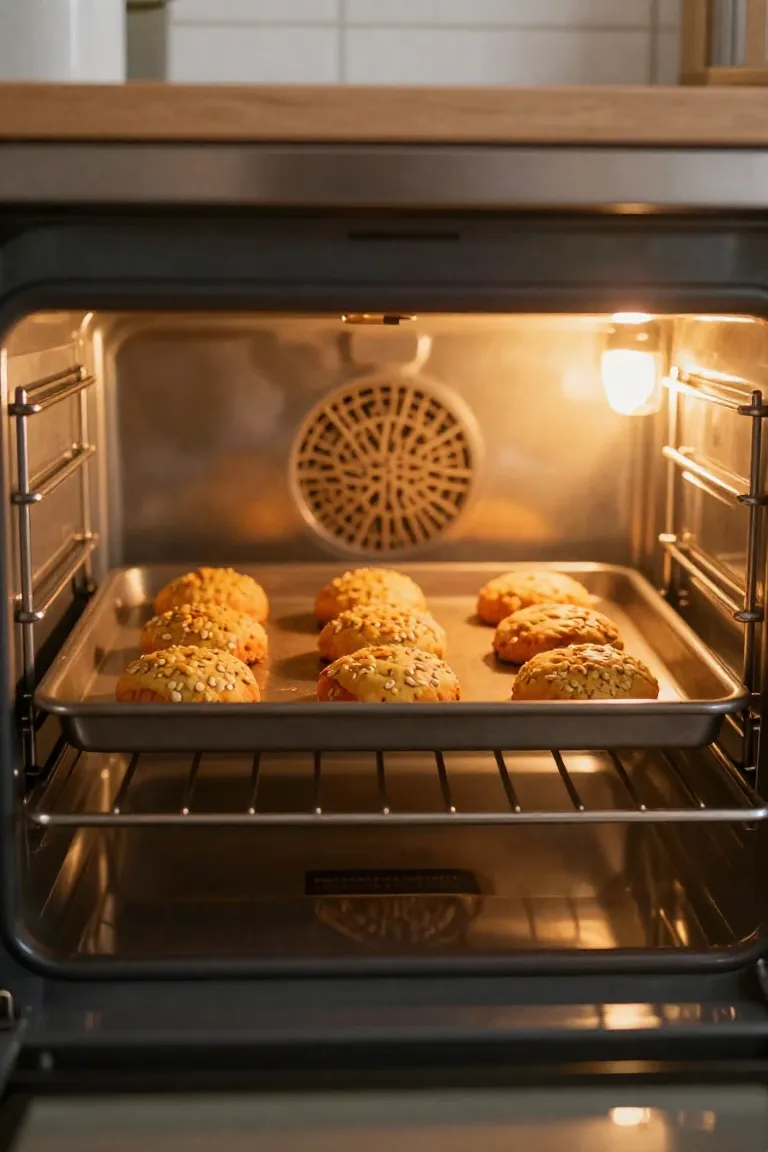
Set your oven to 325°F (165°C), as a moderate temperature prevents rapid moisture loss while protecting the nutrients blended into your batch. Space the portioned rounds evenly on a parchment-lined baking sheet and bake for 12 to 14 minutes. Look for the outer edges to set firmly while the centers stay pale and matte, avoiding golden or browned crusting. A light touch on the surface should yield slightly without collapsing, ensuring a tender, soft bite that older dogs with worn teeth or sensitive gums can break down easily.
Storing and Serving the Supplement Cookies
Once these baked rounds cool completely to room temperature, transfer them into an airtight glass jar or silicone pouch to preserve their tender crumb. Because real sweet potato holds substantial moisture and lacks commercial preservatives, counter storage only lasts about two or three days before spoilage becomes a concern. Chilling the batch in the refrigerator keeps every piece fresh for up to ten days, though you can freeze extra portions between parchment sheets for up to three months without losing texture. Serving amounts must correspond directly to the total active ingredients blended into the dough rather than standard treat allowances. If your batch contains ten daily doses divided evenly across twenty biscuits, feed two treats daily to deliver the intended joint support, adjusting downward if your companion receives other fortified foods.

Frequently Asked Questions
Pure pumpkin puree works well if your canine companion needs an alternative to sweet potato, providing similar moisture and dietary fiber to aid digestion. Plain unsweetened applesauce or mashed butternut squash can also bind the dough, though you might need an extra spoonful of ground oats to balance the wetter consistency. For seniors with sensitive teeth, pulling the baking sheet a few minutes early produces a softer, cake-like consistency that requires minimal chewing effort.
Active joint compounds like glucosamine remain stable during moderate baking, but excessive heat exposure can reduce their potency over time. Maintaining a steady oven setting near 300°F protects these nutrients while drying the dough sufficiently for safe counter storage. If your veterinarian recommends delicate omega-3 oils instead of powders, add those drops directly to each treat before serving rather than exposing them to hot oven air.