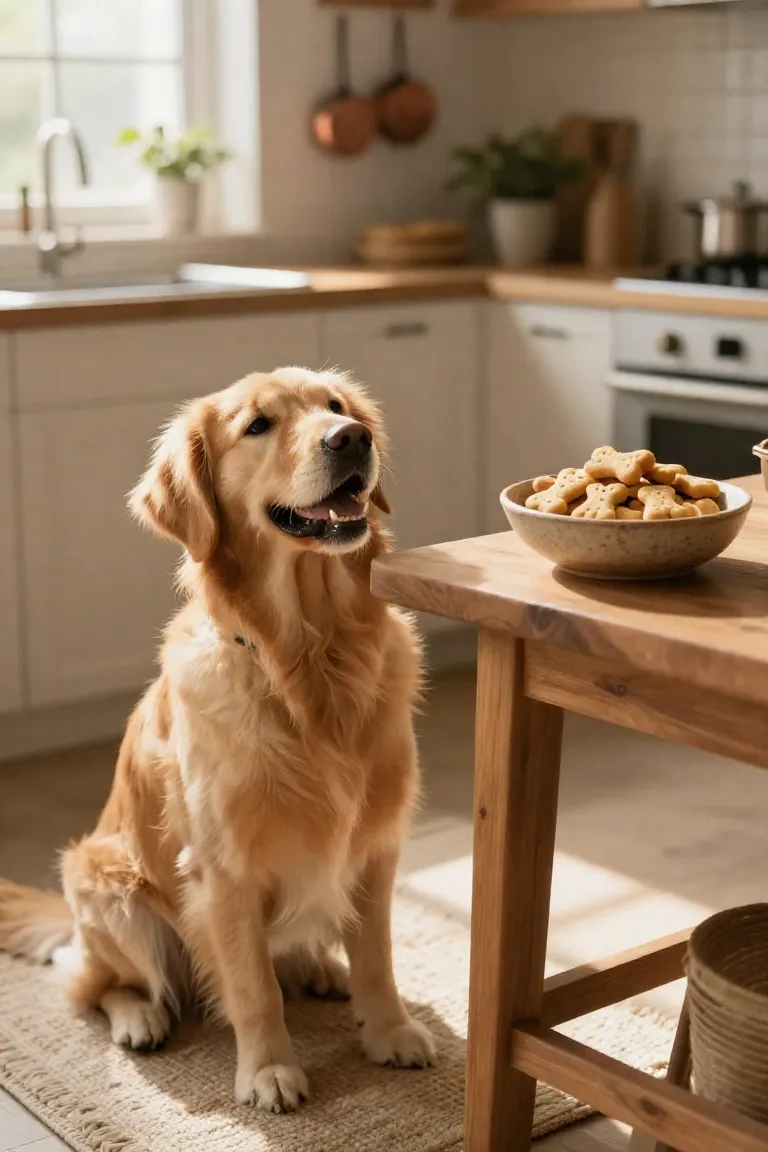
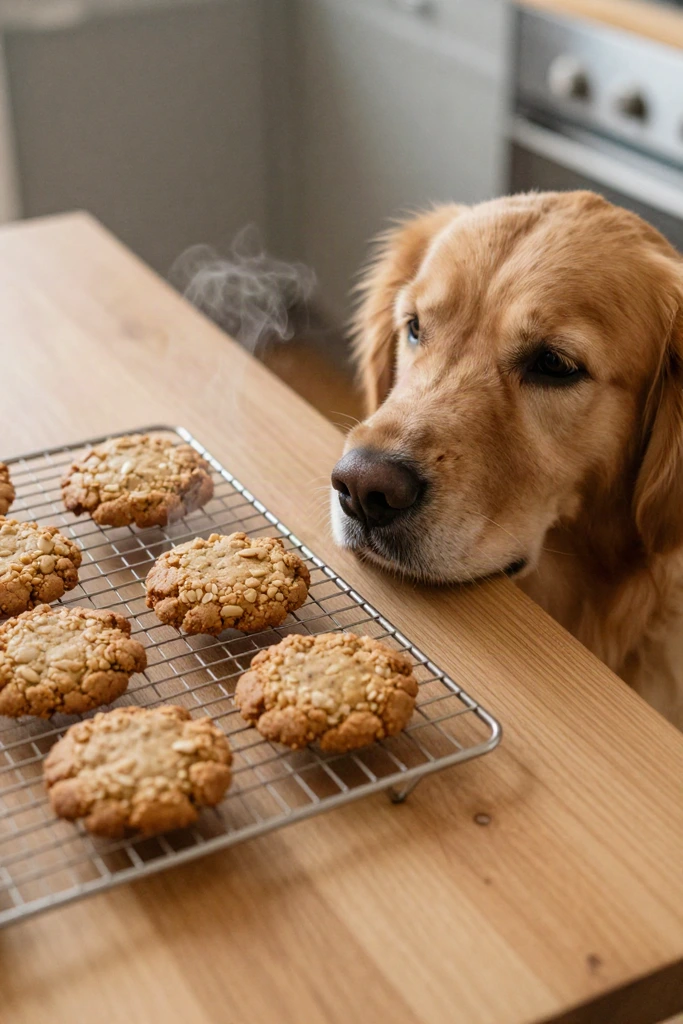
Introduction: The Perfect Fall Baking Project for Your Pup
Crisp morning air and golden autumn leaves make kitchen weekends feel cozier, especially when you bring seasonal pumpkin patch vibes to your pet's bowl. Exploring fall dog treat recipes with wholesome sweet potato and oats creates a rewarding weekend ritual, but baking for dogs requires a few smart adjustments. A handful of common kitchen oversights can quickly compromise dough texture or create digestive hazards for your companion.
Ingredient Selection Pitfalls
Homemade pet snacks start and finish with pantry discernment. When you assemble a healthy dog treat base, every raw element affects both the digestive tolerance of your canine and the structural stability of the baked biscuit. Canine metabolism processes carbohydrates and dietary fibers differently than human bodies, meaning innocent grocery staples can trigger loose stools or disrupt normal gut balance. Selecting dog safe ingredients demands inspecting basic pantry staples beyond front-label organic claims.
The physical behavior of your batch also hinges on the quality of these raw components. Subbing random flours or moisture-laden produce changes dough hydration, which causes crumbling sheets or rubbery centers that spoil fast. Simple pantry checks protect your counter work and ensure every golden biscuit holds its shape straight through the cooling rack.
1. Using Canned Yams Instead of Pure Sweet Potato
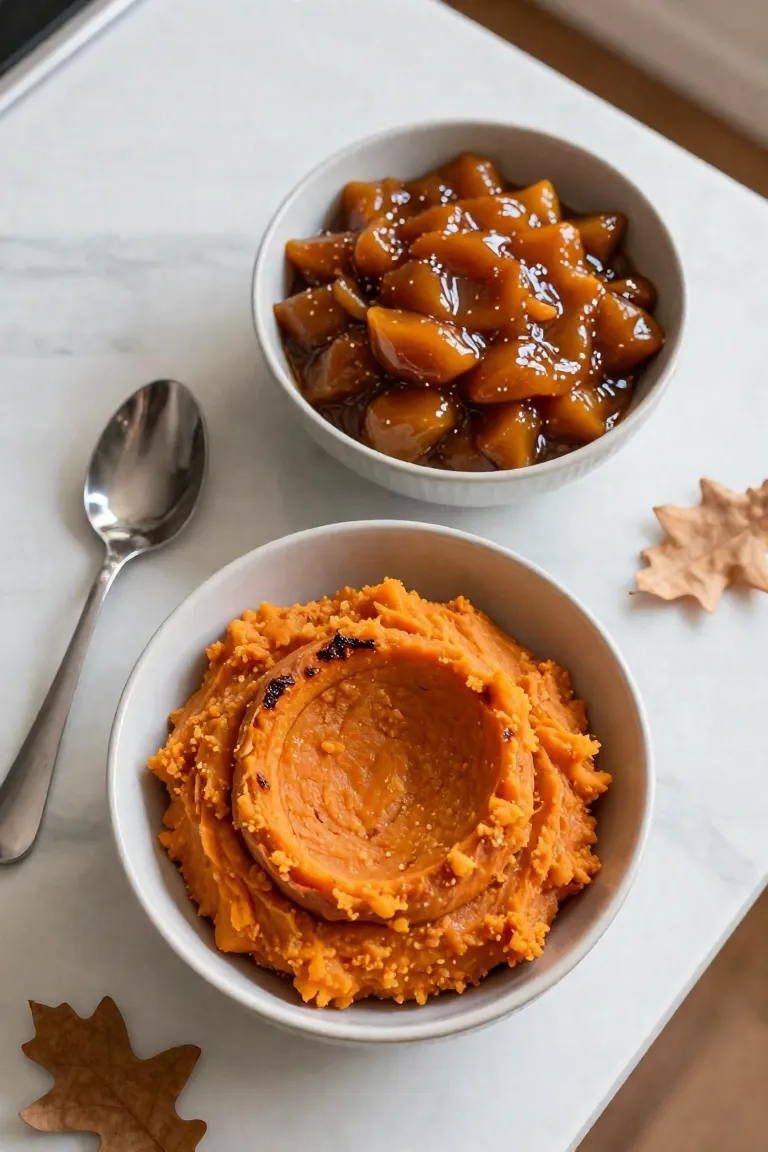
Canned produce aisles present a hidden trap for well-meaning dog owners preparing seasonal treats. Commercial canned yams frequently soak in heavy sucrose syrups and synthetic preservatives that disrupt canine digestion. Hidden canned yam dangers include sharp blood sugar spikes and potential gastrointestinal inflammation from lingering additives. Always read the back nutritional panel closely to confirm the can contains nothing beyond the single vegetable itself.
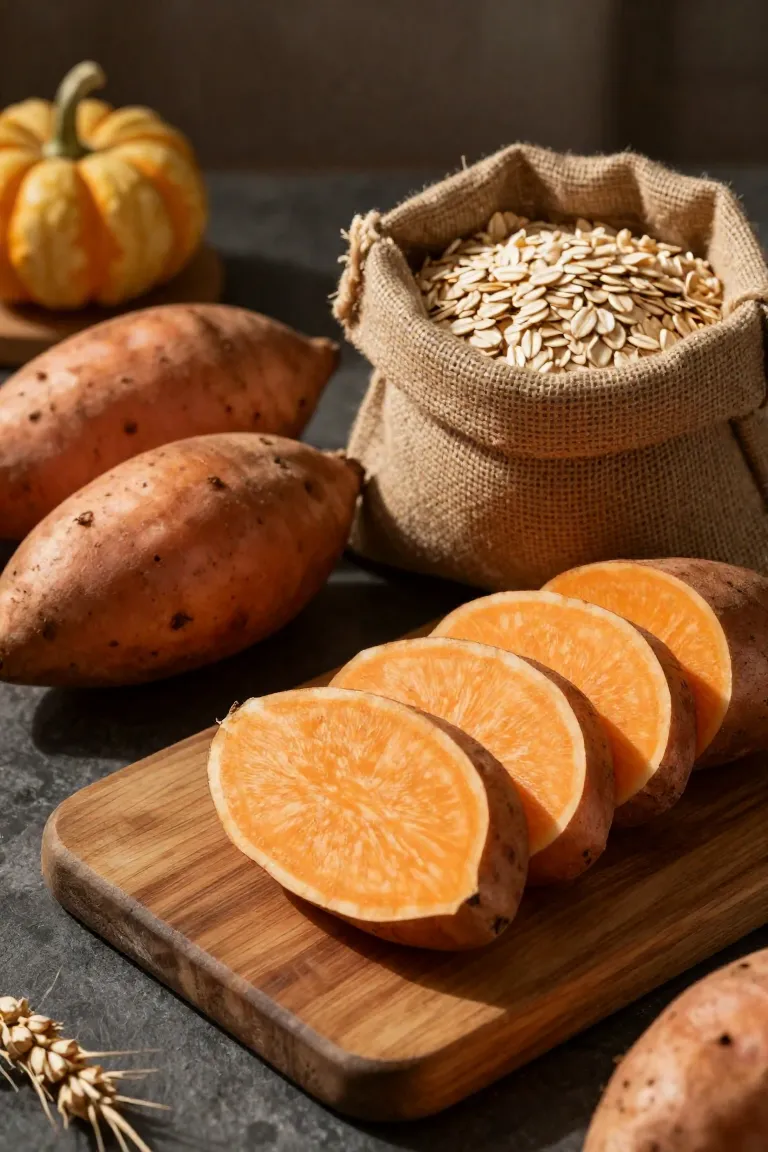
A clean scoop of pure sweet potato puree or fresh pulp from an oven-roasted tuber gives you reliable moisture without unexpected chemicals. Unsweetened puree delivers natural beta-carotene and clean starches that bind rolled dough smoothly. Freshly prepared tubers also allow you to control total water content, ensuring your biscuits bake through with an even, satisfying crunch.
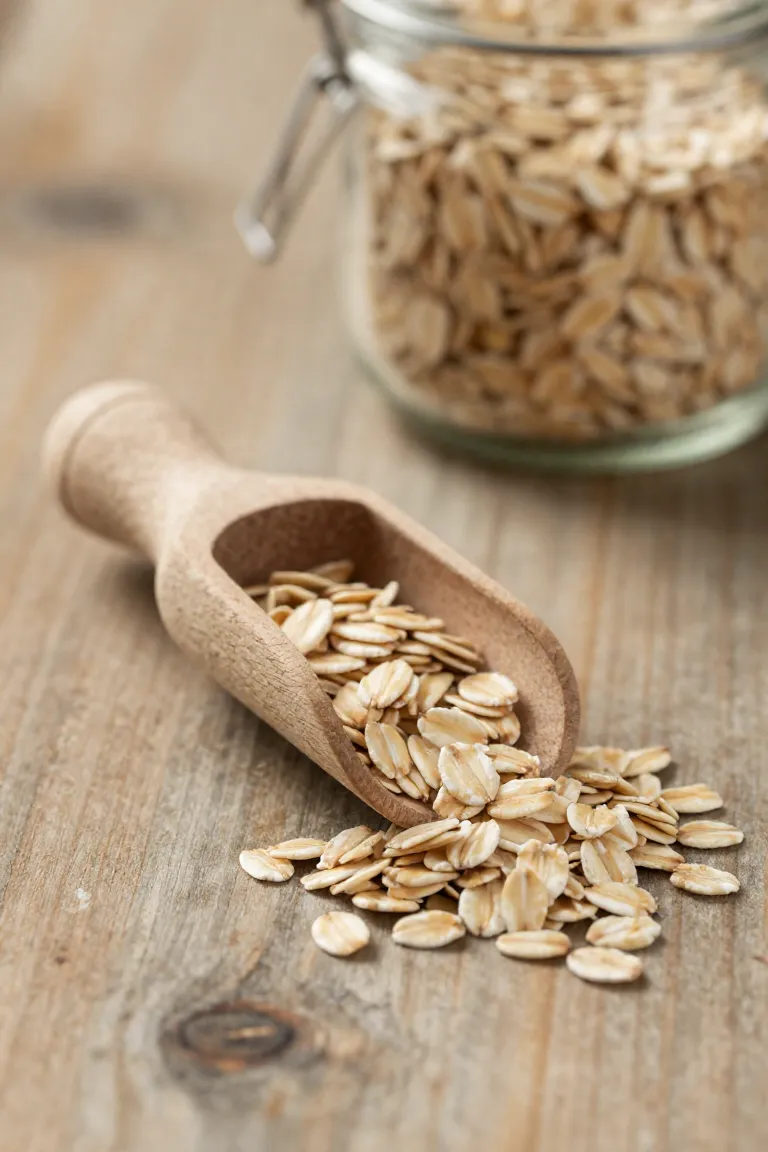
2. Buying Flavored or Instant Oats
Reaching into your pantry for convenient breakfast staples might seem like a quick shortcut, but grabbing sweetened packets of instant oatmeal for dogs introduces severe nutritional hazards. Commercial breakfast envelopes routinely harbor processed sugars and lethal sweeteners like xylitol, a sugar alcohol capable of triggering acute hypoglycemia and rapid liver failure in canines. Beyond chemical additives, instant varieties undergo intense pre-cooking and flattening that robs the grain of its natural structure, resulting in gummy dough that bakes unevenly. Stick strictly with whole plain rolled oats from the bulk bin. These hearty, unprocessed flakes deliver slow-burning complex carbohydrates and the clean structure required to yield crisp biscuits.
3. Adding Nutmeg or Toxic Fall Spices
The comforting aroma of autumn baking often tempts home cooks to sprinkle popular seasonal blends into mixing bowls, yet shared human spice cabinets present serious canine emergencies. Commercial pumpkin pie blends almost invariably contain nutmeg, an ingredient carrying high concentrations of myristicin, a compound known to cause rapid heart rate and severe tremors in pets even in minuscule amounts. Cloves and allspice also fall under dangerous, toxic dog spices that irritate sensitive canine stomachs and damage organs. If you want to impart a subtle festive scent to the kitchen, limit your seasoning to an occasional pinch of pure, organic dog safe cinnamon. This gentle spice offers mild anti-inflammatory properties without compromising your companion's neurological safety during the baking process.

4. Forgetting a Binding Agent
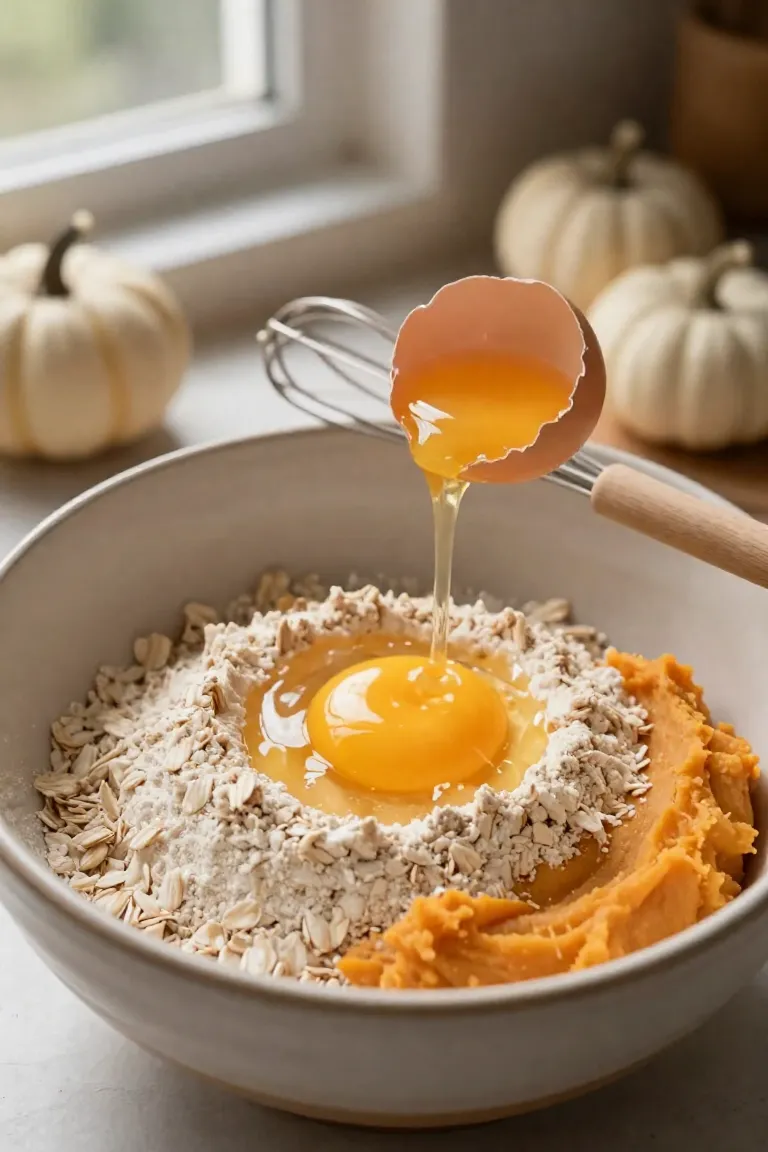
Relying solely on cooked tubers and rolled grains creates immediate rolling frustration at the kitchen counter. Without an adhesive moisture bridge to interlock coarse oat husks with root starches, your rolled sheets split across the counter, leaving you with brittle, crumbly dog cookies that disintegrate upon cooling. Introducing a dedicated dog treat binder locks dry elements into an elastic, pliable dough that rolls cleanly and holds neat cookie-cutter outlines during baking.
- Whisked whole egg: Supplies rich protein and essential moisture that holds fragile dough together while creating a golden surface gloss.
- Warm water or unsalted bone broth: Adds direct hydration a teaspoon at a time to soften fibrous grains without introducing excess calories.
- Ground flaxseed slurry: Combines one tablespoon of ground flax with warm water to form an omega-rich, hypoallergenic gel suitable for dogs with poultry sensitivities.
5. Using Artificial Food Coloring for Fall Colors
Once your batter holds together, you might feel tempted to boost the festive aesthetic with store-bought liquid dyes, but standard drops formulated for human holiday baking can trigger digestive upset or skin flare-ups. Relying on synthetic pigments like Red 40 or Yellow 6 introduces unnecessary chemical additives when your pup cares far more about savory aroma than intense saturation. Instead of risking stomach trouble with artificial food coloring dogs cannot process smoothly, let the warm, earthy orange of cooked sweet potato provide an authentic autumn tone right out of the bowl. For deeper hues or contrast accents, mix in a pinch of pure beet powder as a gentle natural dog food dye, ensuring every biscuit remains wholesome and easy to digest.

Preparation and Mixing Errors
After assembling wholesome ingredients, the mechanical consistency of your base determines whether biscuits bake to a satisfying crunch or turn gummy in the center. Rushing through the bowl stage without checking moisture absorption often creates dry pockets of flour trapped inside heavy puree. When mixing dog dough made with dense sweet potatoes and fibrous grains, steady and gradual folding ensures that starch absorbs liquid at a uniform rate rather than clinging in sticky, unmanageable clusters.
In standard kitchen bowls, overworking dense gluten-free starches can compress the mixture, making it difficult to roll out cleanly and leading to uneven heat circulation when baking dog treats. A patient approach yields pliable dough that rolls flat without tearing, holding stamped leaf outlines cleanly through the entire oven cycle.
6. Not Blending the Oats First
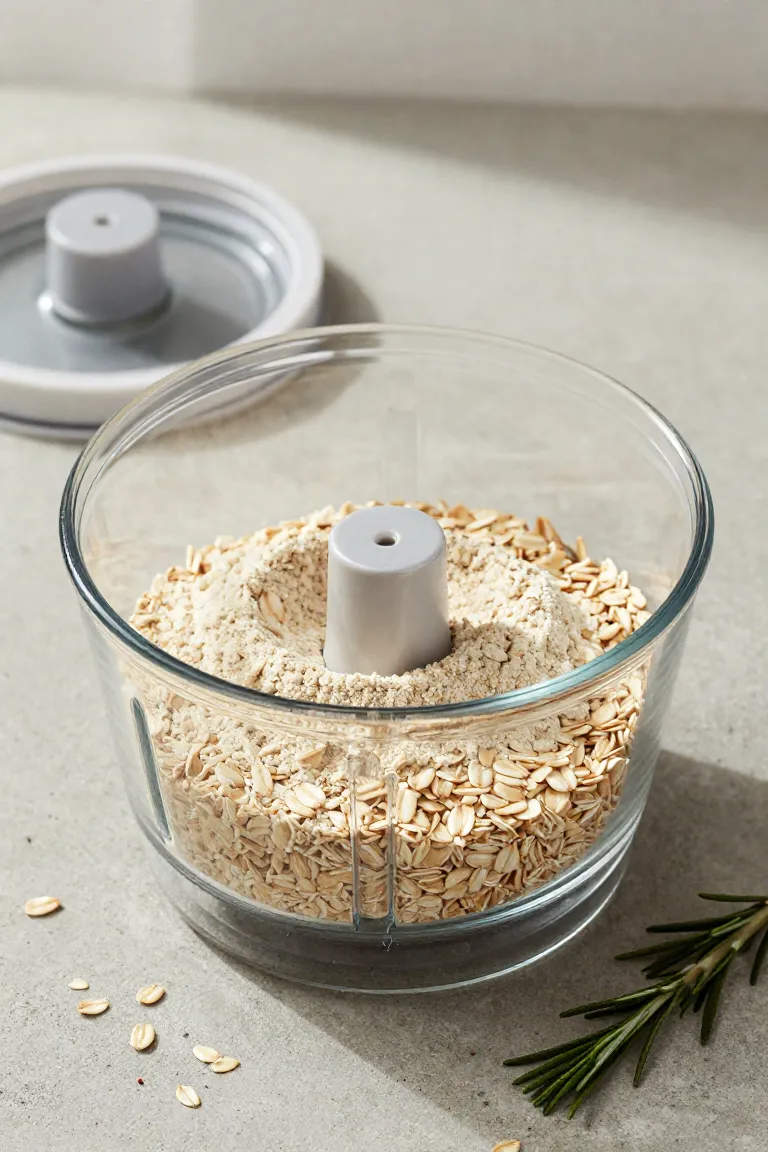
Tossing whole rolled oats directly into sweet potato puree often produces ragged, crumbling edges whenever you press down with seasonal biscuit cutters. Coarse flakes break the structural seal of thin cutouts, causing slender leaf stems and pumpkin ridges to snap before reaching the oven sheet. Dedicating two minutes to blending oats into tailored textures creates a cohesive foundation that holds seasonal silhouettes and crisps evenly.
- Clean cutter release: Grinding half of your grains into a fine powder fills gaps between whole flakes, helping cookie cutters slide through without sticking.
- Balanced chew: Leaving the remaining portion as intact rolled flakes delivers the rustic texture and tooth-sink crunch dogs enjoy.
- Sharp silhouette hold: Wholesome oat flour dog treats preserve their decorative stamped edges and crisp borders without spreading during baking.
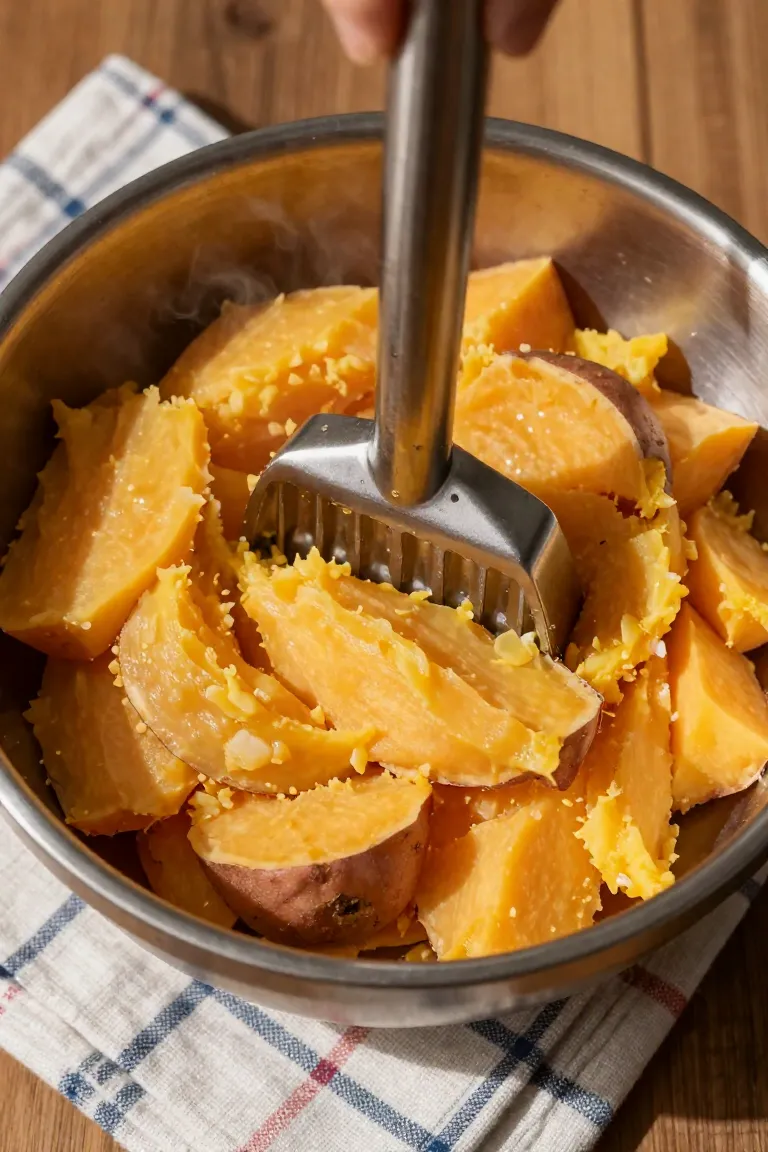
7. Leaving Sweet Potato Chunks
Uneven root vegetable pockets trap residual water inside the biscuit core, turning what should be a shelf-stable biscuit into a prime target for mold. Taking extra time when mashing sweet potatoes ensures that moisture disperses evenly across your dry ingredients. Running your fork or immersion blender until you produce a velvety, smooth sweet potato puree gives every cutout cookie identical density and a balanced bake.
- Dense tuber fragments release steam slowly, leaving damp centers that invite mold within days of storage.
- Firm root pieces snag along cookie cutter borders, tearing the edges of your autumn leaf or bone shapes.
- A completely uniform blend ensures even heat distribution, so every biscuit on your sheet crisps at the same rate.
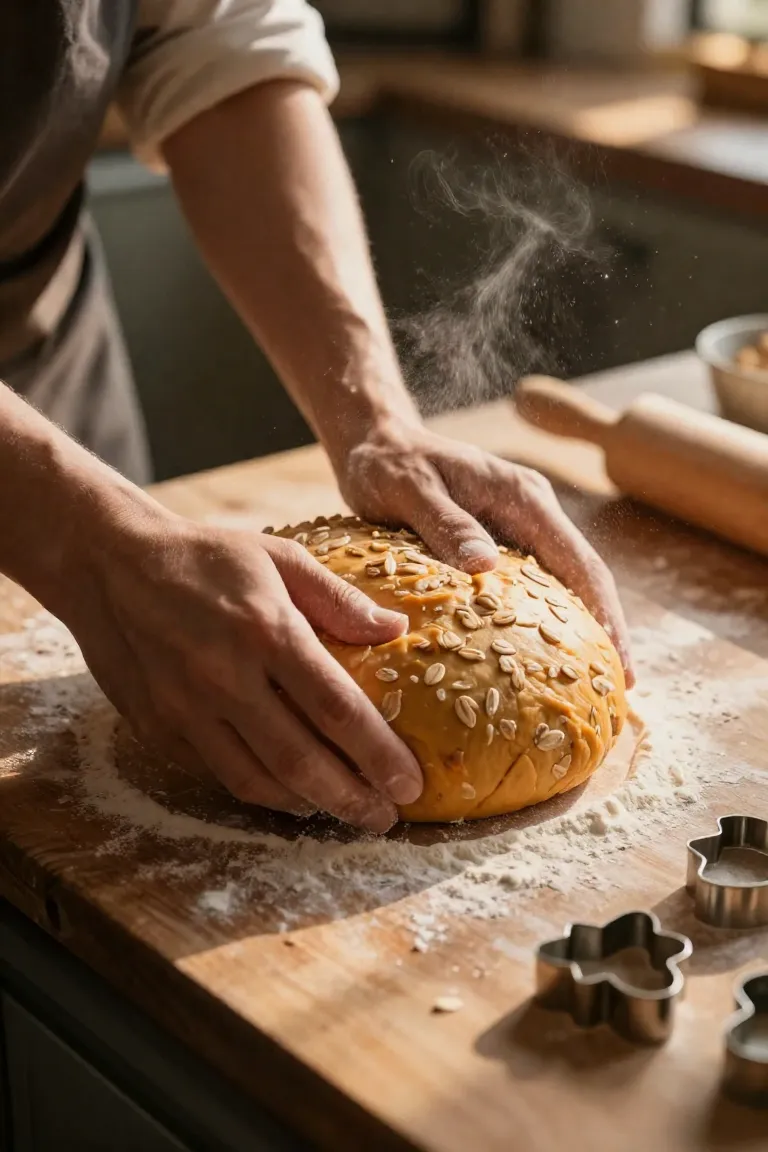
8. Over-Kneading the Dough
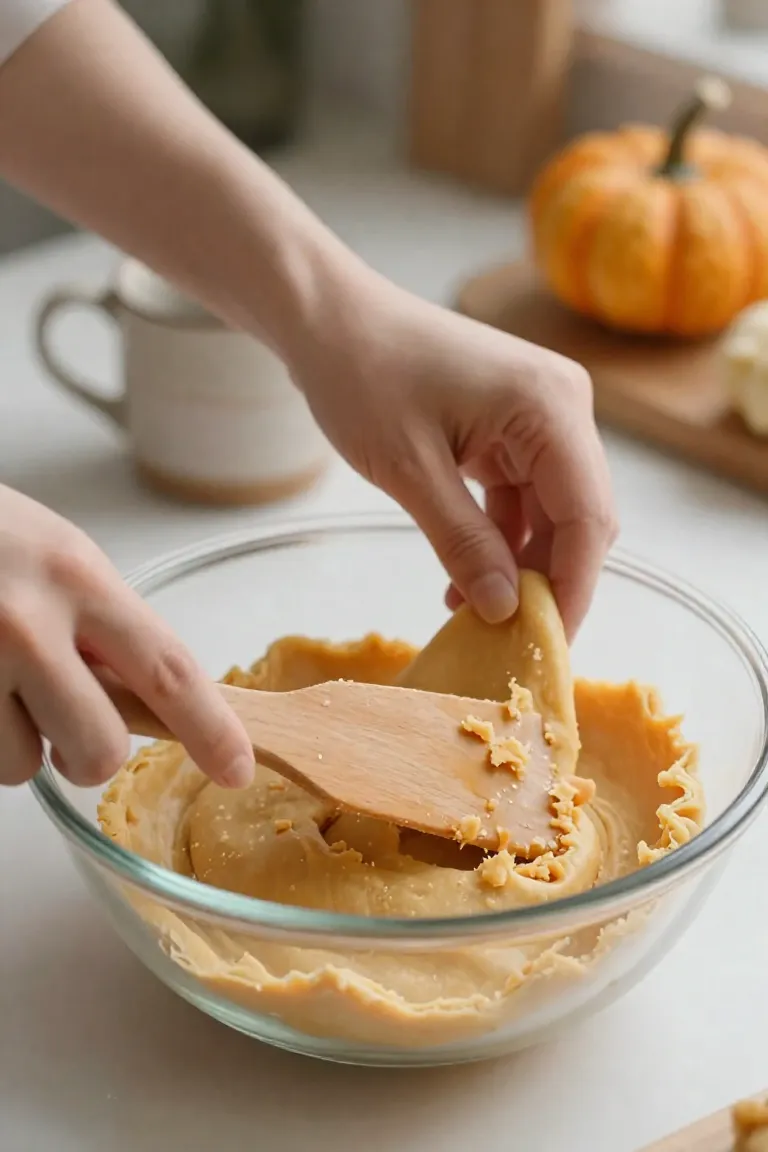
Treating dog dough like artisan sourdough often ruins the crisp, snappy texture your pup craves. While oats lack the gluten network of wheat flour, over kneading oat dough compresses the starches and squeezes out trapped air, creating dense, rock-hard biscuits that are difficult for dogs to chew. Instead of airy crunch, aggressive pressing and folding turns your batch into tough dog cookies that test your dog's teeth.
A simple wooden spoon works best to combine the wet and dry elements with minimal handling. Stop working the mixture the exact moment the flour patches vanish and a cohesive ball forms. Light pressure preserves tiny air pockets throughout the crumb, allowing oven heat to bake each biscuit into a satisfying, brittle reward your dog can easily snap in half.
9. Adding Too Much Liquid Upfront
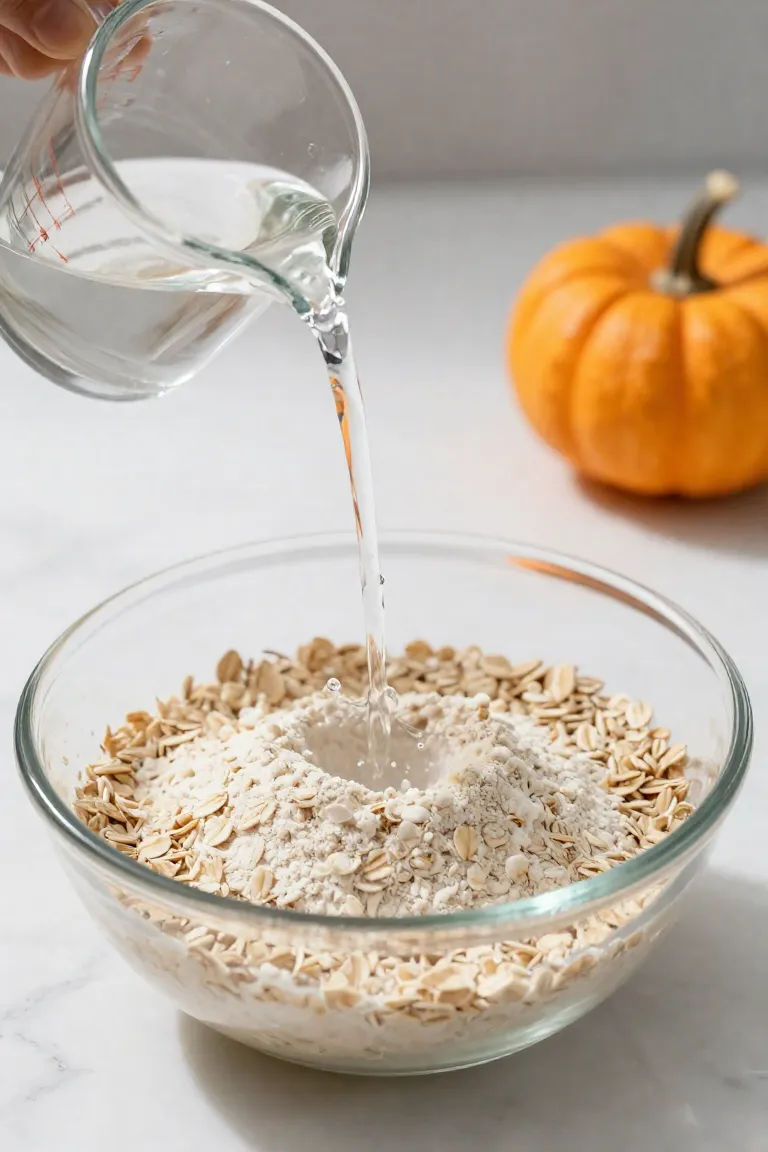
Root vegetables vary wildly in natural water content depending on whether they were roasted or boiled. Dumping your liquid binder into the mixing bowl in one single pour frequently transforms your workstation into a gummy, unmanageable puddle. The best sticky dough fix is thoughtful pacing, treating any recipe's water or broth measurement as a flexible estimate rather than a rigid rule.
Gradual hydration gives the ground oats sufficient time to absorb moisture without becoming oversaturated. Introduce liquid in small spoonfuls while testing the texture with your fingertips between additions. If your mixture still feels too dry to roll, adjusting dough moisture with a light mist of water or an extra teaspoon of puree will bring the dough to a workable, pliable consistency.
10. Skipping the Dough Resting Period
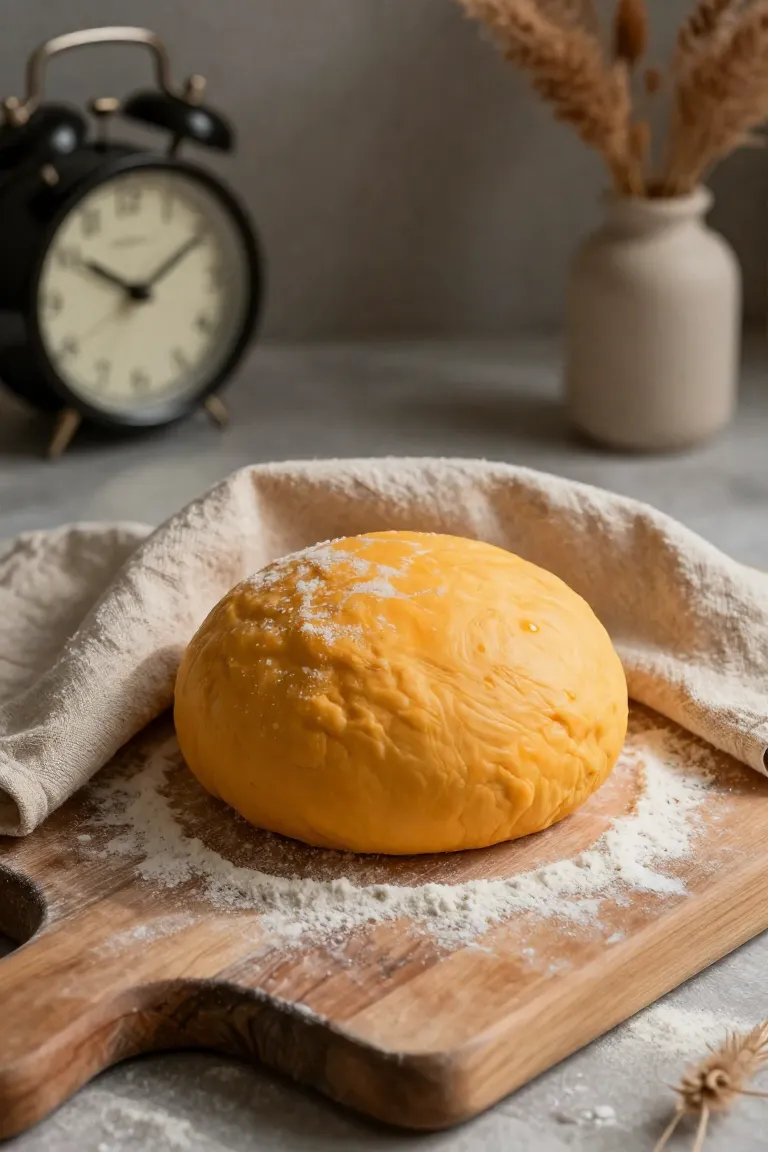
Once the bowl clears and the ball comes together, rushing straight to the rolling pin is tempting, yet diving in immediately often leaves you with cracked edges and crumbly cutouts. Ground oats act like tiny sponges that require time to pull hydration away from the vegetable puree. Giving the mixture a brief breather allows hydrating oats to soften completely, binding the starch and natural sugars into a supple, rollable mass. Setting aside 10 to 15 minutes for resting oat dough prevents sudden tearing when you press down with cutters and saves you from constantly gathering scraps.
- Leave the covered bowl on your counter for at least ten minutes while you prep baking sheets and preheat the oven.
- Check the surface feel with a gentle thumb press; it should spring back slightly without sticking to your skin or splintering at the borders.
- Add a damp paper towel over the bowl rim if your kitchen air runs dry to prevent a crusty top layer from forming.
Shaping and Theming Flaws
A smooth, well-rested slab invites all kinds of seasonal creativity, but turning canine biscuits into miniature works of art brings distinct structural challenges. Unlike flour-heavy pastry enriched with gluten, oat-based dough lacks elastic stretch, making delicate shapes prone to snapping before or after the oven. Successful rolling dog dough depends on balancing festive shapes with structural sturdiness so each piece releases cleanly without warping. Choosing the right seasonal stamps and maintaining clean edges ensures your homemade harvest collection looks picture-perfect on cooling racks and stays intact inside treat jars.
- Select autumn cookie cutters with wide profiles, such as plump pumpkins or sturdy acorns, avoiding spindly stems that burn easily.
- Dust both your rolling pin and cutter edges lightly with oat flour before each press to prevent snagging sticky dough corners.
- Press down firmly in a single downward motion and wiggle slightly rather than dragging the mold across your parchment paper.
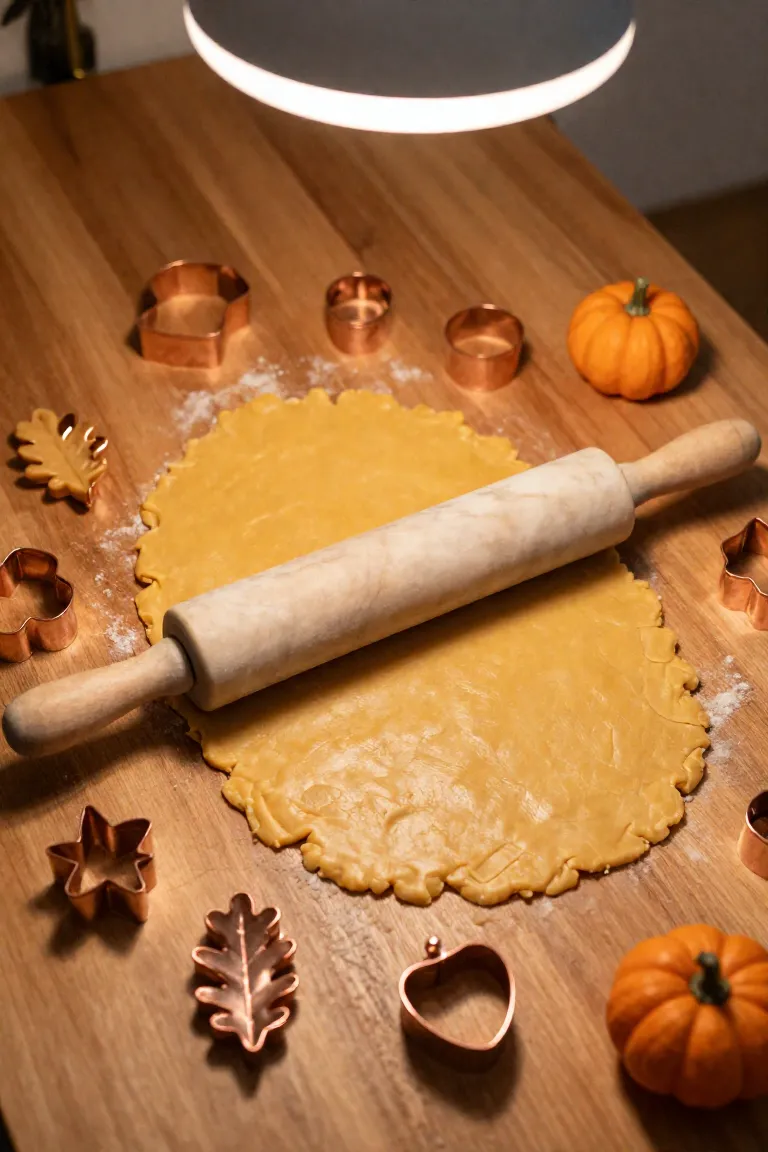
11. Rolling the Dough Too Thick
Leaving your dough chunky might create plump, substantial biscuits, but excess depth works directly against proper dehydration during baking. Sweet potato puree holds onto moisture stubbornly, and thick cutouts trap wet steam inside their cores while the exterior browns. When you aim for shelf-stable crunchy dog treats, thick centers remain chewy or damp, creating a breeding ground for mold within days. Consistent thickness across the entire sheet is essential so that every biscuit bakes at an identical pace without burnt edges or spongy centers.
A uniform height of one-quarter inch strikes the ideal balance between structural crunch and gentle dehydration. At this specific measurement, warm oven air circulates through the crumb, evaporating internal water weight without scorching your festive leaf or pumpkin silhouettes. Wooden rolling pin spacer rings or guide sticks placed on both sides of your parchment help maintain even dough rolling from the center outwards. The resulting biscuits emerge with a clean snap, indicating that internal moisture has fully evaporated.
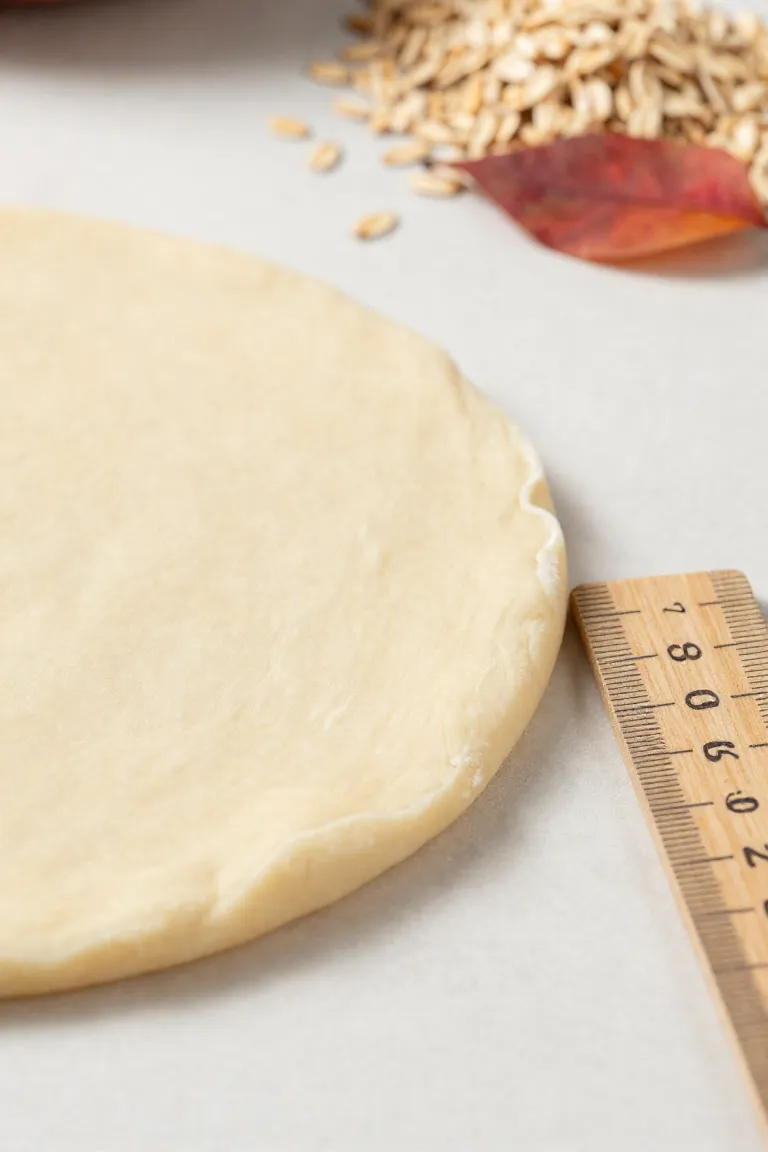
12. Using Overly Intricate Cookie Cutters
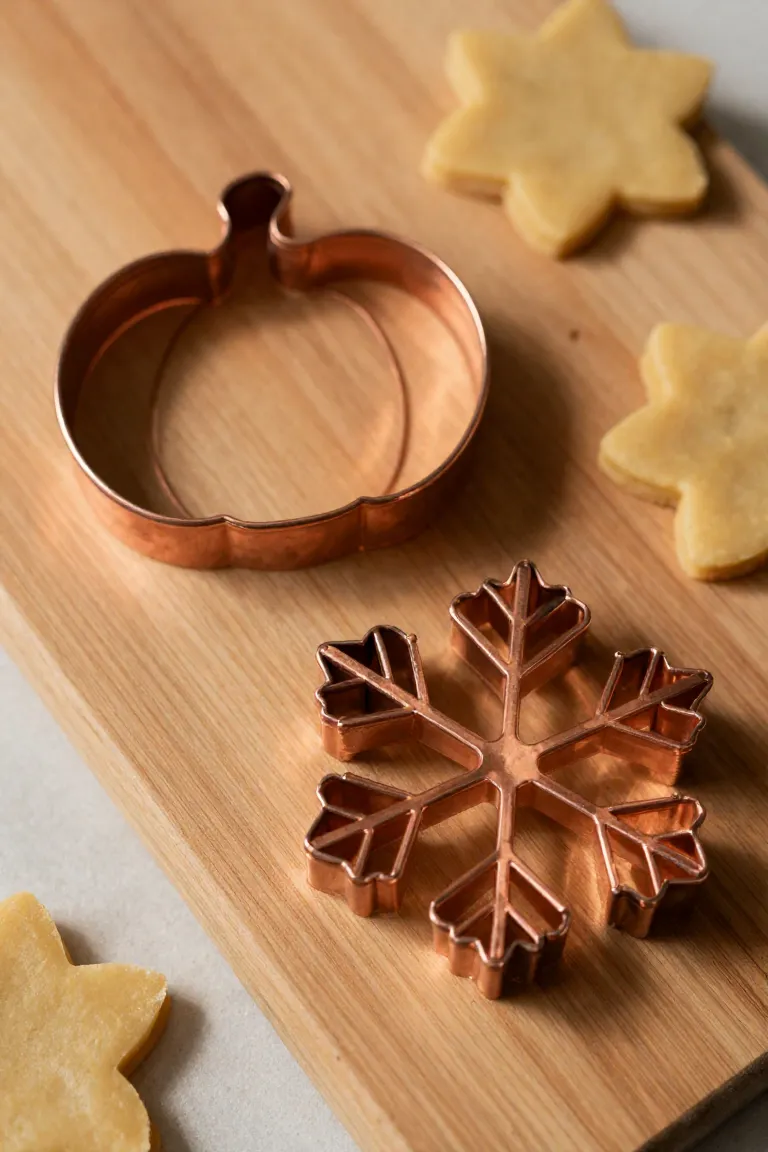
Once you roll your dough smoothly, reaching for delicate, fine-lined stamps might feel tempting, yet gluten-free oat mixtures behave very differently from traditional pastry. Because ground oats lack an elastic gluten network and puff slightly in the heat, narrow points and skinny stems tend to break off on the cutting board or scorch within minutes in the oven. Opting for clean, sturdy outlines ensures your hard work survives both the oven rack and the biscuit jar.
- Choose wide silhouettes: Broad maple leaves or rounded pumpkin outlines hold together much better than spindly leaf cookie cutters with fragile veins.
- Select simple dog cookie shapes: Chunky bones and broad harvest icons yield crisp, durable borders that will not crumble during cooling.
- Check cutter depth: Metal presses with open tops let you release sticky puree dough cleanly without pinching fragile edges.
13. Not Flouring the Work Surface
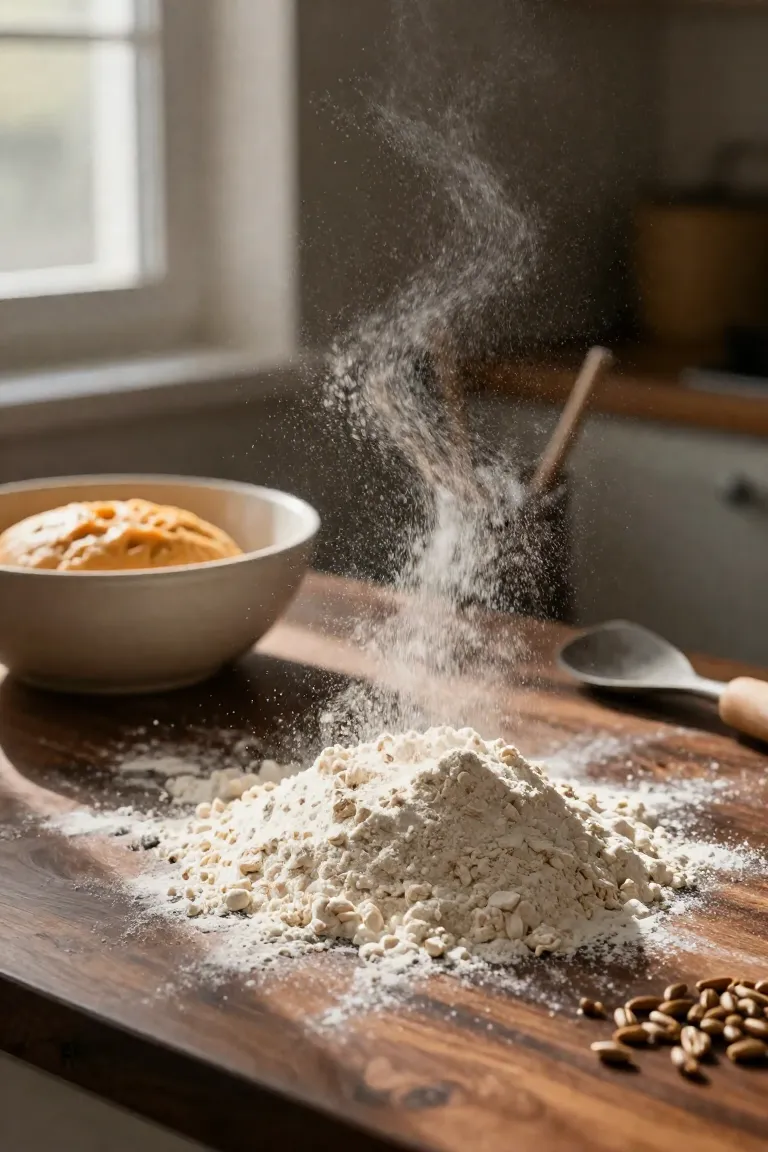
Few kitchen moments feel more frustrating than peeling a beautifully stamped autumn silhouette off your counter only to watch the tender dough tear into pieces. Sweet potato puree brings natural moisture and starches that cling stubbornly to dry granite or wood counters without proper prep. Generously flouring work surface areas with extra finely ground oat flour creates an invisible, dry barrier that keeps every piece intact while preventing sticky dough from turning your prep space into a gummy mess. Stick strictly to oat flour rather than standard wheat flour for this step, keeping the recipe gentle on sensitive canine bellies and avoiding unneeded gluten additions. Rolling your dough directly across a lightly dusted silicone baking mat or unbleached parchment paper gives you an extra layer of security, letting you transfer shapes cleanly onto your sheet pan without stretching the edges.
14. Creating Uneven Treat Sizes
Arranging a decorative mix of miniature acorns alongside three-inch pumpkins across the same sheet pan looks charming on your prep counter, but it creates an immediate baking disaster. Heat distributes uniformly across your baking sheet, meaning bite-sized crisps dry out and char long before thicker, generous biscuits bake through to their centers. Prioritizing even baking sizes per batch ensures consistent dehydration and prevents bitter, burnt edges that your dog will turn their nose up at. Make a habit of sorting dog cookies onto dedicated trays by both surface area and thickness before sliding them into your preheated oven. If you plan to bake a festive variety of seasonal silhouettes, simply run the smaller shapes together on a separate tray with a shorter timer, allowing the larger autumn biscuits the extra oven time they require to develop a fully dehydrated core.
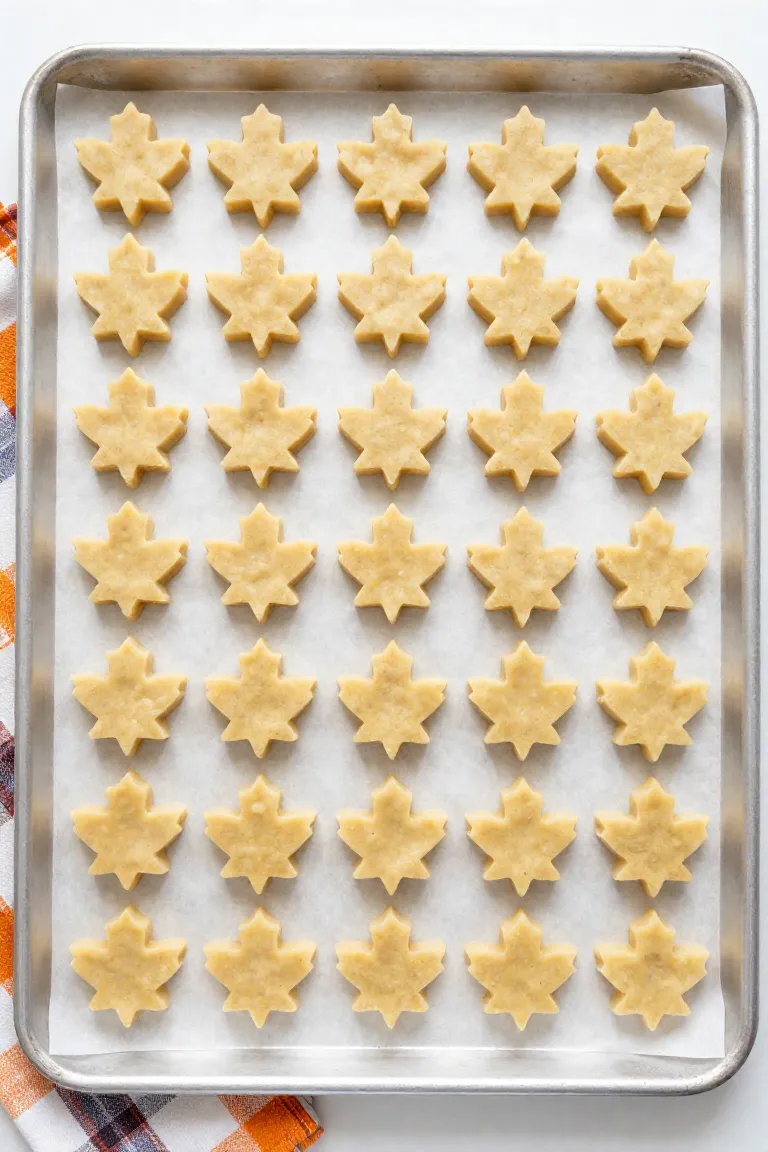
15. Forgetting to Score the Dough
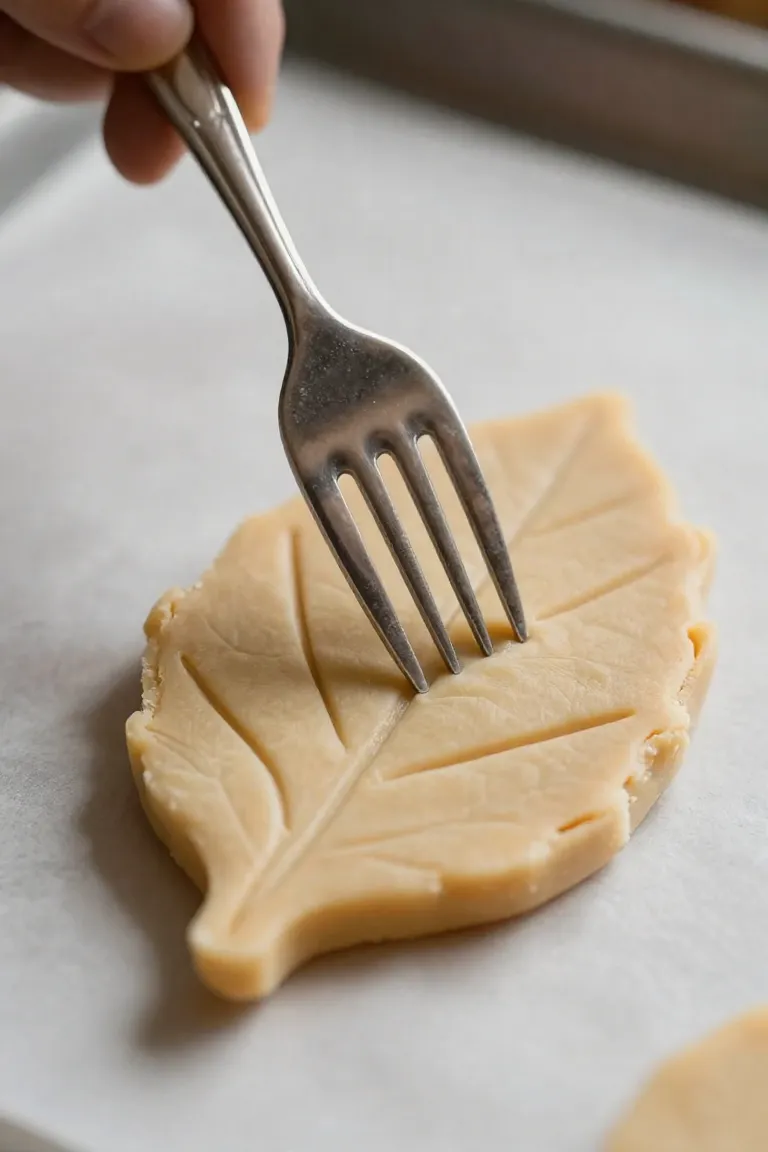
A simple fork dock or a light decorative knife score across each cutout makes an enormous difference in how steam escapes dense sweet potato dough. Without steam vents, moisture remains trapped inside the core, leaving you with a rubbery, chewy treat that molds rapidly in the pantry instead of shelf-stable crunchy dog biscuits. Take a wooden skewer or the tines of a dessert fork to prick small ventilation holes across the surface before sliding the tray into the oven, mimicking the classic pattern of a graham cracker. If you are using fall leaf shapes, lightly trace vein lines with the back of a paring knife without slicing all the way through the batter. This quick step of scoring cookie dough lets hot oven air penetrate straight to the biscuit center, evaporating lingering water content and creating a clean break when snapped.
Baking and Cooling Blunders
Even the most wholesome ingredients can spoil quickly if your kitchen technique falters during the thermal curing phase. When baking homemade treats, the goal extends beyond mere cooking; you are essentially dehydrating each piece until ambient moisture drops low enough to deter mold spores. Managing internal heat and the post-bake resting timeline determines whether your harvest snacks remain crisp on the counter for weeks or turn damp within forty-eight hours.
- Oven moisture retention: Dense sweet potato puree traps moisture, requiring steady airflow and moderate heat rather than flash baking.
- Tray cooling dynamics: Leaving warm biscuits on a solid metal sheet traps condensation beneath the crust, so moving them to elevated wire racks ensures balanced airflow.
- Patience during cooling dog cookies: Packaging warm treats traps residual steam inside storage containers, which immediately destroys their crisp crunch.
16. Baking at Too High of a Temperature
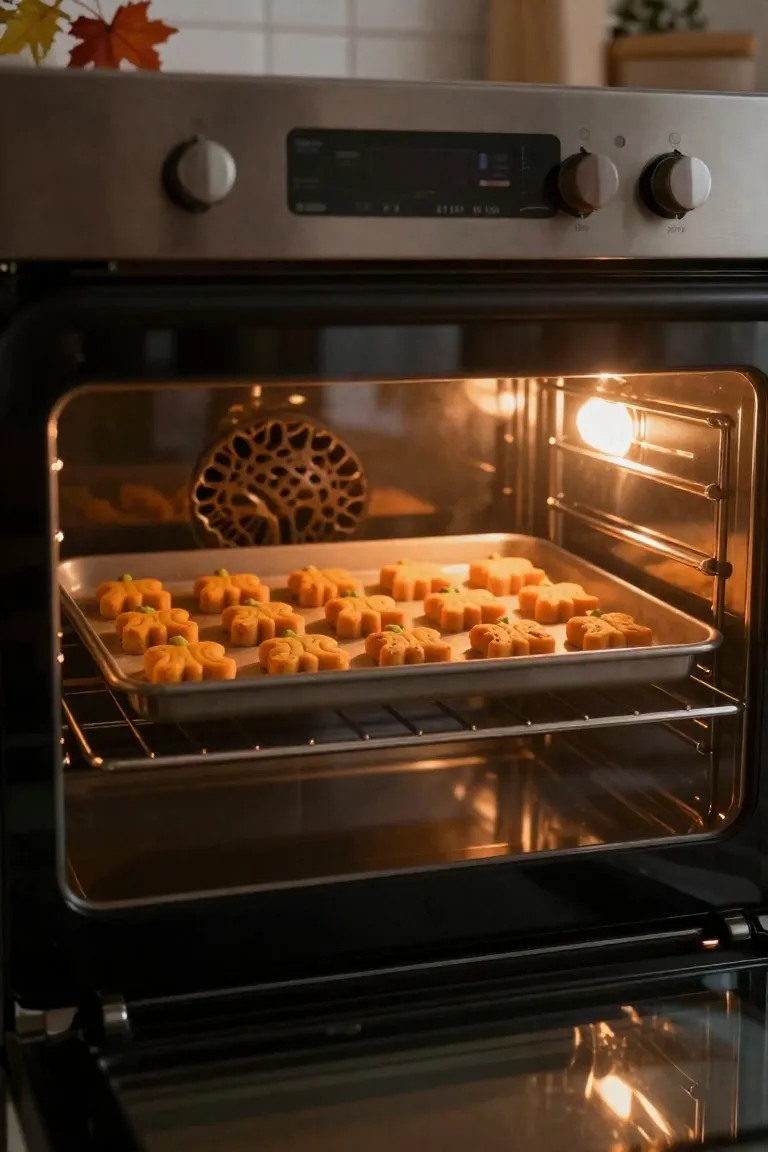
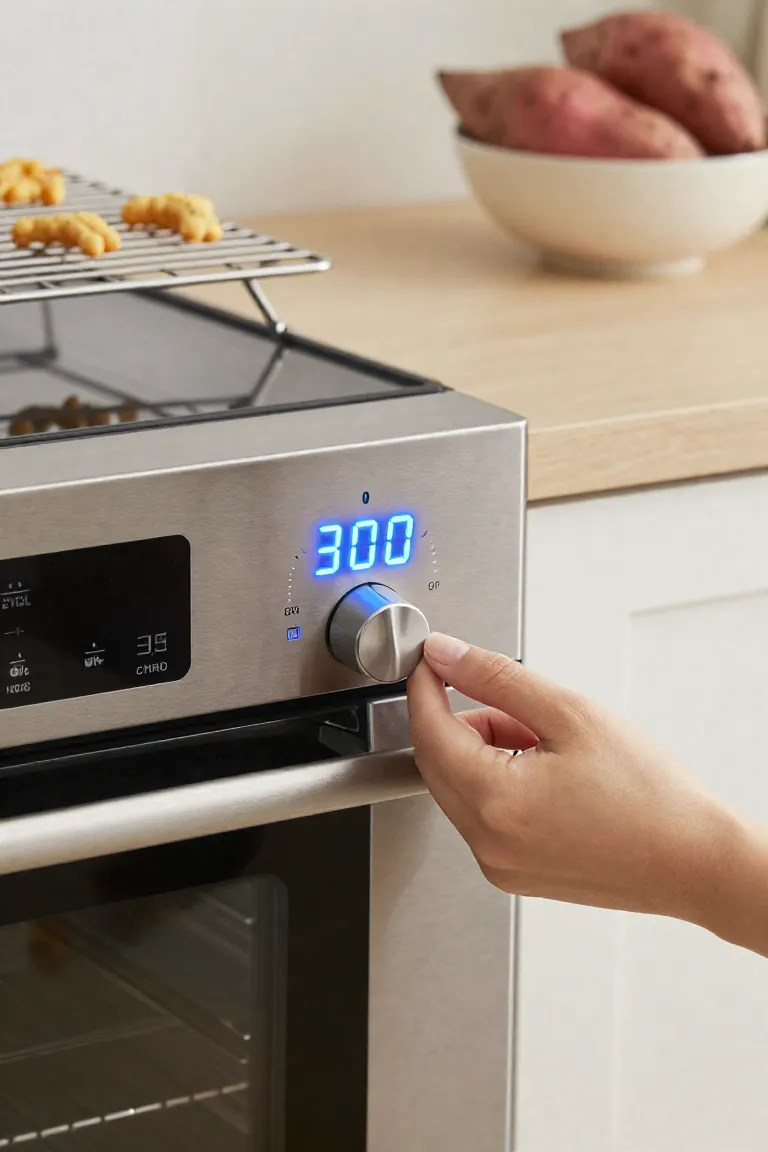
Cranking the dial past 350 degrees Fahrenheit might work well for golden human cookies, but it spells disaster for moisture-heavy dog biscuits. Intense heat rapidly browns and hardens the outer crust before the dense sweet potato interior has a chance to release its water vapor. You end up with a deceptive biscuit that looks completely finished on the surface while concealing a sticky, soggy center that will turn moldy within days.
A gentle session of low temperature baking around 300 degrees Fahrenheit allows heat to gently reach the center without scorching delicate starches. Through this slower method of dehydrating dog treats, water evaporates steadily from the inside out, yielding a thoroughly dried biscuit with an even texture. If your oven tends to run hot, dropping the dial to 275 degrees for an extra fifteen minutes guarantees a durable, crumbly reward your dog can safely enjoy.
17. Cramming Treats on the Baking Sheet
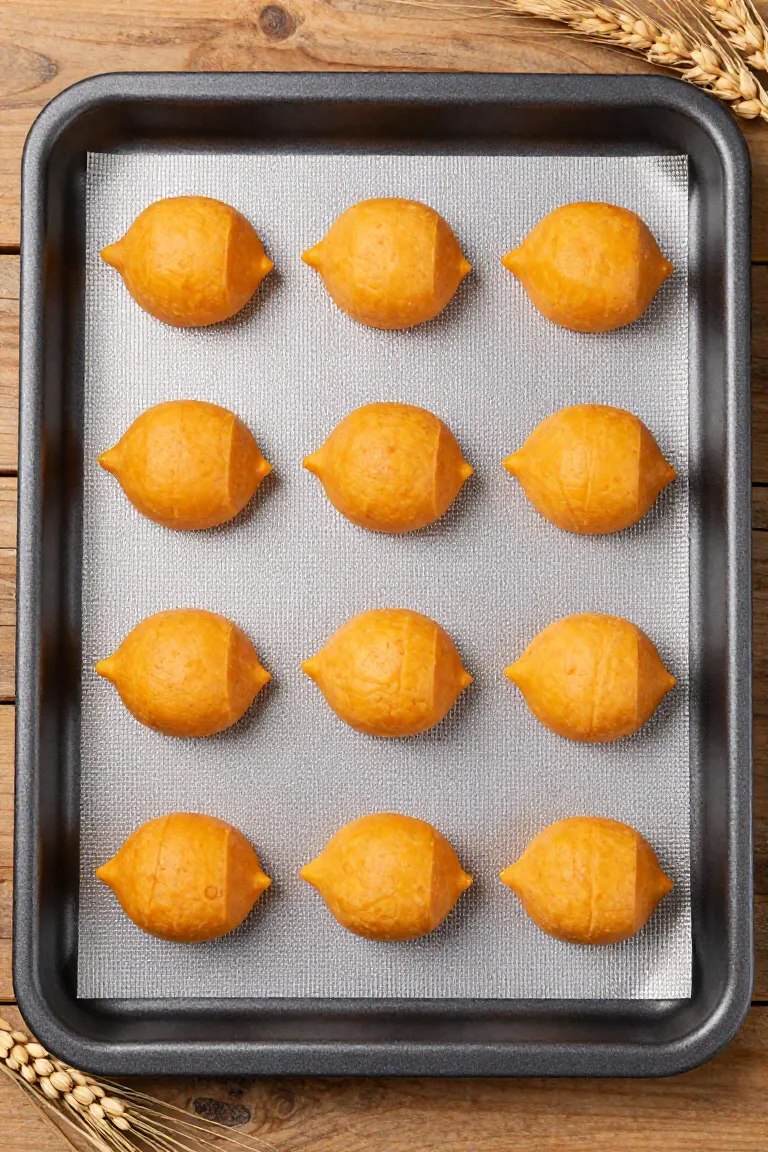
Even with the oven heat dialed in, crowded metal trays will sabotage your entire batch before the timer goes off. When cutouts sit shoulder-to-shoulder, trapped moisture escapes outward and creates a localized micro-climate of hot vapor. Instead of crisping into firm biscuits, the raw dough pieces steam one another, leaving gummy centers and soggy undersides that spoil quickly in pantry storage. Proper baking sheet spacing requires leaving at least half an inch of open clearing around every perimeter edge. This open gap promotes continuous air circulation baking, sweeping away evaporated water vapor so the starches dry out evenly from top to bottom. If you have extra dough cutouts waiting on the counter, bake in successive batches rather than trying to squeeze every festive leaf and bone onto a single tray.
18. Removing Them from the Oven Too Soon
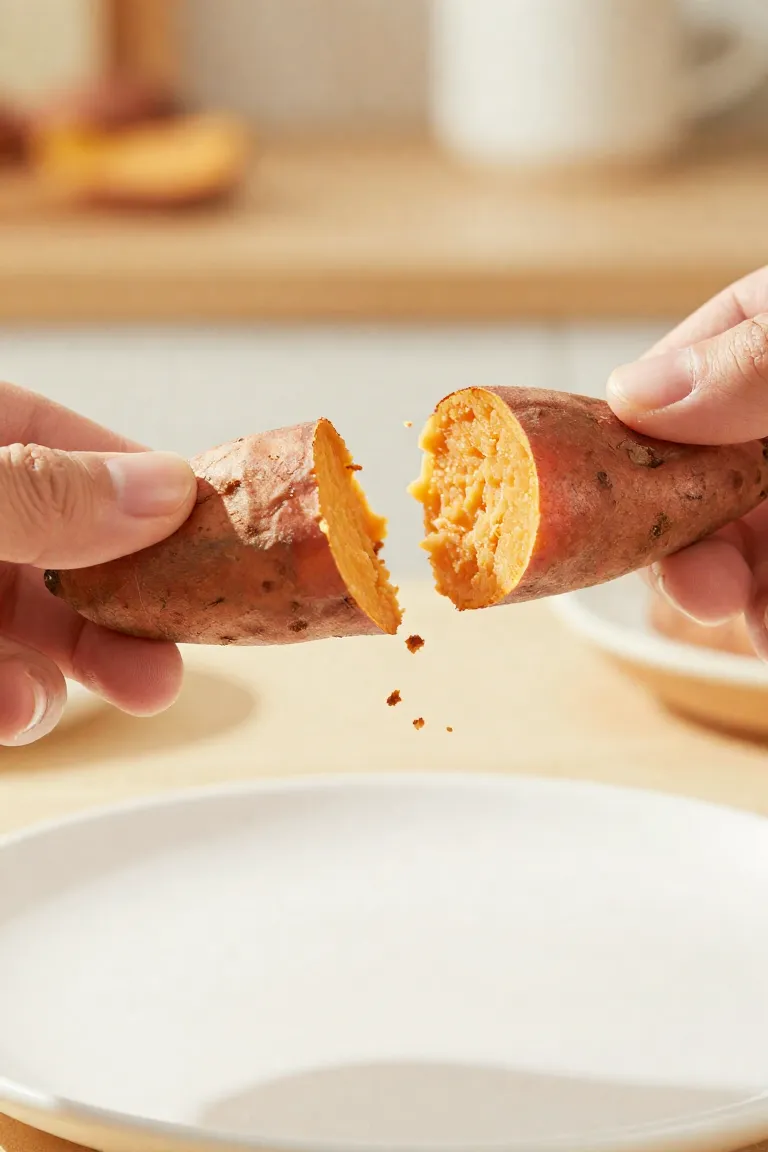
Pulling your baking sheets out the moment the timer chimes often cuts the dehydration process short. While the exterior might look lightly golden, dense root vegetable purees hold stubborn pockets of moisture that remain hidden until the biscuit cools down. You can verify proper dryness by sacrificing one sample piece to perform the snap test. Authentic crispy dog treats must break with a sharp, clean crack rather than bending like chewy jerky. Any rubbery flex means internal water is still lurking inside the crumb, creating an ideal breeding ground for spoilage.
A dedicated phase of oven drying cookies inside the turned-off appliance draws out lingering dampness without scorching the edges. Simply switch off the heat, prop the oven door slightly ajar with a wooden spoon, and let the tray sit in the cooling chamber for an extra hour. This slow temperature drop pulls out residual water from the core, transforming homemade dough into shelf-stable biscuits built to stay crunchy for weeks.
19. Storing Treats Before They Are Completely Cool
Tucking freshly baked biscuits straight into sealed containers while they still radiate faint warmth will quickly undo all your hard work. Warm dough releases subtle vapor that hits cool glass walls, immediately forming beads of condensation that settle back onto the dry surfaces. This trapped moisture transforms a crunchy biscuit into a damp sponge, triggering rapid mold growth across the batch in less than forty-eight hours. Thorough moisture control remains your best defense for preventing moldy treats without using artificial additives.
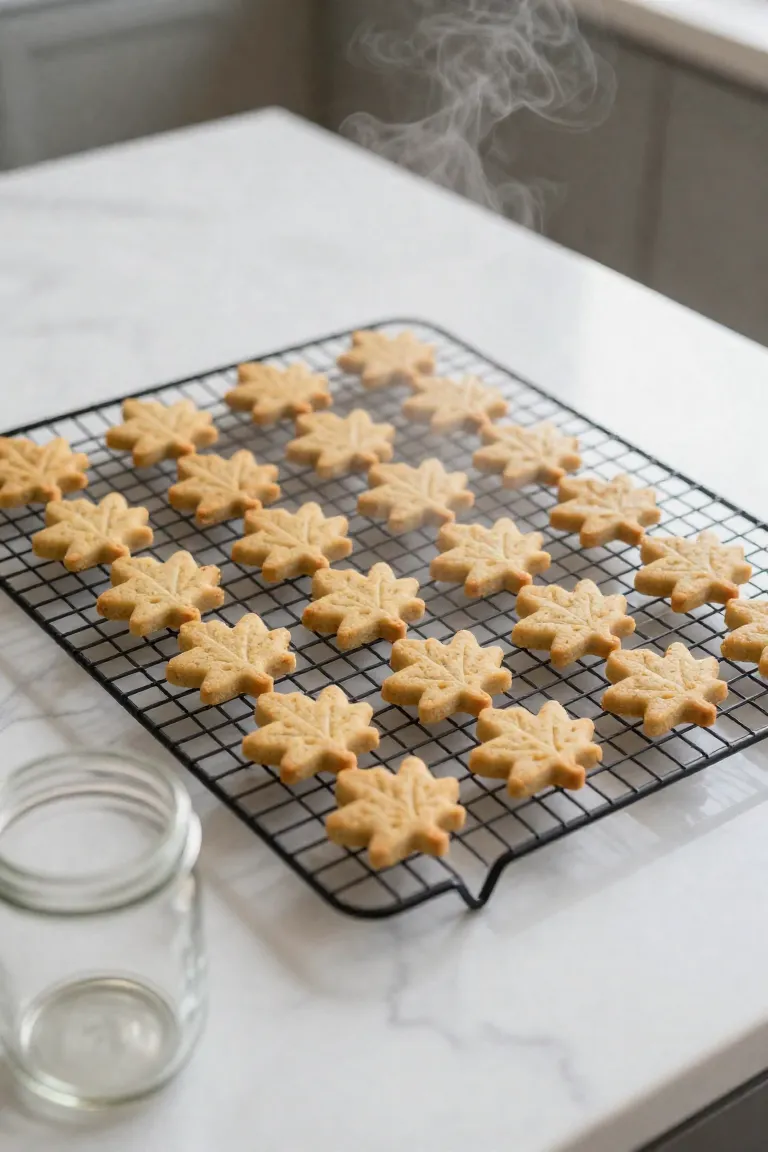
A standard cooling rack baking setup provides unrestricted airflow across both the top and bottom of each piece. Transfer every biscuit off the hot metal baking sheet immediately, allowing room air to carry off any lingering heat from the undersides. Leave the treats resting undisturbed on the grates for two to three hours until every cutout feels completely room-temperature before locking them away in your pantry containers.
Storage and Serving Missteps
Once your crunchy batches sit cooled and dry on the counter, managing environmental moisture becomes your top priority. Unlike commercial kibble loaded with synthetic stabilizers, storing homemade dog treats requires deliberate temperature control to prevent mold spores from ruining your hard work. High ambient humidity or warm kitchen corners can turn a crisp biscuit soggy within forty-eight hours, drastically cutting down the expected shelf life dog cookies naturally possess. For crisp sweet potato bites intended for daily walks this autumn, keep a five-day supply tucked inside a dark, temperature-stable pantry shelf, and stash remaining reserves in the freezer for up to three months. Tossing a food-safe desiccant packet into your counter container actively absorbs ambient dampness, ensuring every single baked piece stays snap-crisp and smells irresistible whenever you reward your canine companion.
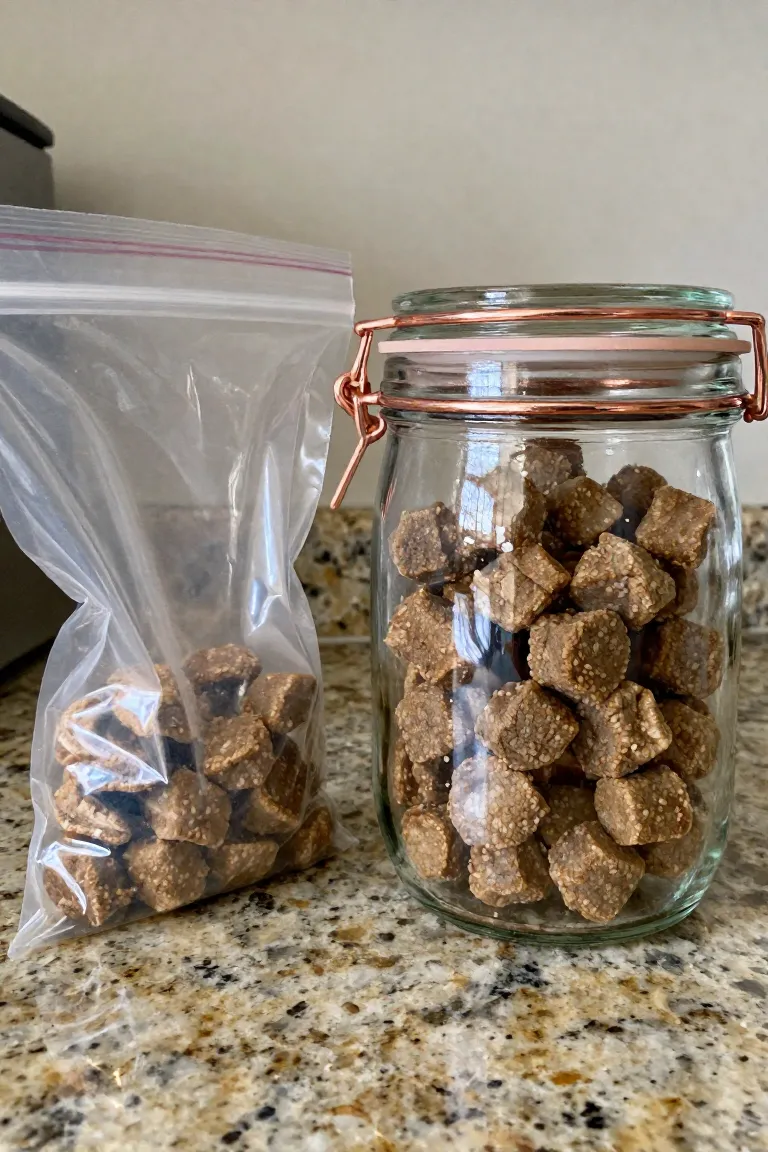
20. Using Plastic Bags Instead of Airtight Glass
Reaching for a standard polyethylene zipper pouch feels convenient after a long baking afternoon, yet plastic bag storage quickly compromises the texture of oven-dried biscuits. Thin plastic membranes remain slightly gas-permeable over time, allowing humid indoor air to seep inward while trapping residual oils against the cookie surface. This micro-climate turns crunchy pumpkin or potato bites soft, creating an ideal breeding zone for pantry mold and sour odors that your pup will immediately detect and refuse.
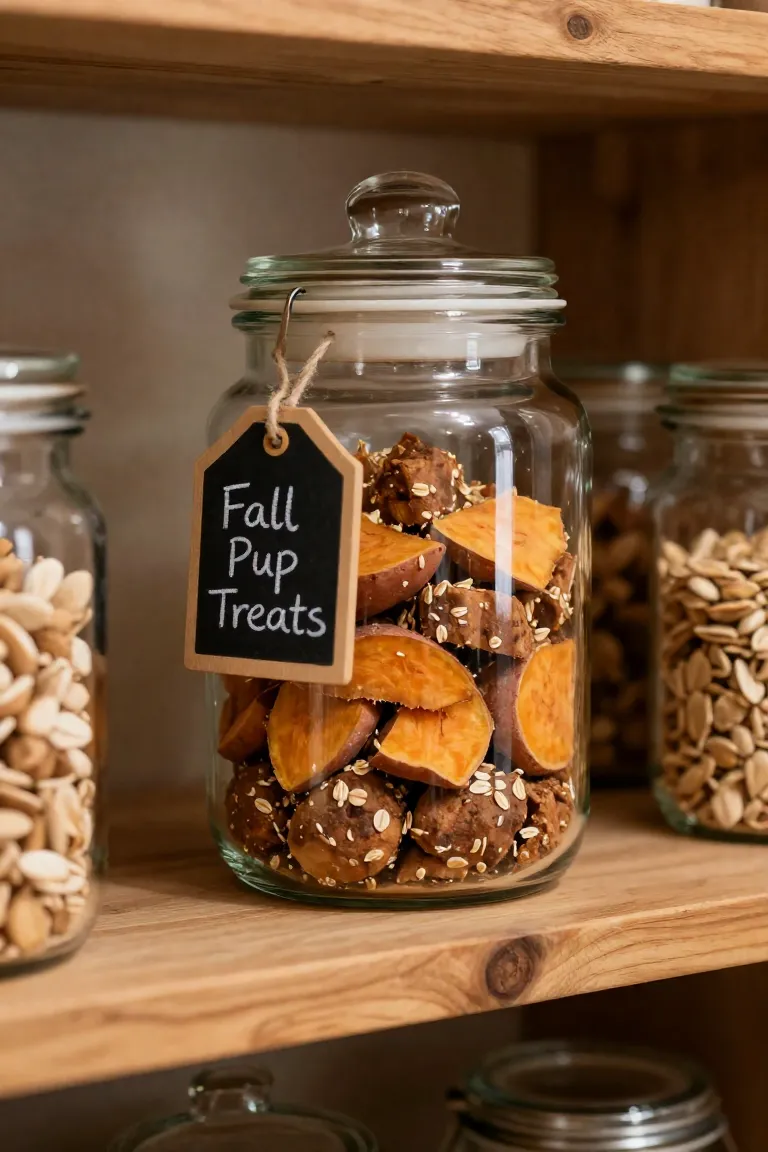
Heavy silicone-gasket airtight glass jars solve this humidity problem by establishing an impenetrable barrier against airborne moisture and seasonal kitchen temperature swings. On open pantry shelving, amber or tinted glass protects delicate fats from light oxidation, preserving the natural nutty scent of toasted oats. If you bake in large bulk quantities for gift baskets, vacuum-sealed glass canisters keep crunchy rewards fresh for weeks without softening.
21. Overfeeding Your Dog
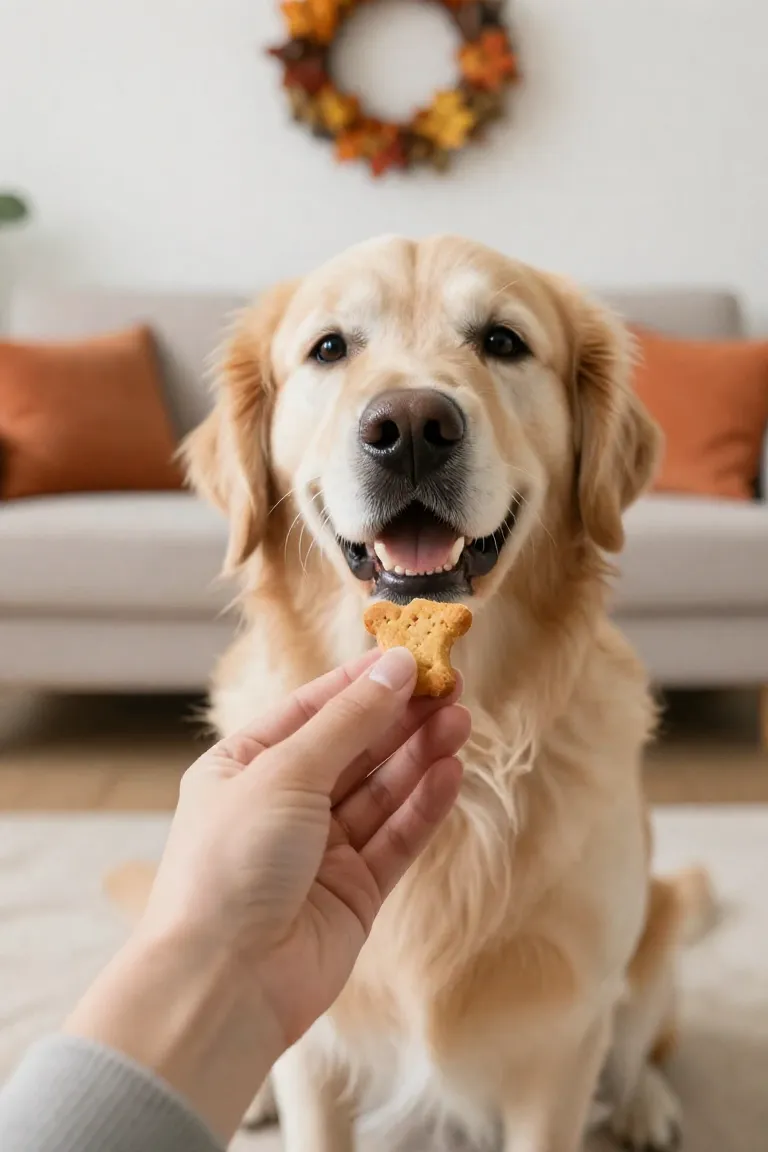
Watching your pup sit attentively by the pantry door makes it tempting to hand out freshly baked autumn biscuits generously, but whole food ingredients still carry concentrated caloric density. Cooked sweet potatoes supply rich beta-carotene and dietary fiber, yet they also pack significant starchy carbohydrates and natural plant sugars that accumulate quickly across an afternoon. Practicing consistent dog treat portion control protects your four-legged companion from unexpected digestive upset and sluggish seasonal weight gain. Canine nutrition guidelines recommend that supplemental snacks comprise no more than ten percent of your pet's daily caloric budget, leaving the vital majority for wholesome, balanced meals. Breaking larger leaf or bone cutouts into miniature training pieces allows you to celebrate good manners repeatedly while maintaining a healthy dog weight during daily walks.
Conclusion: A Safe and Tasty Autumn Harvest
Stepping into the kitchen with simple pantry staples turns a brisk afternoon into a rewarding seasonal ritual for both you and your pup. Steering clear of these twenty-one common prep slips ensures that every golden batch of healthy autumn dog treats delivers the satisfying crunch your canine companion craves without unexpected digestive upsets. When you prioritize pure puree and consistent rollouts, the oven does all the heavy lifting, transforming humble root vegetables into wholesome snacks that stay crisp on your counter for weeks.
A mindful commitment to safe baking for dogs gives you complete control over every wholesome ingredient that enters your pet's routine. Pack a handful of these baked biscuits into your coat pocket for crisp morning park strolls, or tie a bundle with rustic twine to surprise your favorite neighborhood tail-waggers. Properly baked oat and sweet potato biscuits provide a stable, nutrient-dense snack ready for your next walk.